



- AllProduct Category
-
Landscaped Pavement
Porous Concrete Pavement
Color Paving
Antique Art Pavement
Colored Pavement
Eco-Porous Concrete Pavement
Landscaping Pavers
Eco-Porous Concrete Flooring





Recommended Products

Jinan Optimization Promotion, Jiaozuo Direct Supply of Permeable Concrete Paving Materials, Permeable Concrete Manufacturer

Permeable Concrete Manufacturer, Guangdong Colorful Permeable Pavement Factory, Landscape Permeable Road Surface

Customizable in multiple colors, Urumqi Art Embossed Concrete Flooring
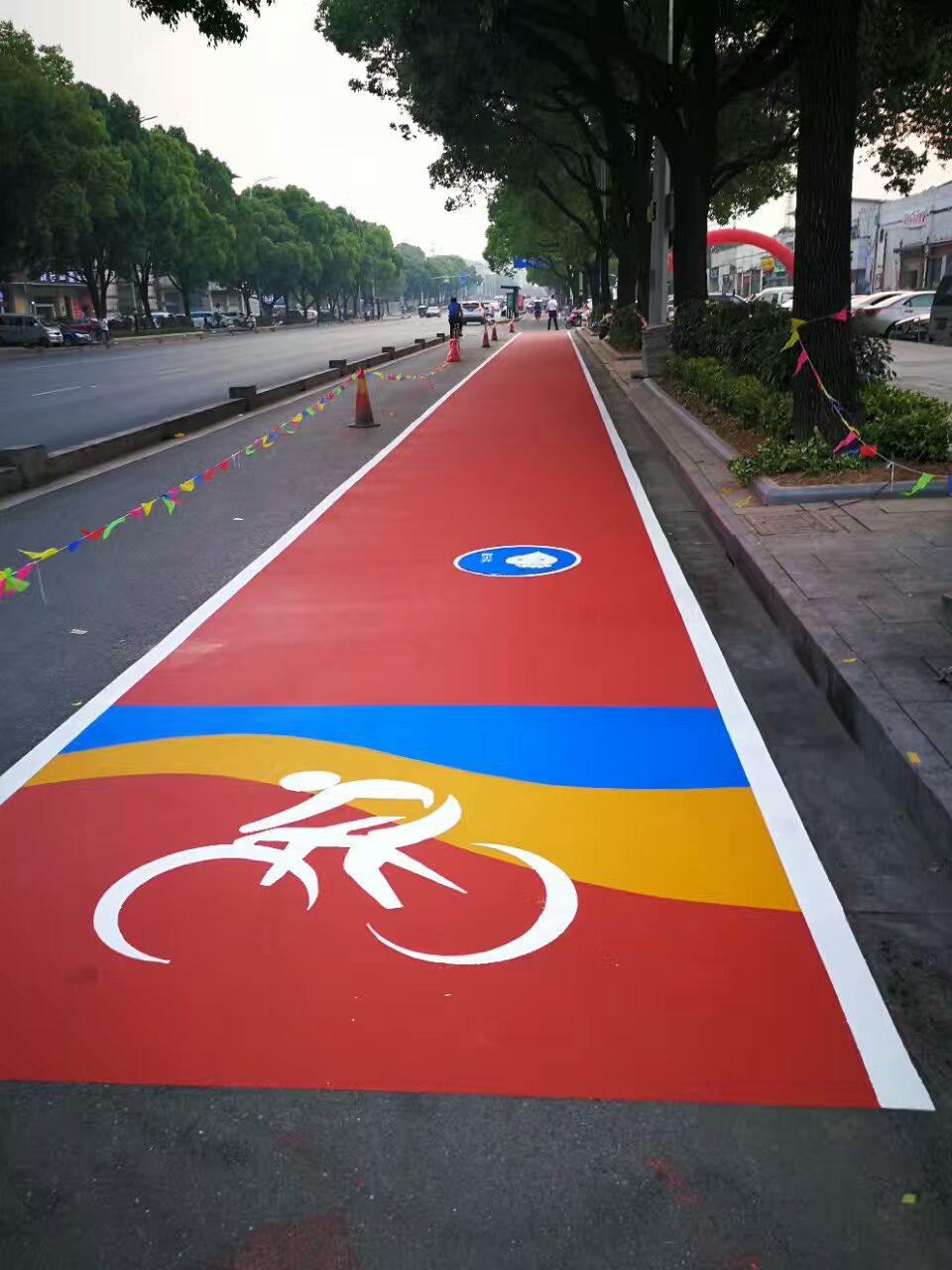
Zhaoqing City, China - Manufacturer of red permeable concrete floor materials; cast-in-place process for large-pored, permeable, colored road surfaces
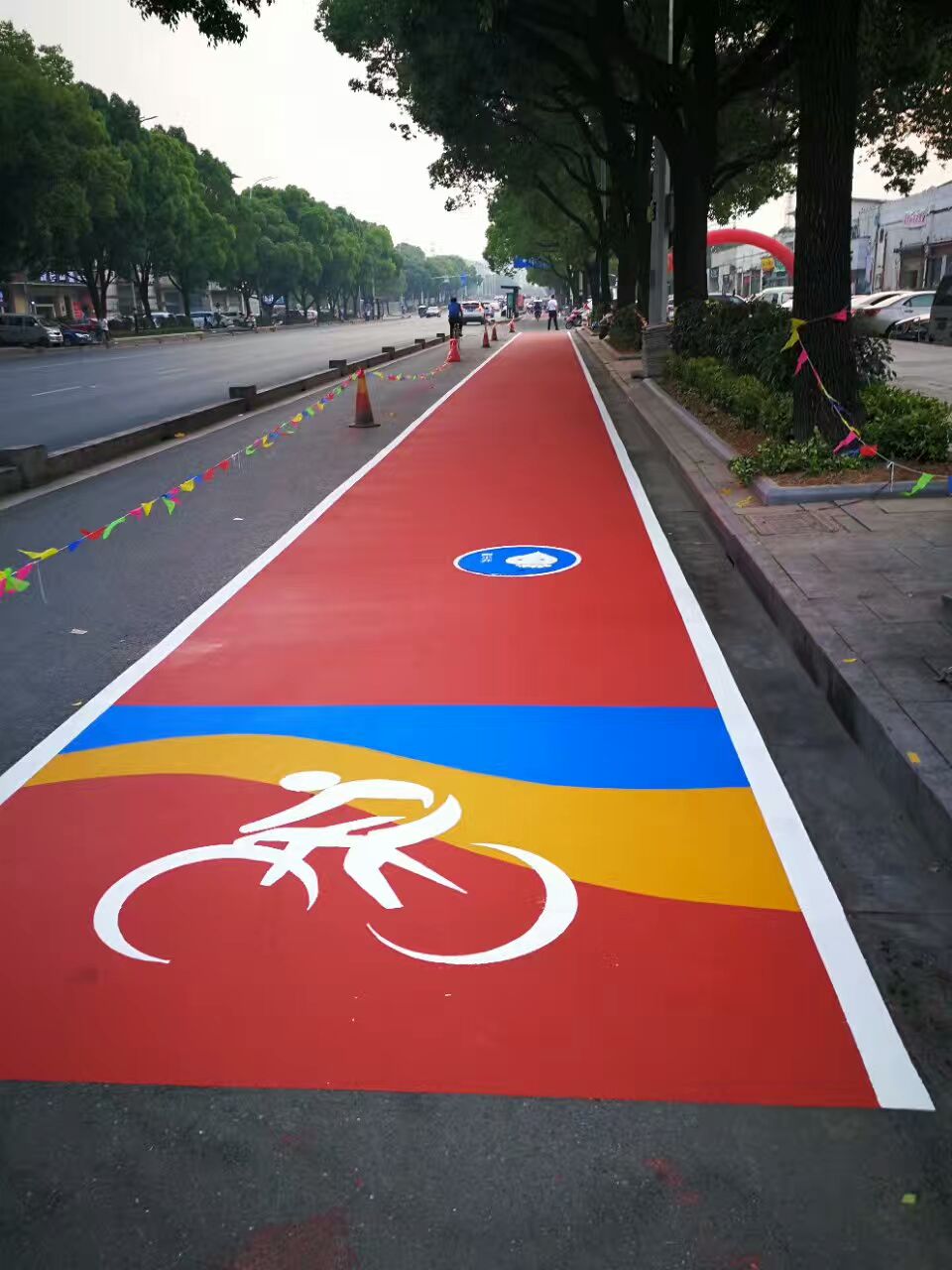
Zhaoqing City, China - Manufacturer of Red Transparent Concrete Floor Materials; Large Porous Permeable Colored Pavement Casting Technique
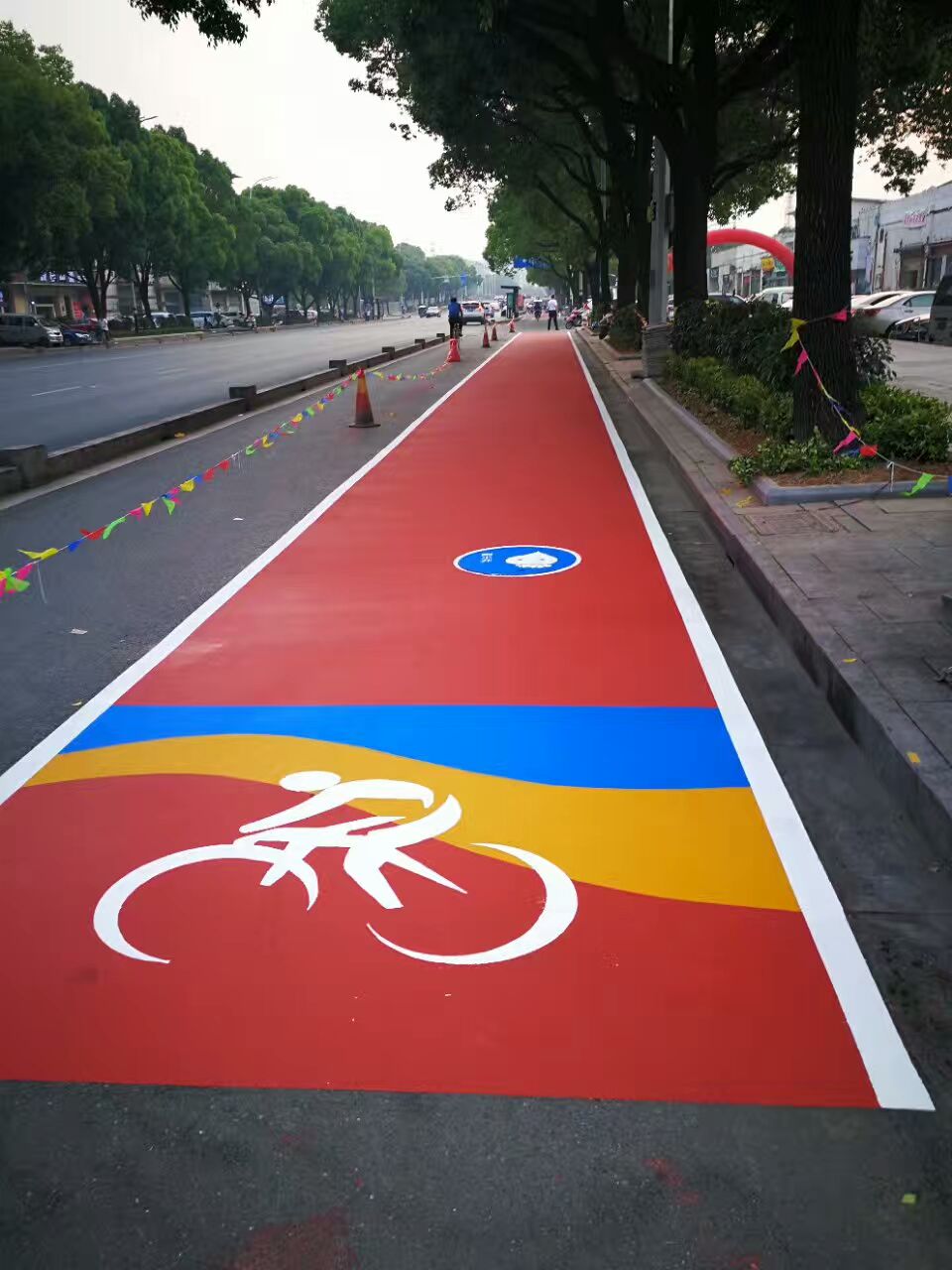
Zhaoqing City, China - Manufacturer of Red Transparent Water Concrete Floor Materials, Large Porous Permeable Colored Road Surface Casting Technology
详情描述
Porous pavement is highly practical, benefiting the benign development of the human living environment; it also plays a significant role in rainwater management and utilization, as well as in water pollution control. It is a "Key Promoted Project of Scientific and Technological Achievements in National Construction," and is widely used in pedestrian walkways, bike lanes, light rail tracks, public squares, outdoor parking lots, park pathways, and scenic roads.

The introduction of pervious concrete in urban areas has brought about significant changes, primarily in the urban environment. It has effectively protected the city's environment on a large scale, maintained the balance of the urban ecological system, and facilitated the synchronized development of living and ecological environments, making the entire city better and alleviating the urban heat island effect.

Porous concrete not only transforms urban life and the ecological environment but also contributes to architectural styles. Porous concrete can utilize color combinations and designers' creativity to design and install different styles of porous concrete for each urban area, catering to various environmental styles and decorative requirements, giving the city its own creative style.

Design Principles and Regulations for Permeable Concrete Pavement
1. Colored permeable concrete paving includes structural composition, material composition, and thickness determination.
2. The permeable pavement structure layer of colored pervious concrete typically consists of the surface layer, base layer, and subbase layer.
3. The design of permeable paving with colored pervious concrete should select appropriate surface materials, pervious subbase materials, and moisture-stable cushioning materials based on different soil conditions and usage requirements, ensuring the pavement structure has sufficient overall strength and permeability. A water-retaining cushion should be installed when the subgrade below is clay soil.
4. For pedestrian walkways, bike paths, and other light-load ground surfaces, the design thickness of the surface layer should be no less than 6cm. For medium-load ground surfaces such as parking lots and squares, the surface layer thickness should not be less than 10cm.

Porous concrete paving, developed by countries such as Europe, America, Japan, and others to address the deficiencies of original urban road surfaces, allows rainwater to infiltrate underground, effectively replenishing groundwater and mitigating rapid groundwater level drops in cities. It also effectively eliminates the environmental hazards posed by oil compounds on the surface. Additionally, it is an excellent paving material for protecting groundwater, maintaining ecological balance, and alleviating urban heat island effects. It holds special significance for the benign development of human living environments and in the management of urban rainwater and water pollution prevention efforts.

询价单


