



- AllProduct Category
-
Landscaped Pavement
Porous Concrete Pavement
Color Paving
Antique Art Pavement
Colored Pavement
Eco-Porous Concrete Pavement
Landscaping Pavers
Eco-Porous Concrete Flooring





Recommended Products

Jinan Optimization Promotion, Jiaozuo Direct Supply of Permeable Concrete Paving Materials, Permeable Concrete Manufacturer

Permeable Concrete Manufacturer, Guangdong Colorful Permeable Pavement Factory, Landscape Permeable Road Surface

Customizable in multiple colors, Urumqi Art Embossed Concrete Flooring
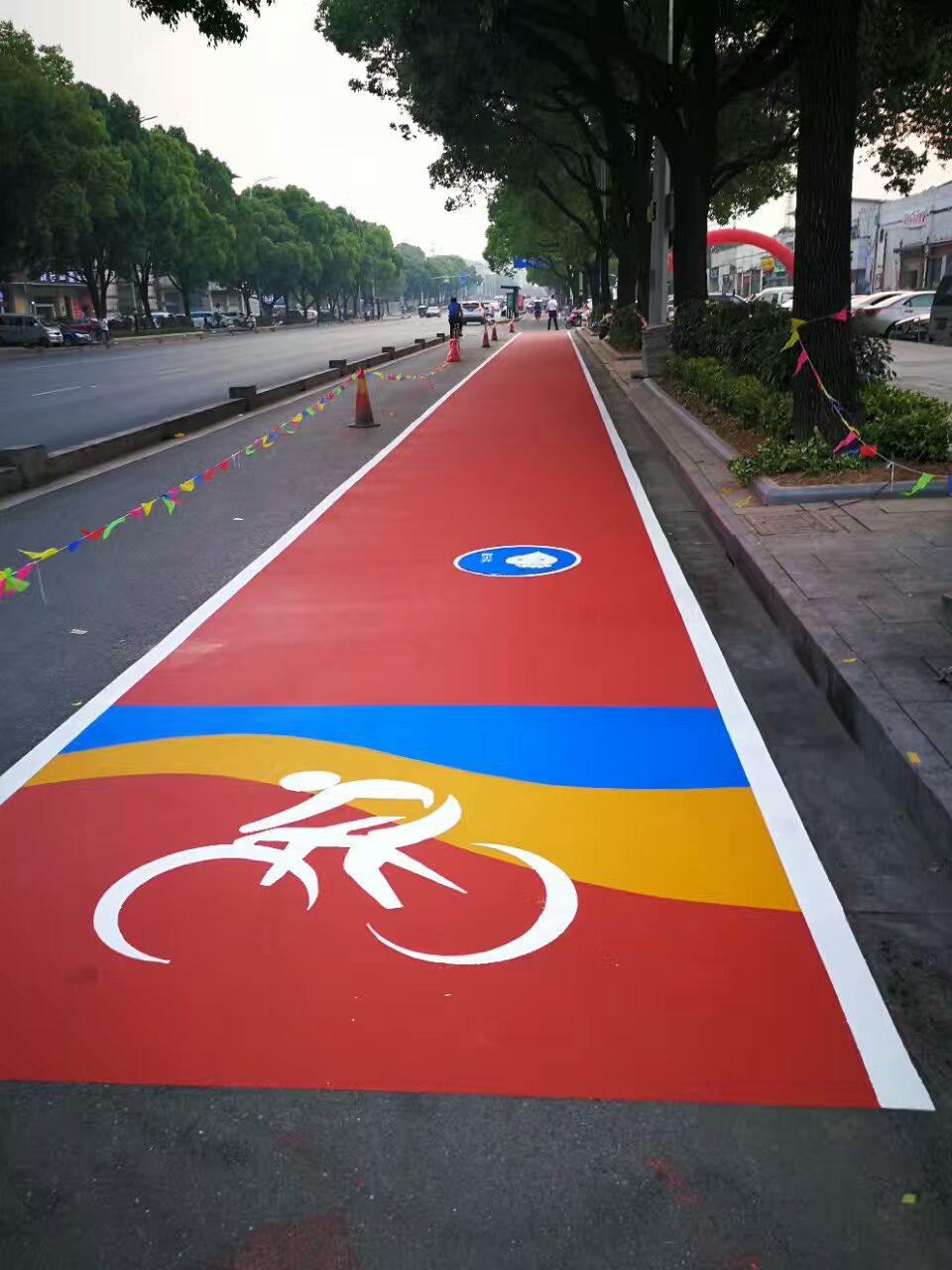
Zhaoqing City, China - Manufacturer of red permeable concrete floor materials; cast-in-place process for large-pored, permeable, colored road surfaces
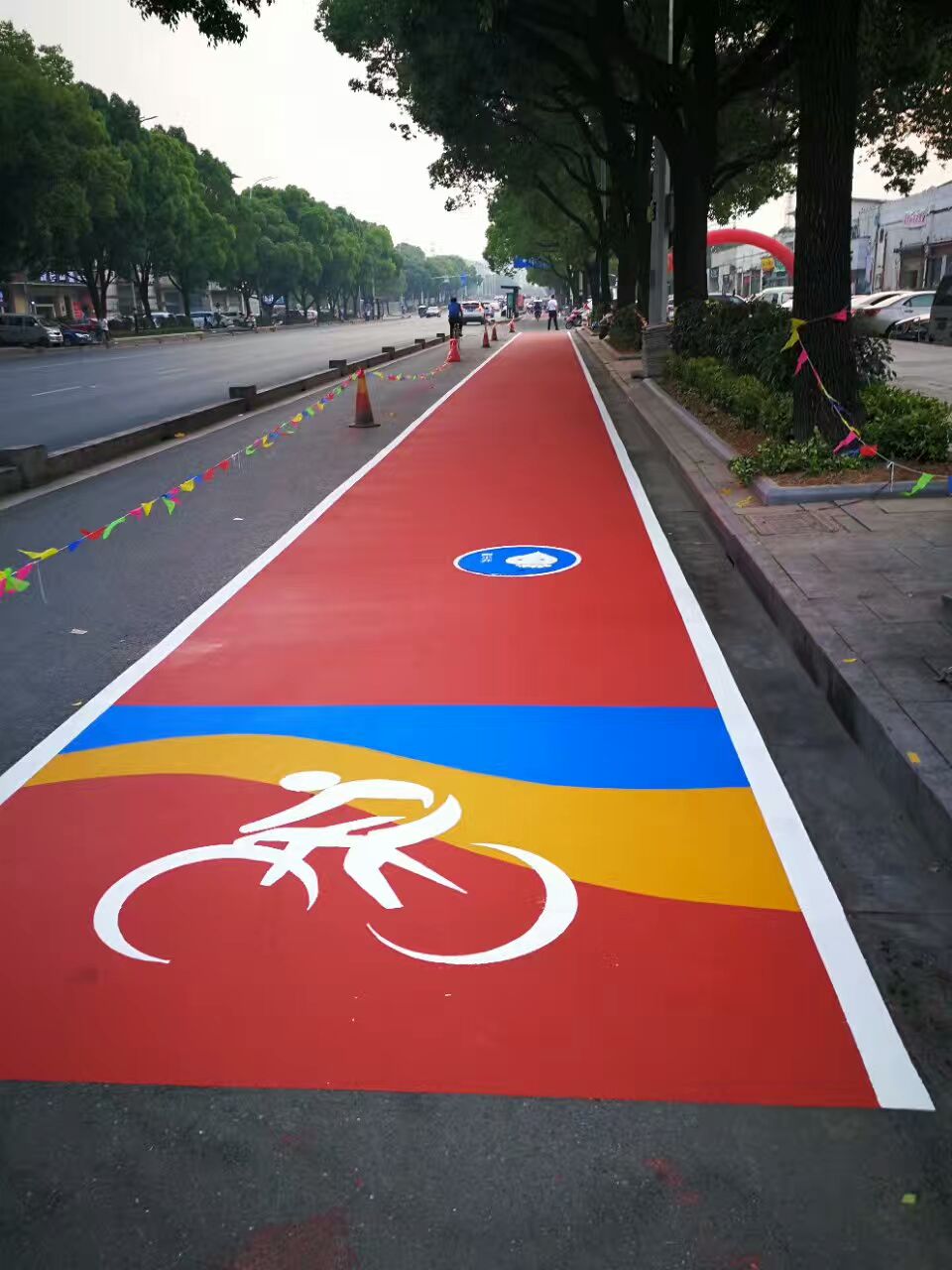
Zhaoqing City, China - Manufacturer of Red Transparent Concrete Floor Materials; Large Porous Permeable Colored Pavement Casting Technique
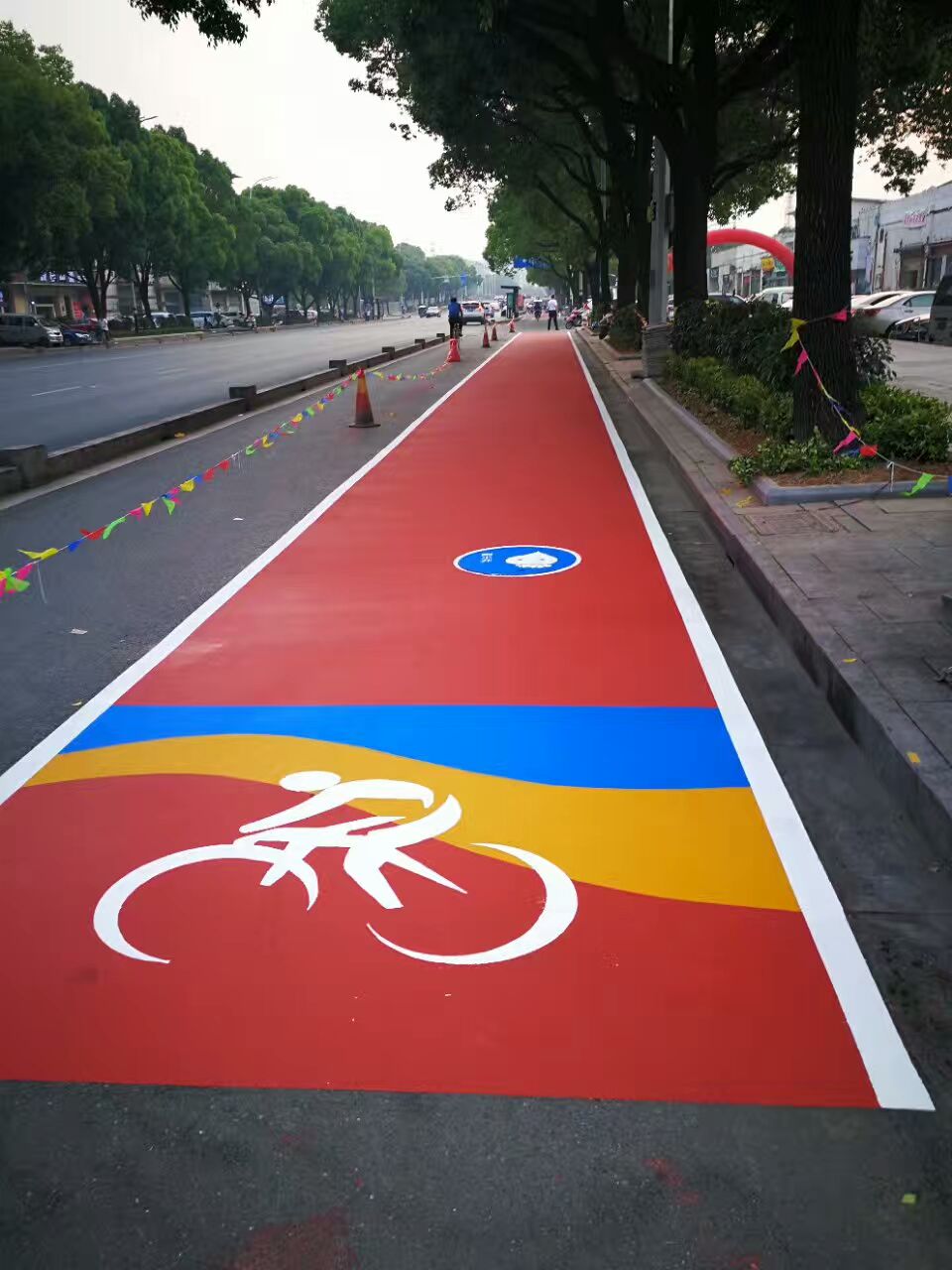
Zhaoqing City, China - Manufacturer of Red Transparent Water Concrete Floor Materials, Large Porous Permeable Colored Road Surface Casting Technology
详情描述
Porous concrete pavement
Eco-friendly Permeable Concrete Paving Materials
Permeable paving for sponge city construction
Porous concrete, also known as permeable concrete, sand-free concrete, or permeable paving, is a lightweight, porous concrete mixture made from aggregates, cement, and water. It lacks fine aggregates and forms a honeycomb-like structure with uniformly distributed voids, bonded together by a thin layer of cement paste on the surface of the coarse aggregates. Therefore, it features breathability, water permeability, and light weight. Once the permeable concrete surface agent reaction is complete, it will form a tough, transparent, high-gloss film, significantly enhancing the wear resistance of the road surface and improving the glossiness, texture, and vibrancy of the permeable concrete surface.
A sponge city refers to a city development approach that, through enhanced urban planning and construction management, fully utilizes the absorption, infiltration, and slow-release functions of buildings, roads, green spaces, and water systems within the ecosystem to effectively control stormwater runoff, achieving natural storage, infiltration, and purification.
Our colored pervious concrete paving materials are produced using core patented intellectual property concrete additives and graded aggregates, combined with inorganic color powder and special coating agents, to form eco-friendly pervious pavement materials through a combination of construction techniques.
Colorful permeable concrete paving material is an eco-friendly material with high permeability for sponge city construction. It is a new paving method that can partially replace urban paved surfaces, effectively improving the urban ecosystem. It restores vitality to the city's surface, allows rainwater to infiltrate the ground, effectively eliminates surface water accumulation, and is a green, environmentally friendly ground material that "breathes."
Porous pavement has been widely utilized worldwide due to its environmental benefits, such as preventing ground subsidence, protecting underground water resources, and reducing the heat island effect. In recent years, it has also gained popularity in economically developed countries in Asia, including Japan, South Korea, and Singapore, where it is increasingly being adopted in urban construction. This has made our cities more ecological, environmentally friendly, and sustainable.
询价单


