Environmental Art Design, Public Art Design, Graphic Desi...

Ice sculpture is an art form that involves carving creations from ice and snow. The aesthetic principles and techniques refer to the basic guidelines and operational methods followed during the ice sculpture construction process. Below, Harbin Ice Sculpture Company will introduce the common aesthetic principles and techniques used in ice sculpture construction.
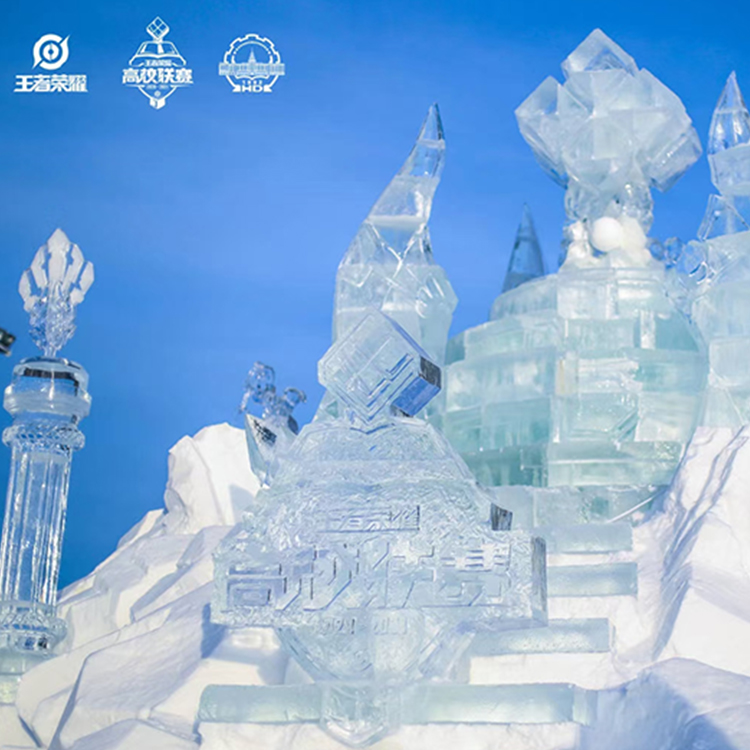
One of the aesthetic principles of ice sculpture is the selection of appropriate themes and forms. The themes and forms of ice sculptures should align with the intended imagery, delivering a strong visual impact and emotional resonance to the viewers. When choosing themes and forms, one can create based on seasonal or holiday content, or design for specific events or occasions.
The second aesthetic principle of ice sculpture is the emphasis on symmetry and balance. The composition and design of ice sculptures should strive for a sense of symmetry and balance, creating a harmonious, stable, and comfortable viewing experience. The methods of achieving symmetry and balance can be through the arrangement of suitable shapes, such as symmetrical circles and ovals, or by adjusting size, position, and angle to attain a balanced effect.

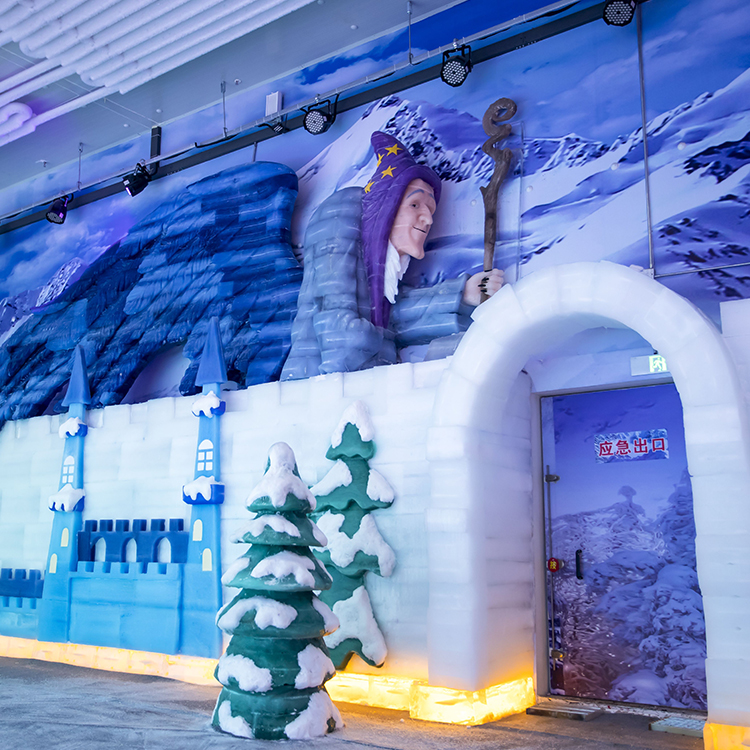
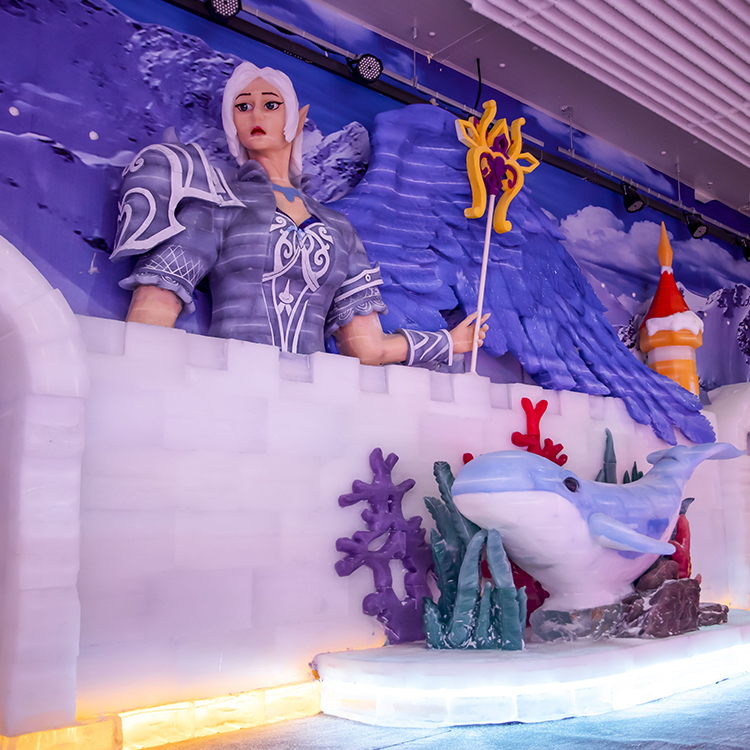
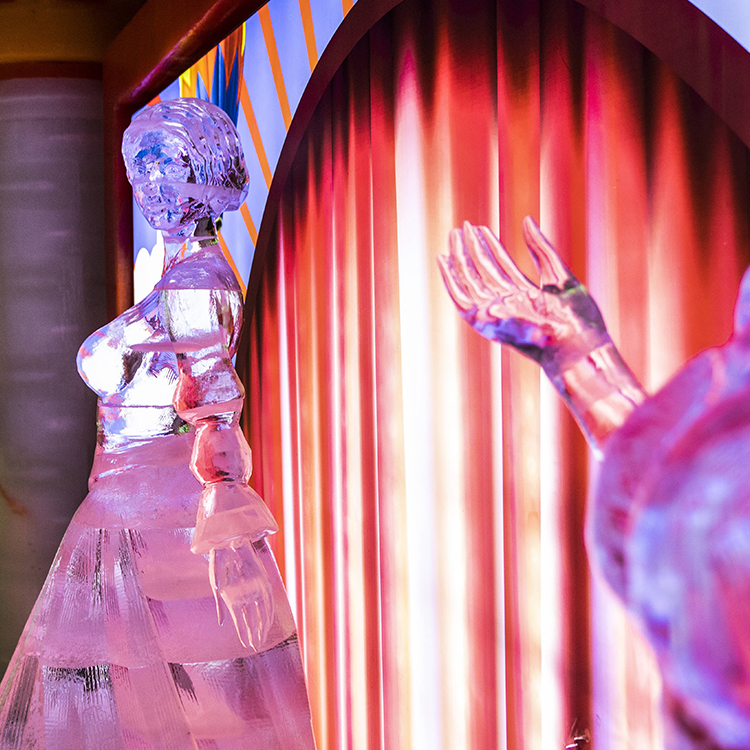
The third aesthetic principle of ice sculpture emphasizes the vividness and authenticity of the image. The images in ice sculptures should possess distinct personalities and expressive power, accurately conveying the intended message. When crafting the image, it is necessary to be familiar with the characteristics and details of the subject being carved, highlighting and portraying them to enhance the realism and vitality of the work.
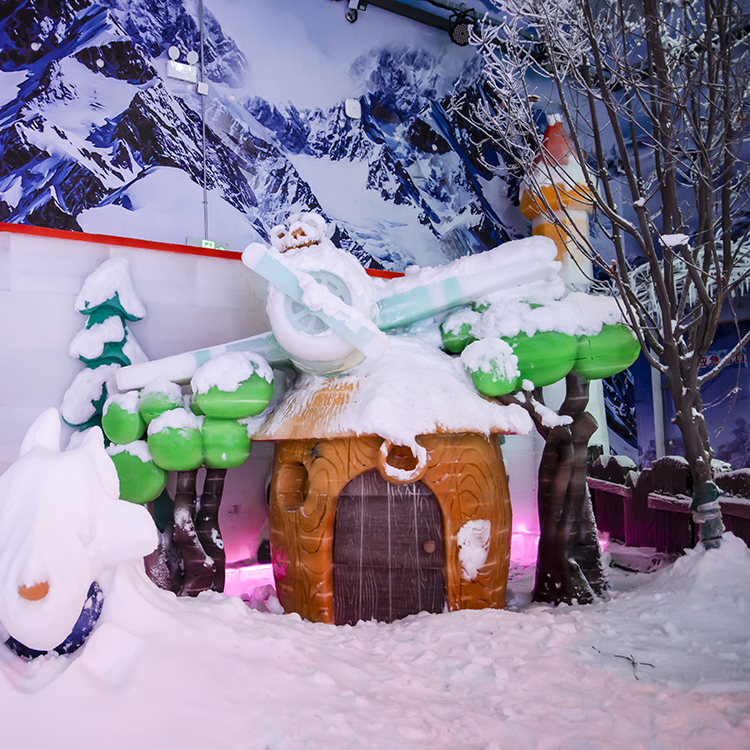
4. The fourth aesthetic principle of ice sculpture is the emphasis on detail and layering. The details of an ice sculpture determine its quality and观赏 value, thus requiring attention to the shaping and treatment of details during the creative process. Detail handling includes the portrayal of various textures, wrinkles, and fuzzes, as well as the depiction of color, light, and shadows. Layering can be achieved through the depth of carving and surface treatment, giving the work a sense of three-dimensionality and layering.
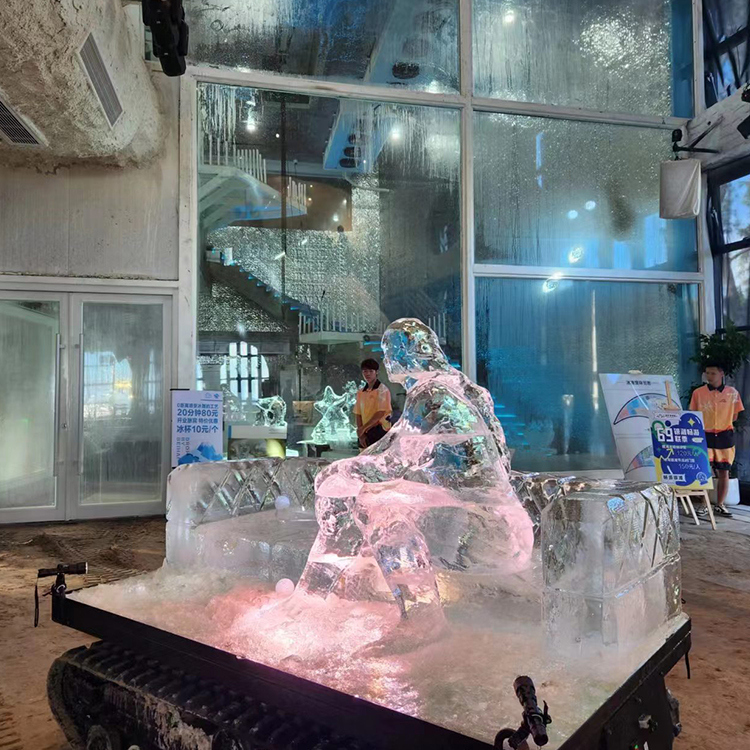
The fifth aesthetic principle of ice sculpture is to utilize the material characteristics of ice for creation. The material of ice sculptures determines their expression and effects, hence it is essential to skillfully employ the unique properties of ice. The transparency, light refraction, and reflection of ice materials can be used to convey light and texture effects, while the transparency and hardness of the ice can create a sense of space and three-dimensionality.
The above introduces common aesthetic principles and techniques in ice sculpture construction, hoping it will be helpful to you. As a unique art form, ice sculpture requires the exploration and practice of individual aesthetic views and creative experience during the actual creation process.


b2b.china9.net © Zhongshang 114 Hebei Network Technology Co., Ltd.Address: Room 6009, Oriental New World Center, No.118 East Zhongshan Road, Qiaoxi District, Shijiazhuang City, Hebei ProvincePlatform Service Hotline: 4006299930