



Electrical Engineer Certification Training Objective
To meet the needs of industrial informatization and intelligent application, through enhanced training, cultivate professionals in the fields of mechatronics equipment manufacturing and automated production line application. Capable of manufacturing, installation, debugging, and technical support for mechatronics equipment; able to operate, maintain, and repair automated production lines; capable of installing and maintaining inverters and PLC programmable controllers; upon graduation, able to meet the employment demands for electrical engineering and maintenance installation in large and medium-sized enterprises.
Electrical Engineering Theory Training
1. Production Basics; 2. Electric Shock Accidents and First-Aid on the Scene; Anti-electric Shock Techniques; 3. Electrical Fire Prevention and Explosion Prevention; Lightning and Static Electricity Prevention; 4. Basic Electrical Knowledge; Electrical Instruments and Measurements; Electrical Tools and Identification; 5. Electrical Tools and Portable Electrical Equipment; Low-Voltage Electrical Equipment; 6. Asynchronous Motors; 7. Electrical Circuits; Lighting Equipment; 8. Power Capacitors.

Electricians are categorized into five levels. Skills include: Electrician IC cards issued by the Electrician Bureau, which is considered a初级 level; those issued by the Human Resources Bureau include 初级 (Level 5), 中级 (Level 2), and 一级 (Level 1). The profession belongs to the technical grade, not the administrative grade, but it recognizes that the two have the same treatment, including salary, housing, etc., equivalent to Assistant, Level 2. Assistant (初级), Professorial Level, Researcher Level (equal to Professorial Level).
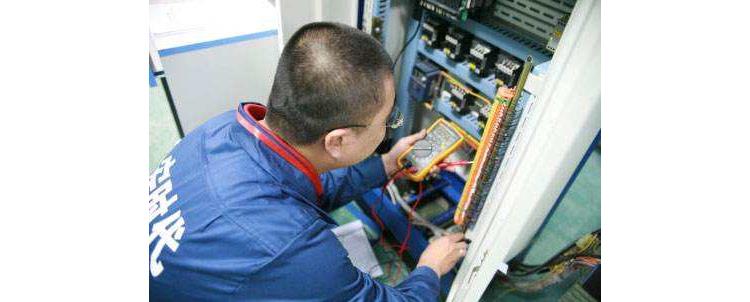
For beginners in electrical engineering, it's essential to start with basic electrical knowledge. It's recommended to purchase a basic electrical engineering book first. You can also watch some teaching videos on electrical engineering offered by universities online. Basic theories are crucial, and you need to understand various electrical control theories. Gaining a grasp of system theories within about a year is feasible. The key to electrical engineering is practical experience; get your hands dirty with theory in place. The prerequisite is that you must have a strong interest in electricity, as this will accelerate your progress. With the rapid development of electrical automation, equipment obsolescence and updates are also quick, so the skills you master may become obsolete tomorrow. Therefore, continuous learning is necessary. A solid English foundation is also required; otherwise, dealing with import equipment maintenance, programming, and using various software will be quite inconvenient in the future.
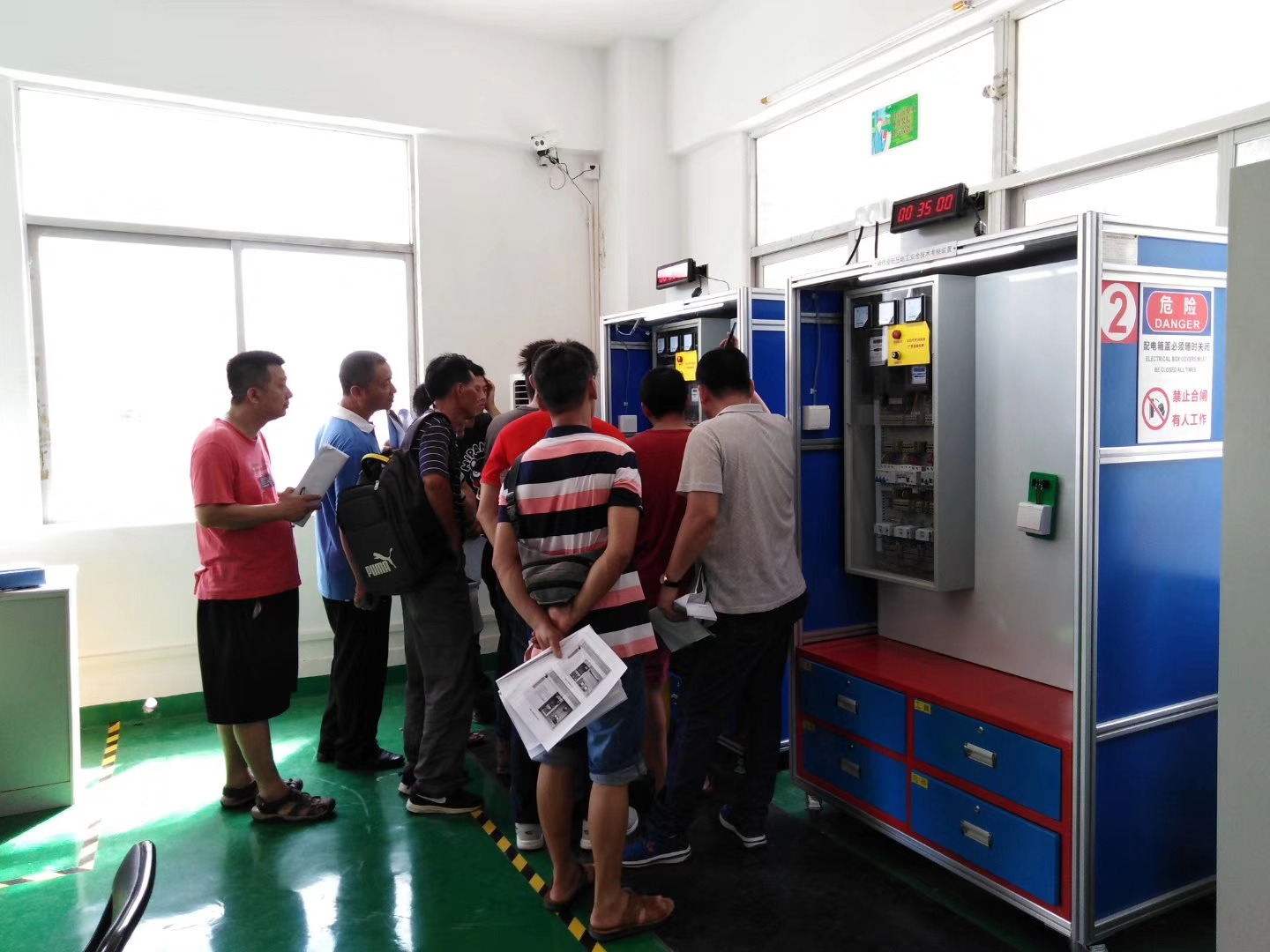
If you're new to the electrical industry, you'll need to take the electrician exam. The electrician license is now a basic requirement for entering the field, and anyone wanting to work as an electrician must have a license. This is a highly skilled job, so taking the license seriously is important. Currently, training and certification times vary by location, generally around three months. The course content varies, as does the final training duration, so please choose a training course that suits your needs based on the specific arrangements of the training program.
Our company steadfastly adheres to the entrepreneurial belief of "honest operation" and consistently upholds the corporate spirit of "united struggle, pragmatic innovation." Our spirit is "honesty, dedication, self-discipline, and transcendence"; our service tenet is "because of us, serving you."
