



Electrical work is a rewarding field, with distinctions between entry-level, intermediate, and senior electricians. If you're looking to get into electrical work, it's recommended to learn the following first!
1. Basic concepts and laws of circuits, as well as analysis of direct current resistive circuits
2. Familiarize with production-related laws and regulations; prevent accidents from occurring and causing unnecessary injuries or loss of life.
3. Knowledge of electricity. The dangers of electricity are quite significant, and accidents can occur if not careful.
4. Electrical fire prevention, lightning protection, and static control
5. Lighting equipment and installation
6. Electrical wiring installation
7. Familiarize with high-voltage electrical equipment.
8. Operation of power transformers, current transformers, substations, and power supply systems.
9. Low-voltage electrical equipment, power capacitors, electric motors, handheld electric tools
10. Review circuit diagrams, etc.
Electricians are divided into five levels. Skills include: the电工IC card issued by the Electrician Bureau, which is considered entry-level; the Human Resources Bureau issues entry-level (Level 5), intermediate (Level 2), and (Level 1). The profession belongs to the technical grade, not administrative, but recognizes that the benefits are the same, including salary, housing, etc., equivalent to Assistant, Level 2. Assistant (Entry-Level), Professorial, Researcher (equivalent to Professorial).
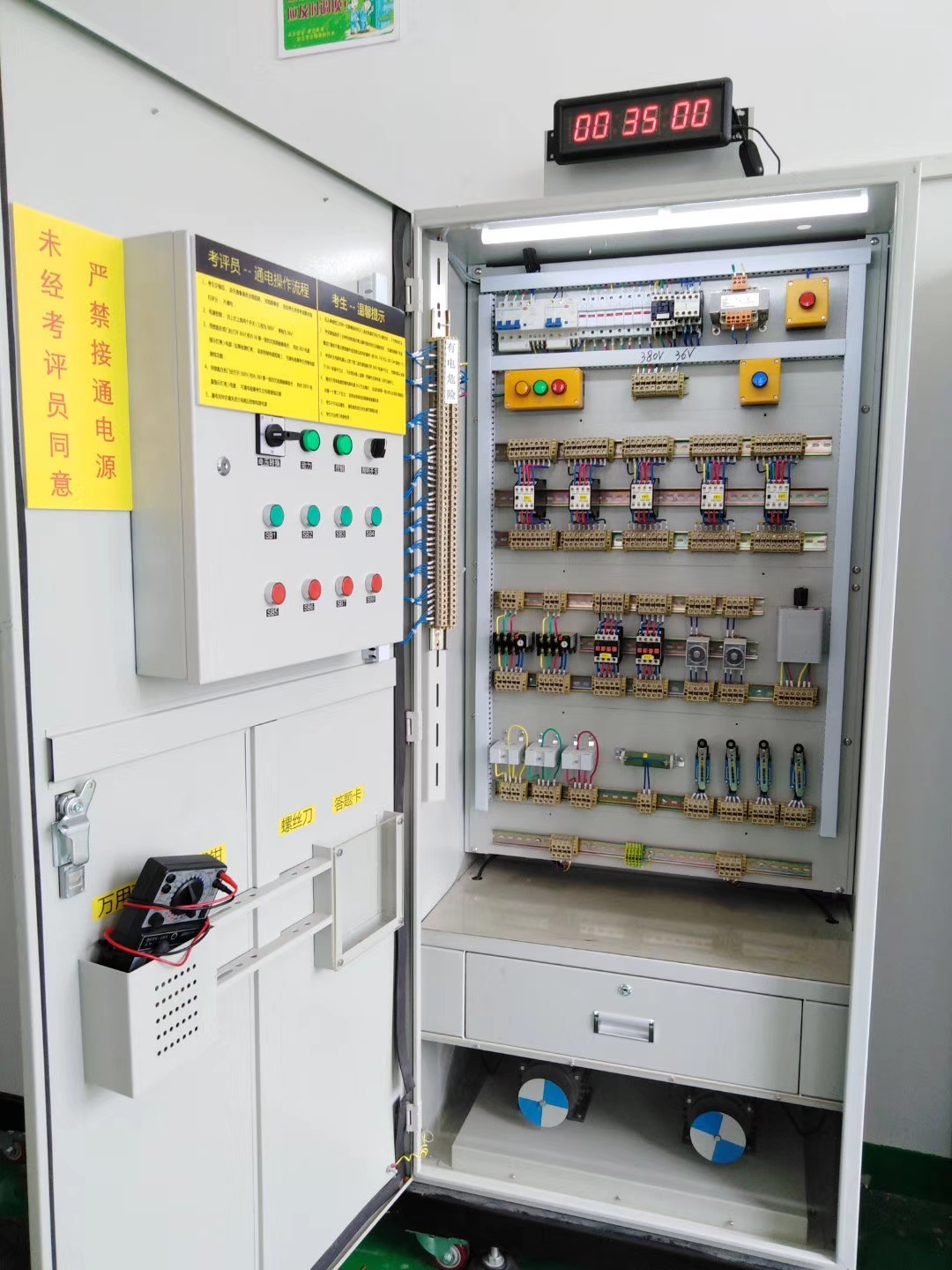
Electrical Engineering Theory Training
1. Production Basics; 2. Electric Shock Accidents and First-Aid on Scene; Anti-electric Shock Techniques; 3. Electrical Fire Prevention and Explosion Prevention; Lightning and Static Electricity Protection; 4. Basic Electrical Knowledge; Electrical Meters and Measurement; Electrical Tools and Identification; 5. Electrical Tools and Mobile Electrical Equipment; Low-Voltage Electrical Equipment; 6. Asynchronous Motors; 7. Electrical Wires; Lighting Equipment; 8. Power Capacitors.
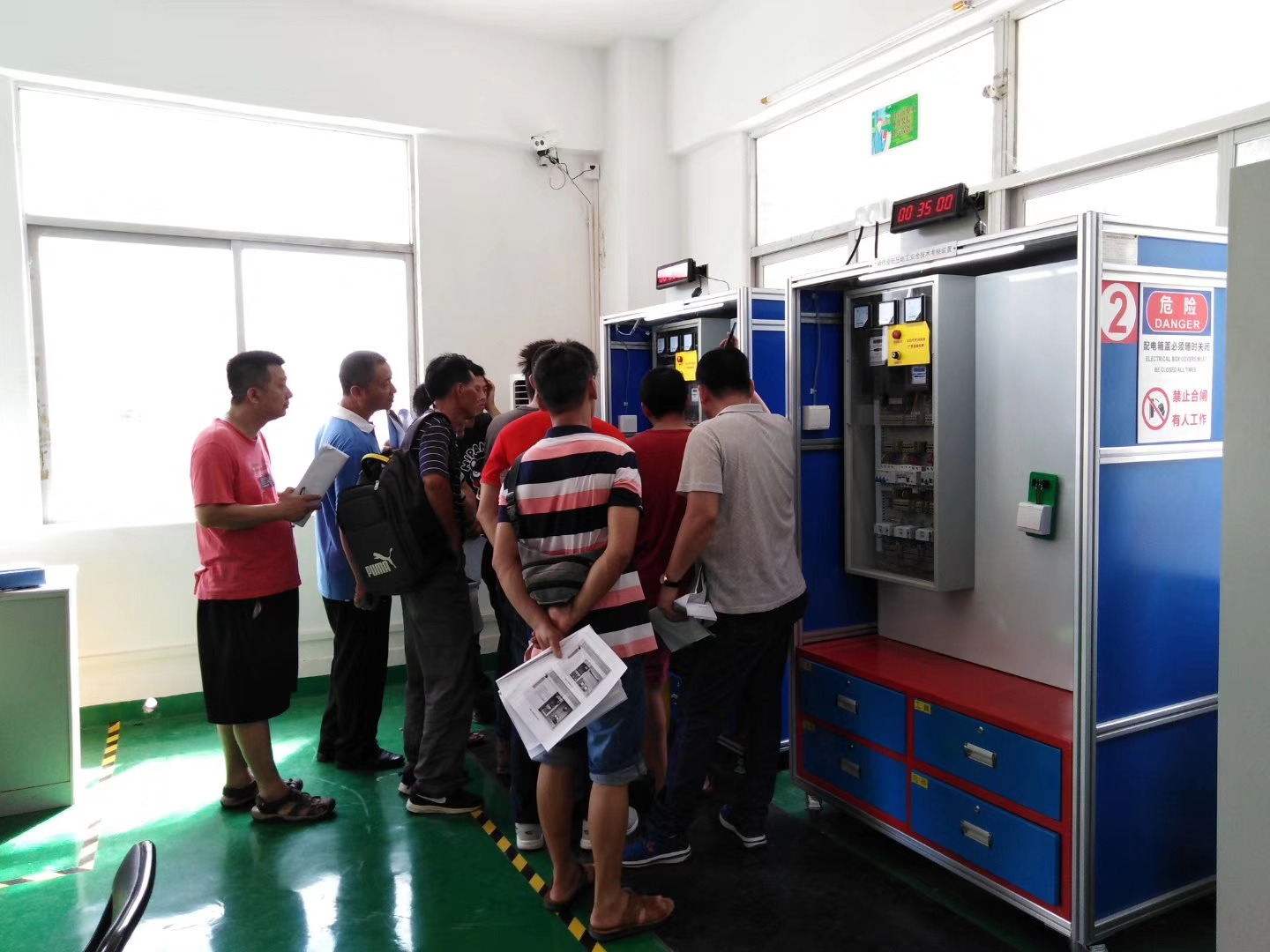
Electrical Practical Training
[Subject One] Tool Usage: 1. Electrical Instrument Use, 2. Electrical Tool Use, 3. Identification of Electrical Signage, 4. Selection and Use of Fire Extinguishers...
[Subject Two] Operating Techniques: 1. Single-phase motor continuous operation wiring (with momentary control), 2. Wiring and operation for three-phase asynchronous motor forward and reverse running, 3. Installation and wiring of single-phase energy meter with lighting, 4. Wiring of motor operation control circuit with fuse (circuit breaker, meter, current transformer), 5. Wire connection.
[Subject 3] On-site Work Hazard Elimination: 1. Identify risks and occupational hazards at the work site, 2. Based on actual work tasks, eliminate risks and occupational hazards at the work site.
Subject Four [Emergency Response at Worksite: 1. Emergency response to electric shock incidents; 2. Single-person manual cardiopulmonary resuscitation (CPR) operation.
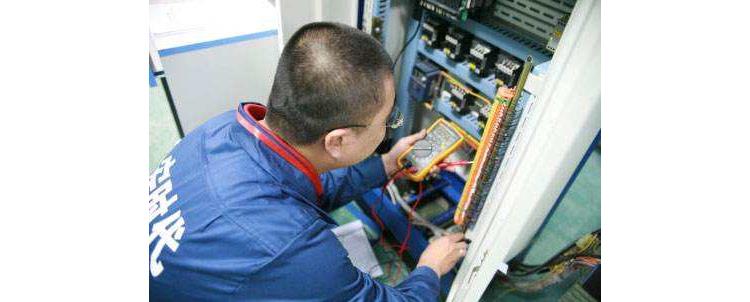
As a beginner in electrical engineering, it's crucial to start with fundamental electrical knowledge. It's recommended to purchase a basic electrical engineering book first. You can also watch some teaching videos on electrical engineering offered by universities online. Basic theories are essential; you need to understand various electrical control theories. It's feasible to master system theories within about a year. The key to electrical engineering is practice, so get your hands dirty with plenty of hands-on experience. The prerequisite is that you must have a strong passion for electricity, as this will accelerate your progress. The development of electrical automation is rapid, and equipment is replaced and updated quickly. The skills you learn might become obsolete tomorrow, so continuous learning is necessary. A strong foundation in English is a must; otherwise, dealing with maintenance, programming of imported equipment, and various software usage will be very inconvenient in the future.
Our company always adheres to the business philosophy of "Integrity, Mutual Assistance, Co-existence, and Win-win," establishing good cooperative relationships through our strength and outstanding quality. We sincerely hope to join hands with all our new and old customers to create a brighter future together!
