Specializing in filter presses, chemical pumps, fire pump...


Product Recommendation
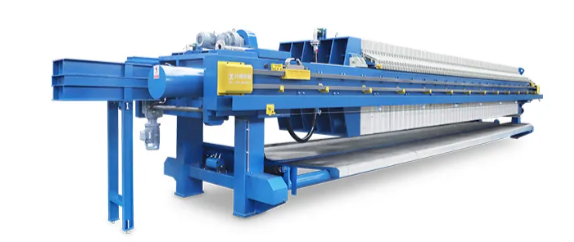
In various industrial sectors such as chemical, mining, environmental water treatment, and food processing, the selection of a press filter, as a core solid-liquid separation equipment, directly impacts production efficiency, operational costs, and the final separation outcome. An improper selection can lead to issues such as excessively high moisture content in filter cakes and slow filtration rates, as well as frequent equipment malfunctions and increased maintenance costs. Therefore, aligning with actual operational requirements and matching core performance parameters are crucial principles in the selection of press filters. This article will provide a comprehensive selection scheme for press filters from dimensions such as operational requirement analysis, equipment type matching, and core performance parameter consideration.
One, accurately analyze working condition requirements to lay the foundation for selection.
Operational requirements are the starting point for filter press selection. Analysis must be conducted across three core dimensions: material characteristics, processing volume requirements, and on-site installation conditions, to ensure that the selection aligns with actual production needs.
Material Characteristics: Core Selection Criteria
The physical and chemical properties of the material directly determine the selection of filter plate material, filter cloth type, and filtration pressure. First, attention must be paid to the particle size of the solid phase in the material. For materials with larger particle sizes, a filter cloth with larger pores can be chosen, paired with lower filtration pressure to achieve efficient separation; however, for fine-particle suspensions, the filter cloth pores are prone to clogging, necessitating the use of high-precision filter cloths, along with increased filtration pressure, and possibly the addition of filter aids to improve the filtration effect. Secondly, the corrosiveness of the material must be considered. For materials with strong acidity or alkalinity, filter plates made of highly corrosion-resistant materials such as polypropylene, stainless steel, or lined with rubber should be selected to avoid issues like leakage and deformation due to corrosion. Additionally, the temperature of the material should not be overlooked. High-temperature materials require heat-resistant filter cloths and plates to prevent aging, damage, and deformation of the filter cloth and failure of the filter plate.
2. Processing Requirement: Matching Equipment Specifications
The company needs to clearly define the material handling volume per unit time and the requirements for the filter cake moisture content. If the handling volume is large, it should opt for a pressure filter with a larger total filter chamber volume and more filter plates, or run multiple units in parallel. If strict requirements for the filter cake moisture content are needed, such as reducing the transportation cost of the filter cake or meeting environmental emission standards, a diaphragm pressure filter should be prioritized. Its secondary pressing function can significantly reduce the filter cake moisture content, which can be lowered by 5%-15% compared to a standard box-type pressure filter.
3. On-site Installation Conditions: A Precondition for Equipment Operation
The size of the space, power configuration, and material transportation distance all affect the selection and installation of equipment. For workshops with limited space, compact fully automatic filter presses can be chosen to reduce the occupied area; if the power capacity of the on-site power supply is limited, the motor power of the equipment should be calculated to avoid overloading the power supply; when the material transportation distance is long, a suitable feeding pump should be matched to ensure stable feeding pressure and meet the filtration requirements.
Match filter press types to fit production scenarios.
Common filter presses on the market include plate-and-frame, box type, and diaphragm types, each with distinct differences in structure, performance, and applicable scenarios. Companies should select the appropriate type based on their specific operational requirements.
Frame press filter
The plate-and-frame press filter is a traditional type of filter press, consisting of filter chambers made up of alternately arranged filter plates and frames, with filter cloth covering the surfaces. Its advantages include a simple structure, low manufacturing costs, and flexible adjustment of filter cake thickness, making it suitable for applications with larger particle sizes, moderate throughput, and low requirements for filter cake moisture content, such as tailings treatment in mining and ceramic raw material filtration. However, this type of equipment has a relatively low degree of automation, with poor sealing performance of the filter plates and frames, prone to material leakage issues, and the unloading process is mostly manual, resulting in low efficiency.
2. Box Type Press Filter
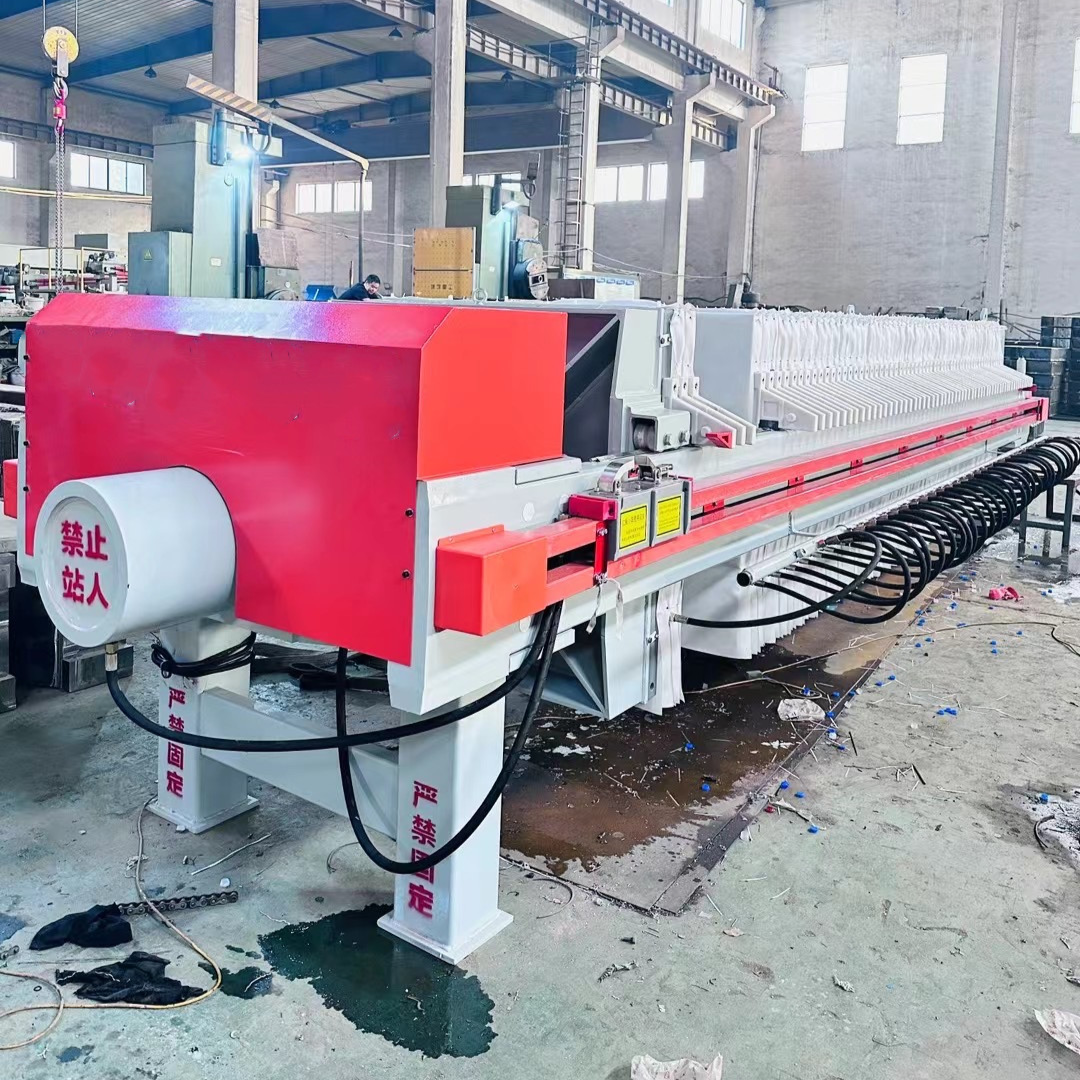
The filter chamber of the box filter press is composed of adjacent filter plate grooves, with filter cloth covering both sides of the plates, offering superior sealing performance compared to plate and frame filter presses. It boasts high filtration efficiency, even filter cake thickness, and can be operated semi-automatically or fully automatically, making it suitable for scenarios with high requirements for filtration accuracy and sealing, such as chemical engineering, food processing, and wastewater treatment. Compared to plate and frame filter presses, the box filter press features a more stable filter plate structure, is less prone to damage, and has lower maintenance costs, making it the most widely used type of filter press currently.
3. Diaphragm Press Filter
The Diaphragm Press Filter is an evolution of the Chamber Filter Press, featuring an elastic diaphragm added to the filter plate surface. After the feeding and filtering process, by introducing high-pressure gas or liquid into the diaphragm, it can be expanded to perform a secondary pressing on the filter cake inside the filter chamber, significantly reducing the moisture content of the filter cake. This equipment is suitable for scenarios with strict requirements for filter cake moisture content, such as sludge treatment in the environmental protection industry and fine material filtering in the chemical industry. Although the procurement and operational costs of the equipment are relatively high, it can effectively reduce the transportation costs of the filter cake, enhance the utilization rate of material resources, and in the long run, offers a higher cost-performance ratio.
Considering core performance parameters to optimize equipment operation efficiency
After determining the type of pressure filter, it's essential to carefully consider the core performance parameters of the equipment to ensure its operational efficiency and stability.
Filtering Area & Filter Chamber Volume
The filter area directly determines the equipment's filtration speed; the larger the filter area, the greater the filtration volume per unit time. The filter chamber volume determines the yield of filter cake per filtration, and it is necessary to choose appropriate parameters based on the treatment volume requirements. Generally, the filter area and filter chamber volume should be matched according to the material concentration and particle characteristics to avoid situations where "a strong horse is harnessed to a light cart" or "a weak horse is harnessed to a heavy cart," leading to energy waste or insufficient filtration efficiency.
2. Filtration Pressure & Pressing Pressure
Filter pressure is the force propelling material through the filter cloth. Insufficient pressure leads to slow filtration rates and high moisture content in the filter cake, whereas excessive pressure may damage the filter plates and cloth, increasing the likelihood of equipment malfunctions. The appropriate filter pressure must be selected based on the material characteristics, typically requiring higher pressure for fine-grained and high-viscosity materials. For diaphragm press filter machines, the squeezing pressure is also a critical parameter; the squeezing pressure must be higher than the filtration pressure to achieve optimal dewatering results.
3. Degree of Automation
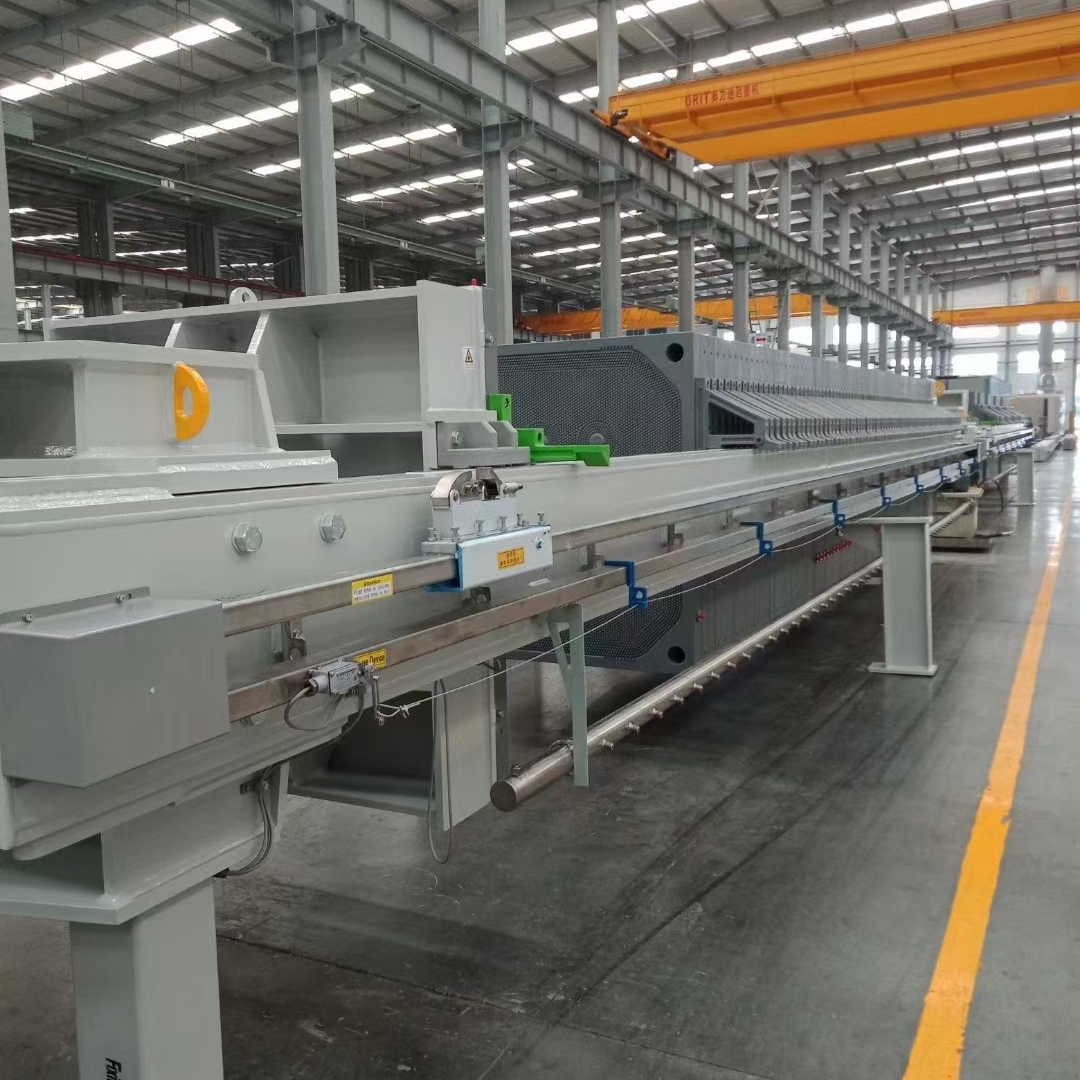
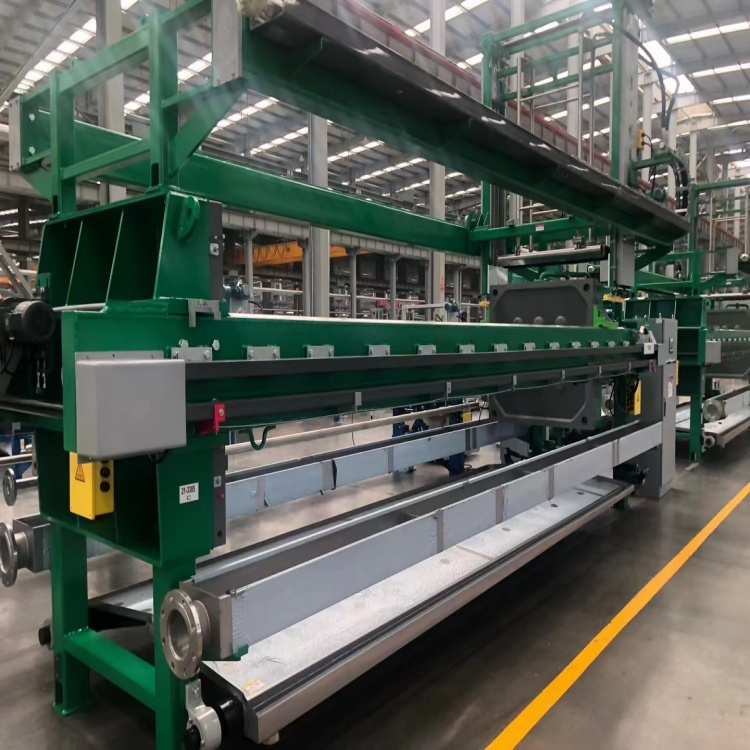
Filter press automation is categorized into three levels: manual, semi-automatic, and fully automatic. Manual filter presses require manual operations such as plate clamping, feeding, and cake unloading, suitable for small workshops or low-volume processing. Semi-automatic filter presses can achieve automatic plate clamping and release, with cake unloading still needing manual assistance, balancing cost and efficiency. Fully automatic filter presses, controlled by a PLC system, automate the entire process including plate clamping, feeding, squeezing, cake unloading, and filter cloth cleaning, reducing human intervention and enhancing production efficiency, ideal for large-scale industrial production.
Additional Selection Considerations
In addition to the aforementioned core dimensions, companies must also pay attention to the after-sales service for equipment and the availability of spare parts. High-quality after-sales service can promptly address malfunctions during equipment operation, reducing downtime; an adequate supply of spare parts, such as filter cloths, filter plates, and hydraulic components, can lower the cost and duration of subsequent maintenance. At the same time, consider the energy consumption of the equipment, opting for energy-efficient motors and hydraulic systems to lower long-term operating costs.
In summary, selecting a filter press is not a simple matter of matching equipment specifications; it's a systematic engineering process that combines material characteristics, processing capacity requirements, and on-site conditions. Only by starting from the actual operating conditions and systematically filtering through equipment types and performance parameters can the most suitable filter press be chosen, achieving a dual enhancement of production efficiency and economic benefits.


b2b.china9.net © Zhongshang 114 Hebei Network Technology Co., Ltd.Address: Room 6009, Oriental New World Center, No.118 East Zhongshan Road, Qiaoxi District, Shijiazhuang City, Hebei ProvincePlatform Service Hotline: 4006299930