



- AllProduct Category
-
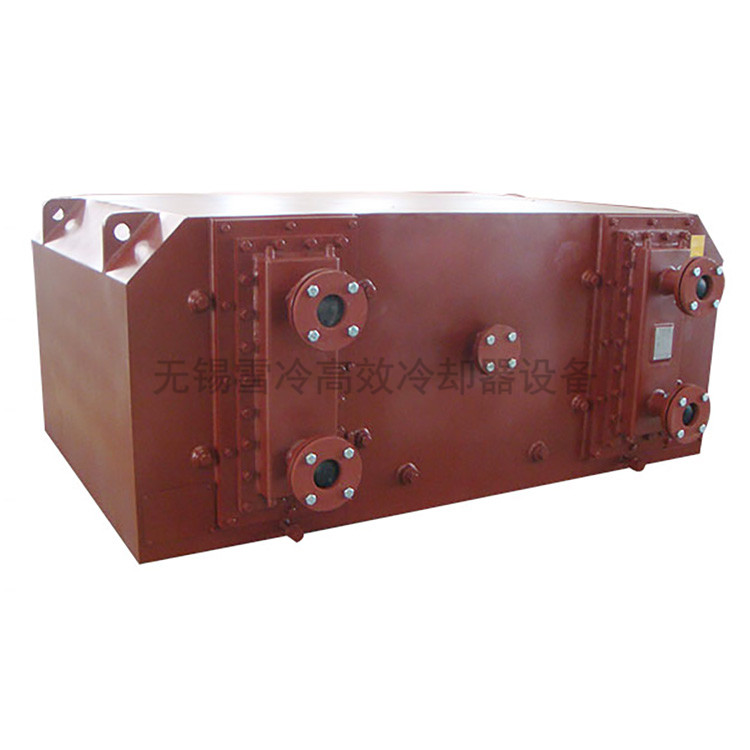
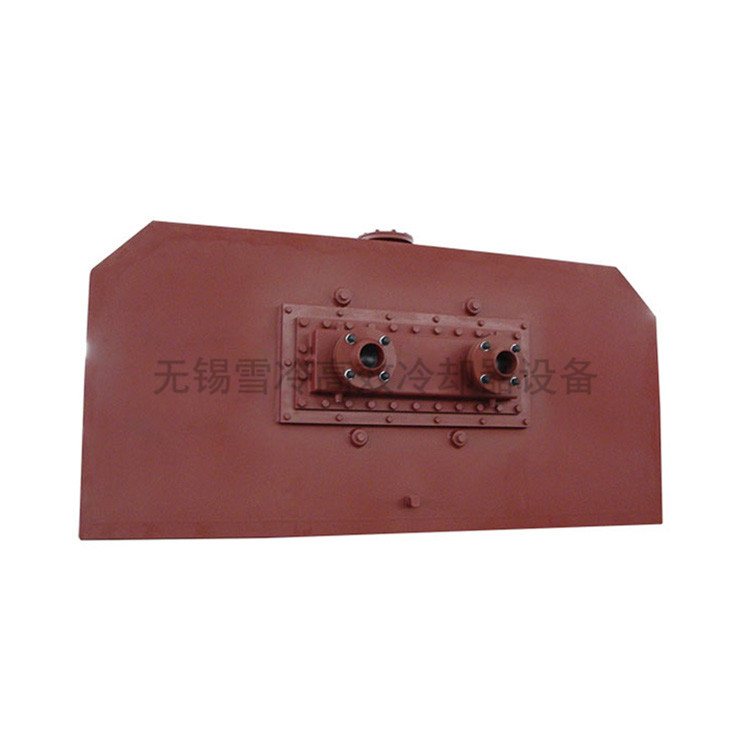
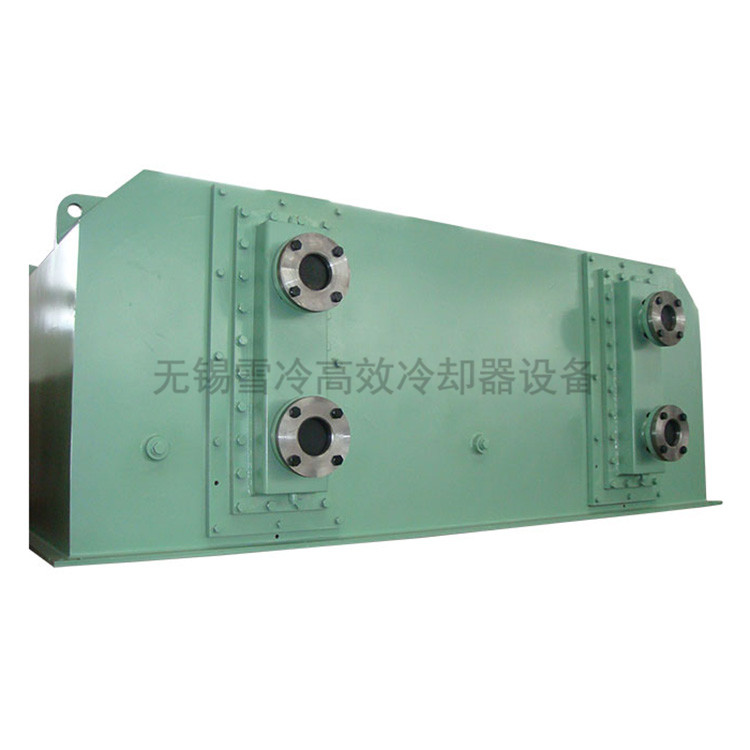
Backpack Air-Water Chiller
Backpack Air-to-Air Cooler
Wind Turbine Coolers
Air-Water Cooler Core





详情描述
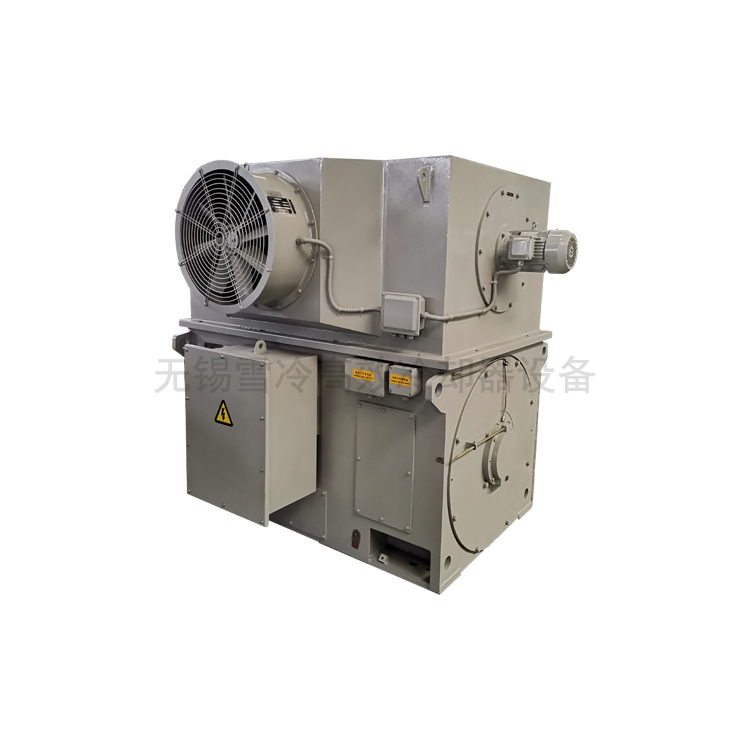
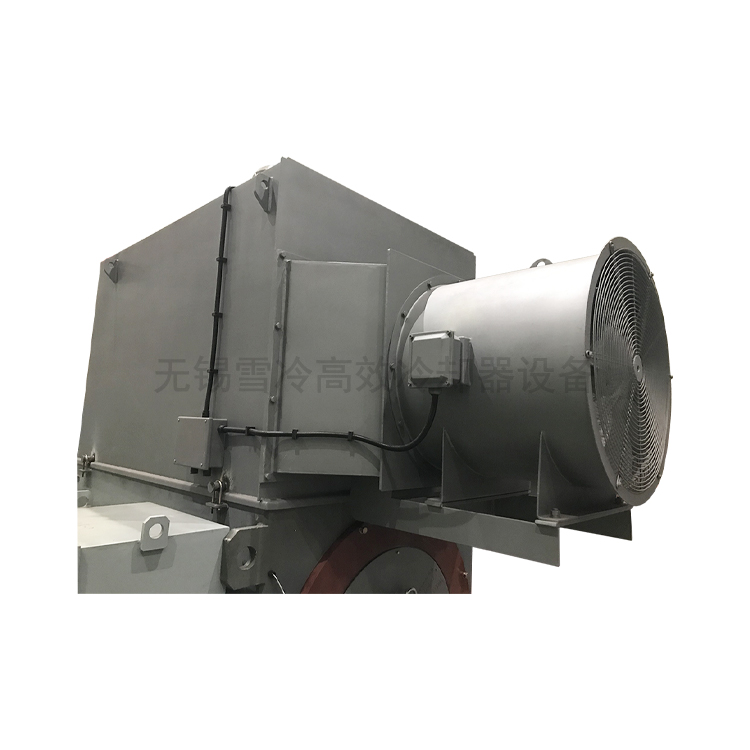
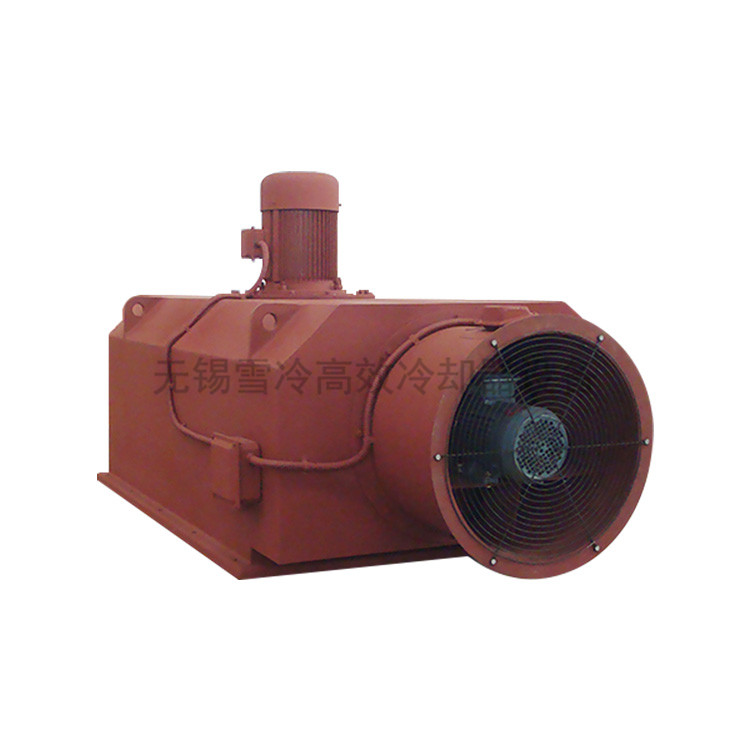
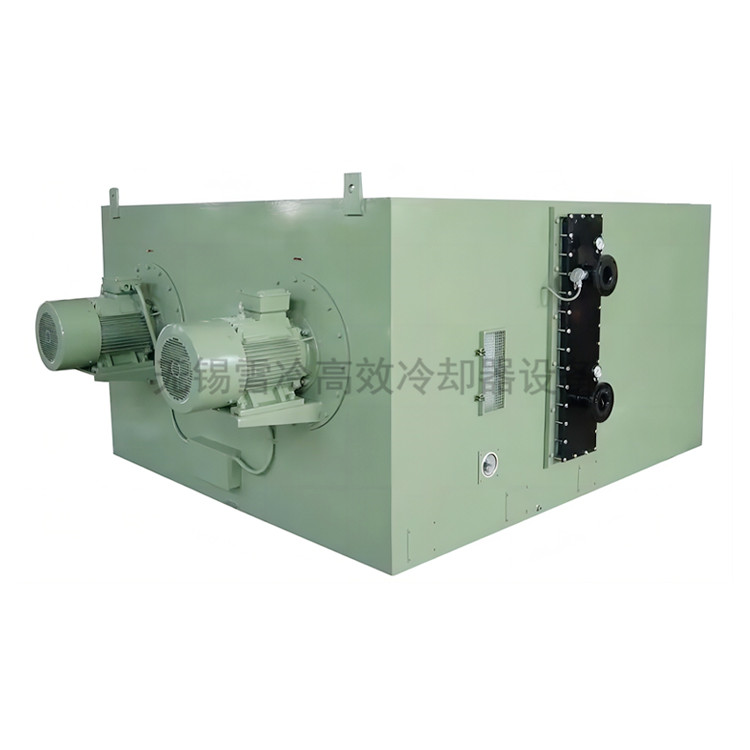
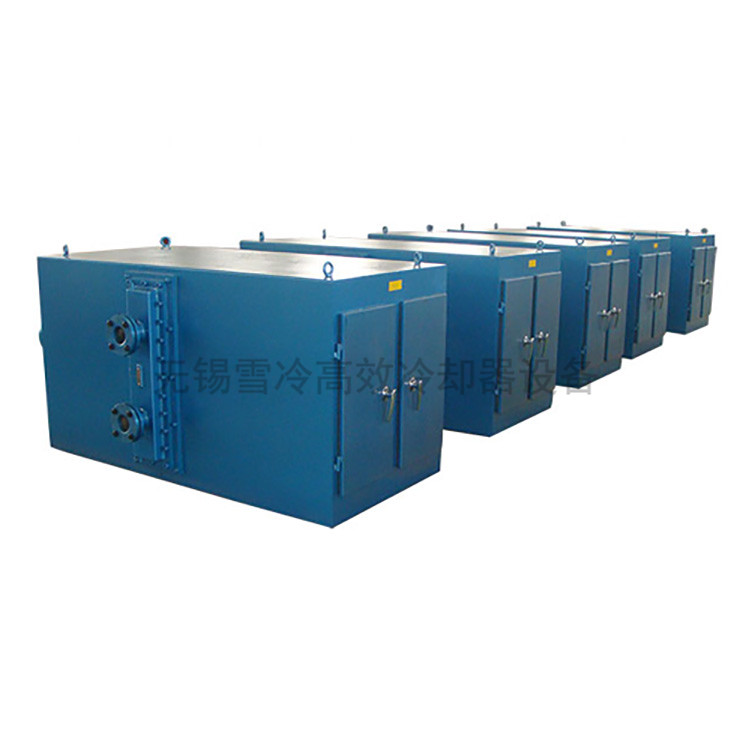
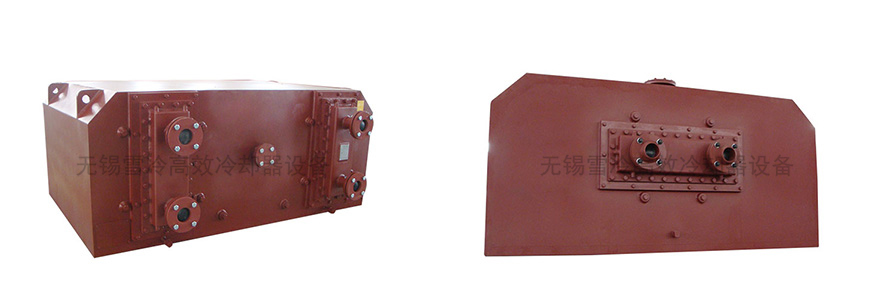
Communication Motor Air-Water Cooling Unit
Product Introduction
Air-water cooler is a specially selected cooling equipment for various motor industries, featuring large heat dissipation area, high heat exchange efficiency, and low air flow resistance.
Working Principle
Large motors typically use closed-loop ventilation. The heat generated by the motor is carried away by cooling water, which is then cooled in a cooler to lower the air temperature below the specified value. Afterward, the cooled air enters the motor again to continue removing heat, thereby forming a cyclic cooling process to maintain the motor temperature within the specified range.
Structure and Process Hotspots
The air-water cooler is assembled from tube plates, side plates, cooling tubes, and fins. After assembly, it is sealed using mechanical expansion, ensuring a tight fit with minimal thermal resistance for excellent heat transfer performance.
The fin tips are intentionally shaped into a sawtooth pattern in the intake direction, creating an initial turbulent wave pattern, causing the gas to be in a turbulent state as soon as it enters the fins. This enhances the initial heat exchange. The annular guide holes on the fin surface and the bridge-like gaps between the tubes serve to disrupt the gas boundary layer, reduce thermal resistance, and thereby improve heat exchange efficiency. The bridge-like gaps around the tube openings also act as a guide, ensuring thorough contact between the gas and the fins, eliminating the heat exchange dead zone on the side opposite the airflow for the circular tube. Additionally, the bridge-like gaps between the tubes eliminate local laminar flow between the tubes, further enhancing heat exchange.
Scientific production process
Manufactured using expansion technology, the main equipment includes fin stamping kits, complete sets for internal and external expansion. It eliminates the traditional welding of fins to the cooling tubes, instead using expansion methods. The tubes are expanded as a whole with an internal expander, causing plastic deformation and forming a certain amount of interference fit for tight contact. Reliable external expansion equipment is also used to connect the cooling tubes to the tube sheet, effectively preventing water leakage.
询价单


