
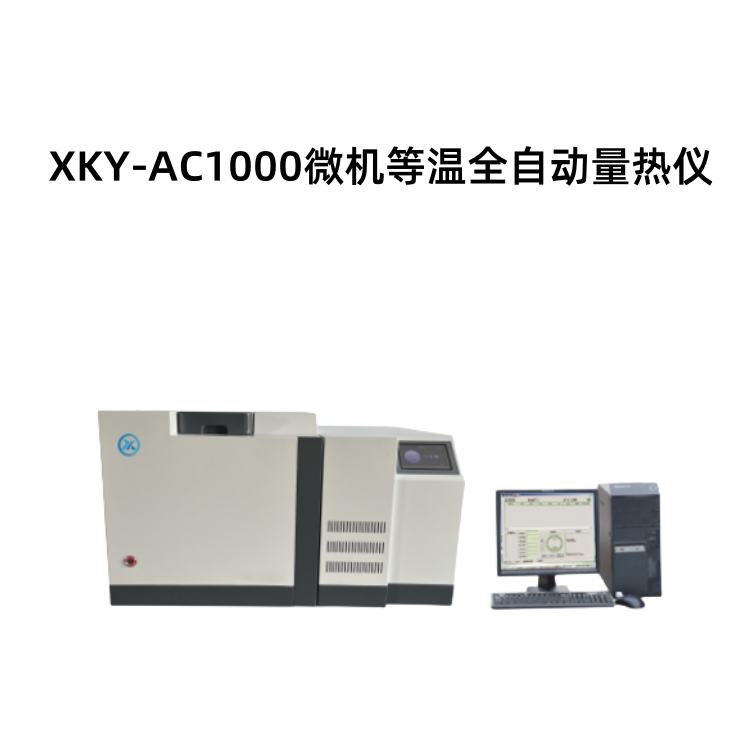
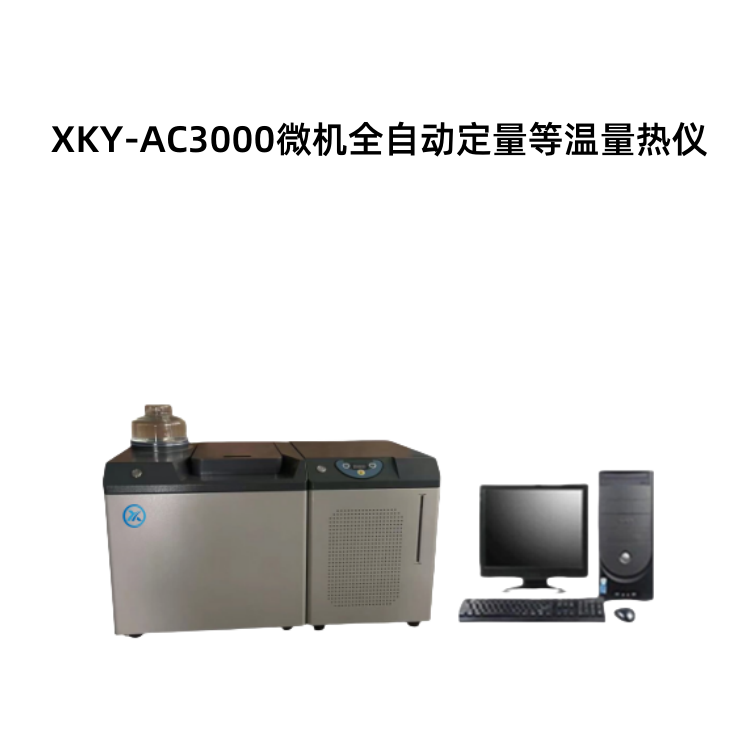
 XKY-AC1000 Microcomputer Isothermal Automatic Calorimeter
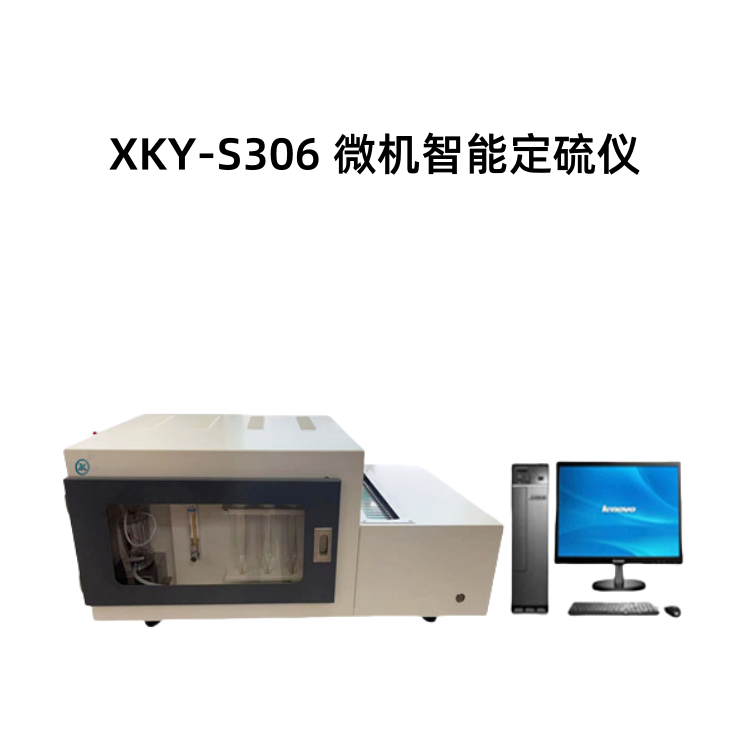 XKY-S306 Intelligent Sulfur Determination Instrument
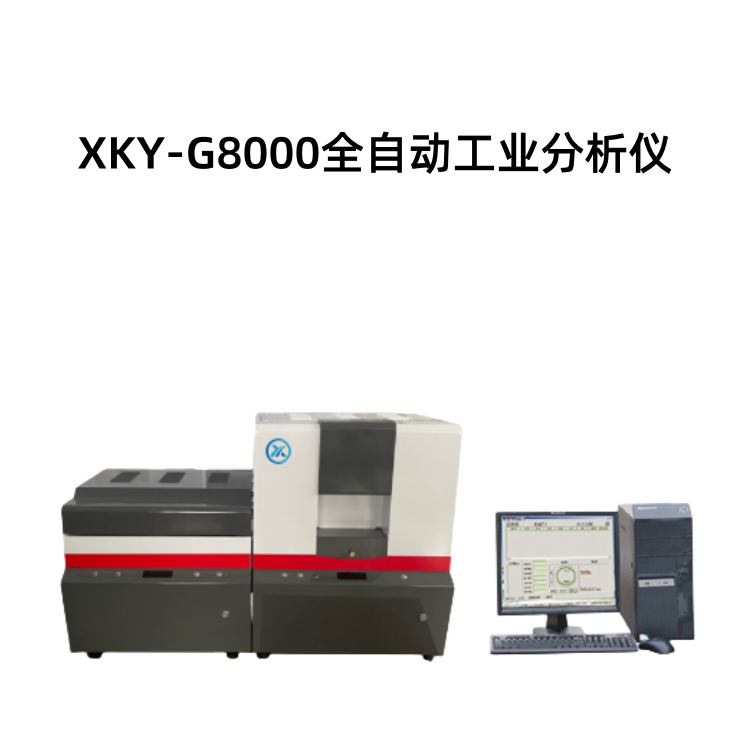 XKY-G8000 Fully Automatic Industrial Analyzer
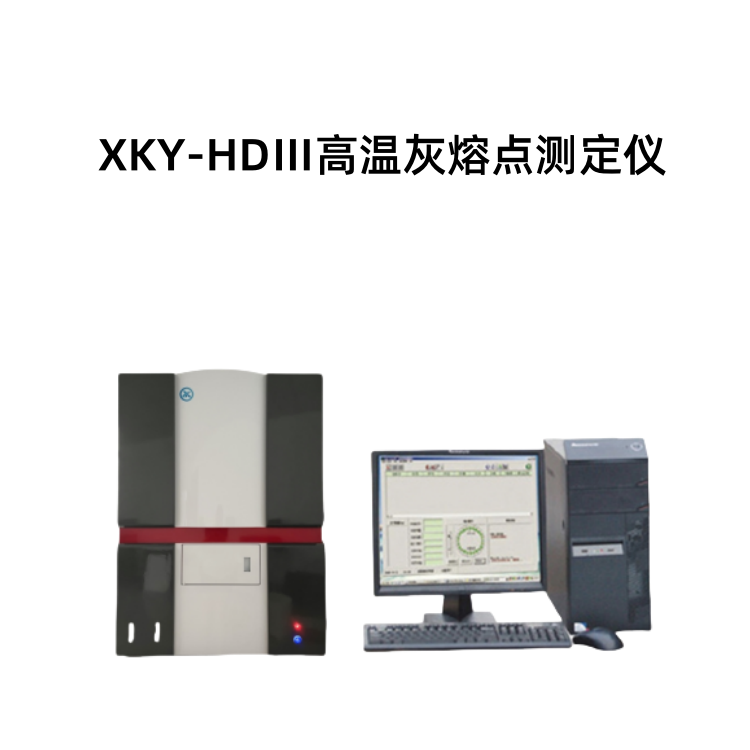 XKY-HDⅢ Microcomputer Grey Melting Point Determinator
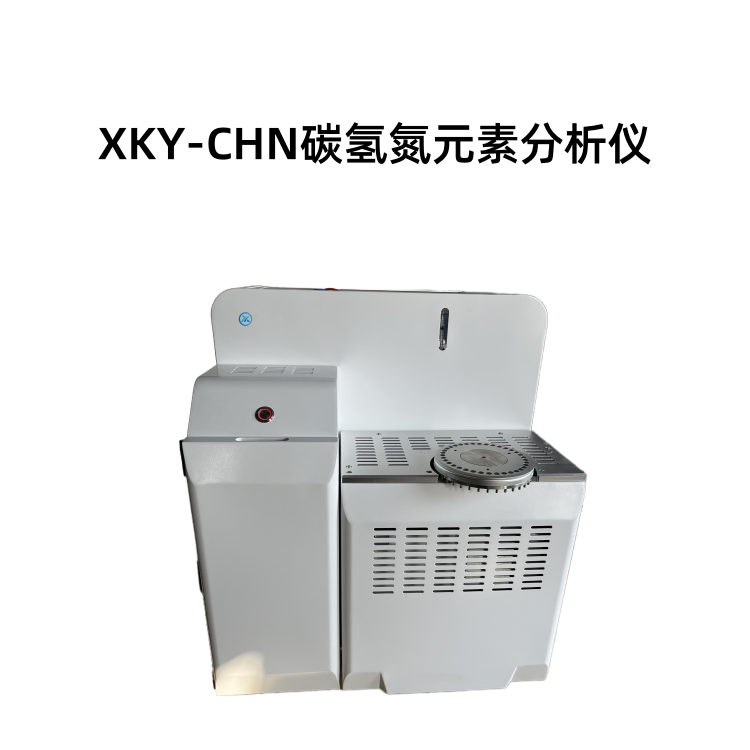 XKY-CHN Hydrocarbon Nitrogen Element Analyzer
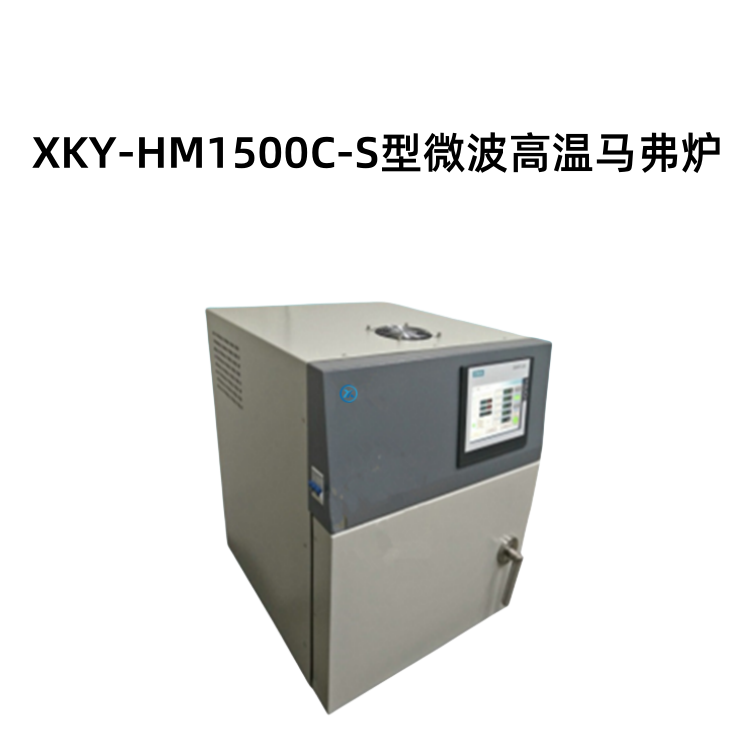 XKY-HM1500C-S Type Microwave High Temperature Muffle Furnace
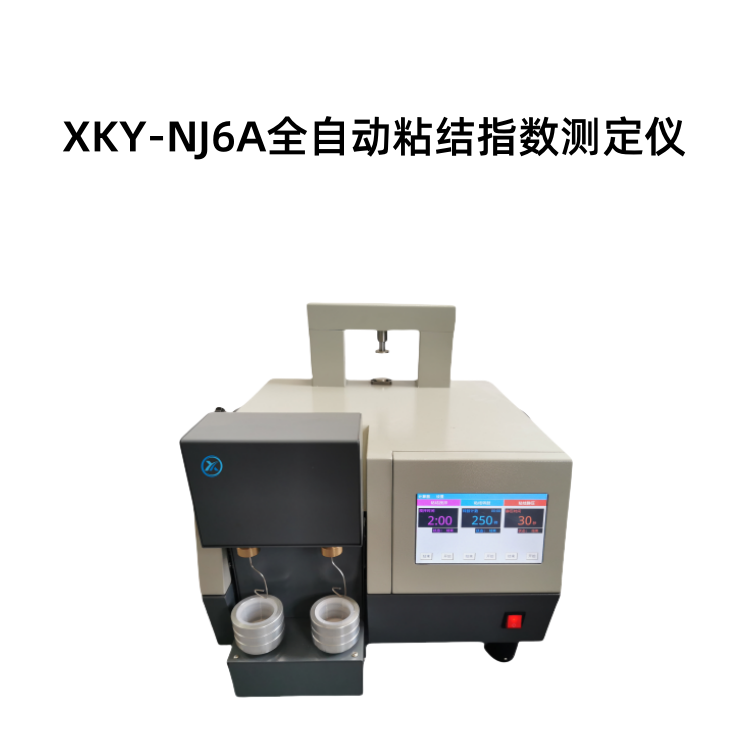 XKY-NJ6A Automatic Bond Index Tester
Product Details

We specialize in calorimeters, sulfur analyzers, muffle furnaces, moisture me...




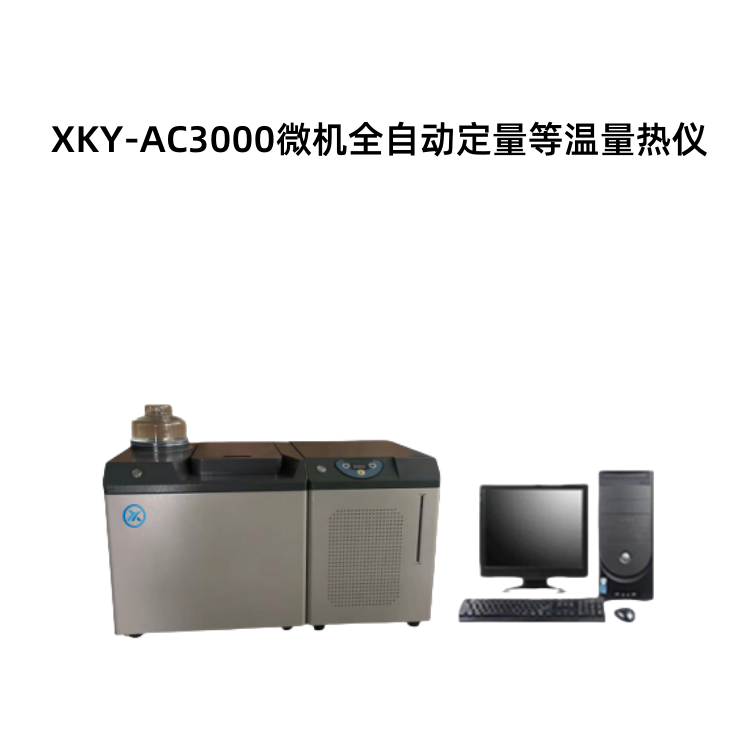
产品Price Negotiable
最小起订Quantity:1 Tai 供货总Quantity: 300 Tai


Application Scope Applicable for measuring the calorific value of solid or liquid combustible materials such as coal, oil, biomass fuel, waste fuel, cement raw materials, grain, feed, etc., in industries or departments like power, coal, metallurgy, petrochemical, coal chemical, cement, papermaking, geological exploration, agriculture, and education. Meets standards GB/T213-2008 "Method for Determination of Calorific Value of Coal" GB/T384-1981 "Method for Determination of Calorific Value of Petroleum Products" GB/T30727-2014 "Method for Determining Calorific Value of Solid Biomass Fuels" JC/T1005-2006 "Method for Determining Heat of Hydration of Clinker" ASTM D5865-2007 Standard Test Method for Total Calorific Value of Coal and Coke GB/T 14402-2007 "Determination of Combustion Performance and Calorific Value of Building Materials and Products" GB/T 30991-2014 General Technical Conditions for Intelligent Oxygen Bomb Calorimeter JJG 672-2018 "Oxygen Bomb Calorimeter Verification Procedure" ASTM D5865-13 "Method for Determination of Calorific Value of Coal and Coke" CEN/TS 14918 "Methods for Determining the Calorific Value of Solid Biofuels" BS EN 15400-2011 "Solid Recovered Fuel - Heat Value Testing" IS: 1350-1970 "Methods of Determination for Coal and Coke" GJB 5891.29-2006 "Test Methods for Pyrotechnic Agents" Part 29: "Constant Temperature Method for Determination of Combustion Heat and Explosive Heat" Quality Assurance ISO 9001:2008 Quality Management System Certification Requirements of ISO 1928-2009 "Solid mineral fuels – Determination of gross calorific value and calculation of net calorific value using an oxygen-combustion calorimeter." Performance Features 1. Flexible placement options: The instrument consists of a main controller and a temperature controller, which can either be placed flat on the lab table or the temperature controller can be set below the lab table. 2. Consistent Water Volume: The instrument employs a stable and reliable measuring cup for precise volume measurement, ensuring long-term stability of the water volume. 3. Simplified Waterway: The instrument utilizes three pumps and three valves overall, significantly streamlining the waterway compared to traditional instruments. The waterway is reliable, and the components are easy to repair. 4. Constant Water Temperature: A cold water machine controller has been added, allowing for real-time display and adjustment of the water tank's temperature. 5. Waterway Filtration: An additional filter is added to the inner cylinder to ensure that impurities (such as ignition wires) in the inner cylinder do not damage the waterway pump valves. 6. Visual Level Indicator: Convenient for monitoring water-filling progress and timely refilling the instrument with water after long-term experiments. 7. Lockable Drum Cap: Provides experimental safety and reliability, with a tight-sealed drum cap to prevent external air currents from affecting the upper part of the inner drum. 8. Diverse Test Modes: The instrument features both conventional and rapid testing modes, catering to the needs of different customer groups. 9. Consistent inner cylinder environment: Lid with water, outer cylinder with ample water, no residual water in the inner cylinder water pipe, ensuring a stable and reliable experimental environment around the inner cylinder. 10. Unique experimental process: Determine the temperature difference range between the inner and outer cylinders before ignition, clean the inner cylinder and oxygen bomb after the experiment to ensure stability and consistency of the experimental environment, and promptly remove the residual heat after the experiment to prevent interference with the next experiment. 11. Standard Method: Based on the classic Rui formula, combined with the experimental process and structure of the instrument, we have explored a simplified classic experimental method – the Standard Method. A large number of experiments have proven that the Standard Method is equivalent to the original classic method. This experimental method can withstand environmental temperature fluctuations of about 5℃. 12. Rapid Method: Based on the reversibility of the heat capacity and heat output process, the rapid method is proposed, with an experimental cycle of 10-12 minutes. It can withstand temperature fluctuations of about 4℃. Technical Specifications Temperature Resolution: 0.0001℃ 2. Test Cycle: ≤15 minutes (Standard Method), ≤10 minutes (Rapid Method) 3. Constant temperature accuracy of outer cylinder water in a single experiment: 0.08℃ 4. Long-term experimental system water temperature constant accuracy: 1℃ 5. Sample Weight: Determine the sample weight based on its heat output range; coal samples commonly use 1g. 6. Precision: RSD ≤ 0.1% 7. Accuracy: Test results are within the allowable range of the standard sample 8. Caloric Value Range: 15000 J/g to 35000 J/g (3500 Cal/g to 85000 Cal/g) 9. Calorimetric Fluctuation: ≤0.2% within one year 10. Power: 220V ± 30V, 50Hz/60Hz 11. Dimension: Main Controller (L×W×H): 540mm×530mm×600mm Thermostat (L×W×H): 270mm×530mm×500mm 12. Weight: Main Controller 40kg, Temperature Controller 35kg 13. Power: Computer < 300W, Calorimeter Main Unit < 200W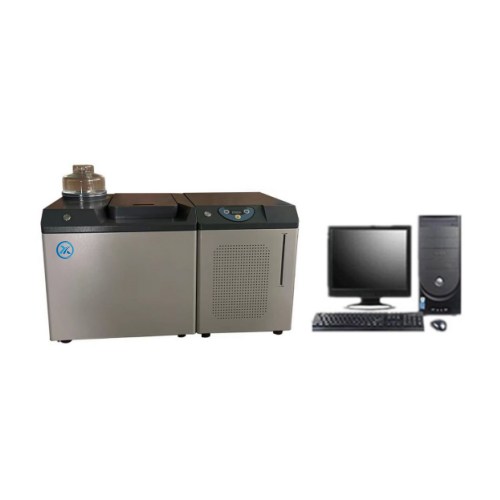

Phone Consultation
QQ Service