



- AllProduct Category
-
High Pressure
Reclosing Device
Convergence Box
Convergence Box
Electrical Distribution Box
Circuit Breaker
Low-Pressure Electrical Appliances
Grid-connected box
Grid-Connected Cabinet
Electric Charging Station
Circuit Breaker
Flow Limiter Protection Device
Photovoltaic Quadrant Device
Photovoltaic Switch
Anti-Islanding Device




详情描述
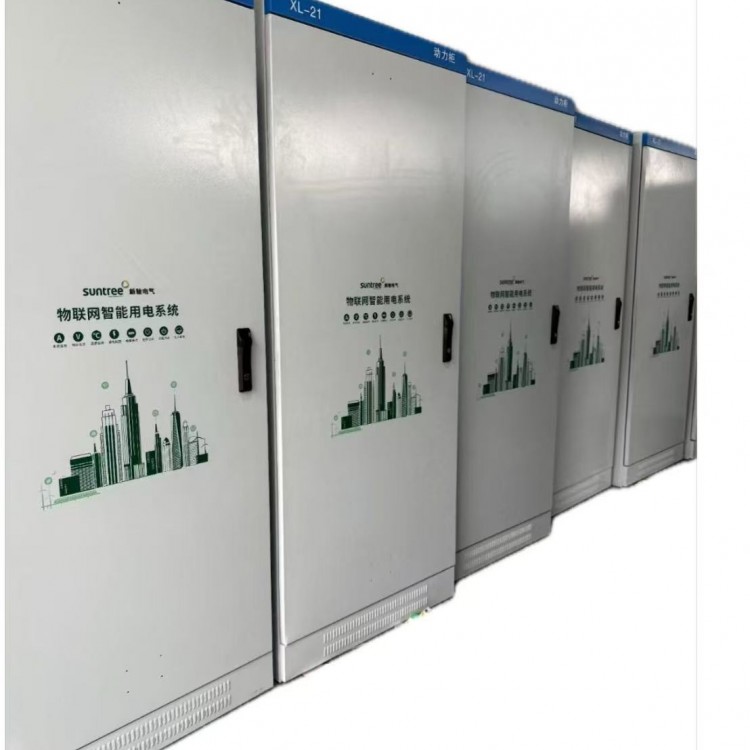
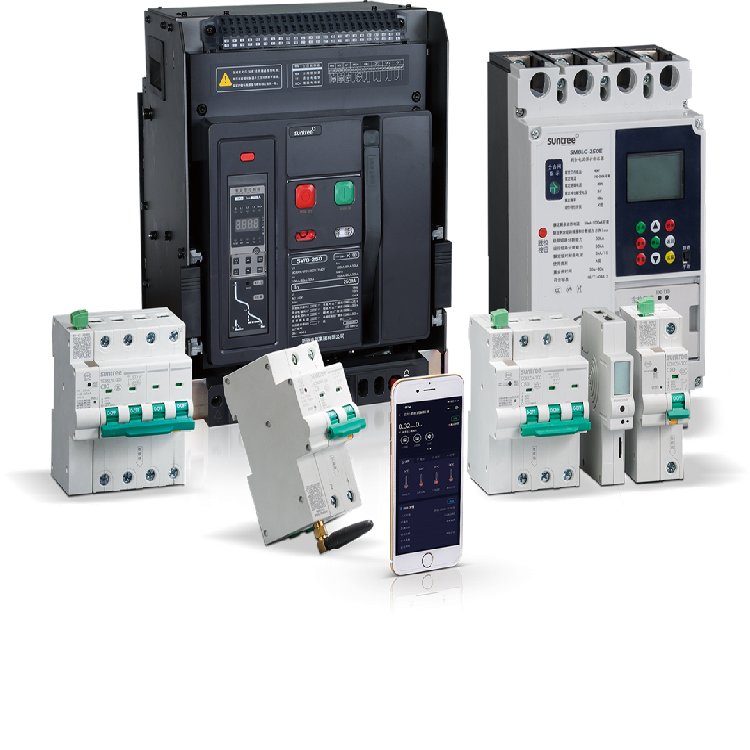
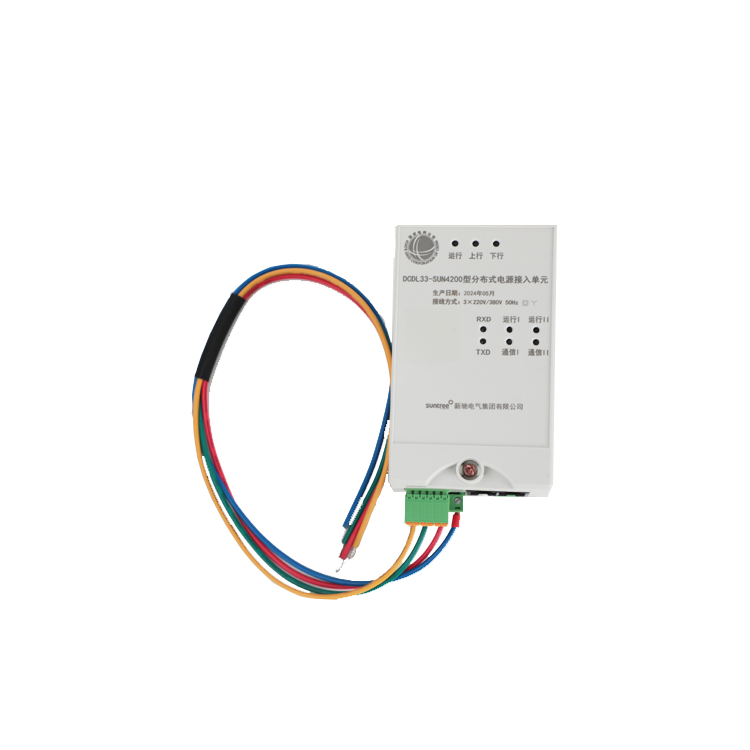
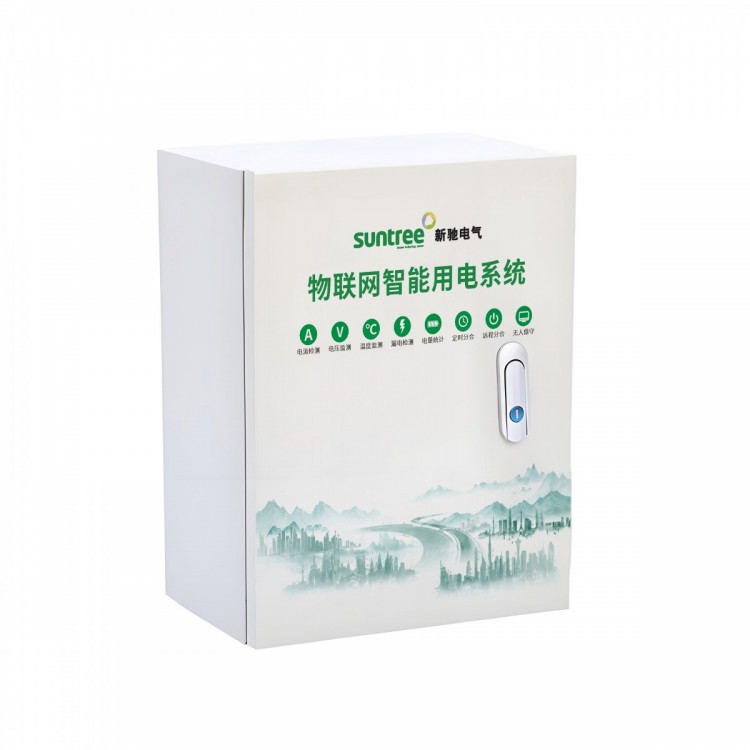
The Internet of Things (IoT) Smart Distribution Box is an intelligent management system that deeply integrates traditional distribution equipment with IoT technology. It significantly enhances the safety, efficiency, and manageability of power distribution through real-time monitoring, data analysis, and remote control. Below are its core features and values:
---
Core Components & Technology
Intelligent Perception Layer
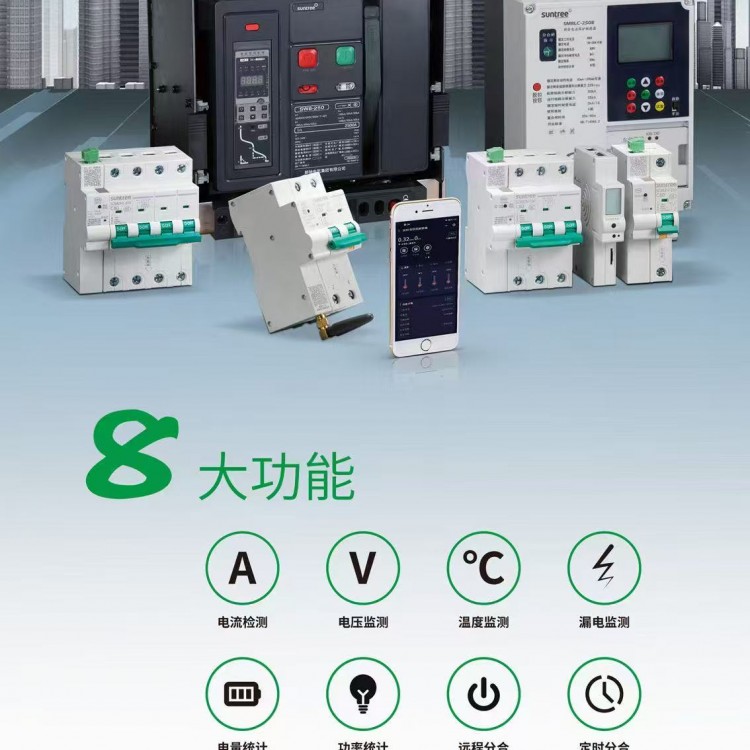
Sensor Network: Real-time collection of data such as voltage, current, temperature, humidity, leakage, and power factor.
Electricity Metering Module: Accurately monitors energy consumption of each circuit, supports itemized measurement.
- Equipment Status Monitoring: Detects circuit breaker status, switch positions, door access open/close, etc.
2. Edge computing layer
- Locally process data for rapid response (e.g., overload trip, arc fault protection).
- Upload preprocessed data to the cloud to reduce transmission load.
3. Network Communication Layer
- Wired Communication: RS485, Ethernet.
- Wireless Communication: 4G/5G, LoRa, NB-IoT (suitable for various deployment environments).
- Protocol Support: MQTT, Modbus, TCP/IP, ensuring seamless integration with cloud platforms.
4. Cloud Platform and AI Analytics
- Big Data Storage & Analysis: Identify abnormal electricity usage and predict equipment failures.
- Visual Dashboard: Dynamically displays energy consumption distribution, load trends, and alert maps.
- AI Optimization: Automatically adjusts power distribution strategies based on historical data to reduce peak-to-valley differences.
---
Core Function Value
1. Enhanced Safety Protection
Real-time arc fault detection and temperature limit alarms to prevent electrical fires.
Leakage protection + remote power cut-off, response to emergency events within 0.5 seconds.
Electronic access control + video interconnection, to prevent unauthorized operations.
2. Energy Efficiency Fine Management
- Time-slot/loop energy consumption statistics, pinpoint high-energy-consuming equipment.
- Automatic power supply mode switching (such as PV/supply power), reducing electricity cost.
Power factor dynamic compensation, reducing reactive power loss.
3. Operations Efficiency Leap
- Remote batch operations: No need to be present for switch reset and parameter configuration.
Predictive Maintenance: Replace aging components in advance based on equipment health models.
- Automated Work Order Dispatch: Fault information directly to the operations personnel's mobile APP.
4. Decision Support
- Generate electricity consumption reports (weekly/monthly/yearly) to assist in power capacity planning.
Align with industry energy consumption standards, identify energy-saving opportunities (average optimization of 15%-30%).
---
Typical Application Scenarios
- Data Center: Ensures continuous power supply for IT equipment, optimizes PUE value.
- Smart Factory: Prevent production line downtime and reduce electricity consumption per unit output.
- Commercial Buildings: Intelligent start/stop of air conditioning/lighting systems to meet LEED certification requirements.
- New Energy Power Station: Intelligent scheduling for coordination of photovoltaic, energy storage, and the power grid.
Infrastructure: Tunnel/subway power supply system unmanned monitoring.
---
Deployment Advantages
- Quick Integration: Compatible with existing power distribution systems, with a renovation period of less than 3 days.
Flexible Expansion: Modular design supports additional features in the future.
- Significant ROI: Recovery of investment in 12-18 months through energy saving and operation and maintenance costs.
- Case Reference: Following deployment, a car factory experienced a 70% reduction in annual downtime, a 22% improvement in energy efficiency, and a 40% decrease in O&M labor costs.
---
Key Selection Points
Safety Certification: Compliant with IEC 61439, GB 7251, and other standards.
2. Open API: Supports integration with SCADA, BMS, and smart park platforms.
3. Localized Services: Fast response network operations for troubleshooting.
4. Custom Development: Do you support customizing AI algorithms based on scenarios (such as shock load prediction)?


