High-strength material
The main structure of the monitoring tower is made of steel, offering certain strength and toughness, capable of withstanding various harsh weather conditions and complex environmental challenges. For instance, in areas with strong winds, its structure ensures the tower's stability, making it less prone to deformation or damage.
Steel is treated with corrosion protection, such as hot-dip galvanizing or painting, to extend the tower's service life and reduce maintenance costs. It maintains performance in corrosive environments like humidity and salt fog, and is less prone to rust over long-term use.
Reasonable structural design
Utilizing a tower-type structural design, it boasts stability and wind resistance. The tower's structure has been calculated and simulated for optimized force distribution, allowing the tower to dissipate forces when subjected to external loads, thus reducing localized stress concentrations.
Designs prioritize ease of installation and maintenance, with the tower typically featuring modular design and components that are tightly connected yet easily disassembled and reassembled. This facilitates transportation and on-site installation, simplifies future maintenance and repairs, and reduces costs and time.
Broader field of view
Monitor towers are typically tall, offering a broader view, and enabling effective surveillance over large areas. In fields such as urban security, forest fire prevention, and border control, they ensure no blind spots, allowing for the timely detection of potential hazards.
Equipped with adjustable monitoring equipment mounting platforms, capable of flexibly adjusting the angle and direction of the equipment to expand the monitoring coverage and meet the monitoring requirements of various scenarios.
Highly precise monitoring capability
Equipped with high-definition cameras and infrared detectors for monitoring, it offers certain resolution and monitoring capabilities, enabling clear capture of distant target details. The infrared detector operates normally in low-light or nighttime conditions, ensuring 24/7 surveillance.
Surveillance equipment integrated with transmission technology can transmit images in real-time to the monitoring center, ensuring timely and accurate information. It also supports remote control and operation, facilitating the monitoring staff in adjusting and managing equipment.
Urban Security Surveillance
Installed in urban skyscrapers, plazas, parks, and other locations, these systems are used to monitor public security and traffic flow. Real-time monitoring enables the timely detection of criminal activities, traffic accidents, and other anomalies, allowing for prompt action to ensure city safety and order.
Connect with urban security systems to facilitate information sharing and collaborative efforts, enhancing the effectiveness of city security. For instance, upon detecting suspicious individuals or vehicles, information can be promptly relayed to relevant departments for tracking and investigation, providing clues for solving cases.
Forest Fire Monitoring
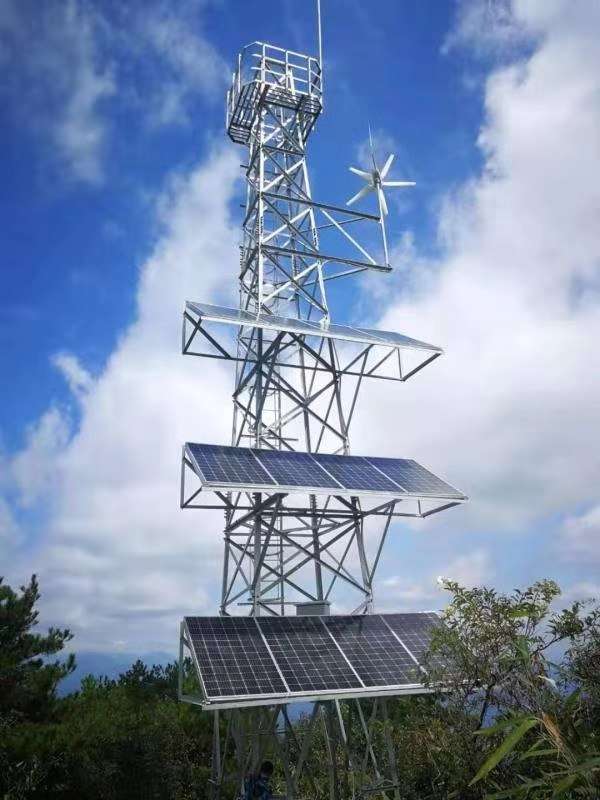
Deployed in forested mountainous areas, it provides real-time monitoring and early warnings for forest fires. With its high vantage point and expansive view, it can promptly detect fire sources and smoke anomalies within the forest, quickly transmitting information to the forest fire command center via sensors and communication equipment.
With intelligent image recognition technology, it can automatically detect fire smoke and promptly sound an alarm, shortening the time from fire detection to response, gaining valuable time for extinguishing efforts, and reducing fire damage.
Border Surveillance
Established in border regions, these facilities are designed to monitor border line security, prevent illegal entry, smuggling, and illegal immigration. High-definition cameras and surveillance equipment on the monitoring towers can keep a watchful eye on the border, promptly detect any anomalies, and notify border patrol personnel for handling.
Connected to relevant command systems, it achieves real-time information sharing and coordinated operations, enhancing the security and prevention capabilities in border areas, and maintaining national territorial security and border stability.
As a carrier platform for communication base stations
Monitor towers can serve as installation platforms for communication base stations, providing height and support for mobile communication, broadcasting and television, and other communication equipment. In areas with complex terrain and difficult signal coverage, installing communication equipment on monitor towers can expand the signal coverage range and improve communication quality.
The tower structure design takes into account the installation requirements for communication equipment, providing reserved space and interfaces for easy installation and maintenance. The stability and reliability of the monitoring tower also ensure the normal operation of communication equipment, meeting communication needs.
For transmitting and receiving wireless communication signals
In wireless communication networks, monitoring towers can act as relay stations for signal transmission and reception, enhancing the distance and coverage range of signal transmission. By setting up monitoring towers at various locations and installing wireless communication equipment, relay transmission of signals can be achieved, addressing issues of signal dead zones.
For example, constructing communication networks with monitoring towers in mountainous or remote areas can provide local residents with stable mobile communication and internet services, promoting regional economic development and social progress.


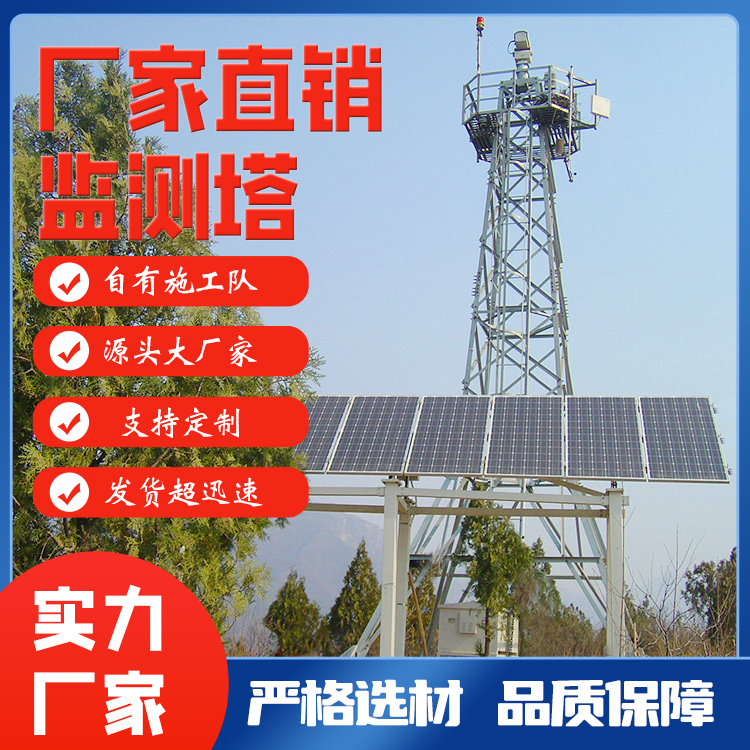
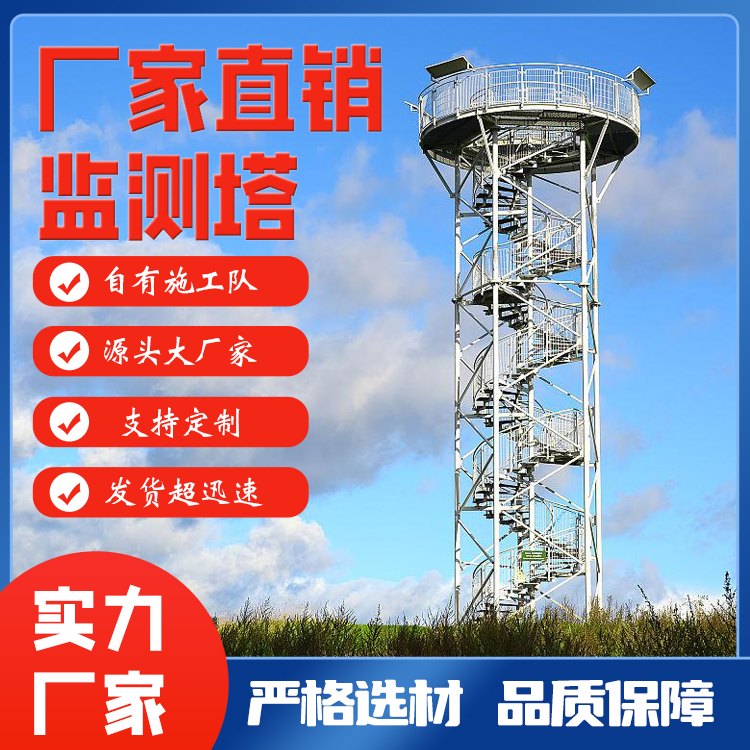
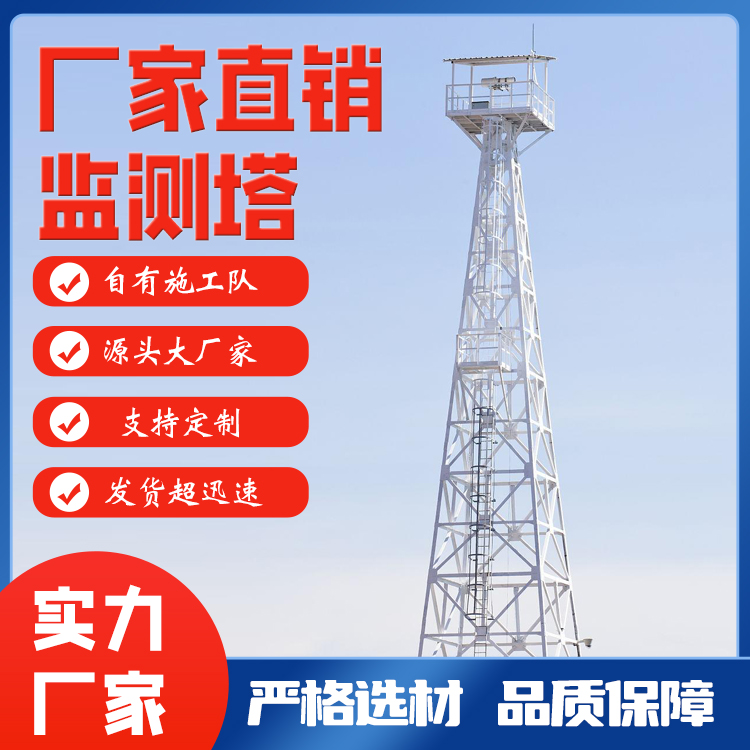
 Watchtower
Negotiable
Watchtower
Negotiable
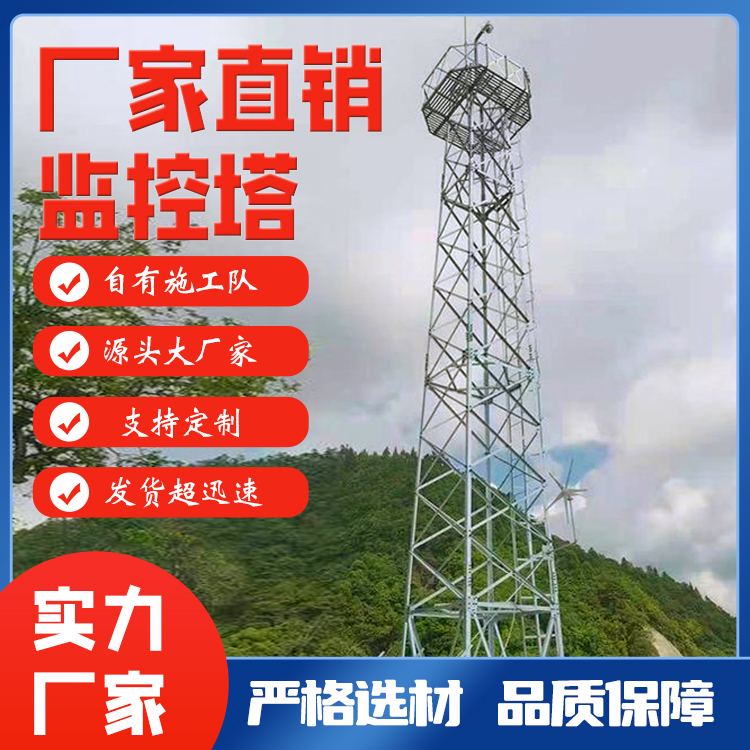 Surveillance Tower
Negotiable
Surveillance Tower
Negotiable
