
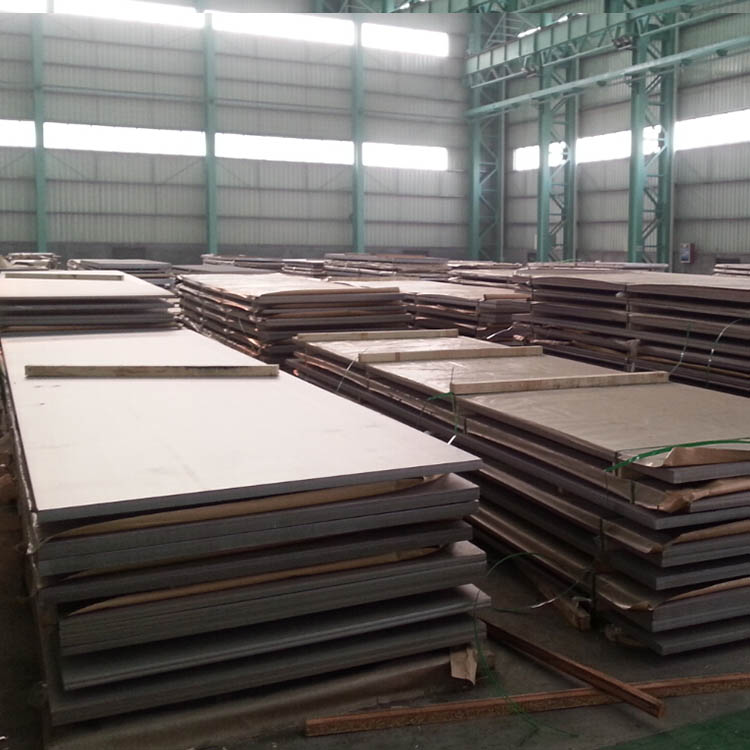
 304 Stainless Steel Sheet
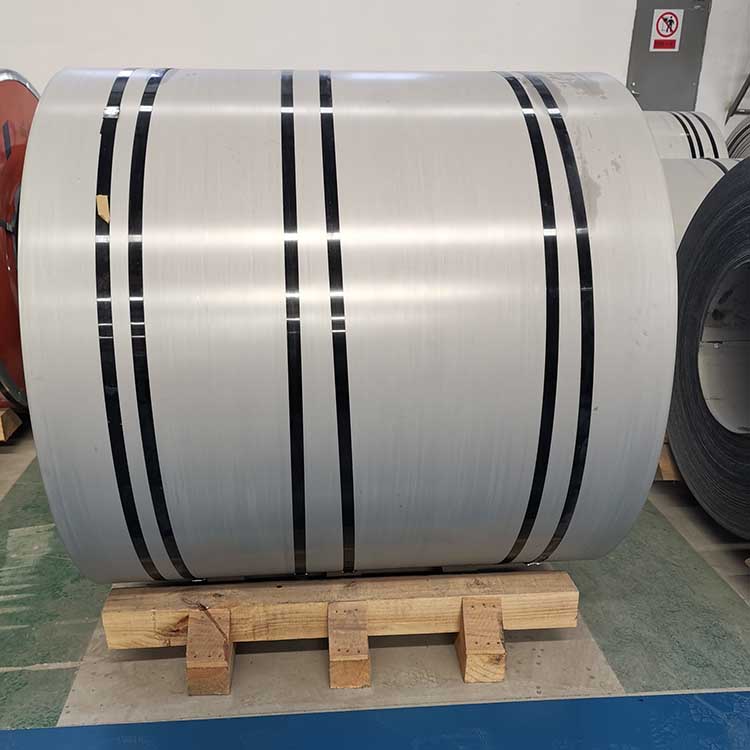 304L Stainless Steel Sheet
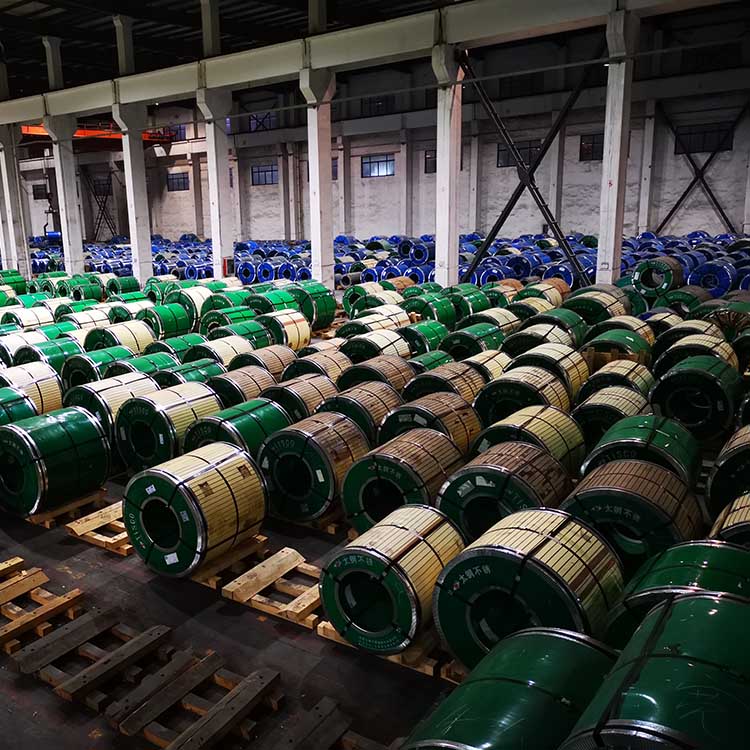 321 Stainless Steel Sheet
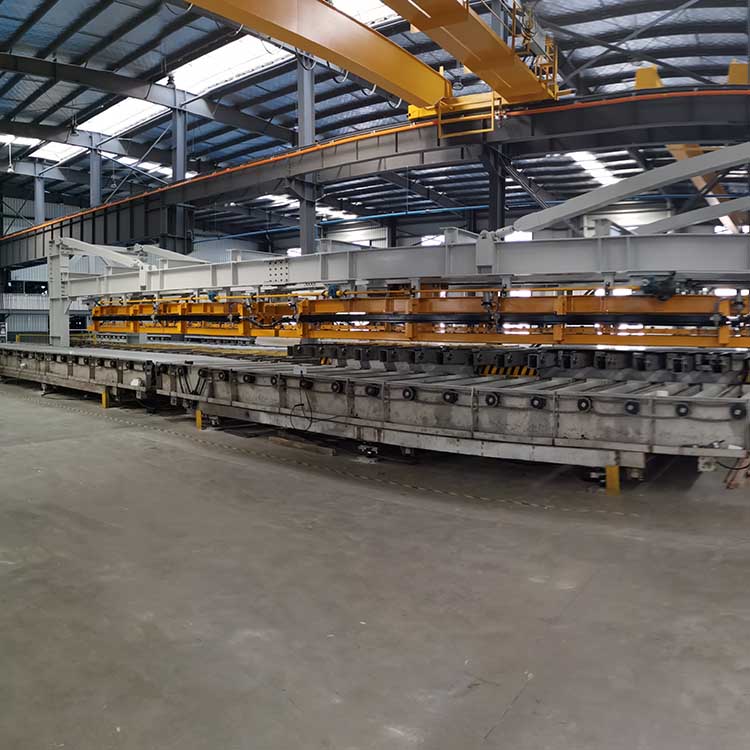 316L stainless steel sheet
 309S Stainless Steel Sheet
 310S Stainless Steel Sheet
 1Cr20Ni14Si2 - 16Cr20Ni14Si2 Stainless Steel Plate
Product Details

Metal Composite Plates, Metal Materials, Metal Powders, General Machinery, El...

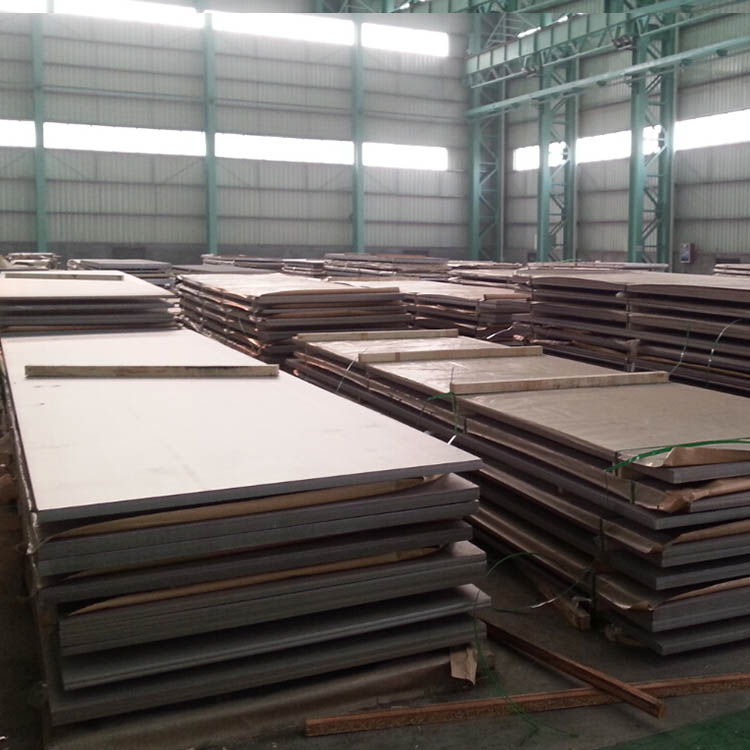
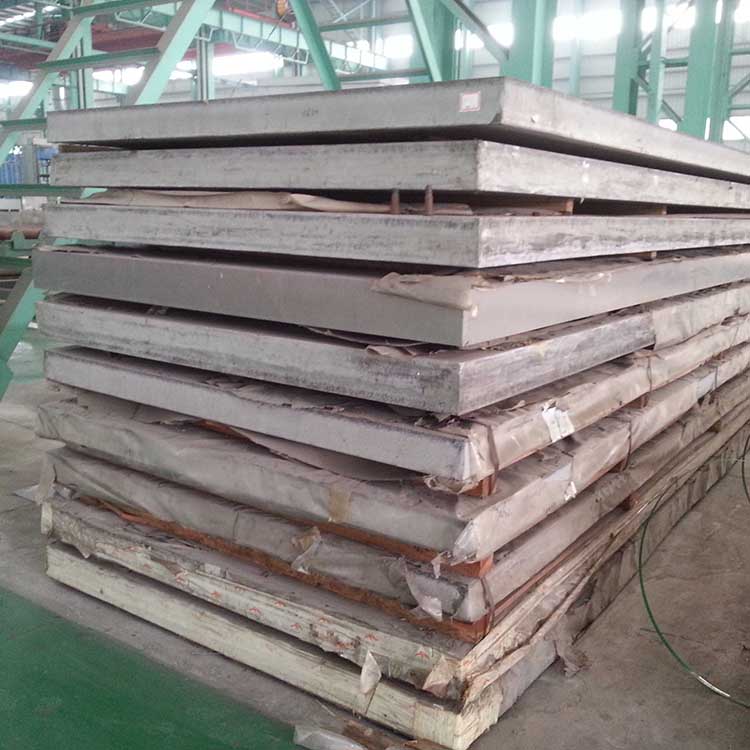
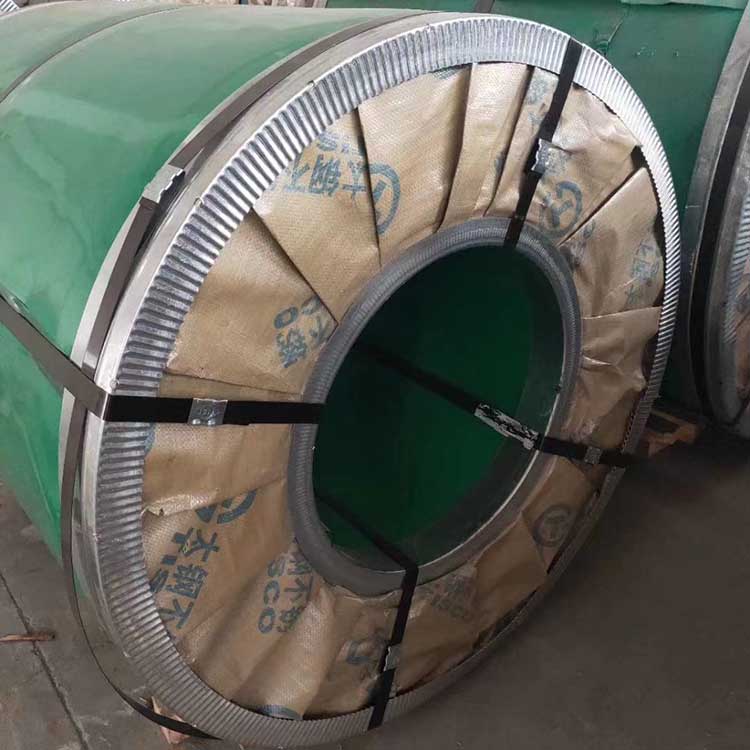
产品Price Negotiable
最小起订Quantity:0.1 tons 供货总Quantity: 10000 tons


Brand |
|
Thickness |
0.3-100mm |
Width |
$1000/$1219/$1500/$1800/$2000/Wide up to 4300mm |
C276 Stainless Steel/C276 Hastelloy C-276 Hastelloy is a nickel-molybdenum-chromium-iron-tungsten nickel-based alloy, known for its corrosion resistance among modern metals. It primarily withstands wet chlorine, various oxidative chlorides, chloride salt solutions, sulfuric acid, and oxidative salts, demonstrating excellent corrosion resistance in both low and medium-temperature hydrochloric acid. Consequently, over the past three decades, it has found extensive application in demanding corrosion environments across industries such as chemicals, petrochemicals, flue gas desulfurization, pulp and papermaking, and environmental protection. Hastelloy C-276 corrosion data is indicative, but not to be used as a standard, especially in unknown environments, where material selection requires testing. Hastelloy C-276 lacks sufficient Chromium for resistance to highly oxidizing environments such as hot concentrated nitric acid. The alloy is primarily designed for chemical process environments, particularly where mixed acids are present, such as exhaust gas desulfurization system outlet pipes. Hastelloy boasts exceptional mechanical properties, characterized by high strength and toughness, which presents certain challenges during machining. It also exhibits strong strain-hardening tendencies; at a deformation rate of 15%, it is approximately twice that of 18-8 stainless steel. Hastelloy also features a medium-temperature sensitization zone, with its sensitization tendency increasing with the deformation rate. At higher temperatures, it is prone to absorb harmful elements, leading to a decrease in its mechanical and corrosion-resistant properties. Mechanical Properties Typical tensile test results for the C-276 alloy are as shown in the table below. The material was solution treated at 1150°C and quenched in water. Mechanical property test values Temperature (℃) Yield Strength σ0.2 (Mpa) Tensile Strength σb (Mpa) Elongation δ5 (%) -196 565 965 45 -101 480 895 50 21 415 790 50 93 380 725 50 204 345 710 50 316 315 675 55 427 290 655 60 538 270 640 60 Cold working the C-276 alloy increases its strength. During impact testing, V-notch specimens are made from 10mm thick sheets (which must be annealed). If the specimens are welded, they will exhibit some ductility within the same temperature range, due to the weld seams. The impact test results for the sheets are shown in the table below. Corrosion resistance C276 alloy is suitable for various chemical process industries involving oxidizing and reducing media. Its high molybdenum and chromium content enables resistance to chloride ion attack, while tungsten further enhances its corrosion resistance. C276 is one of the few materials that can withstand corrosion from moist chlorine gas, hypochlorites, and chlorine dioxide solutions. This alloy exhibits remarkable resistance to corrosive solutions of high-concentration chlorides, such as ferric chloride and copper chloride. The application scope and fields of C-276 include: C276 alloy is widely used in the chemical and petrochemical industries, such as in components and catalyst systems that come into contact with organics containing chlorides. This material is particularly suitable for use in high-temperature environments, mixed with impurities, and inorganic and organic acids (like formic and acetic acids), as well as in seawater corrosion conditions. The table below compares the corrosion test results of four alloys under different environments. (All焊接samples were焊接 using self-fluxing tungsten electrode argon arc welding.) Chemical Composition Ni Cr Mo Fe C Si Co Mn P S W V N10276 (C-276) 14.5~16.5 15.0~ 17.0 4.0~7.0 ≤0.01 ≤0.08 ≤2.5 ≤1.0 ≤0.04 ≤ 0.03 3.0~ 4.5 ≤0.035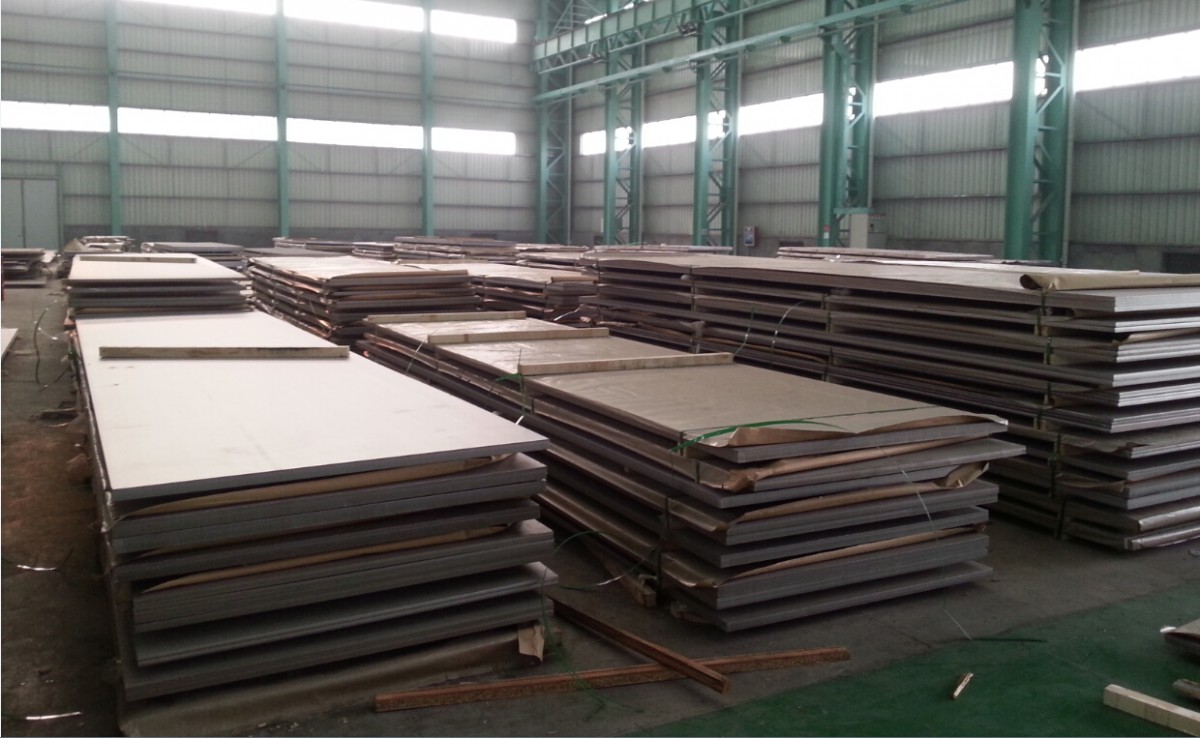

Phone Consultation