
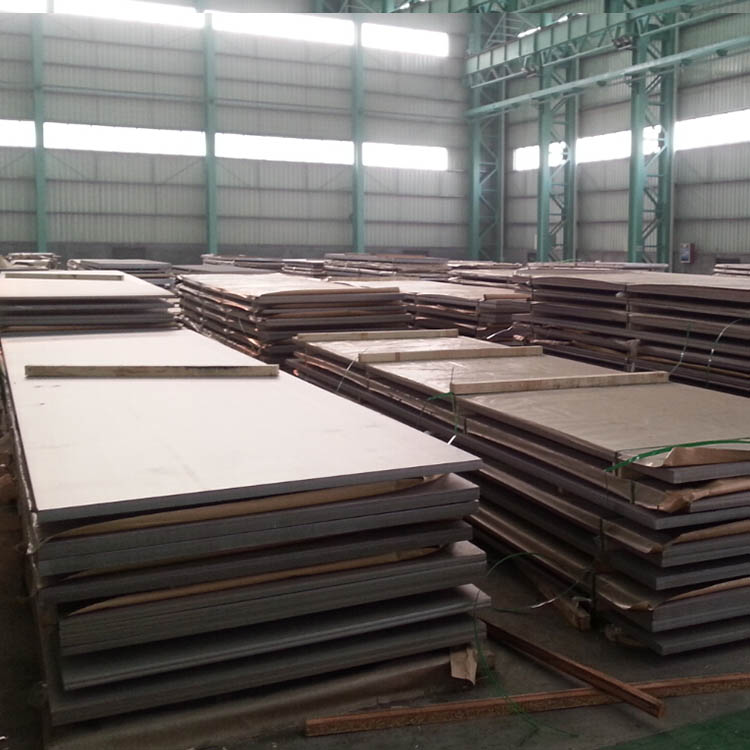
 304 Stainless Steel Sheet
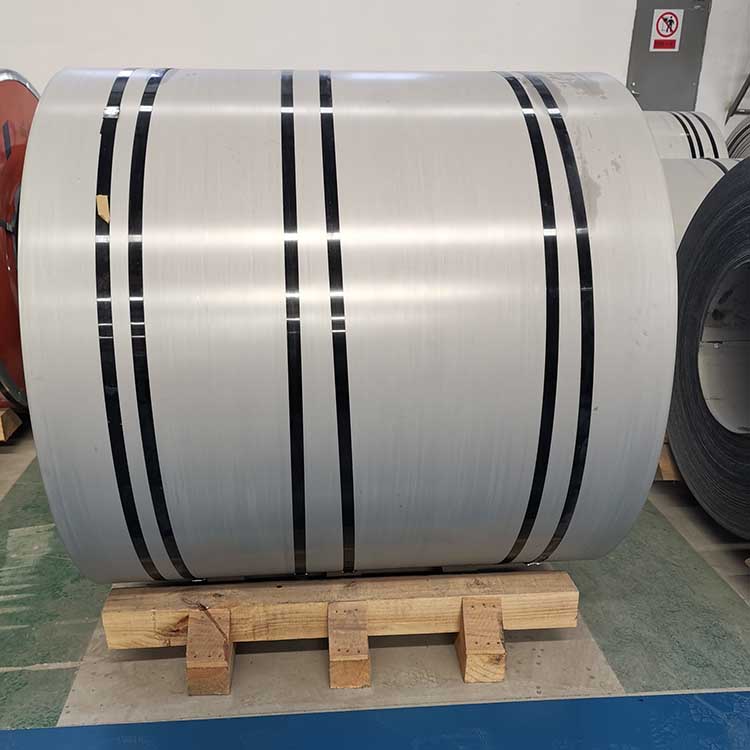 304L Stainless Steel Sheet
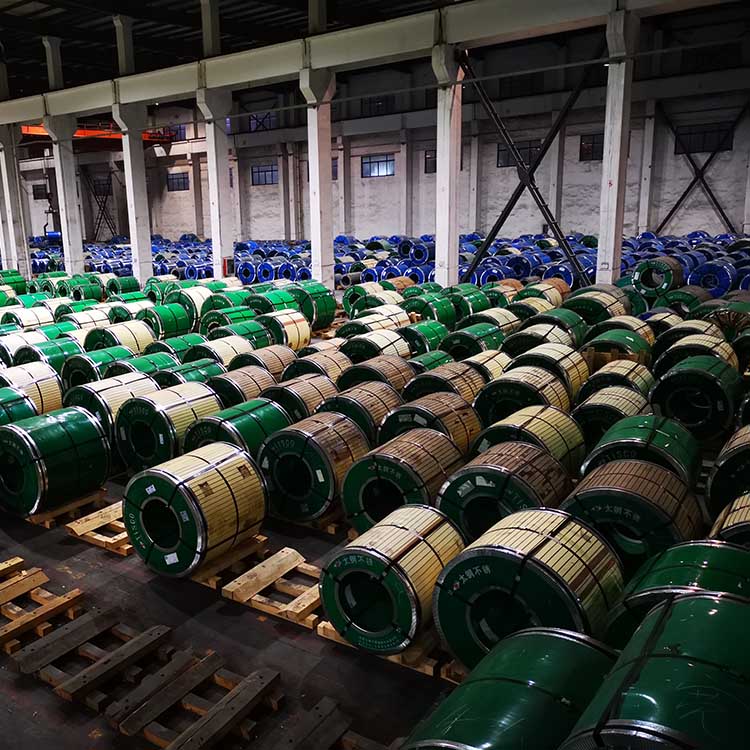 321 Stainless Steel Sheet
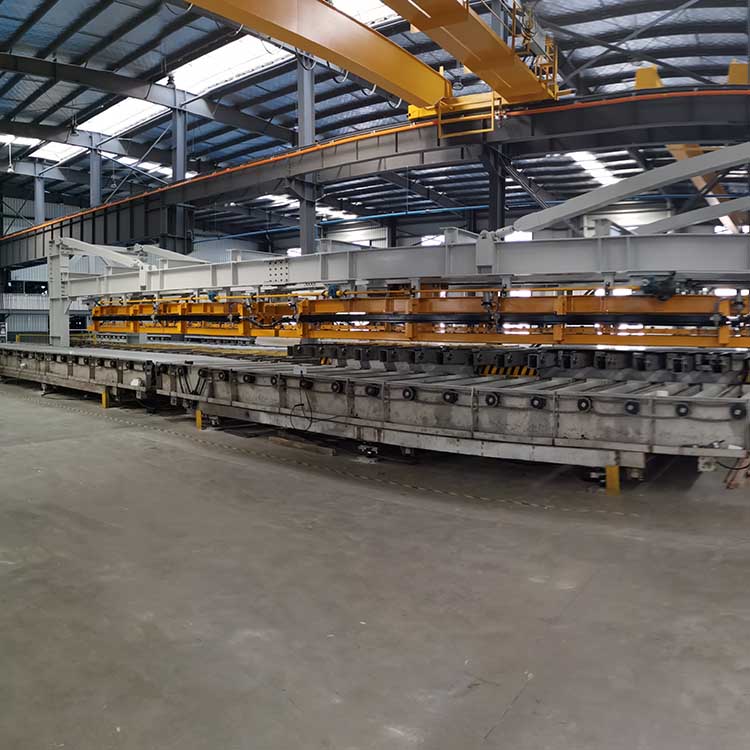 316L stainless steel sheet
 309S Stainless Steel Sheet
 310S Stainless Steel Sheet
 1Cr20Ni14Si2 - 16Cr20Ni14Si2 Stainless Steel Plate
Product Details

Metal Composite Plates, Metal Materials, Metal Powders, General Machinery, El...


产品Price Negotiable
最小起订Quantity:0.1 ton 供货总Quantity: 10000 ton


Brand |
|
Thickness |
0.3-100mm |
Width |
1000/1219/1500/1800/2000/Up to 4300mm wide |
304 Brushed Sheet Stainless steel refers to steel that resists corrosion from weak corrosive media such as air, steam, and water, as well as from chemical corrosives like acids, alkalis, and salts. It is also known as acid-resistant steel. Brushed stainless steel features a surface texture resembling threads, which is just one of its processing techniques. The surface is matte, with a subtle thread-like pattern visible upon close inspection, but not noticeable by touch. It is more wear-resistant than standard glossy stainless steel and appears more upscale. Brushed stainless steel sheets are commonly used in high-end kitchen and bathroom renovations, as well as for electrical panels. Brushed stainless steel Stainless steel brushed finish refers to the surface texture of stainless steel resembling threads, which is merely one of the processing techniques for stainless steel. The surface is matte, and upon close inspection, you can see a subtle thread-like pattern that is not discernible by touch. It is more wear-resistant than the usual glossy stainless steel and has a more upscale appearance. The polishing process can result in a slight reduction in the thickness of stainless steel sheets, usually between 0.1~0.2mm. Additionally, due to the abundant oil and sweat secretion, especially on the palms of hands, stainless steel brushed plates often leave noticeable fingerprints when handled by hand, requiring regular cleaning. Stainless Steel Brushed Plate Surface Pattern Classification Brushed plate generally refers to a surface texture, previously known as sandblasted board. The main types of surface patterns include straight lines, wavy lines (herringbone), wave patterns, and screw threads, among others. 1. Satin finish with straight lines. This surface texture is typically achieved by mechanical abrasion on the surface of stainless steel, resulting in a linear pattern. The processing of the satin finish can eliminate scratches on the surface of the stainless steel sheet material and also serves a good decorative effect. There are both long and short line patterns, as the texture is created by using a scouring pad or stainless steel brush to apply straight or short lines on the sheet surface, and the pattern's fineness can be adjusted by changing the brush diameter. 2. Wire Texture (and weave). The surface sand pattern appears as concentric circles from a distance, but up close, it forms irregular, chaotic patterns. These are created by the grinding head moving up, down, left, and right in an irregular manner, and then electroplated and colored. This texture has a matte finish and requires a high level of craftsmanship. 3. Brushed wavy pattern. The manufacturing process involves the axial movement of the upper grinding roller on a brush finishing machine or a texture machine, resulting in a wavy texture on the stainless steel surface after brushing. 4. Satin threaded surface. The manufacturing process has some unique characteristics. Initially, a small motor with a circular felt on its shaft is mounted and fixed on the table, at an angle of approximately 60° to the table edge. A sliding board is then created to secure the stainless steel sheets, with a polyester film applied along the edge of the board to limit the threading speed. With this setup, the motor's felt and the sliding board can be moved linearly, resulting in a consistent width thread pattern on the surface of the stainless steel sheets.

Phone Consultation