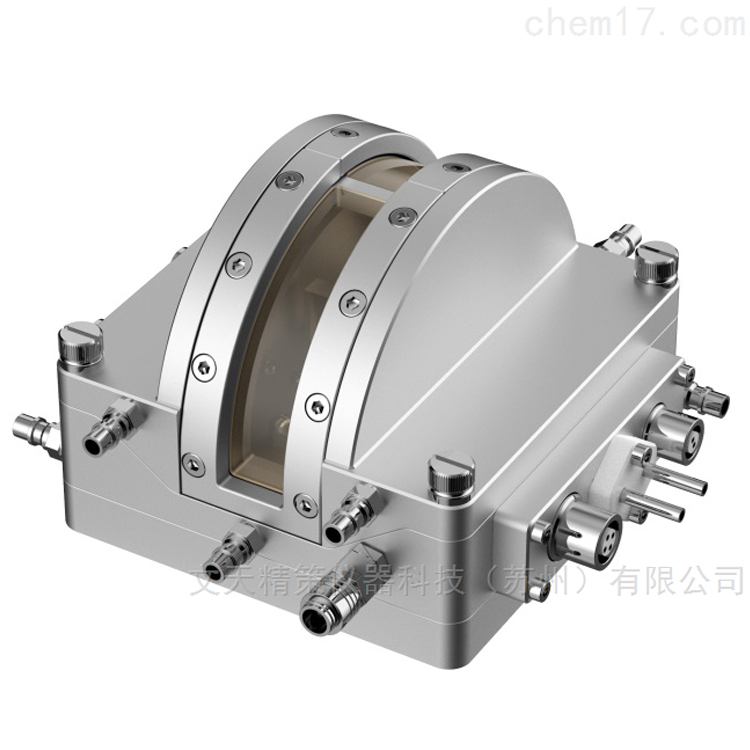
Focused on in-situ testing technologies for temperature c...

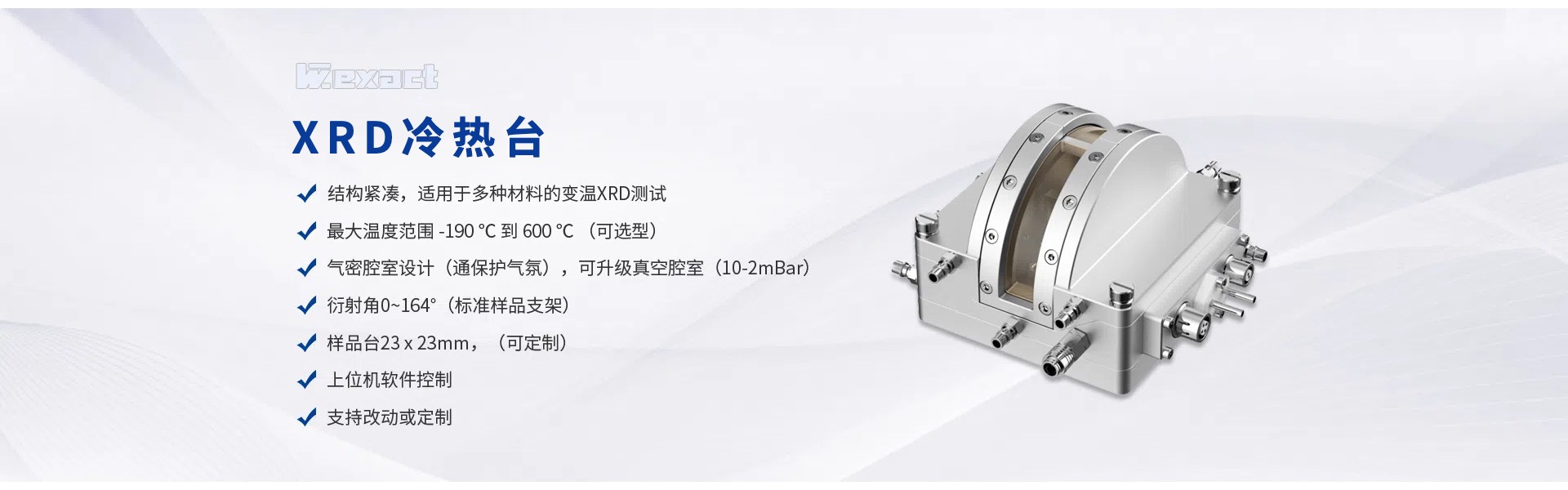
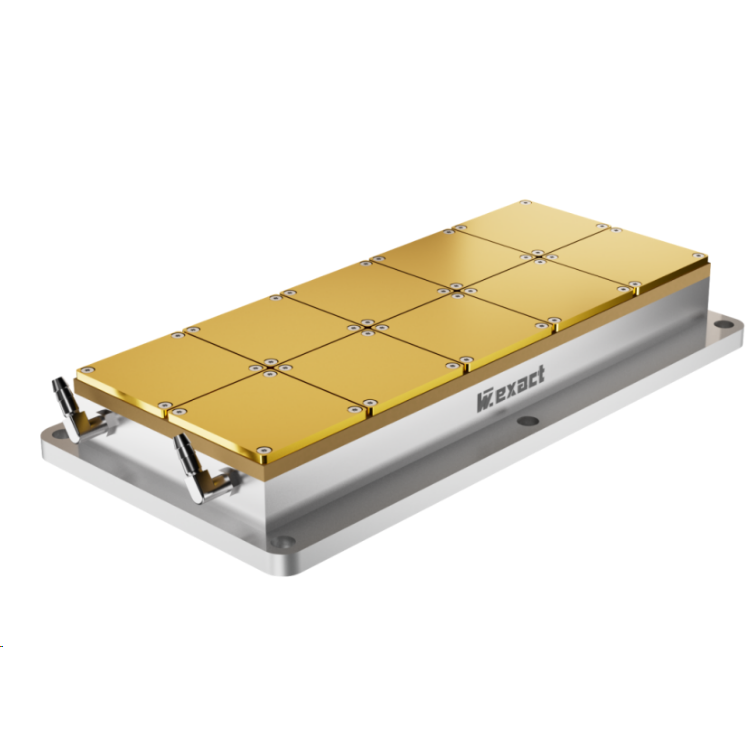
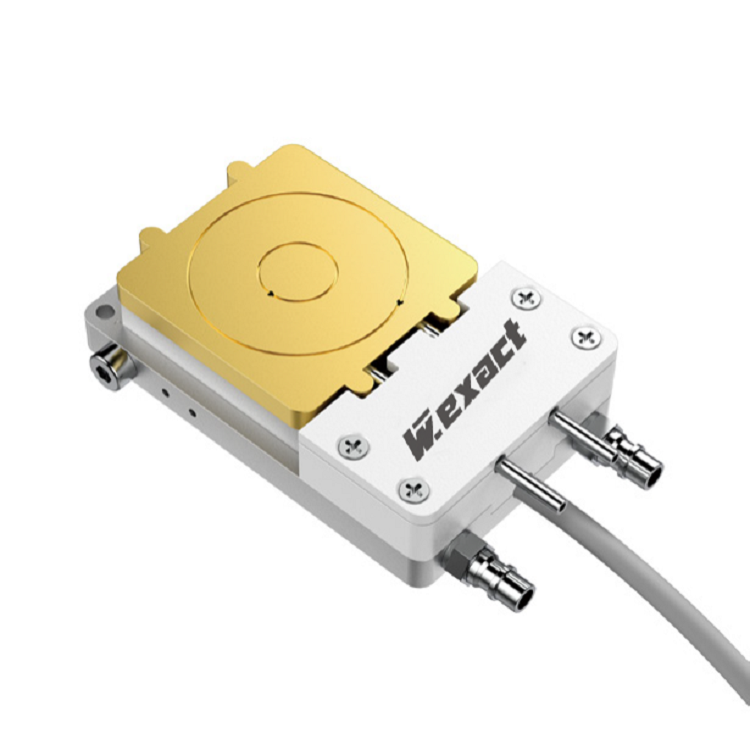
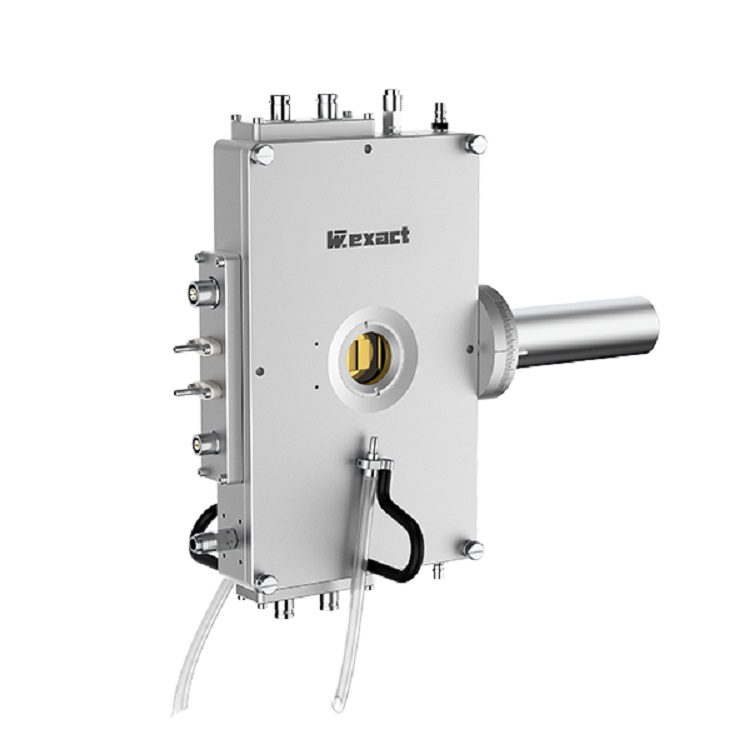
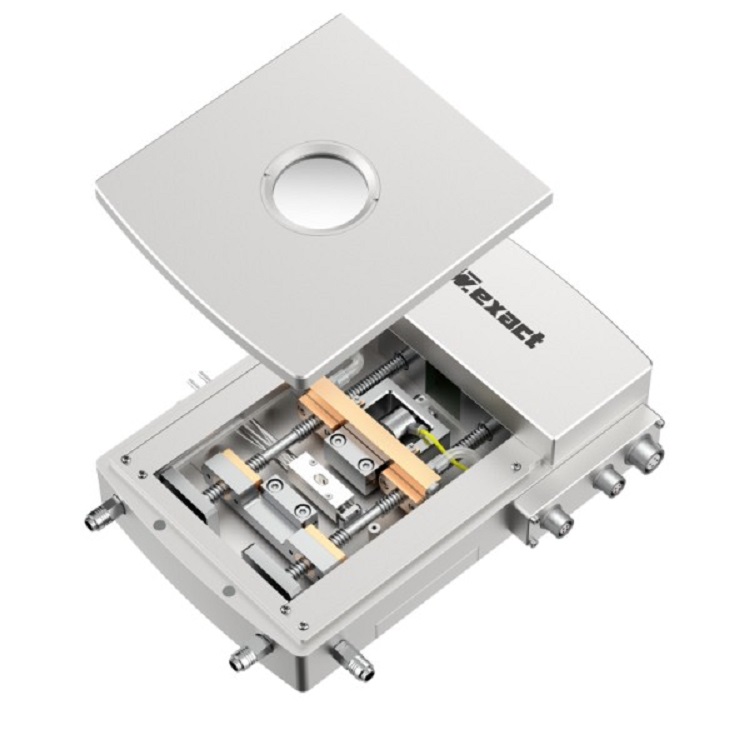
The Variable Temperature X-ray Diffraction Cold-Heat Stage is an experimental device designed to study the changes in crystal structures and properties of materials at different temperatures. By controlling the temperature, it allows for the observation of diffraction patterns of materials under both low and high temperature conditions, thereby revealing the regularities of crystal structure changes with temperature. The Variable Temperature X-ray Diffraction Cold-Heat Stage is composed of multiple components, each playing a crucial role to ensure the accuracy and reliability of the experiment.
The main components include the sample chamber, heating/cooling system, X-ray source, detector, and control system. The sample chamber is the space where the samples to be tested are placed, typically featuring both high and low temperature operating modes, allowing for testing under various temperature conditions. The heating/cooling system is responsible for providing a stable and controllable temperature environment, achieving the required temperature changes by heating or cooling the samples.
X-ray sources are devices that generate X-ray beams, used to illuminate samples and produce diffraction patterns. Detectors capture and record these diffraction images, which are then analyzed to extract information about the crystal structure of the material. The control system plays a role in regulating and monitoring the operational status of various components, ensuring the stability and reliability of the entire experimental process.
The variable temperature X-ray diffraction stage's components work in close coordination to complete the experimental process. By controlling the temperature conditions provided by the heating/cooling system, X-ray diffraction experiments can be conducted at various temperatures, allowing for the observation of phase transitions and distortions in the material's crystal structure as it changes with temperature. This is of significant importance for understanding the relationship between material properties and structure.
In summary, as an advanced experimental device, the Variable Temperature X-ray Diffractometer (VT-XRD) holds broad application prospects in the field of materials science. Its components are characterized by clear functionalities and tight integration, providing researchers with a powerful tool to delve into the microstructure and property changes of materials under different temperature conditions.


b2b.china9.net © Zhongshang 114 Hebei Network Technology Co., Ltd.Address: Room 6009, Oriental New World Center, No.118 East Zhongshan Road, Qiaoxi District, Shijiazhuang City, Hebei ProvincePlatform Service Hotline: 4006299930