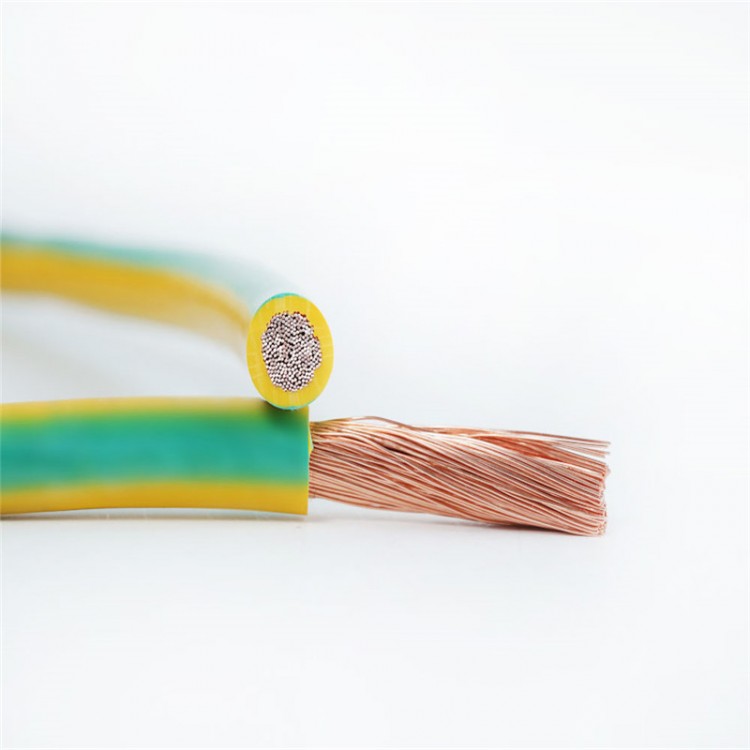
 YiChu Cable - Supplies ANSI/UL 1007 16AWG Tin Plated Wire
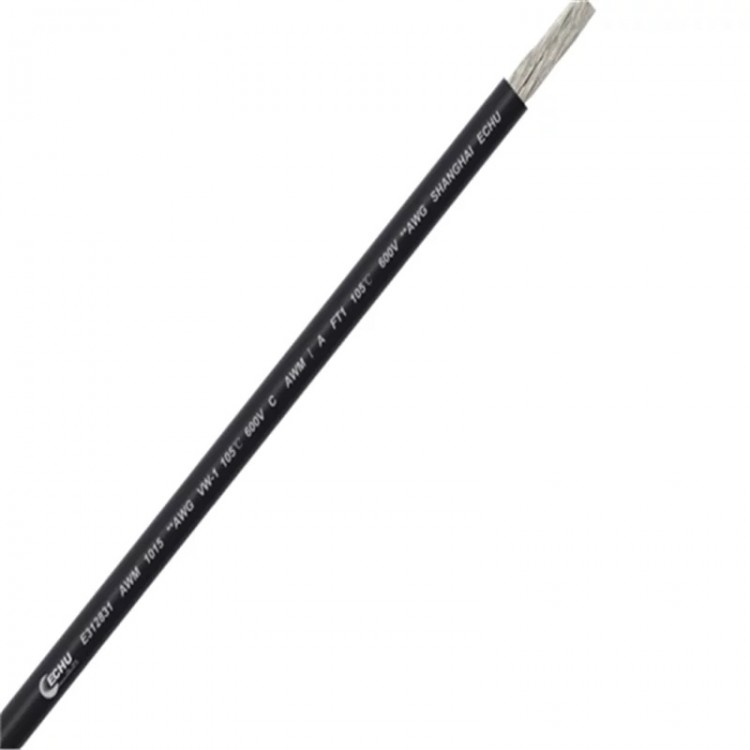
 Echelon Cable UL1015 Solid Core Wire, USA Standard Solid Core Power Wire
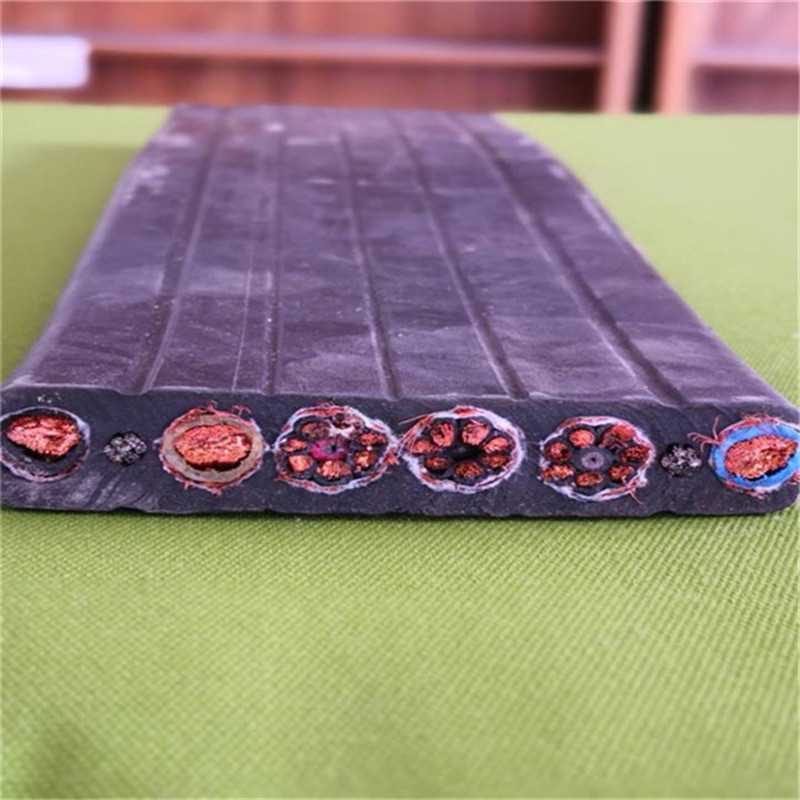
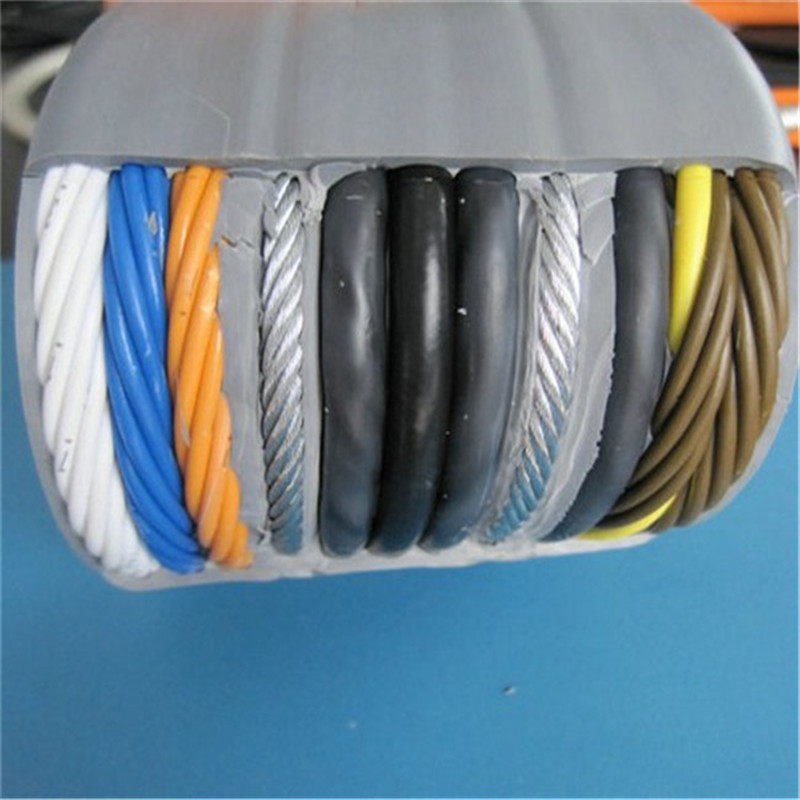
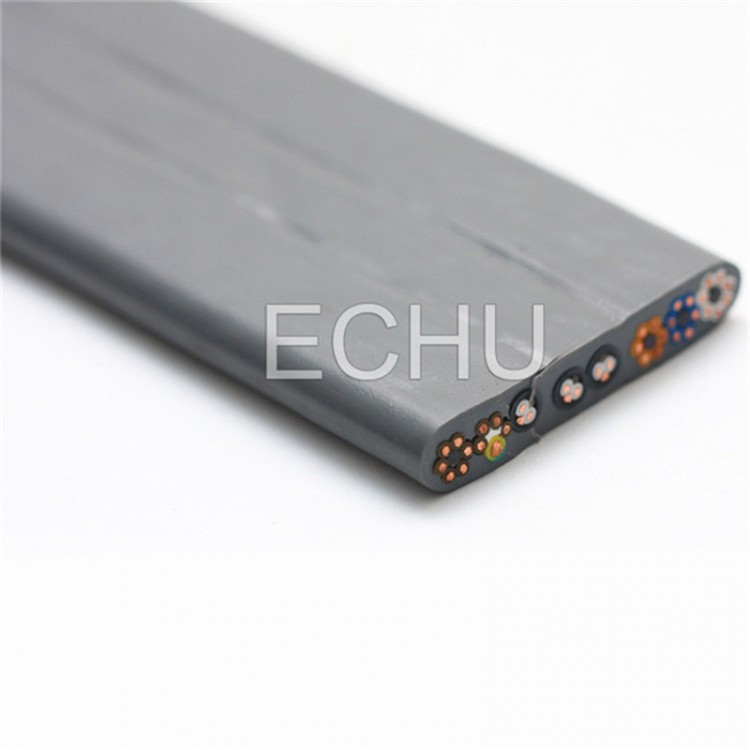 Easii Elevator Cables, Elevator Follow-up Flat Cable TVVB TVVBG
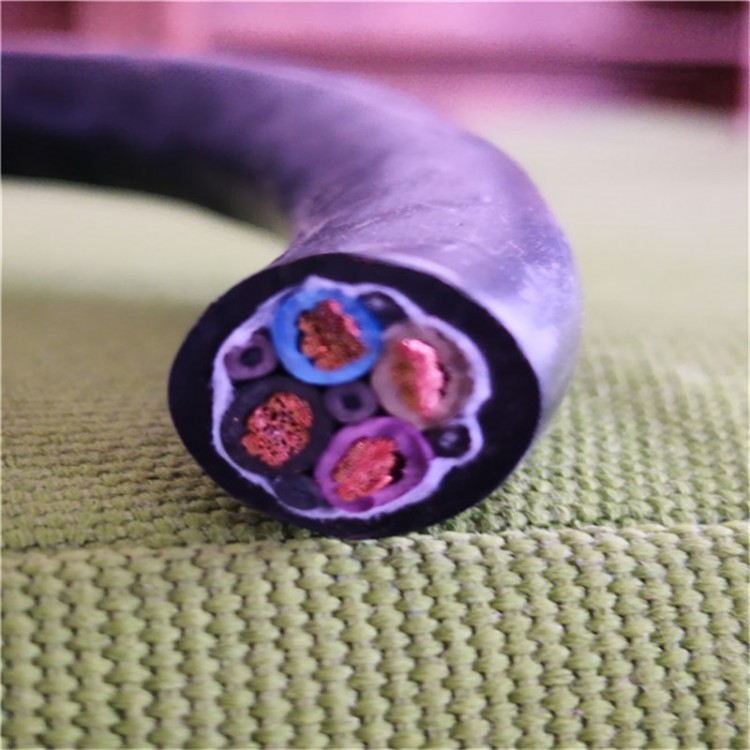 Eich cables Manufacturer Direct Flexible Drag Chain Cable EKM71100
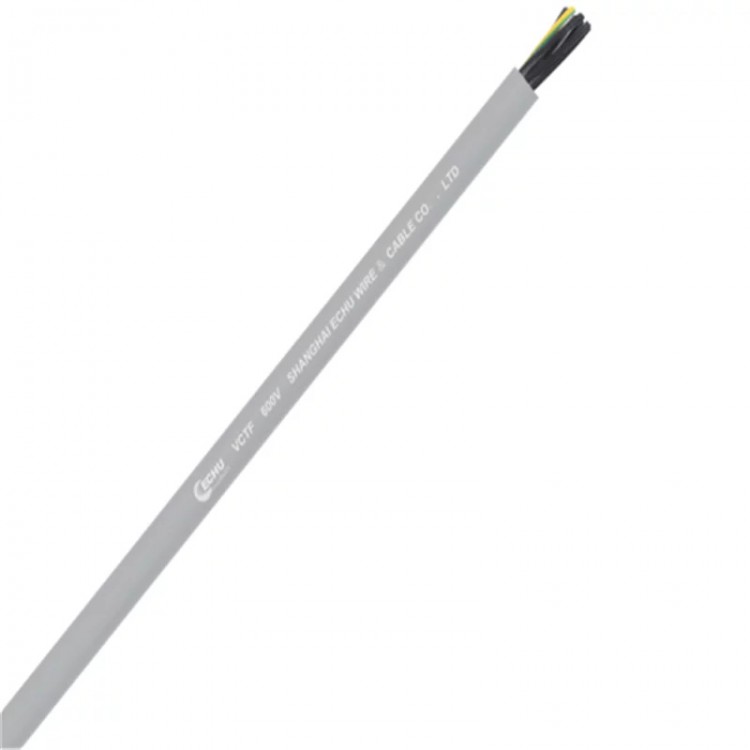 Eichu ECHU Cable, Japanese Standard Cable, VCT, 4x22MM2
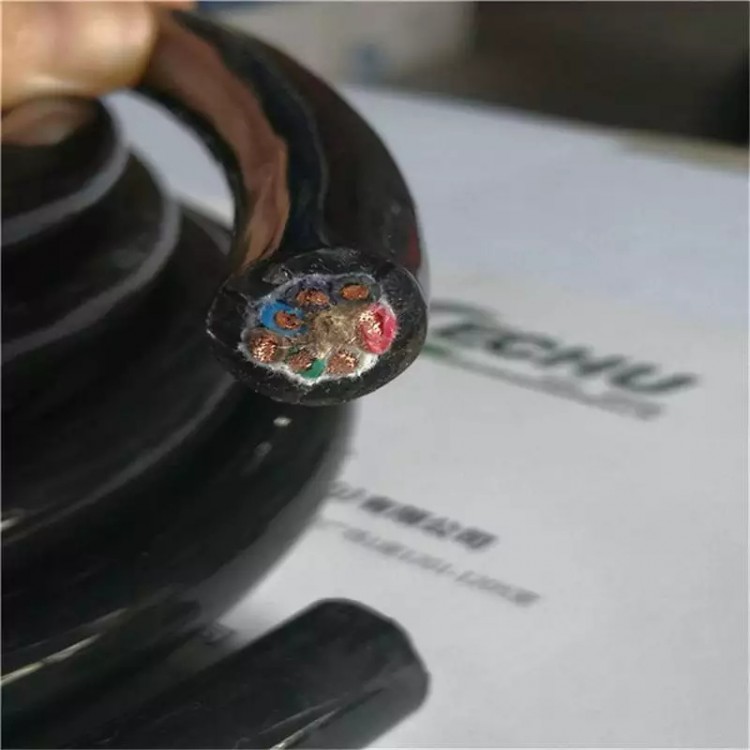 Easymotor Robot Cable Easymotor ROBOT 83900 3-core 300V
Product Details




产品Price 19.99/Rice
最小起订Quantity:100 Rice 供货总Quantity: 100000000 Rice


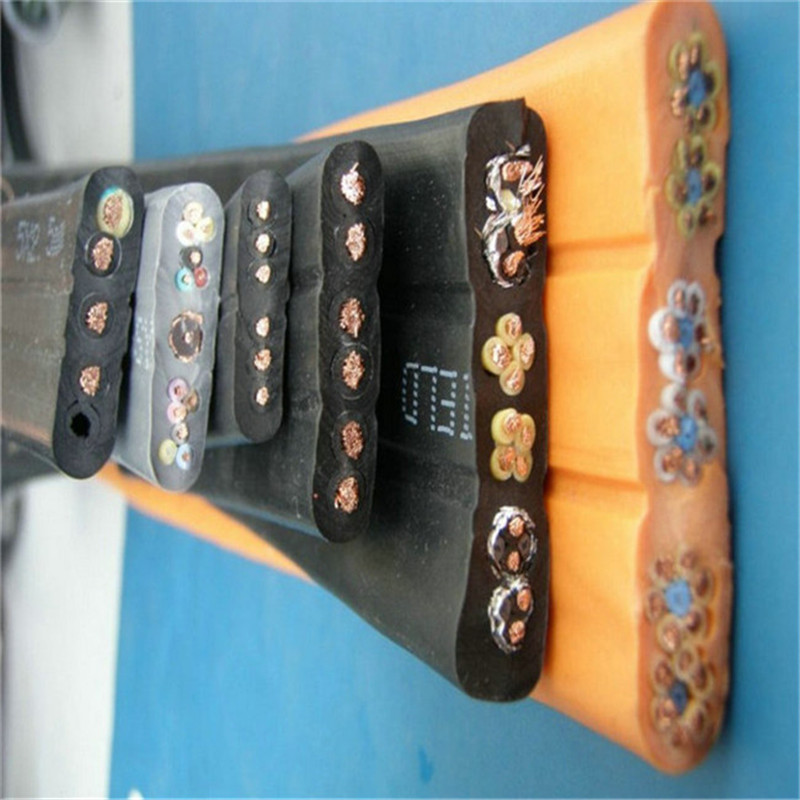
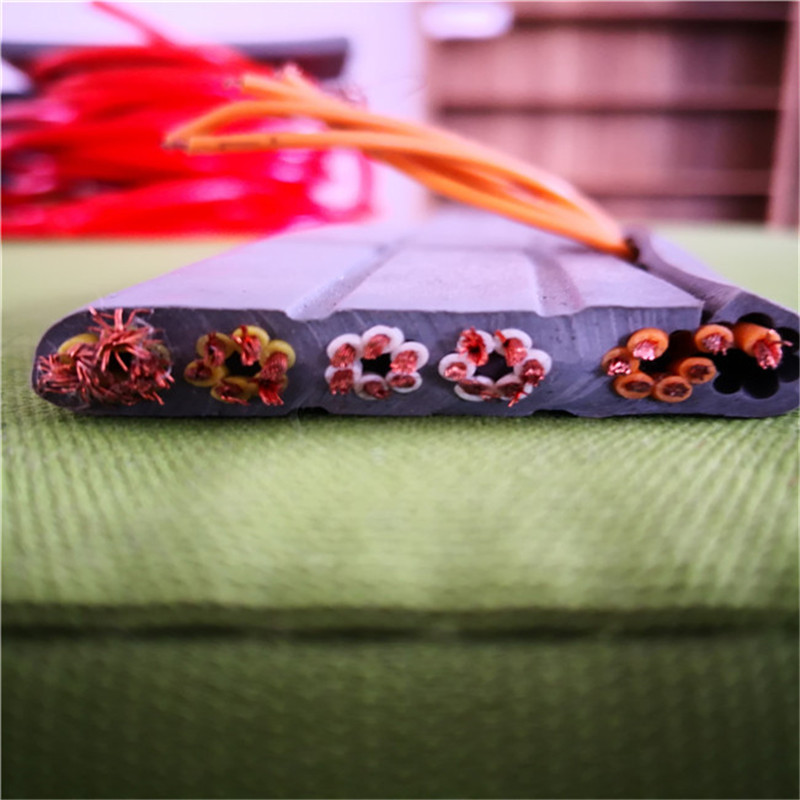
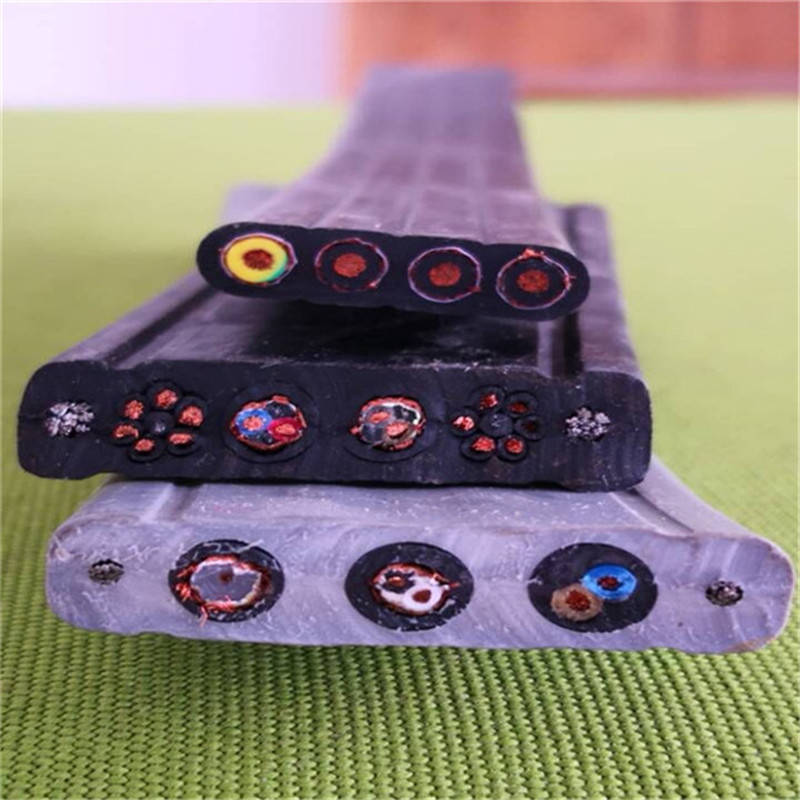
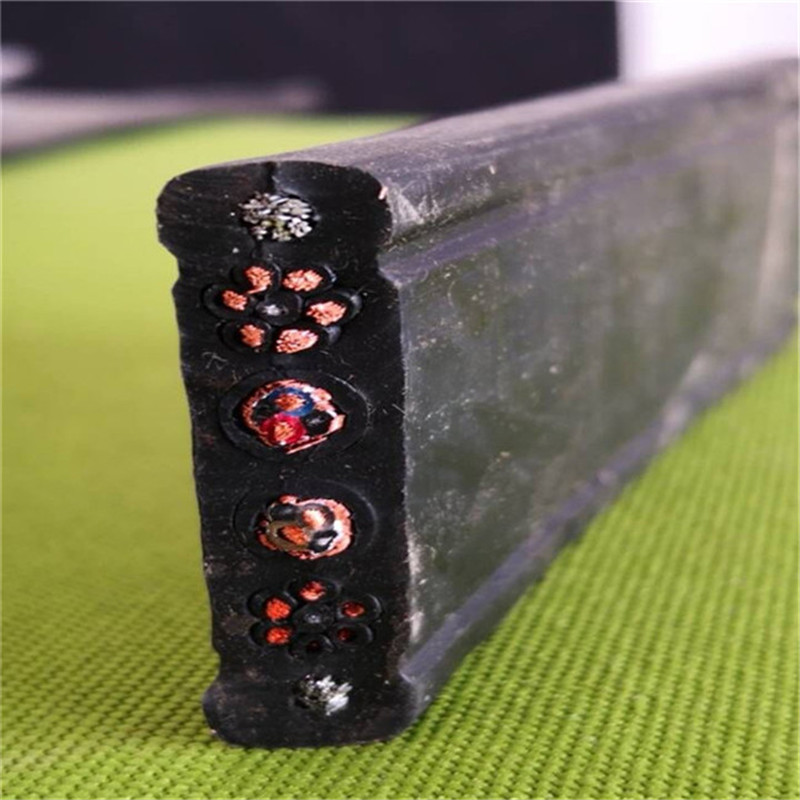
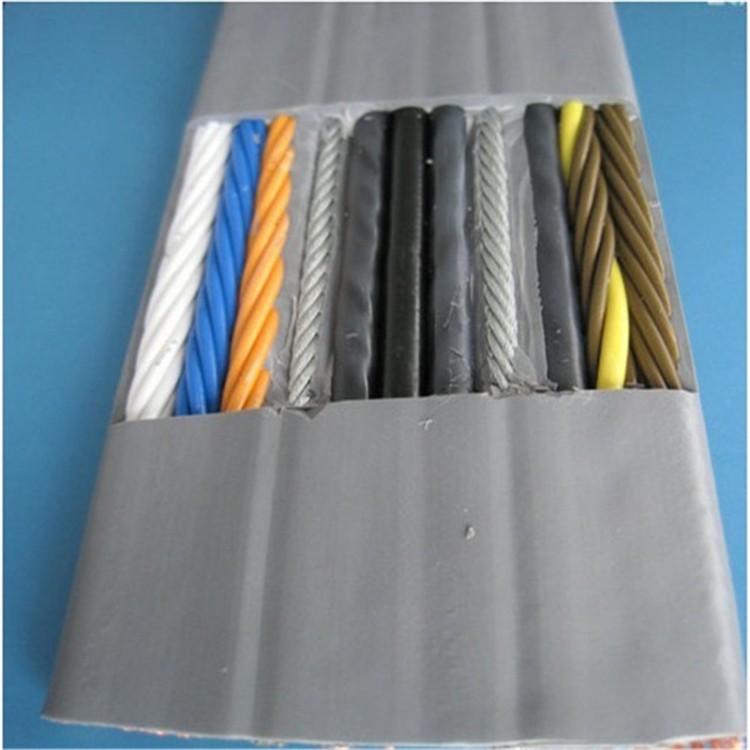
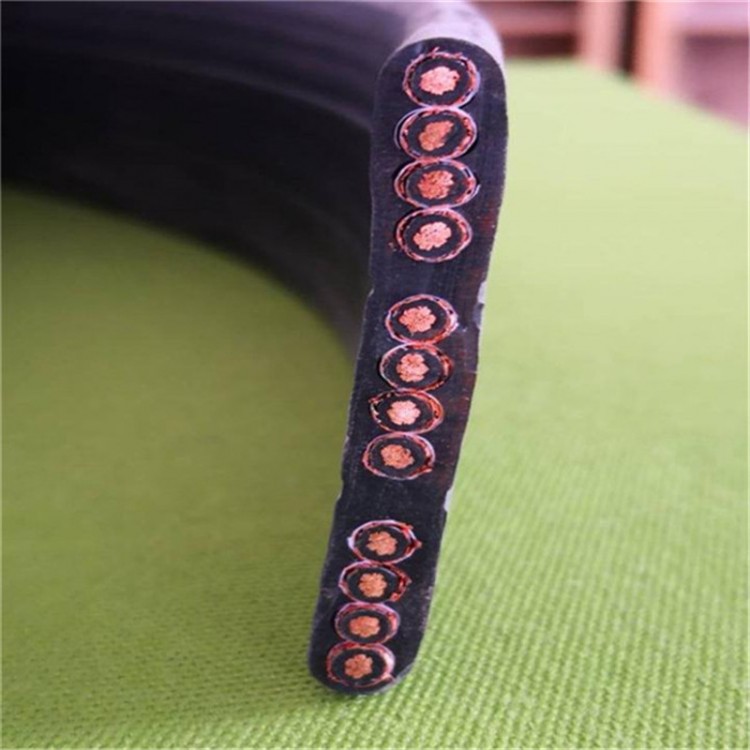
Application Scope: This cable features a special structural design, offering a long service life and significantly enhancing the operational efficiency of elevator manufacturing companies. The elevator control cable provides comprehensive electrical control even at longer suspension lengths, while withstanding mechanical stresses. Elevator cables, featuring steel wire as the core, are suitable for long-distance suspension applications. Product Features: The shielding structures come in three types, each serving the following functions: For high-frequency interference --- aluminum foil MAYLA wrap shielding. Electromagnetic Interference (EMI) --- Copper Mesh Shielding Broadband Domain Interference --- Aluminum foil MAYLA wrapping increases copper mesh weaving shielding. Price factors increase from low to high. Cable Structure: Conductor: Multi-strand ultra-fine drawn oxygen-free copper wire, compliant with VDE0295 CLASS 5 standard Insulation: Special blended PVC insulation Color: Represented by colors, conforms to GB5203.6 (yellow, white, orange, light green, pink), numbered by digits. Single core cable, black letters with white numbering, compliant with EN50214 standard. Please specify the yellow-green ground wire. Lining: None Shielding Layer: Available (options available) Reinforcement: Optional high-strength galvanized aviation wire Video Transmission Cable: High-strength copper-clad steel conductor, low-interference special coaxial video cable (optional). Sheath: Cold-resistant PVC sheath, grey (RAL 7001) or black (RAL 9005) If the elevator usage is as follows: Lift cables are typically arranged in a straight line. 1. Free length over 35M 2. Operating speed greater than 1.6 M/S Consider adding tensile elements to the cable, which are typically galvanized soft steel wire ropes or fiber ropes like aramid yarns. Elevator cables are twisted in a plum blossom pattern. 1. Free Hanging Length Exceeds 80M 2. Operating speed: 4.0M-10.0M/S Consider adding tensile elements to the cable, which are typically galvanized soft steel wire ropes.