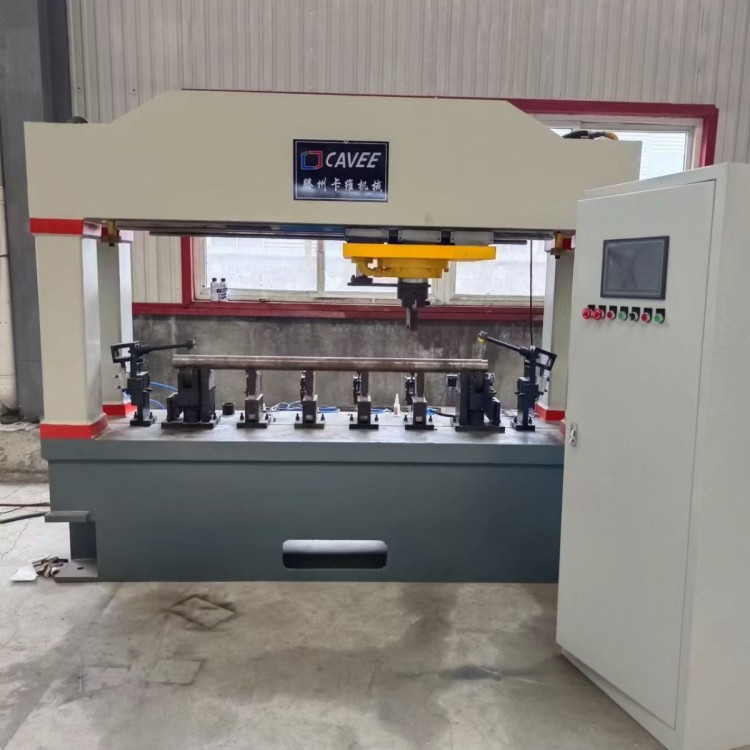
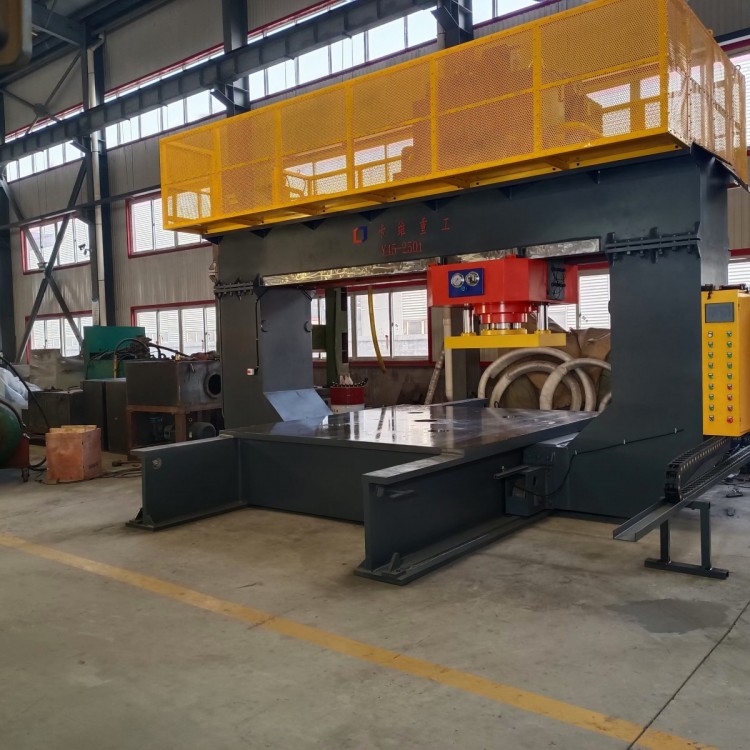
Hydraulic and pneumatic power machinery (excluding specia...

Initial jobless claims in the U.S. unexpectedly rose last week, but the number of layoffs in March plummeted, indicating that the job market's growth momentum remains unchanged. However, the improvement in the job market has not spurred strong wage growth, making a short-term interest rate hike by the Federal Reserve unlikely. The Fed also maintains a cautious watch on the global economic development.
China's rising labor costs are outpacing the increase in labor productivity, posing significant challenges to the competitive advantages of traditional manufacturing industries. Following the outbreak of the global financial crisis, the United States, Japan, and certain European countries, represented by France, have successively formulated and implemented "reindustrialization" strategies. This is both an important measure to address the financial crisis and a major adjustment to the industrial service-oriented and financialization trends implemented over the past many years. It is an attempt to change the long-term strategy of "industrial hollowing out." What impact the reindustrialization strategies of developed countries will have on the global division of manufacturing is worth in-depth analysis.
With the introduction of national strategies like Germany's "Industry 4.0" and the U.S.'s "Industrial Internet," the trend of deep信息化 in the manufacturing sector is unstoppable, and a new industrial revolution is on the horizon. In response to this wave of industrial revolution, China first proposed the concepts of "Made in China 2025" and "Internet +" in the 2015 work report. In the 2016 National People's Congress, there was an even stronger emphasis on achieving breakthroughs in "Made in China + Internet" as soon as possible, and big data, cloud computing, and the Internet of Things were officially included in the 13th Five-Year Plan.
For a long time, "processing with supplied materials" was synonymous with "Made in China," and the phrase "eight billion shirts for one airplane" once epitomized the pain of Chinese manufacturing. Now, with economic transformation and upgrading, the implementation of innovation strategies, China's high-speed rail winning overseas contracts, nuclear power stepping out of the country, and smartphones dominating the international market... "Made in China" is increasingly attracting the world with its image of "Intelligent Made in China." Under the pressure of economic downturn, how to focus more on the high-end of the value chain in Chinese manufacturing, and how to create more brands and high-quality products, have been outlined in the "13th Five-Year Plan," which guides China's development over the next five years and sets a clear path for the transformation and upgrade of "Made in China."
As China's economy has evolved, the outdated approach of relying solely on investment has become ineffective. China aims to allocate more resources towards innovation-driven growth. In 2015, the "Five Development Concepts" proposed by the central government prioritized "innovation." It was also in this year that Premier Li Keqiang explicitly advocated for "mass entrepreneurship and mass innovation." Over the past year and a half, China has implemented numerous measures to promote innovation-driven growth.
In recent years, the demand for machine tools in Russia has shown a steady growth trend. However, Russia's own production capacity and technological level are far from meeting market demands, leading to a heavy reliance on imports, primarily from Europe and Japan. This collaboration between Kaveh and the Russian hydraulic press market will achieve...Four-column hydraulic pressLocalization of machine tools within Russia, which can break through the limitations of non-market barriers, thus entering the procurement field in Russia; at the same time, showcasing the production capabilities of both companies, enhancing the sales volume of the company's machine tool products in Russia.
In summary, the reindustrialization strategy of developed countries will delay the relocation of their high-end manufacturing and accelerate technological breakthroughs and industrialization in emerging industries. This will be beneficial for developed countries to maintain their advantageous positions in high-end manufacturing and strategic emerging industries. Simultaneously, the acceleration of emerging industries in developed countries will stimulate emerging economies and other nations to increase investment and policy support for these industries, thereby speeding up their development.
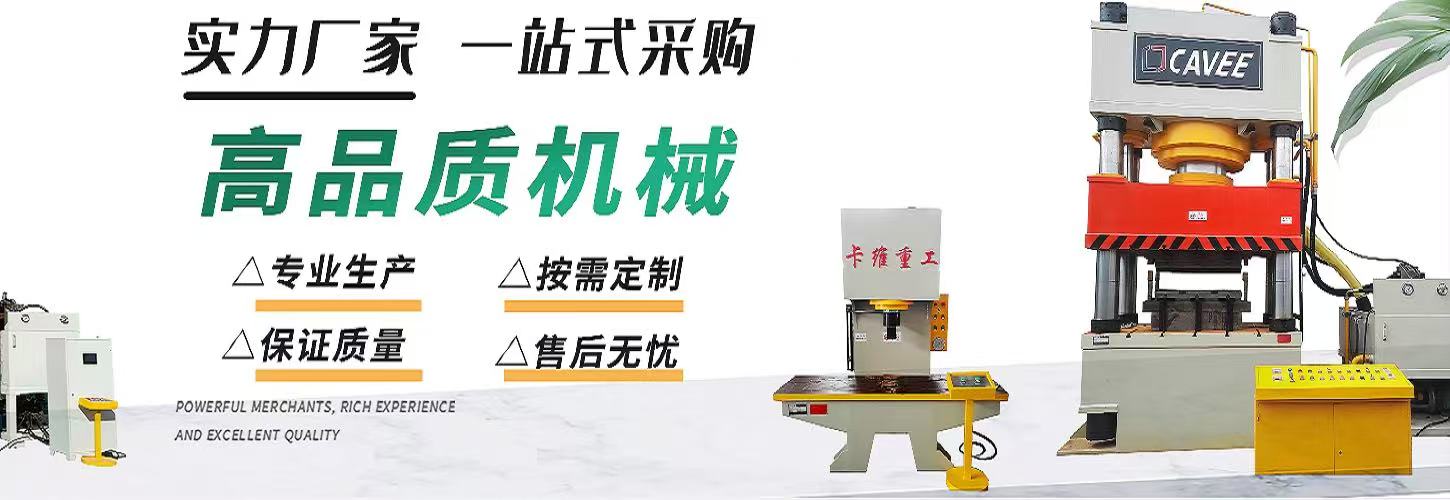
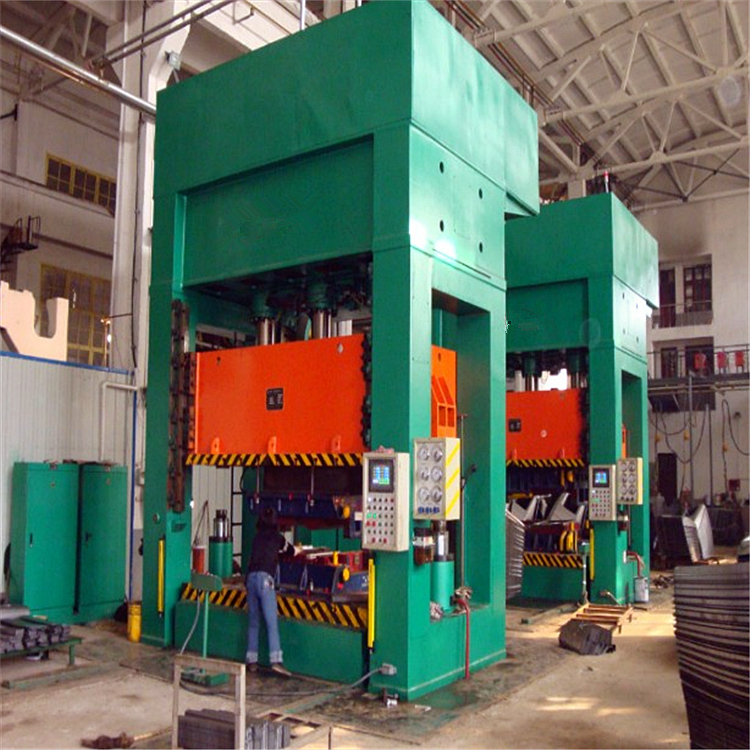
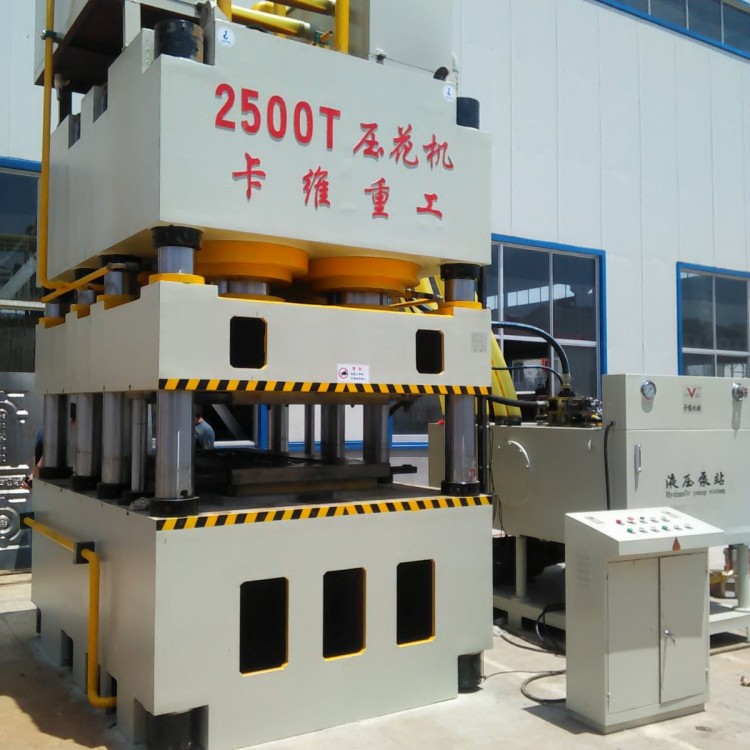
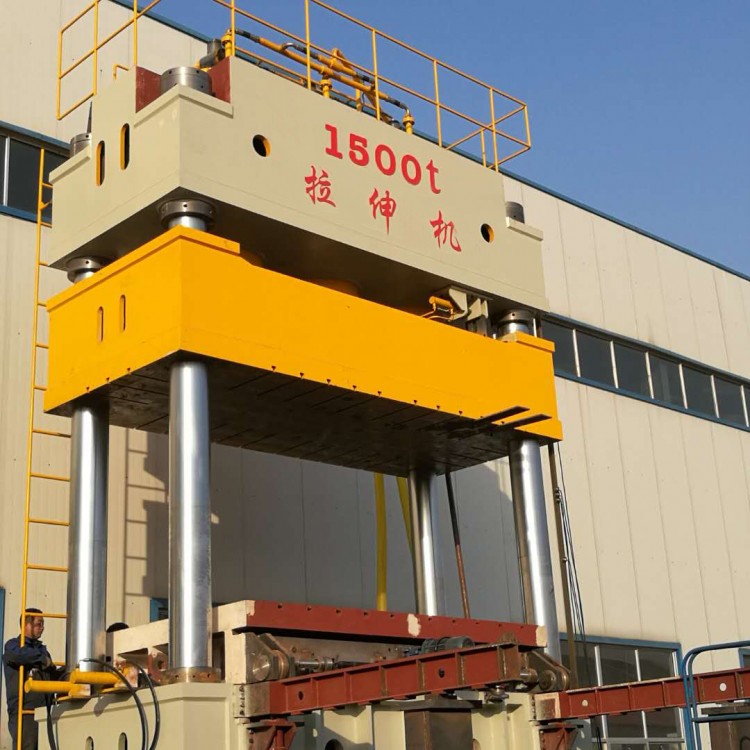
Tengzhou Kawei Machinery & Equipment Co., Ltd. was established in 2000, boasting 15 years of machining expertise, high-quality products, and meeting our customers' needs to the fullest; competitive pricing reflects our manufacturing prowess; high efficiency reduces production costs; and exceptional service builds our golden brand. The company continually strives for excellence, introducing German FESTO technology and integrating the essence of Western hydraulic technology to develop various sizes of 5000T and below hydraulic presses, including large table and high-tonnage four-column hydraulic presses and single-armed hydraulic presses. Our products are widely used across various industries, adding luster to China's industrial development. With convenient transportation, advanced information, and a spirit of perseverance, we are committed to continuous progress. We have the capability to ensure the long and rapid growth of our enterprise and the confidence to create greater value for people. We cultivate our own tomorrow with hard work and the sweat of our labor.


b2b.china9.net © Zhongshang 114 Hebei Network Technology Co., Ltd.Address: Room 6009, Oriental New World Center, No.118 East Zhongshan Road, Qiaoxi District, Shijiazhuang City, Hebei ProvincePlatform Service Hotline: 4006299930