






详情描述
Horizontal Injection Molding Machine
1. Even large aircraft can be accommodated without height restrictions for the facility.
Angle Plastic Injection Molding Machine
Angle-type Injection Molding Machine
2. Products can be automatically dropped, allowing for automatic shaping without the need for a robotic arm.
3. Low body profile for easy material supply and maintenance.
4. Molds must be installed using a crane.
5. When arranged in parallel, the molded products are easily collected and packaged by the conveyor belt.
Angle mold injection machine
The axis of the screw in the angular injection molding machine is arranged perpendicularly to the movement axis of the mold clamping mechanism template, with its advantages and disadvantages lying between vertical and horizontal machines. Since the direction and the parting surface of the mold are on the same plane, angular injection molding machines are suitable for molds with asymmetric geometries that require side gates or for products where the molding center does not allow gate marks.
Two-color Injection Molding Machine
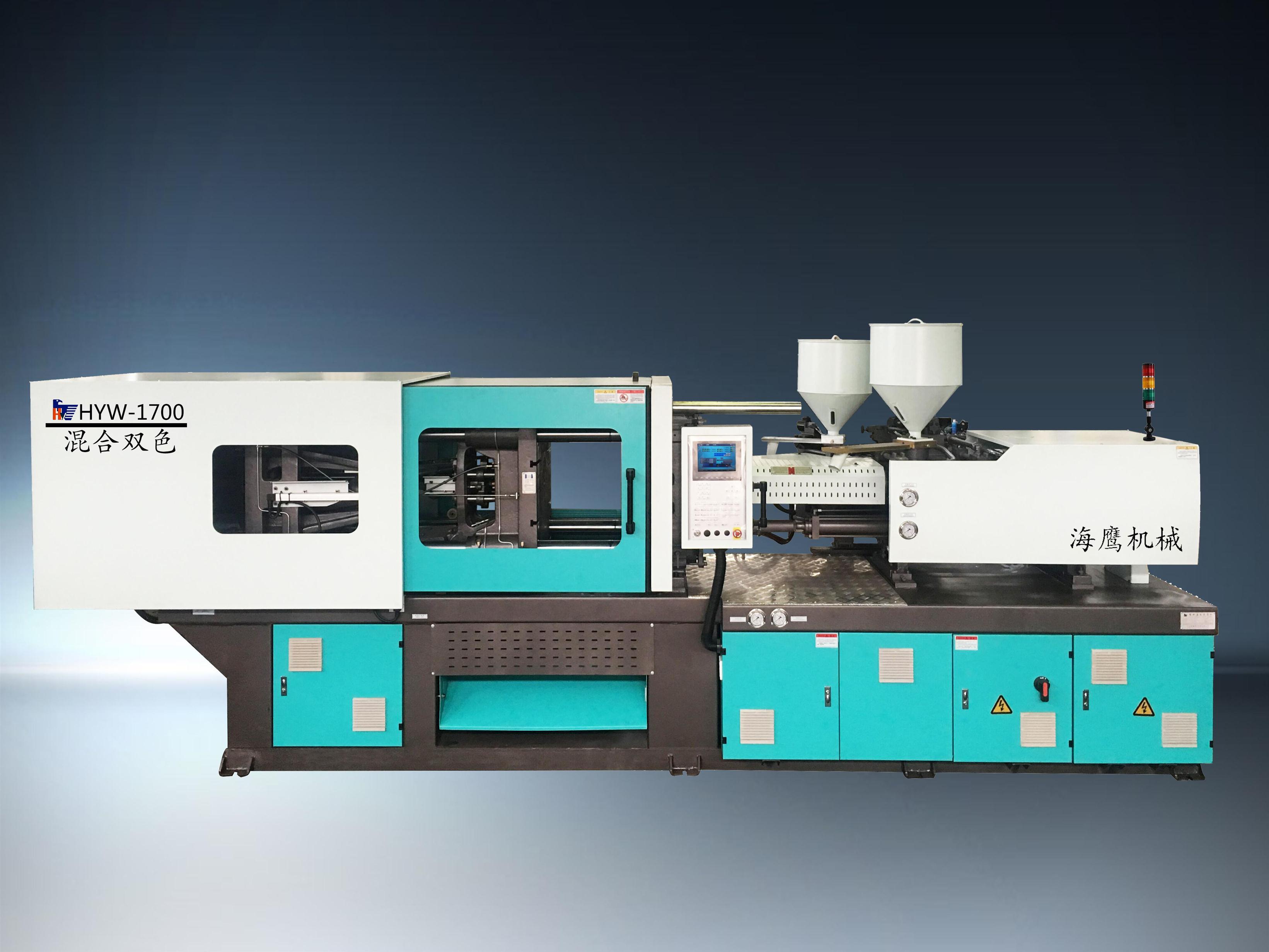
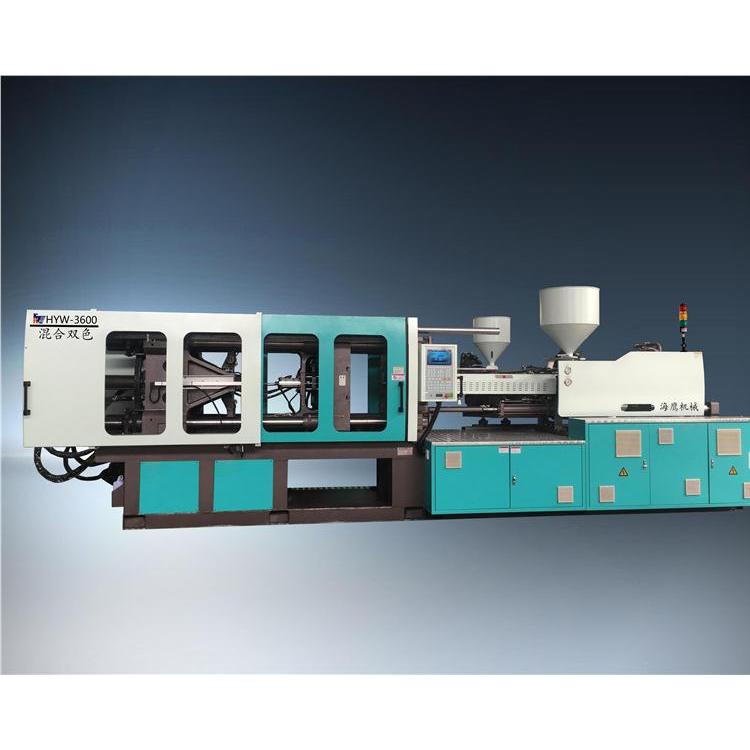
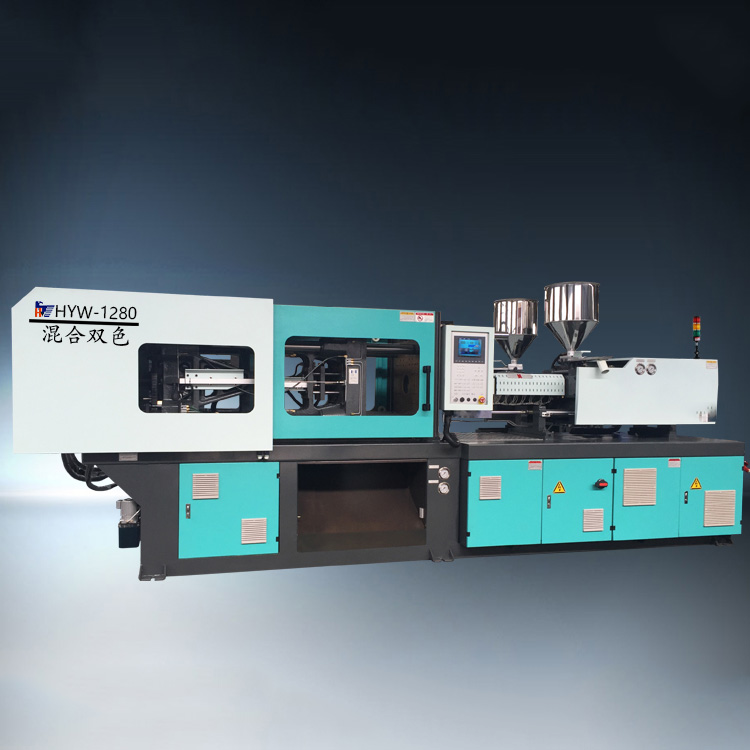
A two-color injection molding machine that can meet consumer aesthetic requirements and enhance user comfort.
Multi-station molding machine
The device has two or more working positions in conjunction with the clamping device, and can also be arranged in various configurations with the clamping device.
Electric Injection Molding Machine
All-electric injection molding machines not only meet the requirements of the application but also offer more advantages than conventional injection molding machines.
Another advantage of fully electric injection molding machines is their ability to reduce noise, benefiting workers and also lowering the investment and construction costs for soundproofed production facilities.
The evaluation of plastic products primarily focuses on three aspects: appearance quality, including integrity, color, and luster; secondly, the accuracy of dimensions and relative positions; and thirdly, the corresponding physical, chemical, and electrical properties for their intended use. These quality requirements vary in scale depending on the product's application. The main defects in products lie in mold design, manufacturing precision, and wear. However, in reality, technical staff at plastic processing plants often struggle with the ineffective challenge of addressing mold defects through process methods.
During the production process, adjusting the production techniques is a necessary approach to enhance the quality and output of the products. Since the injection molding cycle is inherently short, if the process conditions are not well managed, defective products will continuously emerge. When adjusting the process, change only one condition at a time and observe several times more. If pressure, temperature, and time are all adjusted simultaneously, it's easy to cause confusion and misunderstandings, and it becomes unclear what went wrong. The measures and methods for adjusting the process are multifaceted. For instance, to address the issue of insufficient filling in the product, there are over a dozen potential solutions. To truly resolve the problem, it is essential to select one or two key strategies that target the root cause. Moreover, attention should be given to the dialectical relationship within the solutions. For example, if the product has indentation, sometimes it's necessary to increase the material temperature, and sometimes to decrease it; sometimes more material is needed, and sometimes less. The feasibility of reverse measures in solving problems should be acknowledged.

Key Operating Points
Before powering on
Before operating the injection molding machine, check if there is any water or oil in the electrical control box. If the electrical components are damp, do not turn on the machine. A maintenance person should dry the electrical parts before turning it on.
2. Before operating the injection molding machine, check if the power supply voltage is correct; it generally should not exceed ±6%.
Injection Molding Machine Operation
Injection Molding Machine Operation
3. Check the emergency stop switch and the front and rear safety door switches for proper operation. Verify that the rotation direction of the motor and the oil pump is the same.
4. Inspect if all cooling pipes are clear for long-distance travel, and fill the oil cooler and cylinder end water jackets with cooling water.
Before operating the injection molding machine, check if all moving parts are properly lubricated and add sufficient lubricant.
6. Turn on the electric heater to heat each section of the barrel. Once the temperatures reach the required levels, maintain the heat for a period to stabilize the machine's temperature. The保温 time varies depending on the equipment and the plastic material used.
7. Ensure the hopper is adequately filled with plastic. Some materials are dried first, depending on the requirements of the injection molding process for different types of plastic.
8. Ensure the insulating cover on the cylinder is properly sealed. This not only saves electrical energy but also extends the lifespan of the electric heating coil and the current contactor [1].
Operation Process
Don't arbitrarily cancel the function of the safety door for the sake of convenience.
2. Monitor the temperature of the pressure oil, ensuring it does not exceed the specified limits. The ideal operating temperature for hydraulic oil should be maintained between 45-50°C, generally within the range of 35-60°C is suitable.
3. Be mindful to adjust the travel switches to prevent the machine from making impacts during operation.
Work completed
After the injection molding machine operation is completed, the plastic inside the barrel should be cleaned thoroughly to prevent leftover material from oxidizing or decomposing over a long period due to heat.
2. Open the mold to lock the arm rod mechanism in the closed position.
3. The workshop must be equipped with lifting devices. Extra care must be taken during the assembly and disassembly of molds to ensure production safety.

Structural Function
Composition
The zy-623 injection molding machine typically consists of a system, clamping system, hydraulic transmission system, electrical control system, lubrication system, heating and cooling system, and safety monitoring system.
System
The System's Role: The system is one of the main components of the injection molding machine, generally available in plunger, screw, and screw-premelting plunger types.
Three main forms of injection types. The widely used one is the screw-type. Its function is to, within a cycle of the injection molding machine, heat and plasticize a certain amount of plastic within a specified time, and then inject the molten plastic into the mold cavity under certain pressure and speed through the screw. After completion, maintain the shape of the molten material in the mold cavity.
The system composition: The system consists of a plasticizing unit and a power transmission unit.
The screw injection molding machine plasticizing unit is mainly composed of the feeding unit, barrel, screw, melt delivery component, and nozzle section. The power transmission device includes the oil cylinder, seat moving oil cylinder, and screw drive unit (melt motor).
Molding System
The role of the clamping system: The function of the clamping system is to ensure the closure, opening, and ejection of the product from the mold. Additionally, after the mold is closed, it supplies the mold with sufficient clamping force to resist the mold cavity pressure generated by the melt entering the mold cavity, preventing the mold from opening and causing defects in the product.
The mold system composition: The mold system is mainly composed of the mold unit, machine jack, mold adjusting mechanism, ejection mechanism, front and rear fixed molds, moving mold, mold cylinder, and safety protection mechanism.
Hydraulic System
The hydraulic transmission system's role is to provide power for the various actions required by the molding machine during the process, and to meet the requirements of pressure, speed, and temperature for all parts of the molding machine. It is mainly composed of various hydraulic components, with the oil pump and motor serving as the power source for the molding machine. Various valves control the pressure and flow of the oil to meet the requirements of the molding process.
Electrical Control
Electrical control systems and hydraulic systems are reasonably matched to meet the machine's process requirements (pressure, temperature, speed, time) and various program actions. They are mainly composed of electrical equipment, electronic components, instruments (as shown in the right figure), heaters, sensors, etc. Generally, there are four control methods: manual, semi-automatic, fully automatic, and adjustable.
Heating/Cooling
The heating system is used to heat the barrel and nozzle. The injection molding machine barrel typically uses an electric heating element as the heating device, which is installed on the exterior of the barrel and monitored by thermocouples in segments. Heat is conducted through the barrel wall to provide a heat source for material plasticization. The cooling system is mainly for cooling the oil temperature, as excessive oil temperature can cause various malfunctions, thus it must be controlled. Another location requiring cooling is near the discharge mouth of the hopper, to prevent the raw material from melting at the discharge mouth, which could lead to improper material discharge.
Lubrication System
The lubrication system provides lubrication conditions for the mold moving template, mold adjusting device, connecting rod hinge, and injection platform of the injection molding machine, where relative motion occurs, to reduce energy consumption and extend part life. Lubrication can be either regular manual lubrication or automatic electric lubrication.
Safety Monitoring
The safety device of the injection molding machine is mainly used to protect the safety of both people and machines. It consists primarily of safety gates, guard plates, hydraulic valves, limit switches, photoelectric sensors, etc., to achieve an interlock protection system of electrical - mechanical - hydraulic.
The monitoring system primarily monitors the oil and material temperatures of the injection molding machine, system overload, as well as process and equipment malfunctions, indicating or alarming for any abnormal conditions.


