



详情描述
Working Principle
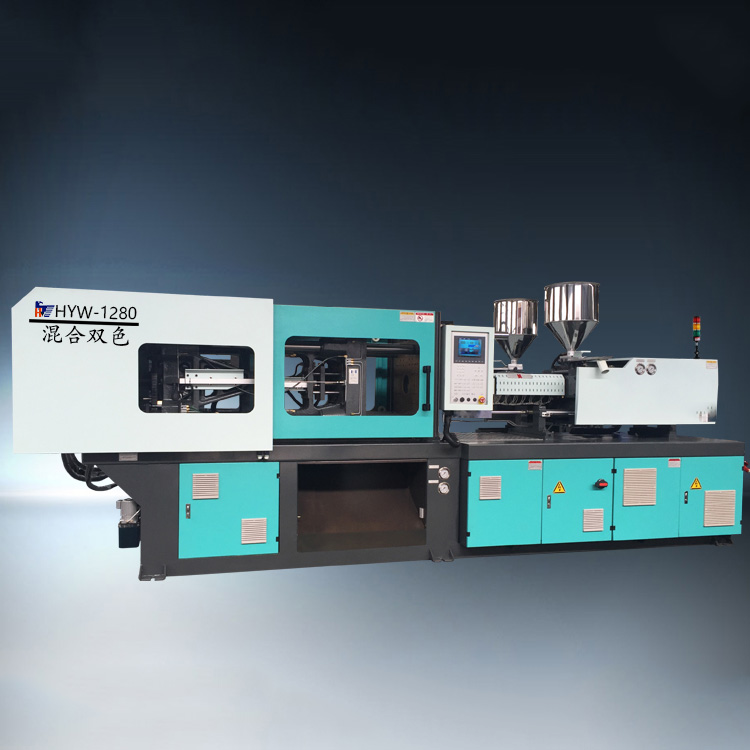
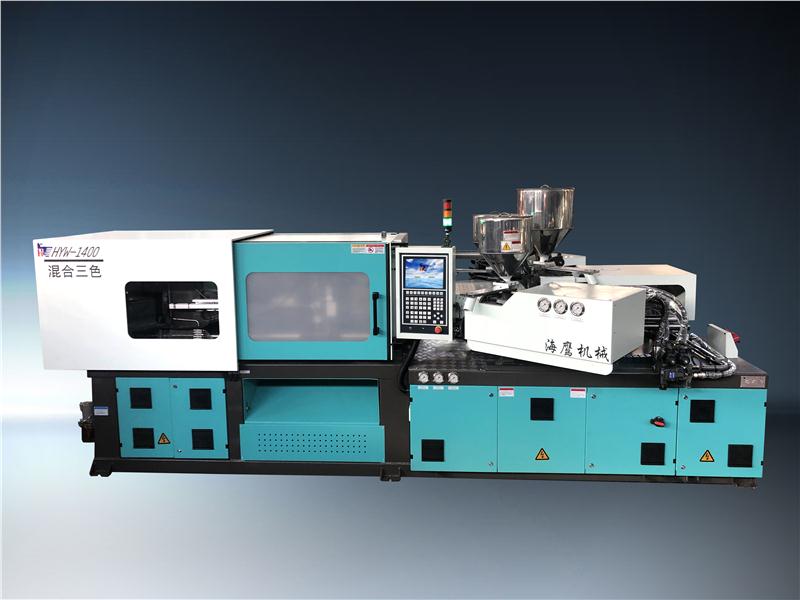
The working principle of injection molding machines is similar, utilizing the thrust of a screw (or plunger) to inject the melted, plasticized state (i.e., the viscous flow state) of plastic into a closed mold cavity. After curing and shaping, the finished product is obtained.
Injection molding is a cyclic process, with each cycle mainly including: quantitative feeding—melting and plasticizing—pressure injection—molding and cooling—mold opening and part removal. After the plastic part is removed, the mold is closed again for the next cycle.
Injection Molding Machine Operations: The operation items of the injection molding machine encompass three aspects: control panel operation, electrical control system operation, and hydraulic system operation. These include selecting actions for the injection process, feeding, injection pressure, injection speed, and ejection type, monitoring the temperature of each section of the barrel, and adjusting the injection pressure and back pressure.
The molding process of general screw-type injection molding machines is as follows: Firstly, granular or powdered plastic is added to the barrel, and then melted by the rotation of the screw and the heating of the barrel wall. Afterward, the machine closes the mold and moves the injection cylinder forward, making the nozzle tightly adhere to the sprue of the mold. Next, pressure oil is introduced into the injection cylinder, pushing the screw forward at high pressure and speed to inject the melted material into the cooler closed mold. After a certain period of time and pressure holding (also known as holding pressure), cooling occurs, solidifying the material into the desired shape. The mold can then be opened to remove the product. The purpose of holding pressure is to prevent backflow of melt in the mold cavity, to replenish material into the mold cavity, and to ensure the product has certain density and dimensional tolerances. The basic requirements for injection molding are plasticization, injection, and molding. Plasticization is the prerequisite for achieving and ensuring the quality of the molded product, and injection must ensure sufficient pressure and speed to meet the molding requirements. Additionally, due to the high injection pressure, a correspondingly high pressure is generated in the mold cavity (the average pressure in the mold cavity is generally between 20~45MPa), thus requiring sufficient clamping force. It is evident that the injection unit and the clamping unit are the key components of the injection molding machine.
Energy-saving and consumption reduction
The energy-saving aspects of an injection molding machine can be divided into two parts: the power section and the heating section.
Energy-saving in the power section: Most use variable-frequency drives. The energy-saving method is to reduce the excess energy consumption of the motor, for example, if the motor's actual power is 50Hz, but in production, you only need 30Hz, the extra energy consumption is wasted. The variable-frequency drive adjusts the motor's power output to achieve energy-saving effects.
Energy-saving in heating section: The energy-saving in the heating section is mostly achieved through electromagnetic heaters, with an energy-saving rate of about 30%-70% higher than that of the old-fashioned resistance coils.
Compared to resistance heating, electromagnetic heaters feature an additional insulation layer, enhancing the thermal energy utilization.
2. Compared to resistance heating, electromagnetic heaters directly heat the material tube, reducing heat transfer energy loss.
3. Compared to resistance heating, electromagnetic heaters offer a quarter faster heating speed, reducing the heating time significantly.
4. Compared to resistance heating, electromagnetic heaters heat up faster, boosting production efficiency. This keeps the motor in a saturated state, reducing electrical energy loss caused by high power and low demand.
The above four points are the reasons why Feiru electromagnetic heaters can achieve energy savings of up to 30%-70% on injection molding machines.
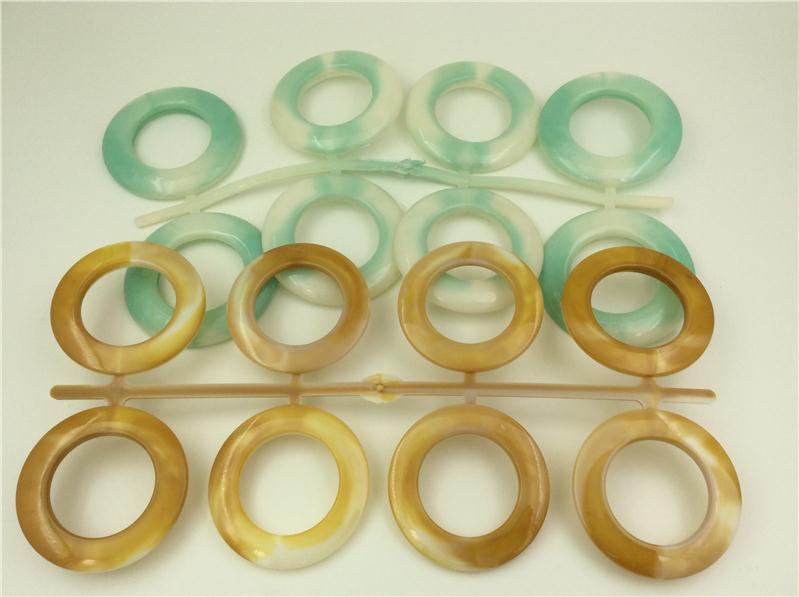
Evaluations of plastic products primarily focus on three aspects: appearance quality, including integrity, color, and luster; secondly, the accuracy of dimensions and relative positions; and thirdly, the corresponding physical, chemical, and electrical properties for their intended use. These quality requirements vary in scale depending on the product's application. Defects in products mainly stem from mold design, manufacturing precision, and wear. However, in reality, technical staff at plastic processing plants often struggle with the challenge of addressing mold defects through process methods, which often yield limited success.
Process adjustment during production is essential for improving product quality and yield. Since the injection molding cycle is inherently short, if the process conditions are not properly managed, defective products will keep flowing in. When adjusting the process, change only one condition at a time and observe multiple times. If pressure, temperature, and time are all adjusted simultaneously, it can easily lead to confusion and misunderstanding, and it may be unclear what caused the problem. The measures and methods for adjusting the process are diverse. For example, there are over a dozen possible solutions to address the issue of insufficient product filling. To truly solve the problem, one must select one or two key approaches that target the root cause. Additionally, attention should be given to the dialectical relationship within the solutions. For instance, if products have indentations, sometimes the material temperature needs to be increased, and sometimes it needs to be decreased; sometimes the material quantity needs to be increased, and sometimes it needs to be reduced. The feasibility of reverse measures in solving problems should be acknowledged.