Focused on manufacturing chemical and GMP equipment, incl...

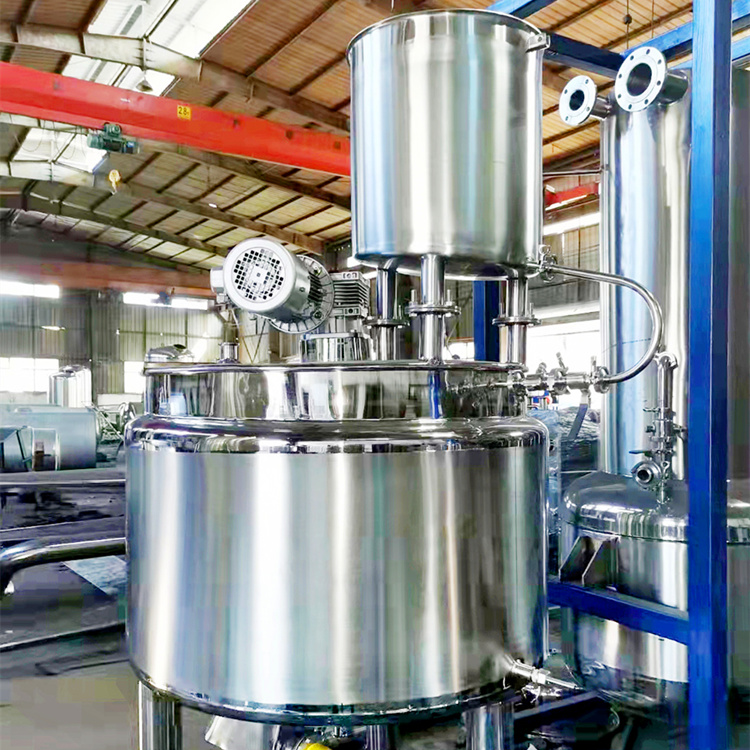
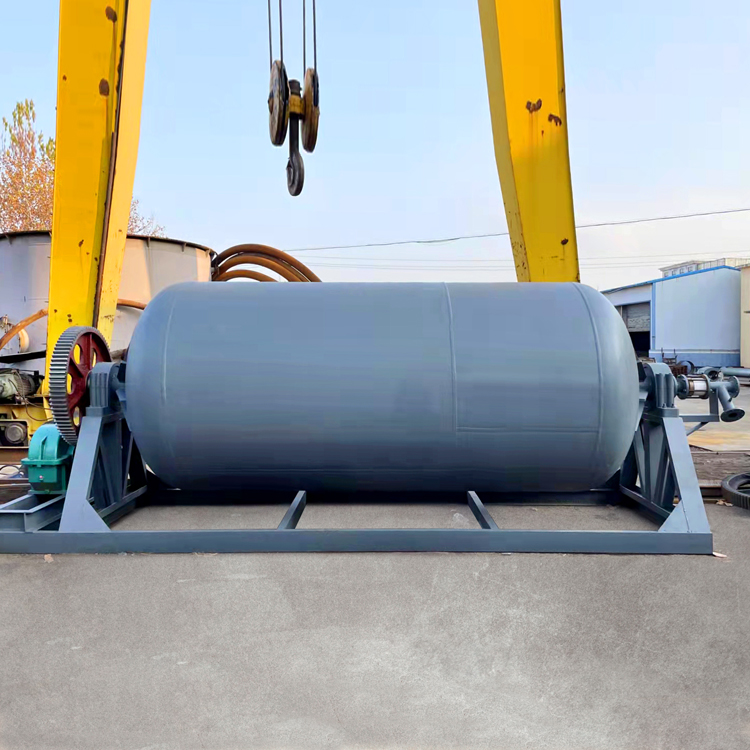
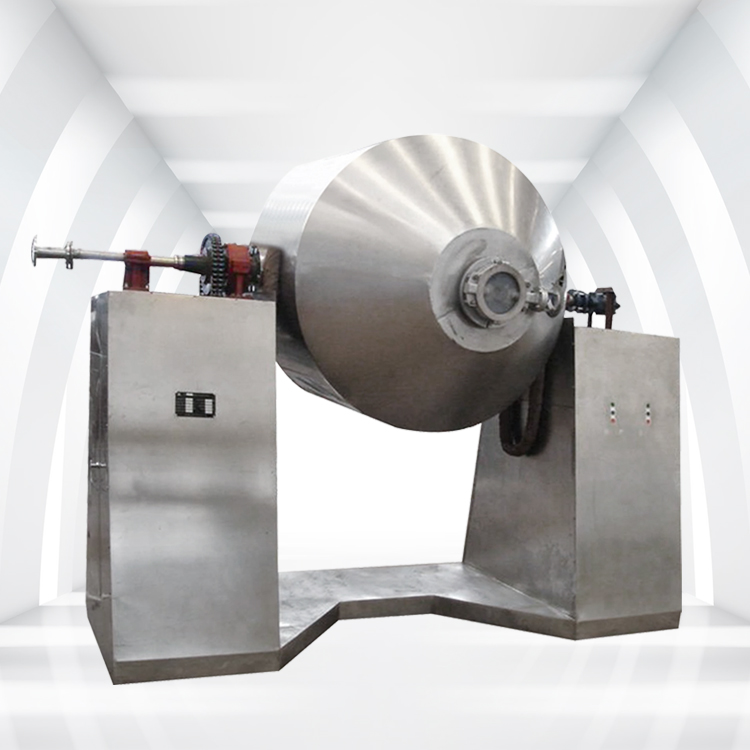
A stainless steel reactor is a reaction equipment classified as a pressure vessel. It must be operated strictly in accordance with regulations and procedures, with due caution, as damage and personal injury can occur due to various reasons, leading to the forced halt of production. Risks are inevitable in any industry. Avoiding risks is crucial, and attention should be paid to multiple aspects during operation. Before operation, it is essential to carefully inspect the daily-used stainless steel reactor for any abnormalities, and become more familiar with the functional characteristics of the reactor used in your own company, such as troubleshooting for normal operations, reasons for installing flow baffles inside the reactor, and so on.
Today, I want to share with you the effects and uses of some common equipment.
1. The reason for installing baffles is to prevent the occurrence of vortex phenomena. Effect: When the material has a low viscosity, the stirrer rotates at high speed, and under the action of centrifugal force, it generates tangential flow, allowing the liquid to be thrown around the pot wall and rise along the circumference of the pot. The center liquid level naturally decreases, forming a large cavity inside the stainless steel reaction pot. We collectively refer to this phenomenon as a vortex. The swirling material rotates closely around the stirrer shaft, resulting in poor mixing effects. If there are many solid-liquid materials in the mixture, phase separation or stratification may occur. When the material has a high viscosity, the outer surface of the liquid layer will absorb a large amount of air, reducing the apparent density of the liquid. This can cause the stirrer shaft to vibrate under different effective forces, and even due to the large-scale of the reaction pot, the entire platform may vibrate.
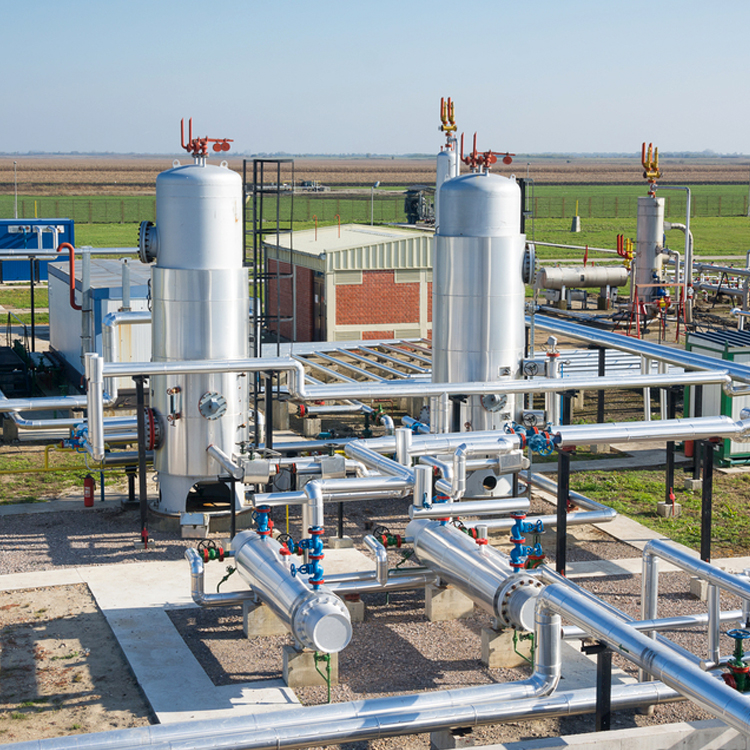
2. Our daily-used stainless steel reaction vessels require the installation of anti-static features, specifically anti-static flat ground machines. After the autoclave passes through a filter, before the fluid enters the storage tank, an anti-static reducer is installed. This prevents the mixing of water and autoclave media, as well as the mixing of different media. It also prevents the mixing of liquid media, oil and gas with compressed air. Even if the storage tank is dehydrated, special attention must be given to dehydration before feeding. The method of medium injection is controlled, and the medium should be injected from the bottom of the tank, with an effort to prevent injection from the top of the tank and bridging. The floating roof of the floating roof tank should be bridged with the tank wall; when using insulating materials or when insulating materials are corroded, the pipes should be bridged with valves, flowmeters, filters, pumps, etc. The flow rate of the medium is controlled, as higher flow rates are more prone to static electricity generation. Moreover, by adding anti-static additives to the autoclave, the static charge in the medium will not accumulate and will quickly leak to the ground through cross-charging grounding.
3. Three Key Points for High-Pressure Stainless Steel Reactor Disassembly: After unloading, the high-pressure stainless steel reactor should be cleaned immediately, and it must be disassembled before cleaning.
Now, let's explore three key considerations for unloading high-pressure stainless steel reactors.
1. Inject the reaction solvent into the kettle from the exhaust valve, washing away most of the residue, then add water and stir for about ten minutes. Only then can you open the kettle lid to clean the interior wall.
2. During cleaning, ensure the lid and sample valve are washed. When there's water in the pot, slightly fill it with nitrogen.
3. For stainless steel reaction vessels that are currently not in use, they can be soaked in 70% clean, anhydrous ethanol by volume, and then loosened.


b2b.china9.net © Zhongshang 114 Hebei Network Technology Co., Ltd.Address: Room 6009, Oriental New World Center, No.118 East Zhongshan Road, Qiaoxi District, Shijiazhuang City, Hebei ProvincePlatform Service Hotline: 4006299930