




- AllProduct Category
-
Steel Tube Seat
Blender
Vacuum Concentration Equipment
Laminate Flooring Line
Ultrasonic Humidifier
Through-Flow Sterilization Equipment
Biomass Pellet Burner
Plywood Gluing Machine
Louvered dryer
Three-tube Dryer
Asphalt Mixing Plant
Lifting Equipment
Belt Conveyor
Heating Equipment
Purification Engineering
Waste Gas Treatment Equipment
Arsenic Recovery Equipment from Smelting Waste
Battery Drying Machine
Insulating Material Drying Equipment
Airflow Dryer
Incinerator
Vacuum Wood Carbonization Equipment
Vacuum Series
Vacuum Insulation Panel Heat Shrink Machine
Combustion System
Insulation Decorative Panel Drying Machine
Painting Equipment
Corrugated Paper Dryer
Paper Tube Drying Equipment
Vacuum Wax Injection Machine
Wood Heat Treatment Pest Control Equipment
Hot Water Heating Wood Drying Equipment
Electrically Heated Wood Drying Equipment
Hot Air Wood Drying Equipment
Thermal Oil Wood Drying Equipment
Wood Drying Equipment
Steam Wood Drying Equipment
Dust Removal Equipment
Gas/Oil Hot Air Furnace
Vacuum Dryer
Gypsum Board Dryer, Plywood Drying Machine
Tunnel Dryer
Drying Oven
Tumble Dryer
Drying Belt Oven
Wood veneer drying machine
Single-Board Drying Machine


Recommended Products
详情描述



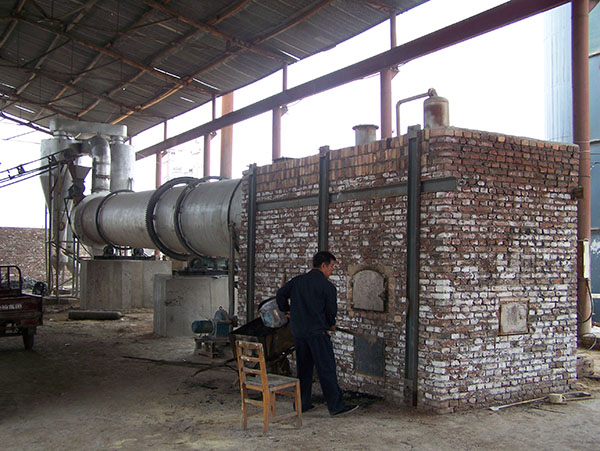
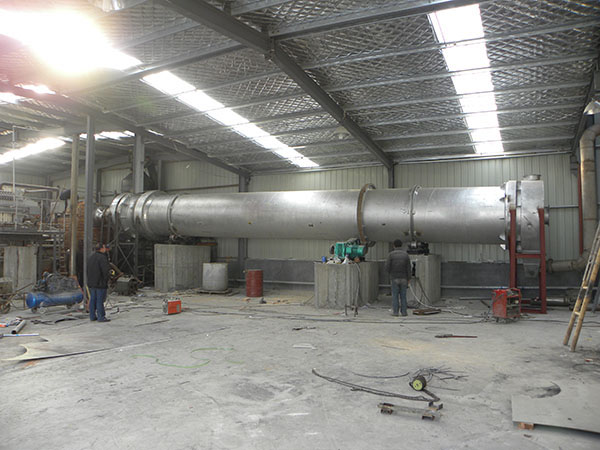
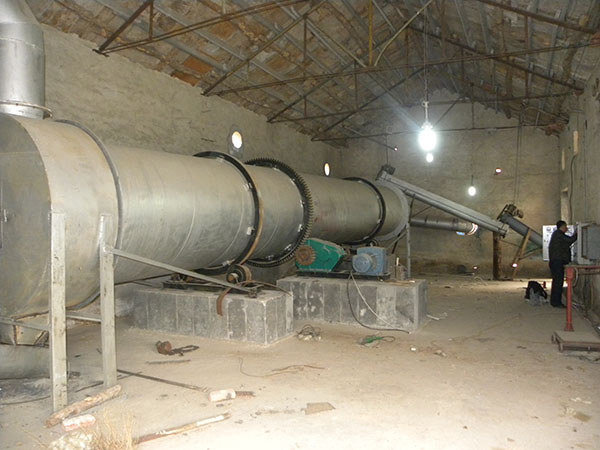
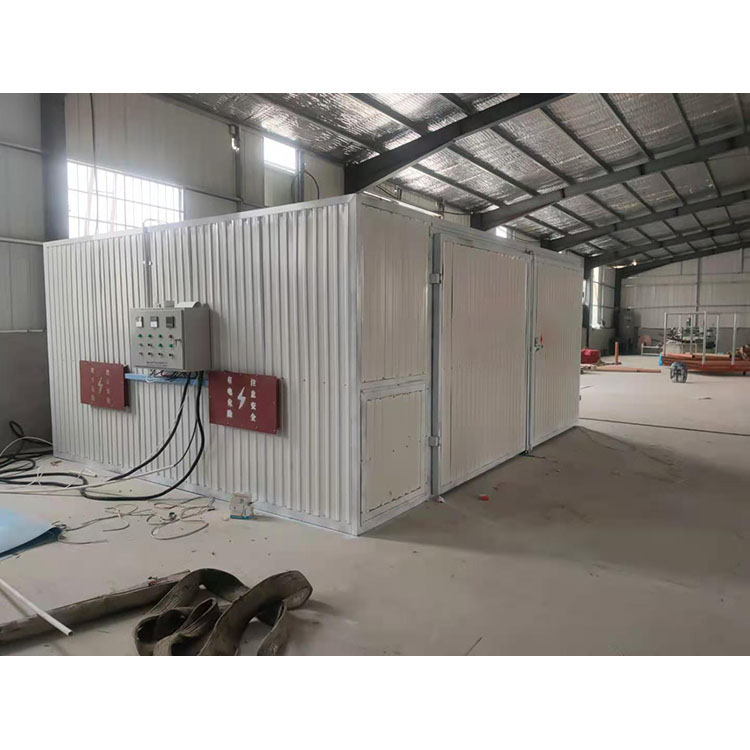
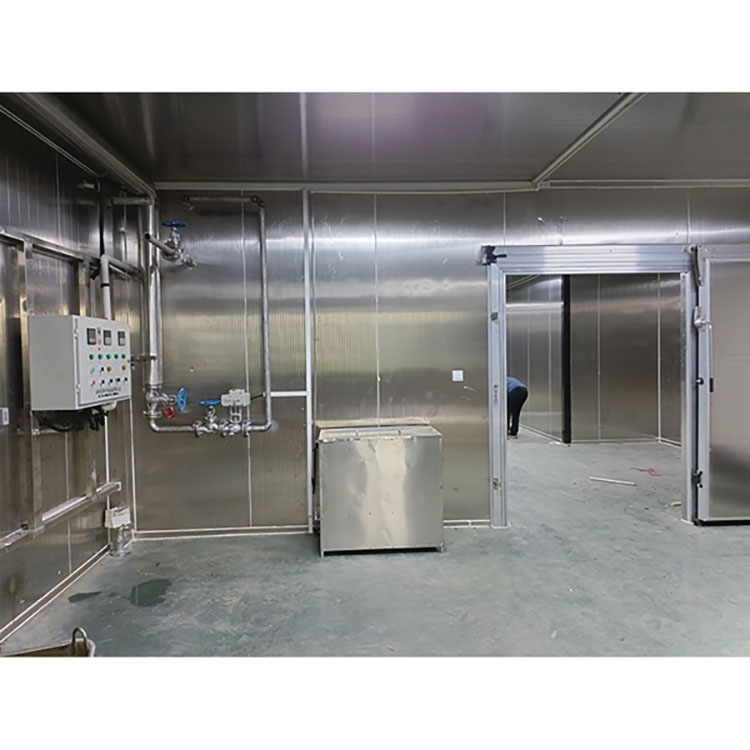
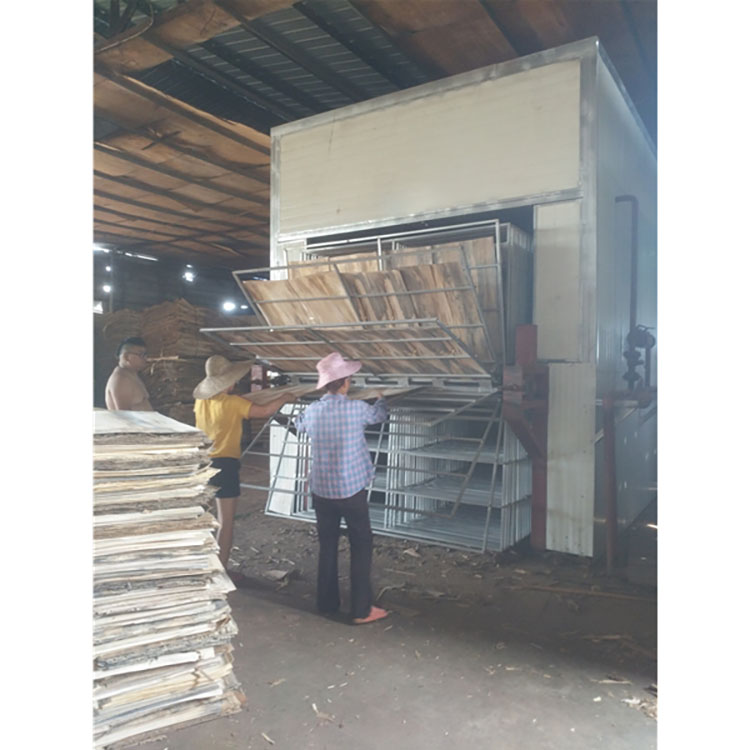
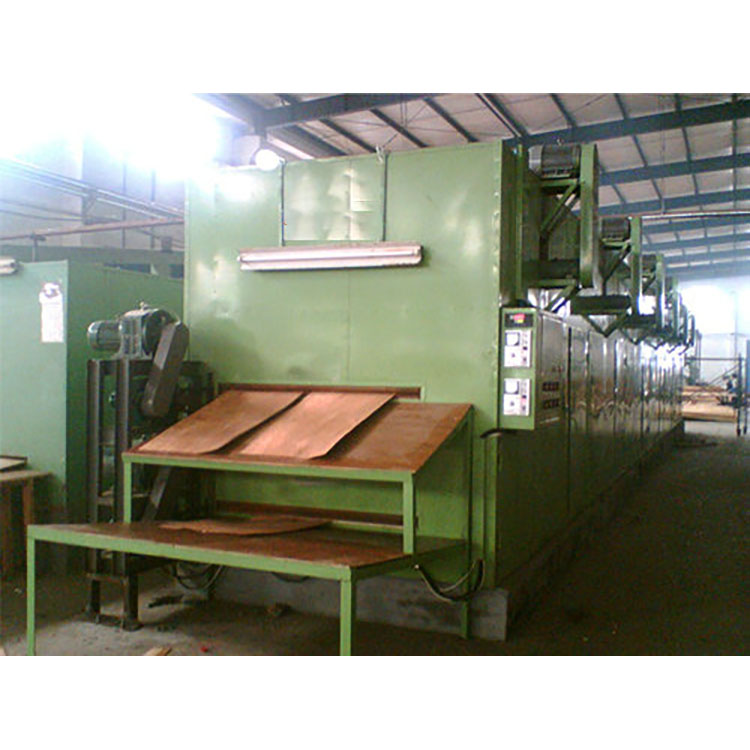
Tunnel dryer features:
Our drum dryer boasts high production capacity and continuous operation capabilities; it features a simple structure with minimal faults, easy operation, and low maintenance costs, ensuring stable performance. Its wide application range allows for drying powdery, granular, strip, and blocky materials with great operational flexibility, accommodating significant fluctuations in output without compromising product quality.
Scope of Application: Drum Dryer
[Chemical Industry]: Ammonium sulfate, sodium sulfide, anthraquinone, urea, oxalic acid, polyvinyl chloride, calcium magnesium phosphate fertilizer, compound fertilizer.
Food Industry: Salt, Sugar, Malted Milk Powder, Granulated Sugar
【Minerals】: Talc powder, Bentonite, Titanium concentrate, Coal, Manganese ore, Pyrite, Limestone, Peat
[Others]: Iron powder, flat soybeans, scrap abrasive, matchsticks, wood shavings, lees
Tunnel Dryer Technical Specifications:
Tumble Dryer Overview
Tumble dryer mechanical structure and working principle
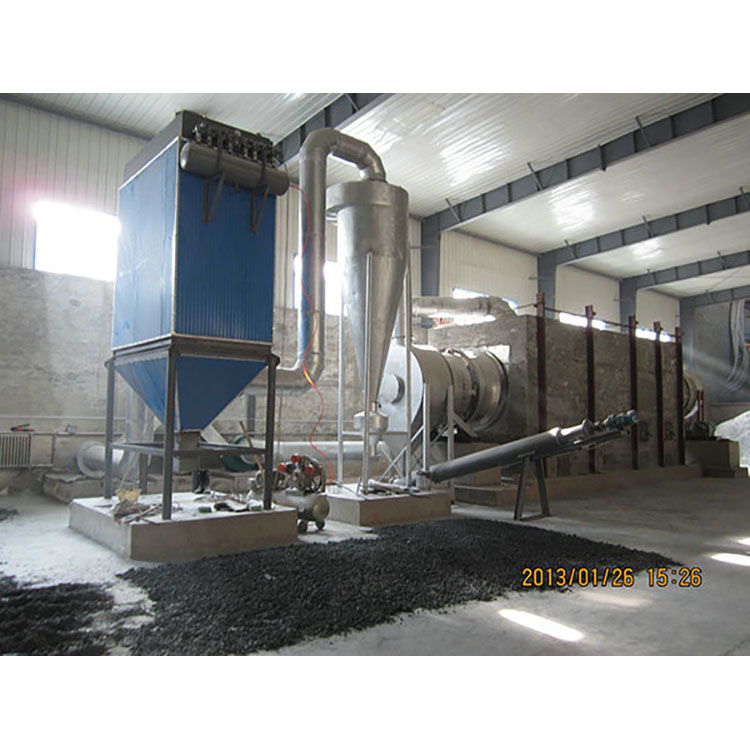
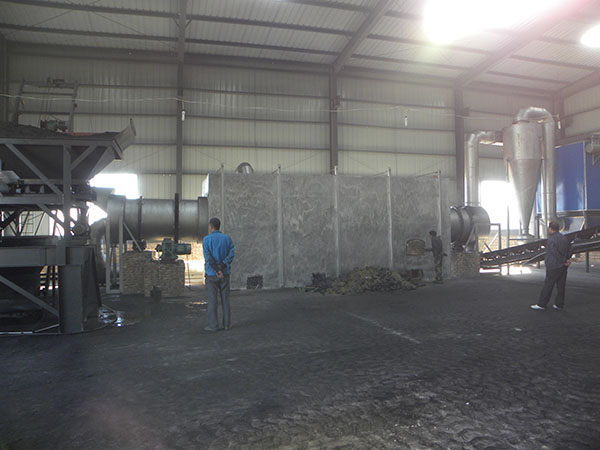
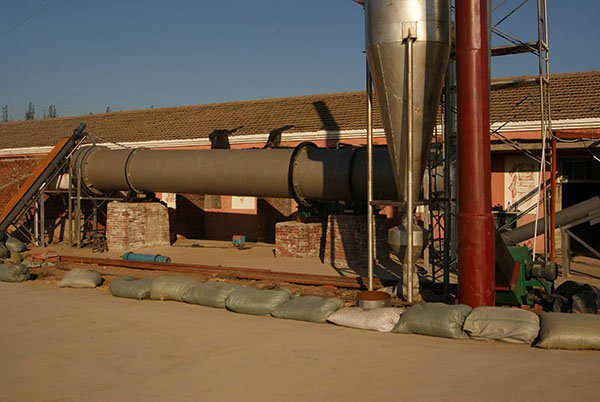
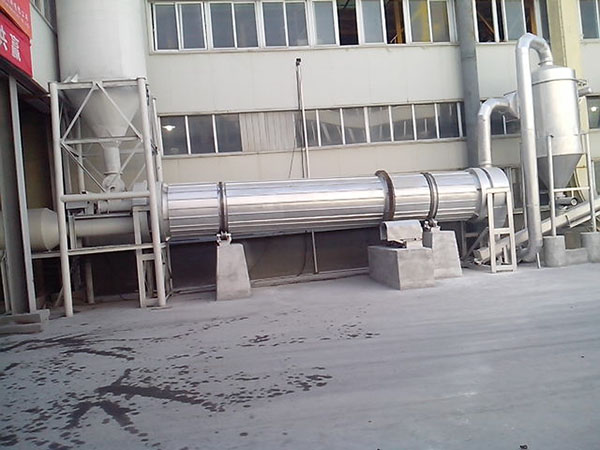
The direct-heat rotary drum dryer is mainly composed of a heat source, a feeding machine, an inlet machine, a rotating drum, an outlet machine, an induced draft fan, a discharging device, and a power distribution cabinet. After the wet material is dehydrated, it enters the dryer and is evenly distributed by the flipping blades inside the drum. The material is uniformly dispersed within the dryer and comes into full contact with the hot air, accelerating the heat and mass transfer. During the drying process, under the action of the inclined blades and the hot gas, the material is discharged as finished product at the other end of the dryer. It is suitable for the drying of talcum powder.
Main Features of the Drum Drying Machine
The roller dryer has a high degree of mechanization, with a large production capacity and can operate continuously.
2. Well-structured, simple, with smooth operation through cylinder resistance and easy to handle.
3. Few malfunctions, low maintenance costs, and low power consumption.
4. Wide application range and excellent uniformity in product drying.
High drying temperature, strong drying intensity, low cost of use
Revolving Drum Dryer (Tumbler Dryer) Working Principle:
Dry wet material is conveyed to the hopper by a belt conveyor or a bucket elevator, then it enters the feeding end through the feeding pipeline from the hopper's feeder. The slope of the feeding pipeline must be greater than the natural angle of repose of the material to ensure smooth flow into the dryer. The dryer drum is a rotating drum slightly inclined from the horizontal line. Material is added from the higher end, while the heat carrier enters from the lower end, contacting the material in a countercurrent manner; some heat carriers also enter the drum in a concurrent flow with the material. As the drum rotates, the material moves under gravity to the lower end. During the forward movement of the wet material within the drum, it is directly or indirectly heated by the heat carrier, allowing for drying. The dried material is then discharged at the outlet end via a belt conveyor or a screw conveyor. The drum dryer is equipped with lifting blades on the inner wall of the drum, which function to lift and scatter the material, increasing the contact surface with the airflow to enhance drying speed and promote material movement. Heat carriers typically include hot air, flue gas, etc. After passing through the dryer, the heat carrier usually requires a cyclone separator to collect the material carried in the gas. To further reduce the dust content in the exhaust gas, it should pass through a bag filter or a wet scrubber before being emitted.
Selection of heat carriers for drum dryer:
The heat carrier and the high temperature of the drum dryer are determined by the properties of the solid material being processed, as well as factors such as whether it allows contamination.
If the solid material being processed can withstand high temperatures and is not a finished product, and it is permissible for it to be slightly contaminated during the processing, flue gas can be used as a heat carrier, resulting in a higher volumetric evaporation rate and thermal efficiency. For example, in the drying of imported materials with high moisture content, when the gas inlet temperature is 300 degrees, the volumetric evaporation rate of the dryer is 5 kg/M3/h, and the thermal efficiency is 30%; if the gas inlet temperature is 500 degrees, the volumetric evaporation rate is 35 kg/M3/h, and the thermal efficiency is 70%. Therefore, for drum dryers that process materials like ore, sand, coal, and calcium superphosphate, the drum has a combustion furnace that directly produces flue gas. The gas fuel can be natural gas, oil gas, etc.
If the material being processed cannot be contaminated, hot air is used as the heat carrier. The hot air is heated by an air preheater, and the heating medium can be a steam heater, an electric heater, or heated air via a flue gas heater after preheating. It can also be heated using other industrial waste heat gases, or indirectly, where heat is transferred from the metal walls to the material being dried, such as in an externally heated drum dryer.
If the dried object is not to be contaminated and should not be diluted by air, heat should be transferred through the drum wall. In this case, the drum is loaded into the brick chamber, with flue gas passing through the outside. It can also be equipped with a central pipeline or a series of pipes inside the drum, as well as surface heat exchangers like sleeve pipes, utilizing heat transfer through the metal wall. The heat carrier can be flue gas, steam, or electrically heated. In the process of drying the material, only clean gas is used to carry away the evaporated moisture.
In summary, the selection of heat carriers should be based on material requirements and local natural advantages; otherwise, it may affect production efficiency and economic benefits.


