

- AllProduct Category
-
Logistics Container Series
Workstation Tool Series
Pallet Racks
Steel Platform
Assembly Line
Gravity Shelving
Layered Rack
Mesh Series
Shelving Units
Wire Rod Rack
cantilever racking
Fluent Shelves
Through-Shelf
Mobile Shelving System
Loft Shelving
Mold Racking
Heavy Duty Shelves
Medium Shelves
Lightweight Shelves
Warehouse Rack Series



13913197131

详情描述
| Detailed Description: |
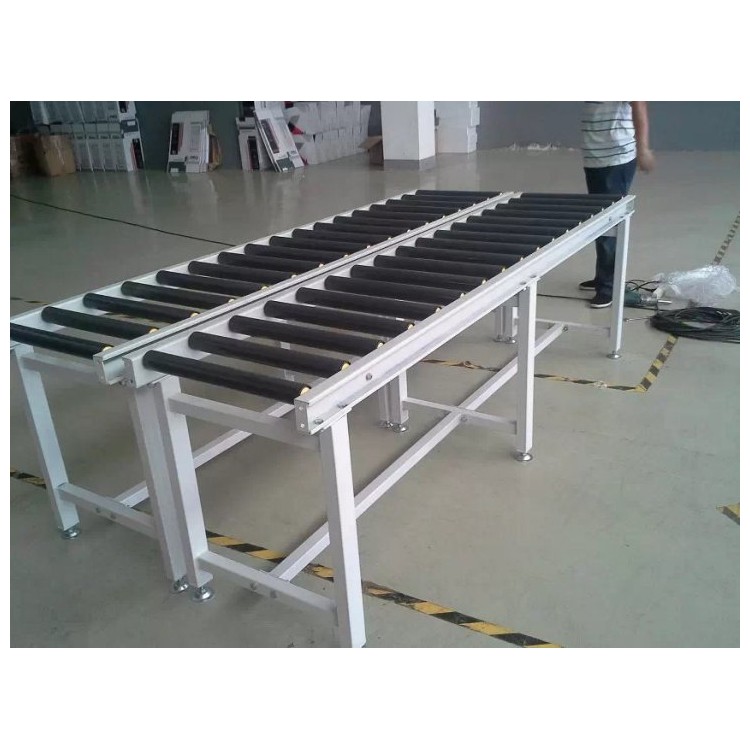
| Assembly lines, also known as production lines, are a method of industrial production where each production unit focuses on a specific segment of work to enhance efficiency and output. They can be broadly categorized into seven types based on the conveying method: belt assembly lines, plate chain lines, variable-speed chain lines, plug-in lines, mesh belt lines, suspended lines, and drum assembly lines. They generally consist of components such as traction parts, load-bearing structures, driving devices, tensioning devices, redirection devices, and support parts. Assembly lines are highly expandable, allowing for customized conveying volume, speed, assembly stations, and auxiliary components (including quick connectors, fans, lights, power outlets, process boards, storage platforms, 24V power supplies, and pneumatic nail guns, etc.), making them popular among businesses. Assembly lines effectively combine people and machines, fully demonstrating the flexibility of equipment. They integrate conveying systems, auxiliary fixtures, on-line special machines, and inspection equipment to meet the transportation requirements of various products. The transmission methods of conveying lines include synchronous transmission (mandatory) and asynchronous transmission (flexible), depending on the configuration chosen, to meet assembly and conveying requirements. Conveying lines are indispensable in bulk production within enterprises. The advantages of assembly lines include: 1. Integration of production processes, allowing for the arrangement of various workstations on the line to meet production needs; 2. High expandability, enabling the design of lines that meet the specific production requirements of the factory; 3. Cost savings in production, potentially reducing the number of production workers, achieving a degree of automation with minimal initial investment and high return on investment. |
询价单


