
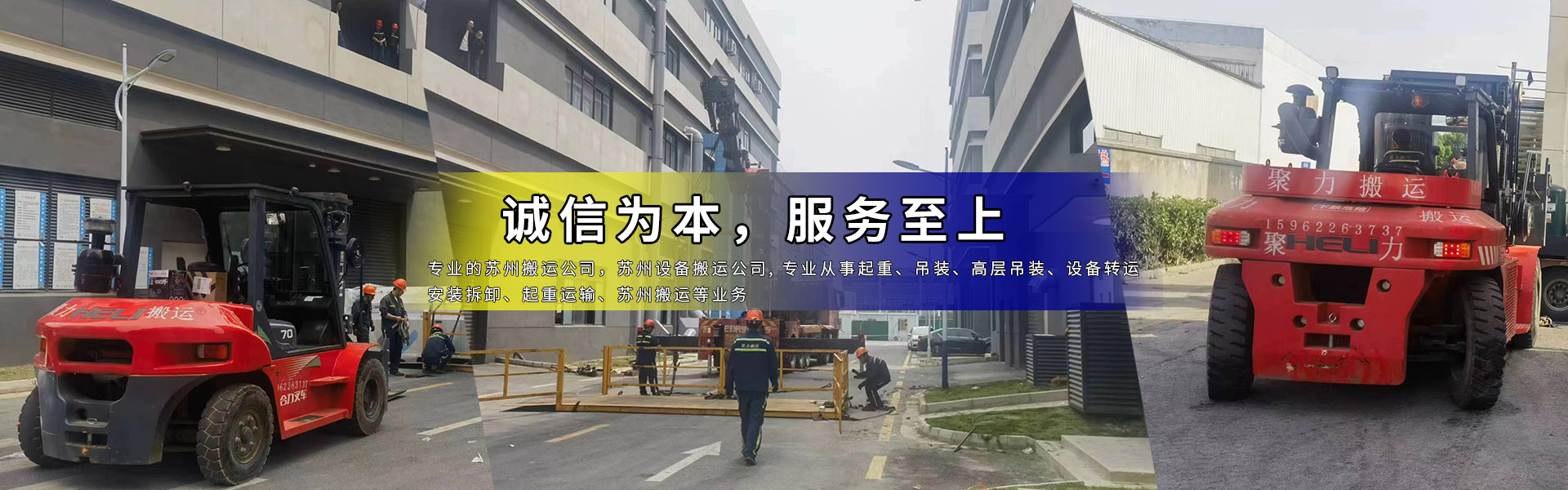


Jolyfocus specializes in heavy lifting, crane rentals, factory hoisting, and equipment installation; foundation work, road and bridge construction, equipment placement, and municipal bridge construction; structural steel, signage, and unit hoisting for super-tall buildings; precast pile transportation, pile machine relocation, and tower crane dismantling and installation. Factory demolition, machinery and equipment relocation; container unloading and loading; elevator and press machinery, central air conditioning, elevator, and large tank lifting and unloading; pile pipe handling, and circuit placement; structural steel installation; disassembly, assembly, and inspection of all bridge-type cranes; overall lifting of large truss structures; heavy cargo loading and unloading at ports and docks. We operate in municipal, highway, bridge, wind power, and various related construction projects, industrial and civil engineering, installation projects, architectural decoration, port and dock construction, airport, railway, landscaping, and transportation engineering.
Jilihoisting Co., Ltd. offers a range of heavy-duty cranes for commercial use, including 25T, 100T, 130T, 220T, 300T, 350T, and 500T truck-mounted cranes, as well as 50T to 3000T crawler cranes, flatbed trucks, and trailers.
Calculation Method for Lifting Points
1. Calculation Method for a Single Hoisting Point: In crane lifting operations, it is necessary to hoist the rope or adjust the cargo position using the "hoist" method, which applies when the cargo has only one hoisting point. Generally, the hoisting point should be located at a distance of 0.3L from the lifting end (L represents the length of the cargo, and this symbol will be used throughout). During actual operations, due to limitations of the site and cargo stacking, the hoisting point is determined based on the ability to securely tie down the cargo and ensure the rope does not come loose. Safety must be guaranteed during the hoisting process.
2. Calculation Method for Two Hanging Points: In crane lifting operations, the two-point hanging method is commonly used to ensure the balance of the cargo. Generally, the positions of the two hanging points should be 0.21L from each end of the cargo. During actual operations, when determining the hanging point positions for oversized cargo, ensure that the horizontal angle between the hanging point and the lifted item is not less than 45 degrees to avoid rope breakage or cargo damage accidents.

