
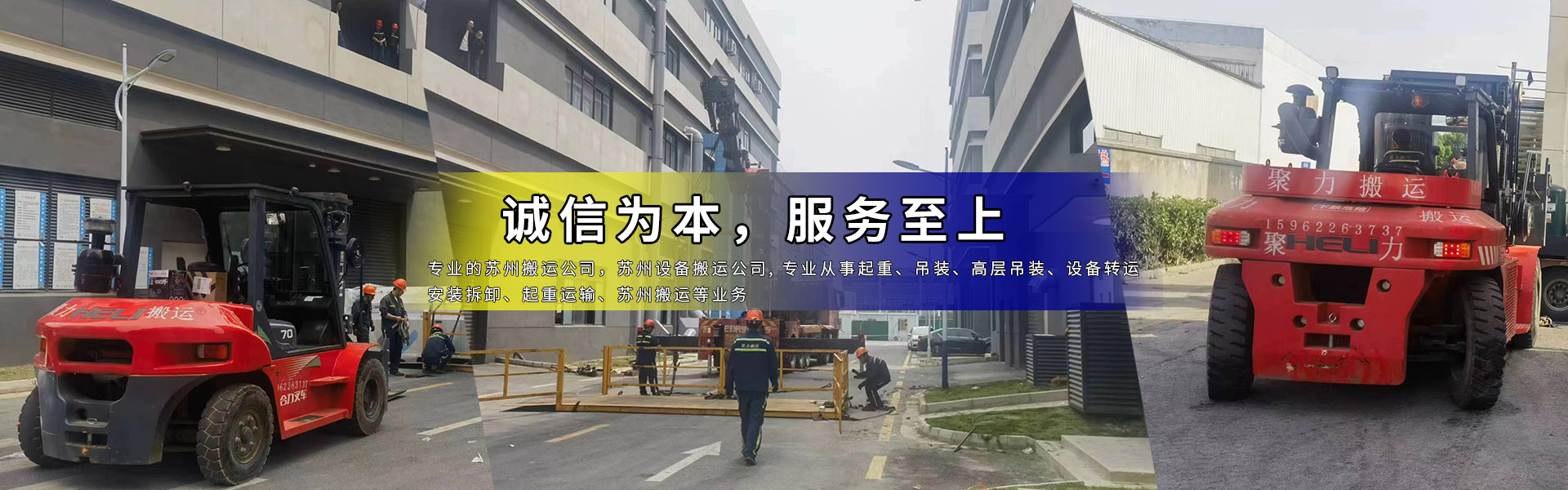

During equipment hoisting operations using cranes, it is crucial to thoroughly understand and inspect the site's terrain to ensure the geographical environment of the lifting area is suitable for the crane's operation. Cranes must strictly adhere to the "Ten Do Not Lift" technical specifications during equipment hoisting.
When using a winch to tow equipment, ensure the winch's power cord is grounded and check for a three-phase electrical box. During the operation of the winch, ensure that the steel wire rope does not kink or bend, and pay attention to the winding of the pulley group and the rope. Adjust the number of pulleys according to the weight of the equipment and the specific worksite; a hand winch can be added as an auxiliary traction if necessary.
When using jacks and lifting equipment for machinery lifting, be sure to accurately identify the load-bearing point of the equipment. Ensure that the load-bearing point can support the entire weight of the equipment to guarantee the safety of the jack. For the ground at the lifting location, ensure it can bear the weight of the equipment. For soft soil ground, lay steel plates and wooden planks to compact the area. Ensure the safety of the jack lifting operation.
When manually pushing, pulling, or transporting equipment, focus on identifying the points of force, particularly on precision machinery within the casing. When transporting, be cautious of forklifts crushing limbs, and ensure that handlers maintain a safe distance to ensure personal safety in case of emergencies.
