Integrity, Collaboration, Quality First, Customer-Centric


Product Recommendation
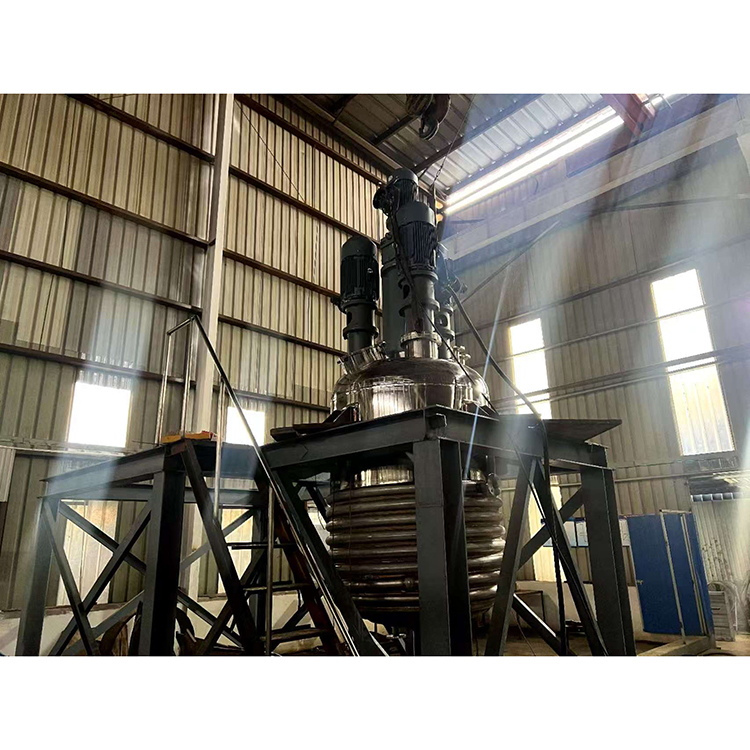
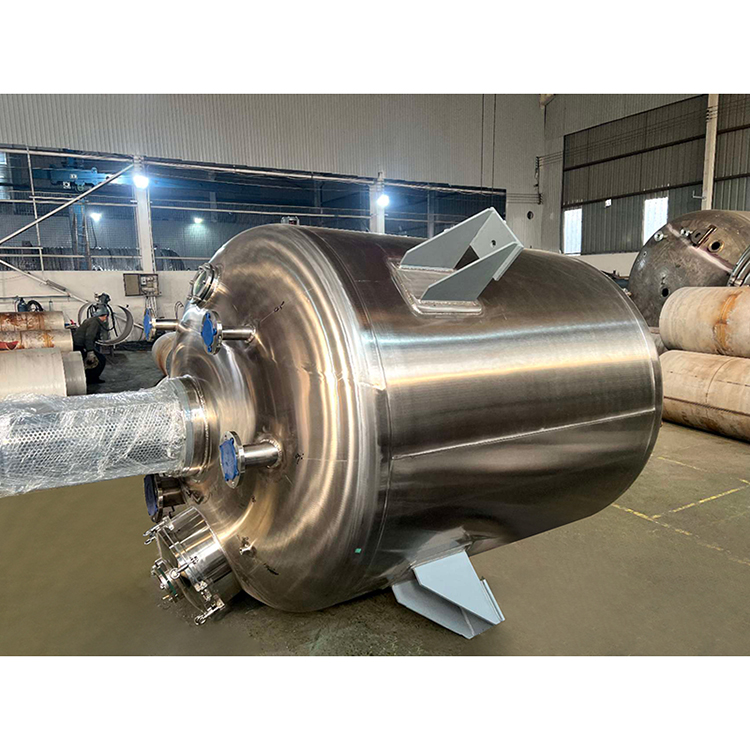
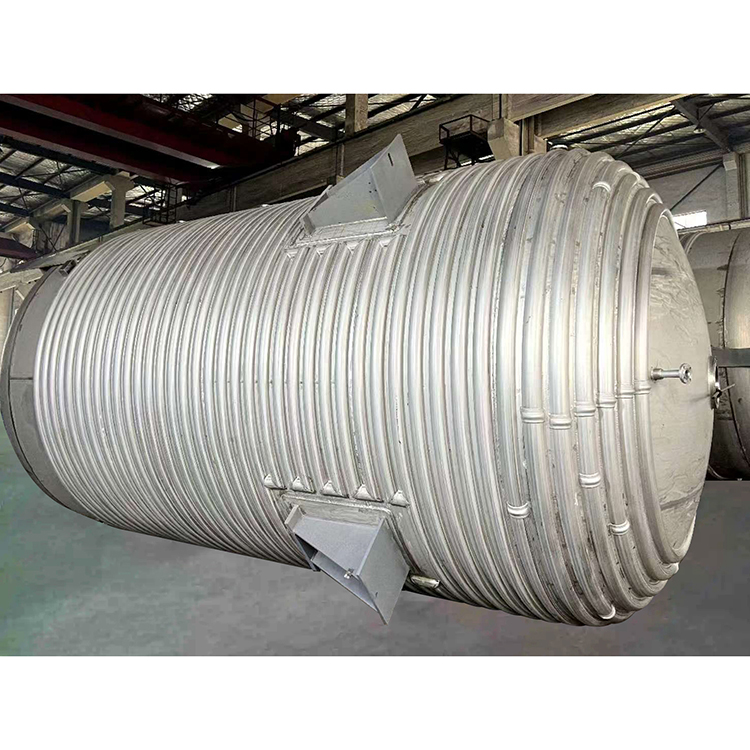
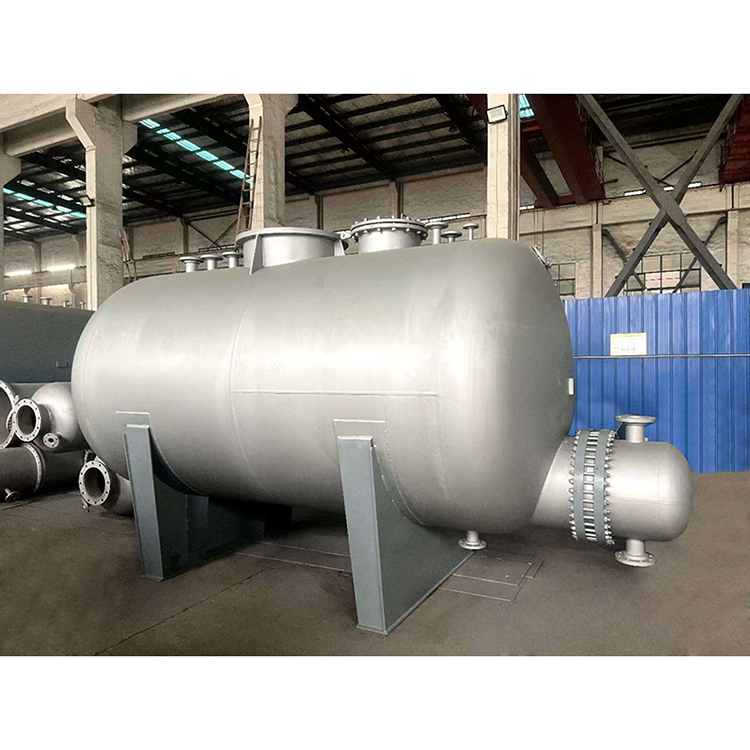
The structure design of an emulsifying kettle is typically aimed at achieving high emulsification efficiency, as well as meeting the needs for mixing and dispersion, while ensuring operational safety, ease of use, and the durability of the equipment. The typical structural components of an emulsifying kettle include:
I. Main Structure
Vessel Body:
Typically made of stainless steel or other corrosion-resistant materials to contain and blend materials.
Shapes are mostly cylindrical, with a conical base for easier material discharge.
The interior of the crucible is typically smooth with no dead corners to minimize material residue and facilitate cleaning.
Fukai:
The釜cover is used to seal the釜body, preventing material splashes and external impurities from entering.
Typically designed for disassembly, facilitating maintenance and cleaning.
The lid may be equipped with a viewing window, temperature and pressure ports, and a material feeding port.
Section II: Mixing System
Mixing Equipment
Typically driven by an electric motor, the stirrer blades are connected to the kettle interior via a shaft.
The shape and quantity of the stirrer blades are designed based on the material characteristics and emulsification requirements, with common types including anchor, box, and turbine designs.
The high-speed rotation of the blender generates strong shearing and mixing forces, promoting the emulsification and blending of materials.
Sealing Device
To prevent material leakage and bearing wear, common sealing types include mechanical seals and packing seals.
Mechanical seals offer advantages such as low leakage and long service life, making them a common sealing method for emulsifying kettles.
Heating/Cooling System
Heating Device
Typically, electric heating, steam heating, or heat transfer oil heating methods are employed.
The heating device is evenly distributed on the exterior of the kettle body, transferring heat to the material through thermal conduction.
Cooling Unit:
Typically, jacket cooling, water cooling, or ice-water cooling methods are employed.
The design of the cooling unit is intended to rapidly lower material temperatures to meet specific process requirements.
Control Systems
Temperature Control System
The system is designed to monitor and control the temperature within the kettle, ensuring that the material is emulsified within the appropriate temperature range.
Temperature control systems typically consist of temperature sensors, controllers, and actuators.
Agitator Control System
The controller is used to regulate the speed and mixing time of the stirrer to meet various emulsification requirements.
Mixing control systems are typically composed of variable-frequency drives, motors, and controllers.
V. Other Auxiliary Components
Window:
To monitor the state of materials during the emulsification process, facilitating timely adjustments to process parameters.
Feeding Port:
Material or additive addition for the cauldron, typically designed with a sealed feature.
Material Outlet:
Emulsified material discharge systems, typically equipped with valves to control discharge speed and flow rate.
Safety Device:
Pressure gauges, safety valves, and over-temperature alarm devices, all designed to ensure the safe operation of equipment.
In summary, the structural design of the emulsifying kettle takes into account various factors such as the properties of the material, emulsification requirements, operational convenience, and safety. Through rational structural design, the emulsifying kettle can achieve efficient emulsification, mixing, and dispersion, meeting the application needs of different fields.


b2b.china9.net © Zhongshang 114 Hebei Network Technology Co., Ltd.Address: Room 6009, Oriental New World Center, No.118 East Zhongshan Road, Qiaoxi District, Shijiazhuang City, Hebei ProvincePlatform Service Hotline: 4006299930