


详情描述
Silica glass boards are sheet materials made from rock slabs and silica glass. Rock slabs are an ore material, typically processed from gneiss, granite, and other stone materials. Silica glass is an artificial material, formed by high-temperature sintering of raw materials such as silicate and quartz sand.
Silicon carbide plates feature the following characteristics:
High-Temperature Resistance: Silicon carbide boards can withstand high-temperature environments without melting or deforming.
2. Abrasion Resistance: Silicon carbide materials have high hardness and wear resistance, capable of withstanding abrasion and scratching.
3. Corrosion Resistance: Silicon carbide material exhibits high resistance to corrosive substances such as acids and alkalis.
4. Waterproof Performance: The surface of the silicon ceramic board has been treated for excellent waterproof properties, making it resistant to leakage.
5. Rich in Color: Silicon carbide plates can be made with different materials to offer a wide range of color options.
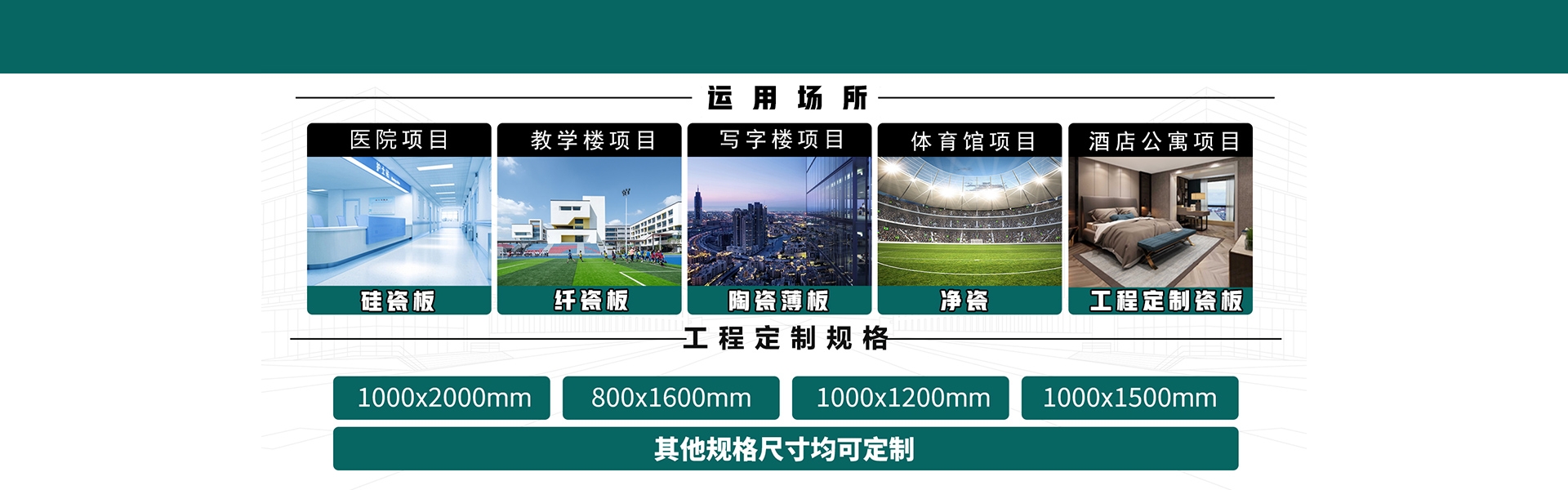
Silicon wafers are widely used in architectural decoration, interior renovation, kitchen countertops, and bathroom walls, among other applications. Their high-temperature resistance, wear resistance, and corrosion resistance make them an ideal decorative material.
Silicone wafers are a high-temperature refractory material, primarily used for insulation, heat resistance, and protection in high-temperature environments. Their main applications include:
Electronics and Electrical Industry: Silicon glass plates are suitable for making insulating substrates for electronic components, thermal insulation pads, electrical porcelain pipes, etc., offering excellent insulation properties and high-temperature resistance.
2. Electrical Industry: Silicon-carbide plates are suitable for insulation pads, insulating materials, and power capacitors in electrical equipment, maintaining stable performance in high-temperature and high-voltage environments.
3. Metallurgical Industry: Silicon-waste board is suitable for thermal insulation, heat insulation, and fire prevention in metallurgical equipment, such as iron ladles, furnace walls, and furnace bottoms.
4. Environmental Protection Engineering: Silicon wafers are suitable for thermal insulation and corrosion resistance in environmental protection equipment, such as flue gas desulfurization systems and exhaust gas treatment facilities.
5. Glass Industry: Silicon-waste boards are used for insulation, heat preservation, and fire resistance in glass melting furnaces, enhancing the thermal efficiency and stability of the furnace.
In summary, ceramic silicon boards have wide applications, primarily used for insulation, heat resistance, and protection in high-temperature environments to meet various industrial needs.
Silicone glass boards are a high-performance building material featuring fire resistance, high-temperature resistance, corrosion resistance, and wear resistance. They are widely used in the following fields:
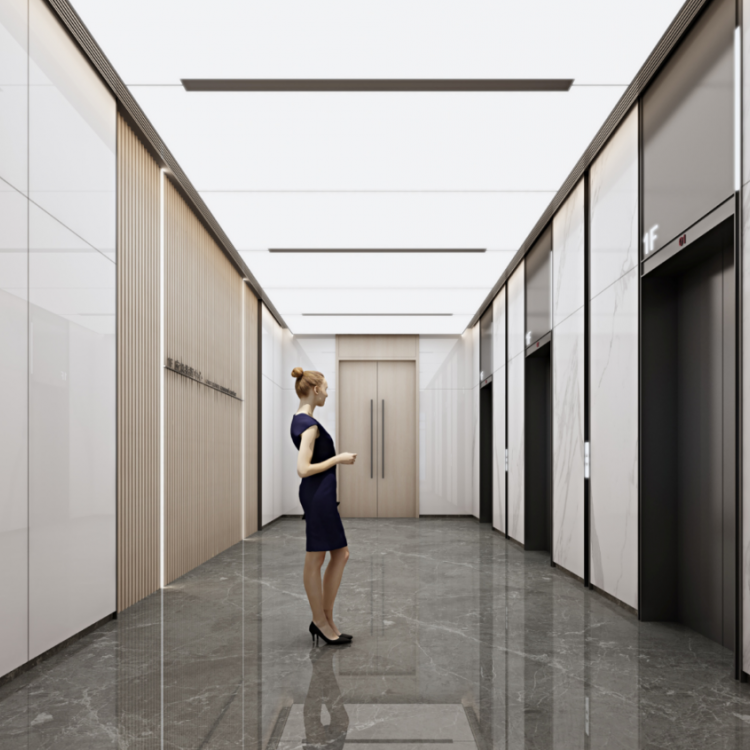
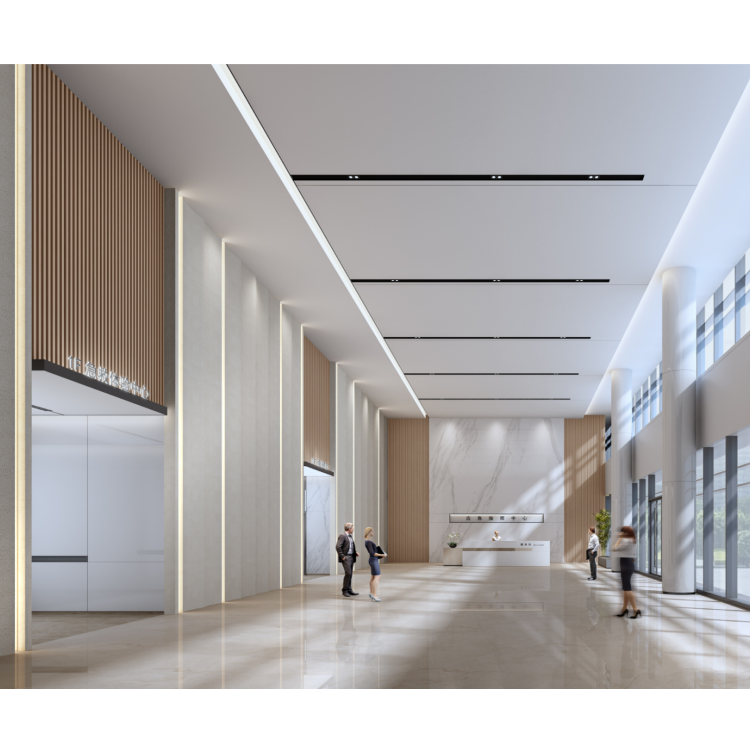
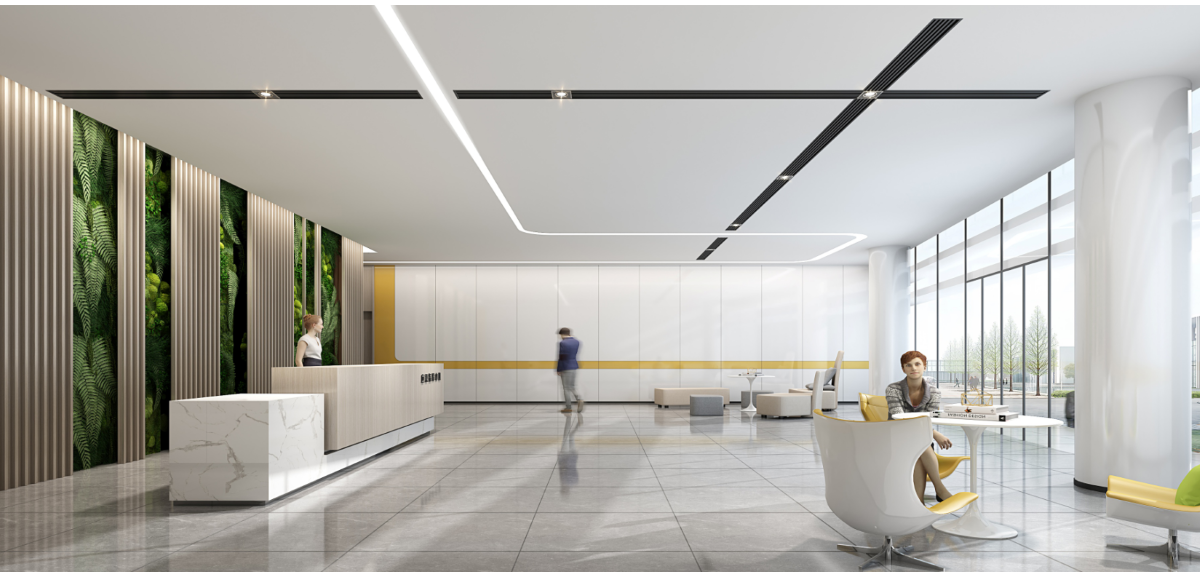
1. Decorative Building Materials: Rock slab and porcelain tiles are suitable for interior and exterior wall decoration, flooring, and ceiling decoration. They feature unique textures and colors, enhancing the aesthetic appeal and texture of the building.
2. Fireproof Isolation: Due to the excellent fire-resistant properties of the rock-silicate board, it can be used for fireproof isolation walls, doors, and windows both inside and outside buildings, preventing the spread of fires.
3. High-Temperature Equipment: Rock wool silicate board boasts excellent high-temperature resistance, suitable for applications such as heat insulation, thermal preservation, and refractory linings in high-temperature equipment, like furnace chambers, chimneys, and hot air furnaces.
4. Chemical Equipment: Due to the excellent corrosion resistance of rock-silica porcelain plates, they can be used as linings, pipes, and storage tanks for chemical equipment, protecting the equipment from corrosion damage.
5. Electronic Appliances: Rock slab silicon wafers are applicable in the electronic appliances field, such as substrates for electronic components and heat sinks, offering excellent insulation and heat dissipation properties.
In summary, rock board ceramic tiles find extensive applications in construction, chemical, and electronic fields, meeting requirements under special conditions.
Lightweight silicon carbide boards are a type of lightweight sheet material made from silicon carbide, featuring low density and excellent physical properties. Their primary applications include:
1. Decorative Construction: Lightweight glass-ceramic panels are suitable for wall, ceiling, and floor decorative materials. They feature a smooth, wear-resistant, and corrosion-resistant surface, offering high decorative value and durability.
2. Furniture Manufacturing: Lightweight glass-ceramic panels are suitable for making furniture such as tables, chairs, cabinets, etc., offering high strength and durability while also providing excellent decorative effects.
3. Electronics: Lightweight porcelain glass can be used for electronic product casings, screen protectors, and other components, offering high insulation properties and anti-static capabilities, effectively ensuring the safety and stability of electronic products.
Transportation: Lightweight silicon wafers can be used for interior decoration in vehicles such as cars, trains, and ships. They offer low density and excellent durability, helping to reduce vehicle weight and enhance comfort for passengers.
5. Industrial Equipment: Lightweight silicon carbide boards are suitable for manufacturing industrial equipment such as chemical, oil, and food processing equipment. They offer excellent corrosion and high-temperature resistance, meeting the demands of complex industrial environments.
In summary, lightweight ceramic silicon boards have a wide range of applications, meeting the needs of various industries including architectural decoration, furniture manufacturing, electronic products, transportation, and industrial equipment.
Silicone glass plates are suitable for the following environments:
High-Temperature Environment: Ceramicsilicate structural boards exhibit excellent high-temperature resistance, capable of withstanding temperatures up to 1500°C, making them suitable for applications in high-temperature environments such as furnaces and high-temperature reactors.
2. Corrosive Environment: Ceramic silicon structural boards possess excellent corrosion resistance, capable of withstanding the erosion of acids, alkalis, salts, and other corrosive mediums. Thus, they are suitable for applications in corrosive environments such as chemical and metallurgical industries.
3. Insulating Environment: Ceramic silicon structure boards possess excellent insulating properties, capable of preventing the flow of electricity, thus suitable for manufacturing electrical insulating materials, such as electrical equipment and electronic components.
4. Mechanical Impact Environment: Ceramic silicon structural boards possess high impact resistance, capable of withstanding mechanical shocks and vibrations, making them suitable for the manufacturing of machinery, vehicles, and other applications requiring impact-resistant materials.
In summary, ceramic silicon structural boards are suitable for applications under special environments such as high temperatures, corrosion, insulation, and mechanical impact.
询价单


