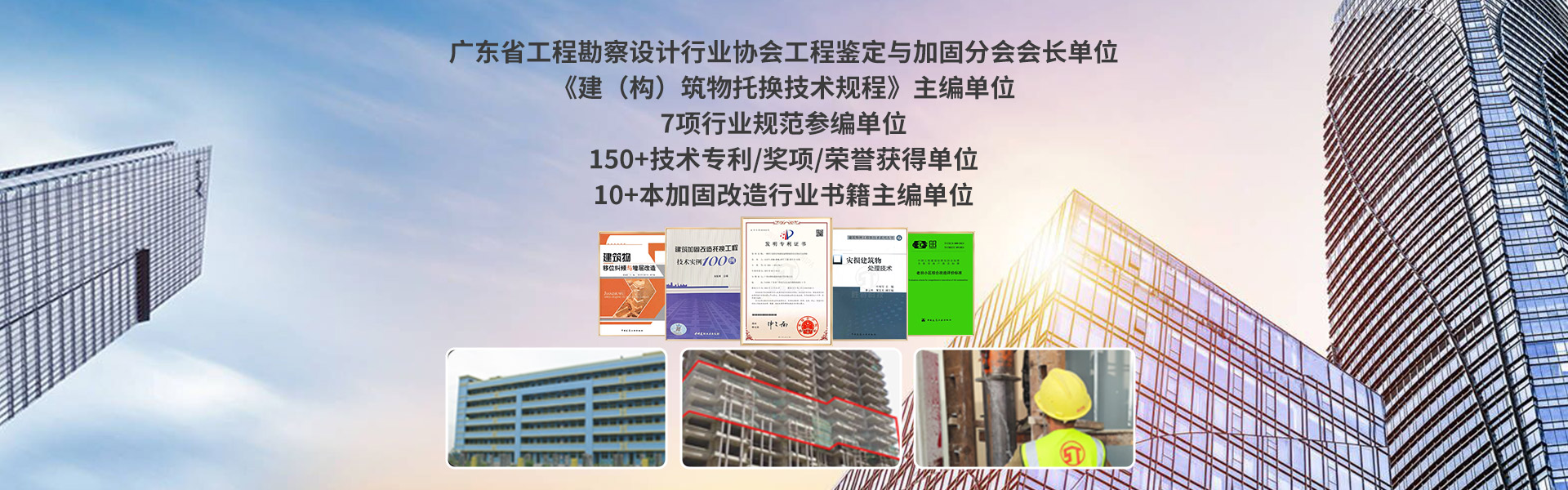
Building Reinforcement, House Alignment Correction, Found...


Product Recommendation
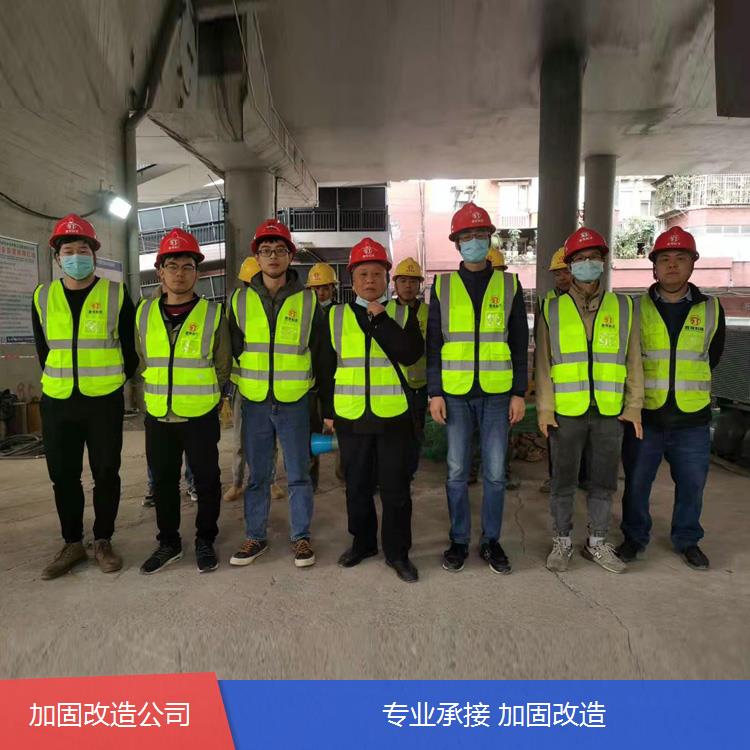
Bridge pile foundation replacement design, bridge pier replacement, subway crossing replacement construction

Ground subsidence reinforcement, building foundation subsidence reinforcement, remedial measures, and undertaking foundation reinforcement construction
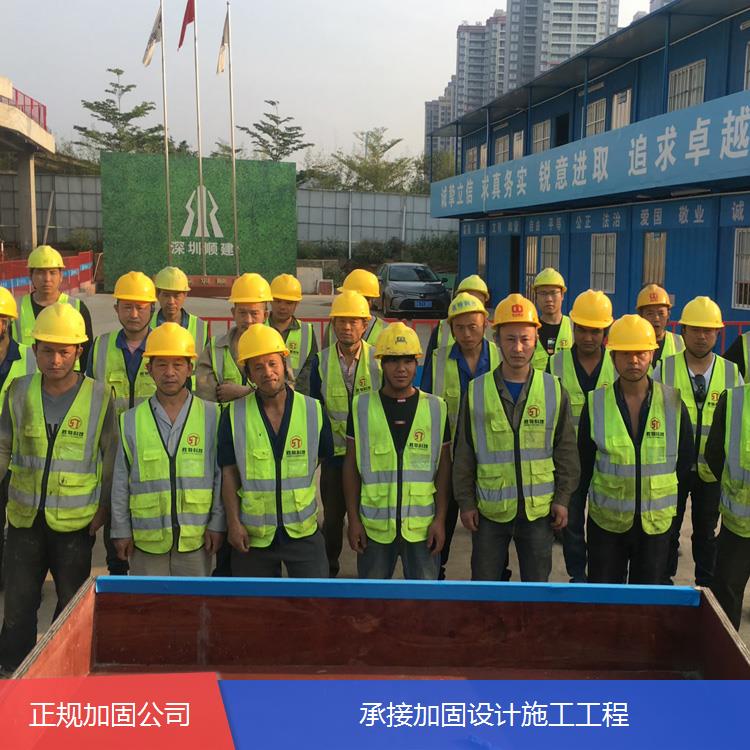
Building structure reinforcement, factory beam structure reinforcement, bearing capacity enhancement, one-stop reinforcement
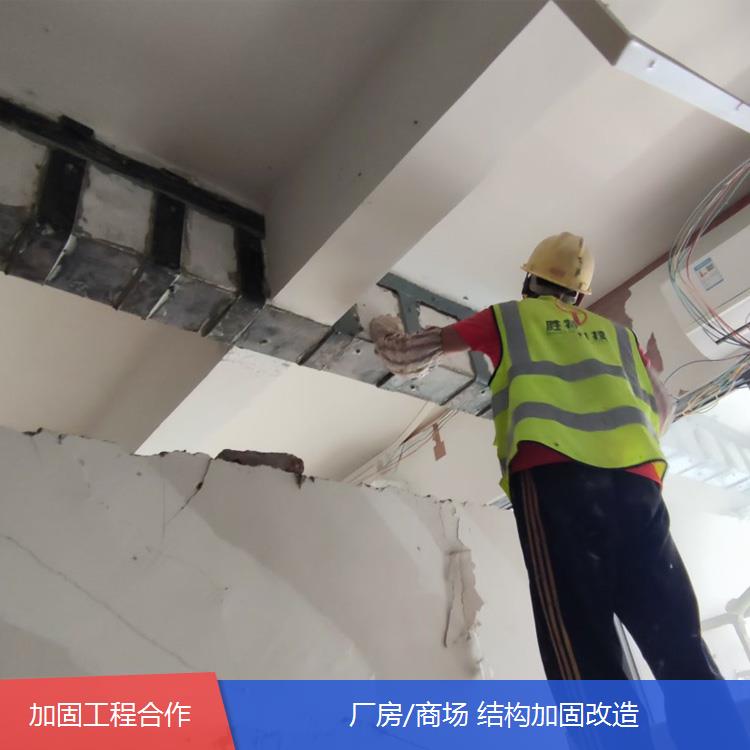
Structural beam grouting reinforcement, design and construction services for strengthening nodes of building beam structures
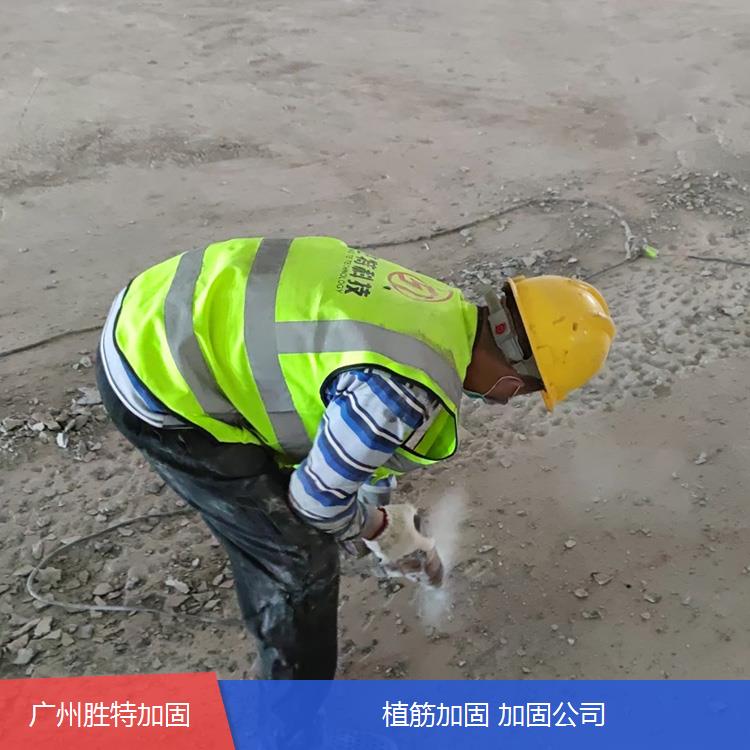
Villa reinforcement engineering design, villa building reinforcement and renovation, villa ring beam planting reinforcement
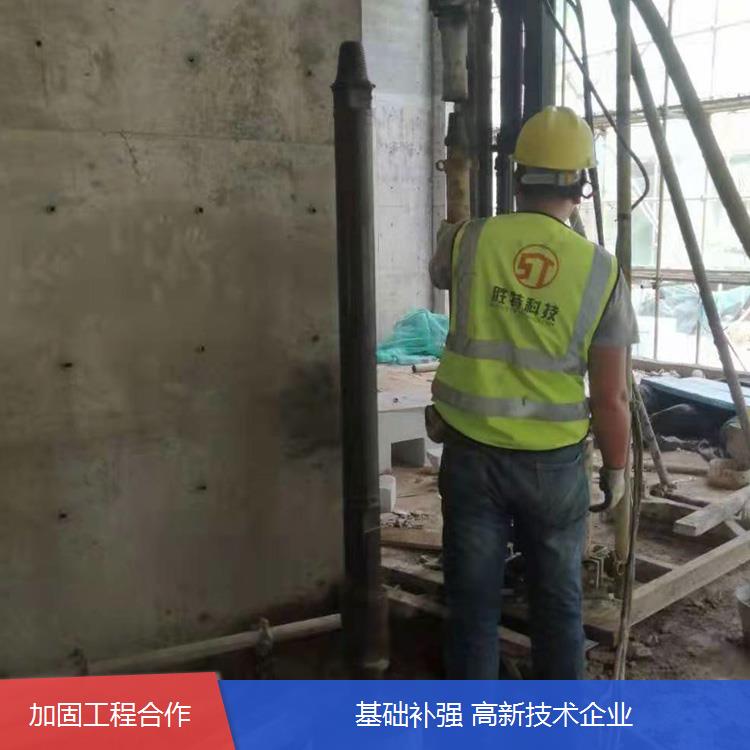
Subsidence and reinforcement of houses, free guidance on remedial reinforcement of foundation subsidence of houses

I previously discussed how to apply dialectical treatment in the practical reinforcement process. This issue focuses mainly on the situations where buildings require assessment and reinforcement.
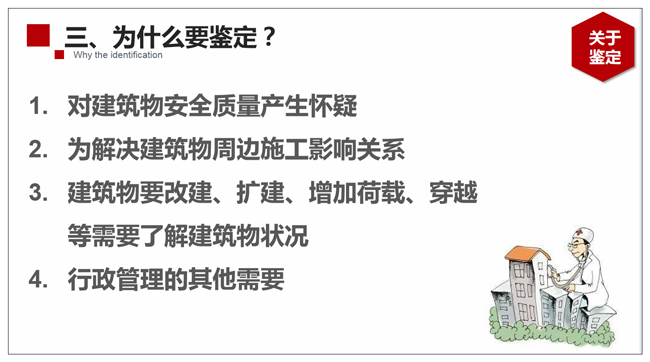
Firstly, why is it necessary to appraise buildings? There are four possible reasons:
One: Doubts about the safety and quality of buildings. For instance, if a building has cracks or seems unsafe, it should undergo an assessment.
To address the impact of construction around the buildings, for instance, due to reasons like pumping or other various factors during construction, there may be deformation and sinking of the foundations and structures in the vicinity. At this point, it becomes necessary to appraise and distinguish between the responsibilities of both parties.
Three, when renovations, expansions, increased loads, or crossings are required, it's necessary to understand the condition of the building. For instance, in the case of a two-story building with an added mezzanine layer mentioned earlier, a local assessment is needed. Without such an assessment, the condition of the building cannot be ascertained, nor can structural design be conducted.
Other administrative requirements. For instance, following last year's collapse of a building in Changsha, appraisals were needed to enhance the safety of certain structures.
However, technicians must be aware that once an assessment is conducted, they are responsible for the results, not just going through the motions and signing off. There's a possibility that 10 years later, you might be held accountable for this oversight. This is the bottom line for our assessment reinforcement efforts. Similar to many building surveys, some involve individuals from outside the assessment industry, with the process being as simple as registering and signing. This approach is not advisable, as it is detrimental to the establishment of future safety records and security for our country's buildings.
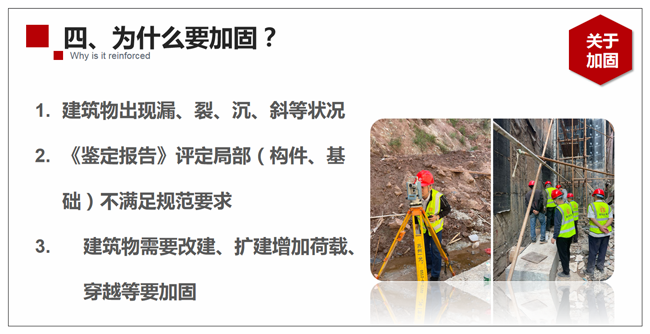
Next, why reinforce buildings?
One: When a building exhibits issues such as leaks, cracks, sinking, or tilting, it indicates that the building requires attention and repair.
The "Certification Report" deems that the local sections (structure, foundation) do not meet the regulatory requirements. As a result, we need to undergo structural calculations to identify the specific areas that require reinforcement.
Three, structures requiring reconstruction, expansion, increased load-bearing capacity, and crossing, need to be reinforced. I began working on projects involving tunnel crossings under buildings and bridges in 2005, and contributed to the development of national standards in 2008. Since then, as the number of tunnels crossing buildings across the country increased, the original practice of avoiding buildings when constructing subways became unfeasible due to the growing number of routes. These tunnels had to pass beneath buildings and bridges, with some even requiring the cutting of pile foundations and the bases beneath buildings.
In the field of tunneling through buildings and bridges, Shengte Reinforcement should be credited with laying the foundation for our nation's technology in this area. In the early days, 95% of the tunneling projects across the country were handled by Shengte Reinforcement, and we still account for 80% today. Later on, many other units also began to master the technology of tunneling through buildings and bridges.


b2b.china9.net © Zhongshang 114 Hebei Network Technology Co., Ltd.Address: Room 6009, Oriental New World Center, No.118 East Zhongshan Road, Qiaoxi District, Shijiazhuang City, Hebei ProvincePlatform Service Hotline: 4006299930