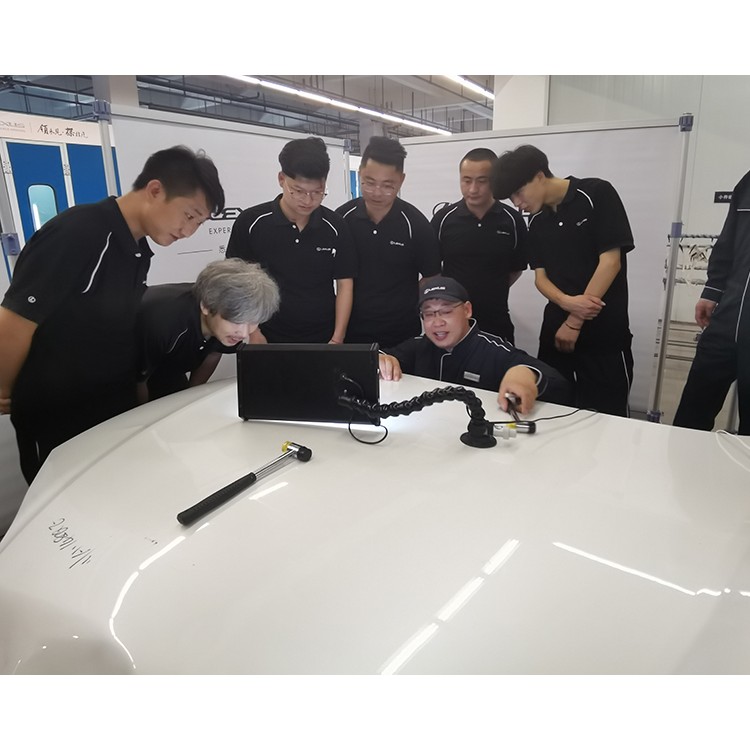
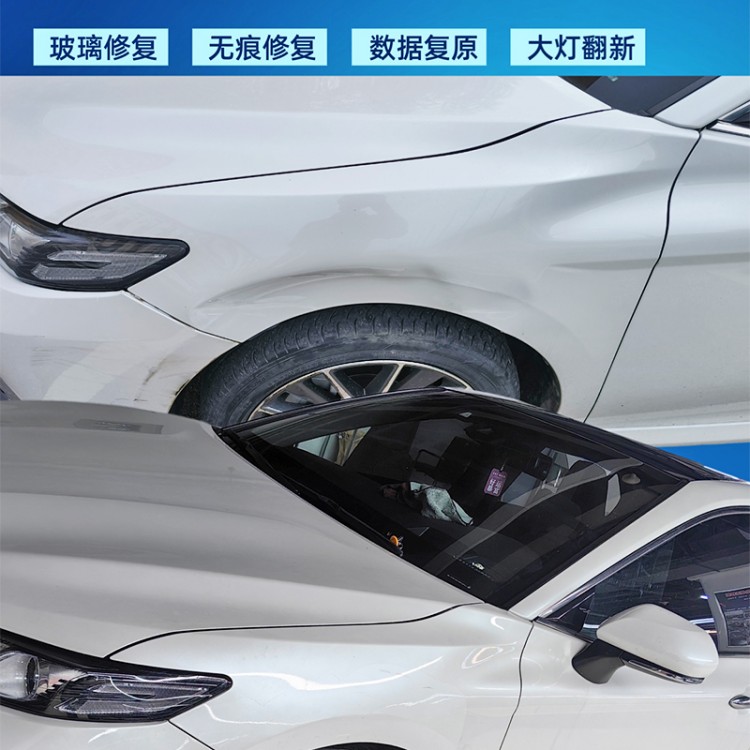
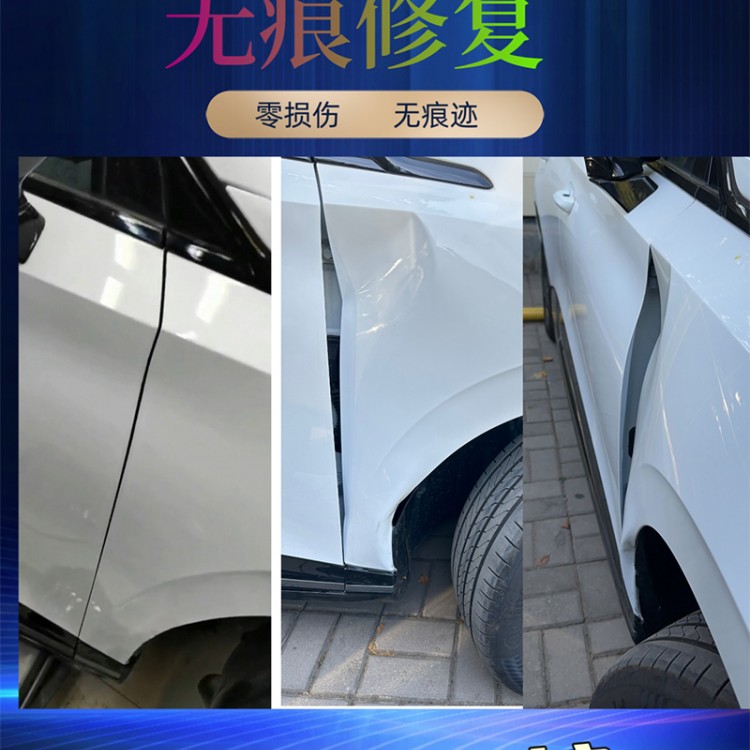
Auto Dent Repair Training, No Filler Bodywork, Data Recov...

To determine the quality of Beijing Auto's invisible repair, a detailed evaluation can be conducted from the following key dimensions:
Visual Inspection
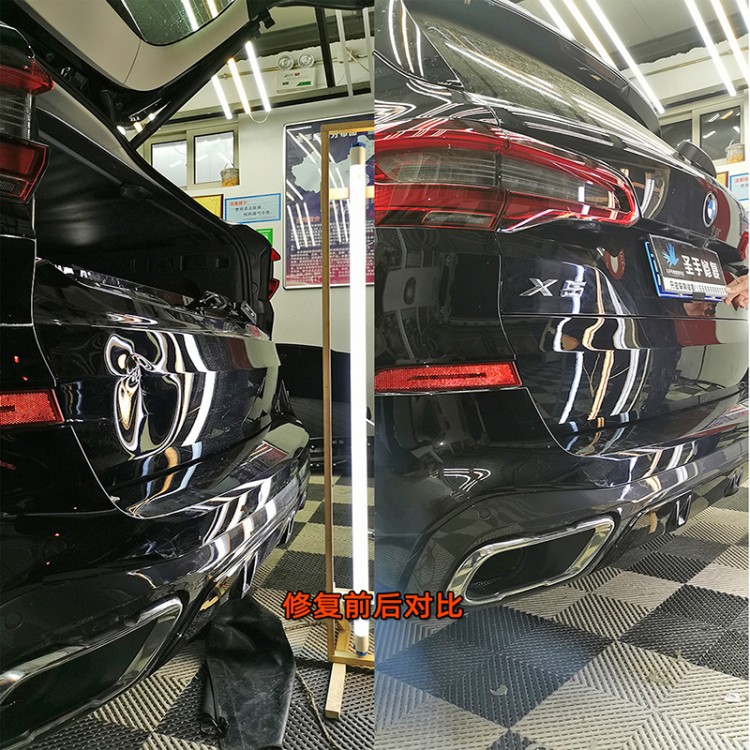
Surface Paint Flatness
The repaired area must be flush with the original factory paint surface, with no visible dents or bumps.
Testing Method:
View at a 45-degree angle in bright light (such as sunlight) or use a flashlight for side lighting.
Using a smartphone's macro lens, the repaired area is photographed and zoomed in to inspect the details.
Color Difference Control
Standards: The repaired area matches the surrounding paint color, with no fading or darkening.
Testing Method:
Compare the reflective effects between the repaired area and the adjacent undamaged region.
Utilizing color difference meters for measurement (ΔE values should be ≤1.5, differences are barely noticeable to the naked eye).
Haptic Verification
Surface Smoothness
The standard is that when the finger glides over the repaired area, there should be no sense of unevenness or rough particles.
Testing Method:
Gently run your fingernail over the repaired area to feel for any tiny steps or burrs.
Metal Elastic Recovery
Standard: After pressing the repair area, the metal should quickly return to its original shape without sagging or delayed rebound.
Testing Method:
Apply firm thumb pressure to the repair point and observe the rebound speed (it should match the original factory area).
III. Professional Tool Inspection
Coating Thickness Gauge Inspection
Standard: The film thickness of the repaired area should match the original data (usually 80-120μm).
Testing Method:
Measure 5 points in the repair area and its surrounding, then compare the average.
Ultrasonic flaw detection
Standard: No cracks or stress concentration points within the metal.
Testing Method:
Scanning the repair area with a portable ultrasonic flaw detector (requires professional technician operation).
Actual Usage Test
Car Wash Verification
Standard: After high-pressure water jet cleaning, there is no leakage or paint peeling in the repaired area.
Testing Method:
At car washes, use a pressure of 8 MPa or higher to rinse, and observe the status of the repair points.
Thermal Difference Test
The standard: After exposure to high temperatures (above 40℃) or low temperatures (below -10℃), the repaired area should show no cracks or deformation.
Testing Method:
Park vehicles in extreme temperature environments for 24 hours and inspect repair points.
Five: Warranty and After-Sales Support
Warranty Period
High-quality repairs should provide at least a 1-year warranty (covering issues like paint cracking and peeling).
Testing Method:
Please require the service provider to provide a written warranty agreement, clearly defining the scope of responsibility.
After-Sales Response
Standard: Issues within the warranty period should be responded to and addressed for free within 48 hours.
Sixth, Warning Cases of Non-Qualification
Typical Issues:
Overstretching leads to metal fatigue (with a "clicking" sound upon pressing).
The filling material has not fully cured (gets soft at low temperatures)
Residual adhesive residue (visible as a hazy reflection in sunlight)


b2b.china9.net © Zhongshang 114 Hebei Network Technology Co., Ltd.Address: Room 6009, Oriental New World Center, No.118 East Zhongshan Road, Qiaoxi District, Shijiazhuang City, Hebei ProvincePlatform Service Hotline: 4006299930