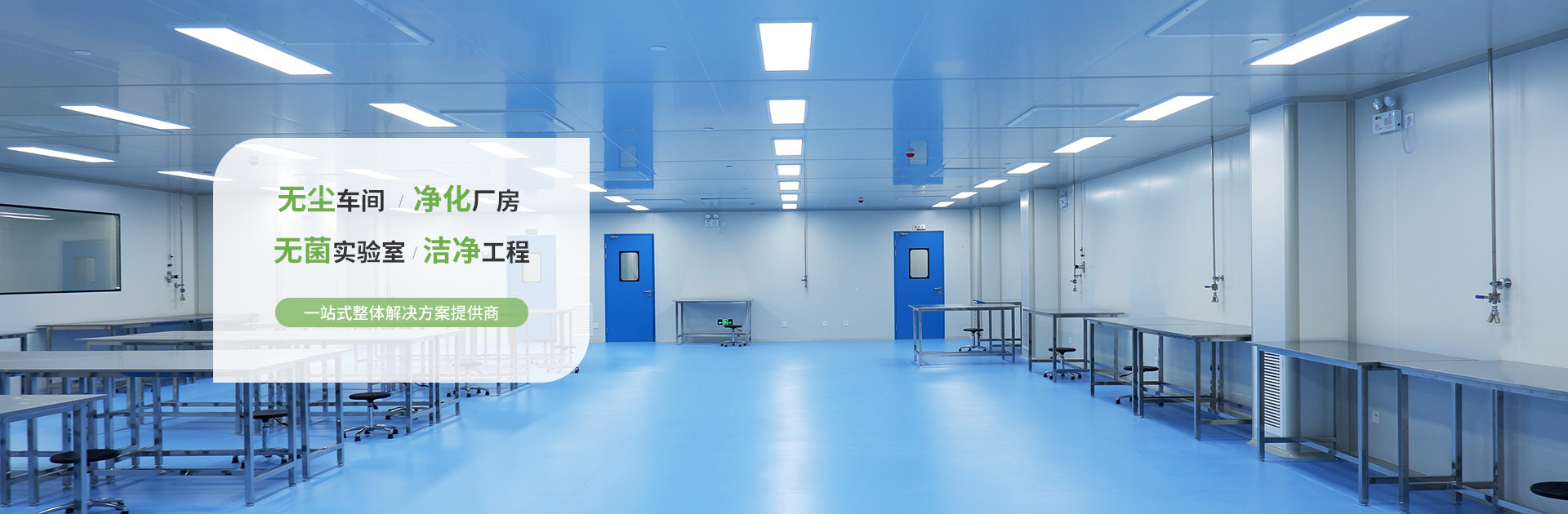
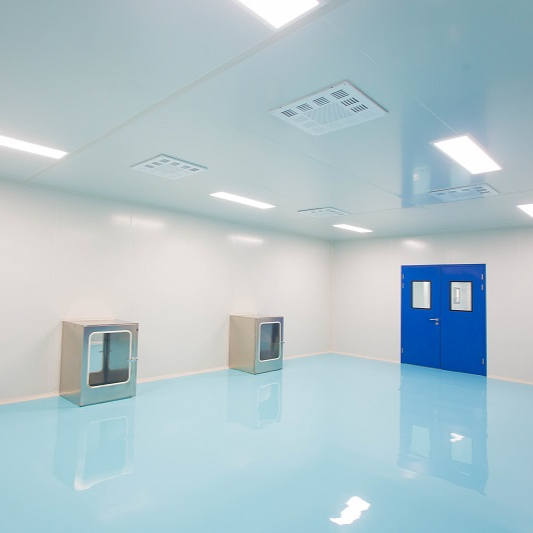
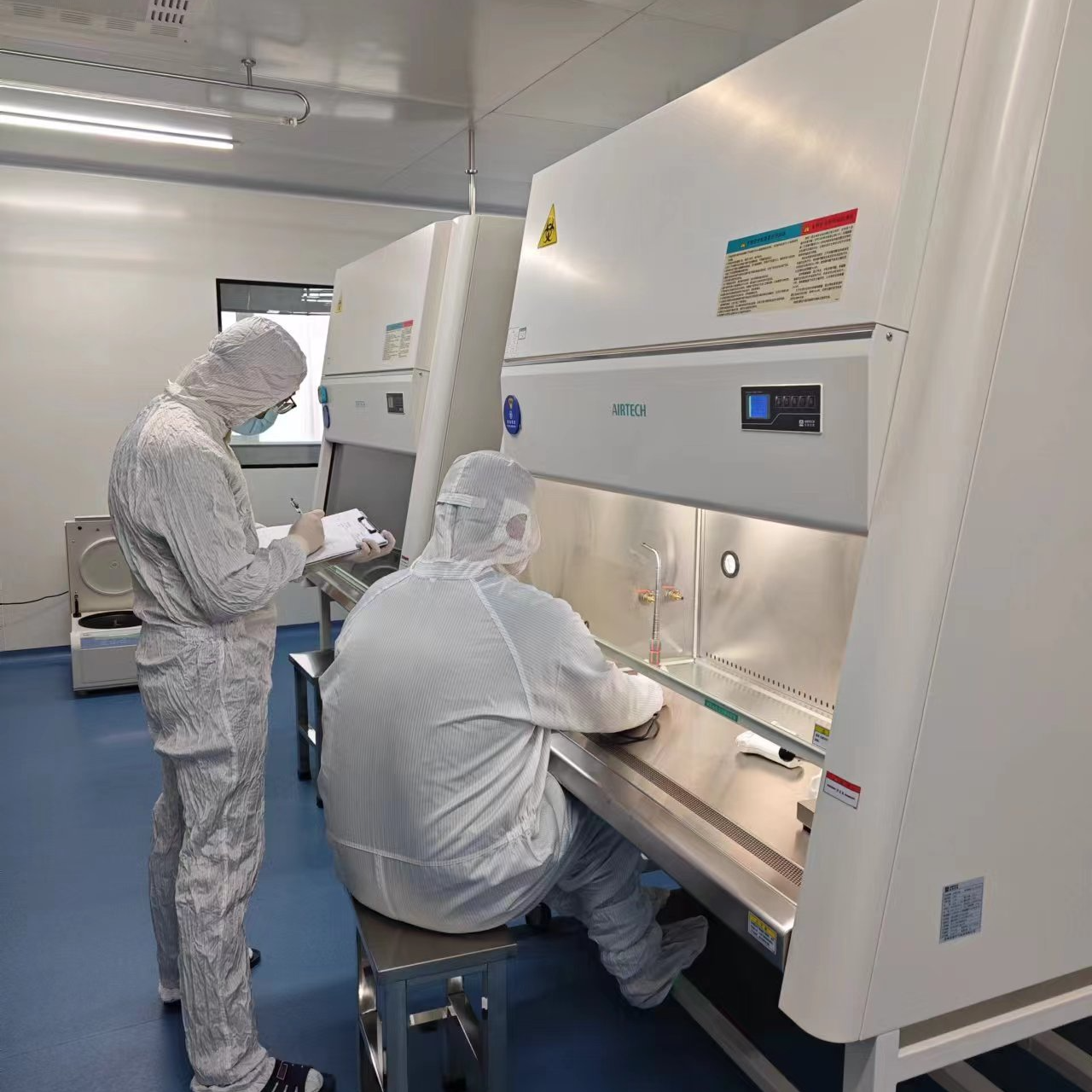
Cleanroom, Purification Plant, Sterile Laboratory, Cleanr...

Control Pollution in Cleanroom Environment
Cleanroom Entry Guidelines:
(1) Clean footwear must be worn when entering the cleanroom; no oil stains or mud are permitted.
(2) Smoking, eating, and drinking are prohibited indoors.
(3) Dusty operations such as welding, cutting, and drilling must be controlled to prevent debris from spreading widely. At the end of each workday, waste should be removed to the outside and disposed of in designated areas.
(4) Construction materials are neatly stacked.
(5) No urination or defecation indoors is permitted.
(6) Individuals violating the aforementioned regulations shall have their资格 for working in the cleanroom immediately revoked.
Ensuring Cleanliness and Compliance Measures
1. Mission
To ensure the quality of the cleanroom project, the construction, acceptance, and inspection of the cleanroom must adhere to the "Construction Organization Design," the "Good Manufacturing Practices (GMP) 98 for Pharmaceutical Production," and the "Cleanroom Construction and Acceptance Standard."
Prior to the construction of a cleanroom, a detailed construction coordination plan must be formulated based on the main construction procedures of the cleanroom, and construction must be strictly carried out according to the construction sequence. Each process must undergo intermediate inspections and be documented.
(3) Major materials, equipment, and finished or semi-finished products used in engineering must comply with design specifications and be accompanied by a factory certification or quality assessment document. In the absence of a factory certification or when there is a suspicion of quality issues, inspection is mandatory before use. Materials beyond the factory's shelf life must not be used.
2. Renovation Construction Key Points
According to GMP standards, during the design and installation of cleanrooms, consideration should be given to avoid areas that are difficult to clean. In this project, during the purification and renovation, the gaps at the junctions of doors and windows, construction, purification air conditioning, various pipelines, and lighting fixtures should be sealed.
(2) All accessories, partition walls, and ceiling fixtures must be connected only to the main structure and not intermixed with equipment or pipeline supports to prevent decorative materials from loosening and dust from falling due to minor vibrations.
(3) Seams in decorative building materials and windows should be sealed on the front side.
(4) In accordance with GMP certification inspection standards, the interior decoration must meet the following requirements:
a. Opt for materials with good sealing properties and minimal deformation under temperature and humidity changes. b. Walls and ceiling surfaces should be smooth, flat, dust-resistant, non-sticky, corrosion-resistant, impact-resistant, easy to clean, and minimize irregular surfaces. The junction between walls and floors should be rounded with a radius of 50mm. The wall color should be harmonious and elegant, and facilitate the identification of contaminants.
c. Windows and interior walls must be straight, and the structure must fully consider the sealing of air and moisture vapor, making it difficult for pollutants to seep in from the outside and prevent condensation due to temperature differences between indoor and outdoor environments. The gaps between interior doors, windows, and partitions in rooms with different cleanliness levels must be sealed.
(5) Dust emissions during construction should be controlled, particularly in concealed spaces such as ceiling and partition interiors, which must be cleaned regularly.
(6) No dusty renovation work is allowed in rooms equipped with efficient filters.
(7) Be mindful to protect the completed work surface; avoid dents, hidden cracks, and surface finish contamination due to impacts, hammering, stepping, or excessive moisture.
3. Air Conditioning Installation Key Points
(1) Ducts and components should be made of high-quality galvanized steel sheets. The inner surface of the duct must be smooth and even, and it is prohibited to reinforce the duct inside. The joint should use combined angle joints, and the seams must be sealed with sealant. Internal flanges should not be used for duct connections. Ducts must be equipped with a sealing cleaning hole, and there should be a volume measurement hole on the main duct (with branches set as needed). There should be pressure measurement holes before and after the filter. The joints of explosion-proof area exhaust ducts should be sealed with solder.
(2) Before installing the air ducts and applying insulation, a leak check should be conducted. The return air ducts should be checked for no light leaks using the light-leak method, and the leakage rate of the system air conditioner should not exceed 2%. Use materials that do not shed fibers when wiping the internal surface of the air conditioning system.
(3) Prior to installing the high-efficiency filter, the cleanroom and the purification air conditioning system must be thoroughly cleaned and wiped. After meeting the cleanliness requirements, the purification air conditioning system should be operated continuously for more than 12 hours, followed by another cleaning and wiping of the cleanroom. The high-efficiency filter should then be installed immediately.
Prior to installing the high-efficiency filter, unpack it on-site for an appearance check. This includes inspecting the paper, filter sealant, frame, geometric dimensions, and finish to ensure they meet design specifications. Conduct a leak test next. Once the inspection and leak test are passed, install the filter immediately. Do not install any product that fails the inspection.
4. Key Points for Lighting Construction and Installation
(1) In accordance with pharmaceutical GMP regulations, cleanrooms should provide sufficient lighting as required by the production process, and a review must be conducted prior to construction. Emergency lighting facilities should be in place in the factory.
Lighting installation should be easy to clean.
(3) In accordance with pharmaceutical GMP regulations, ultraviolet sterilization lamps should be installed in workshops where microbial growth and contamination need to be prevented. (4) After the indoor cleanroom lighting is installed, it should be promptly cleaned.
Section 3: Construction Method
Construction Method for Renovation Project
1. Combination Methods and Characteristics
The cleanliness level of a clean room depends on the airtightness of the enclosing structure, the composition of the walls, and the form of the structural connections (aluminum alloy structures) used. A scientifically and rationally combined structural approach ensures the reliability and stability of the clean room.
2. Regarding the Second Design
The secondary design of the structure is based on the professional drawings provided by the design institute, combined with the process requirements of the construction party. Taking into account the professional coordination of HVAC, piping, and electrical systems, the ceiling and wall panels are arranged according to the manufacturer's standard modular sizes. From an aesthetic perspective, the alignment of the ceiling and wall panels, as well as the layout of doors, windows, high-efficiency air supply outlets, and return air outlets, are considered to determine the specifications and quantities of the ceiling, wall panels, and aluminum profiles.
Through secondary design, issues in the design can be identified in a timely manner, and reasonable suggestions can be proposed. If necessary, reserved channels for the placement of certain process equipment can be set up, and the construction progress plan can be adjusted. The factory will receive the building, which is both aesthetically pleasing and qualified, within the stipulated construction period.
3. Construction Key Points
The installation of clean enclosures is carried out after all main pipelines in the technical sandwich layer have been set up, followed by a thorough cleaning of the interior walls and spaces. Construction is performed only after achieving a dust-free environment, with dedicated cleaning of parts and the site throughout the process.

Company Name
Jiangsu Shuangquan Environmental Testing Service Co., Ltd.

Service Hotline
15861352996
Company Phone
15861352996

Company Address
97 Dingxing Road, 4th Floor, Building 1, Guangling District, Yangzhou City
b2b.china9.net © Zhongshang 114 Hebei Network Technology Co., Ltd.Address: Room 6009, Oriental New World Center, No.118 East Zhongshan Road, Qiaoxi District, Shijiazhuang City, Hebei ProvincePlatform Service Hotline: 4006299930