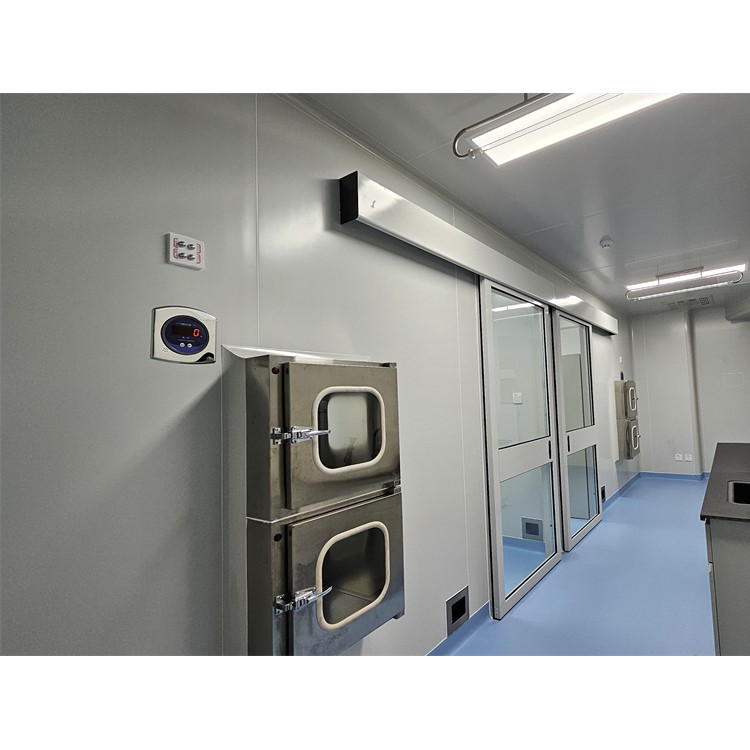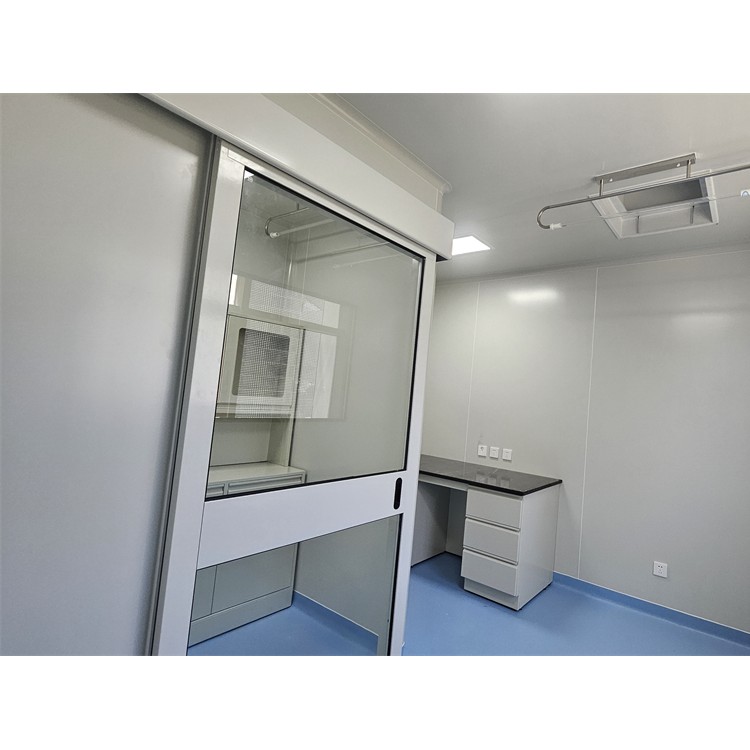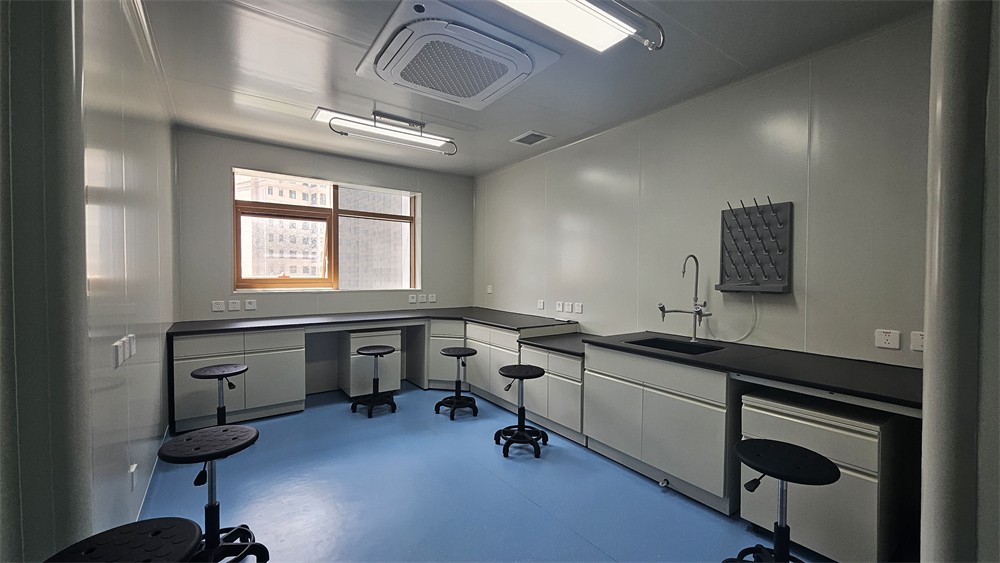
The renovation of a clean laboratory is a complex and highly professional project, involving various design and construction requirements. Here are some key steps and注意事项:
Design Phase
Requirement Analysis: Clearly define the laboratory's purpose, cleanliness grade, temperature and humidity requirements, etc.
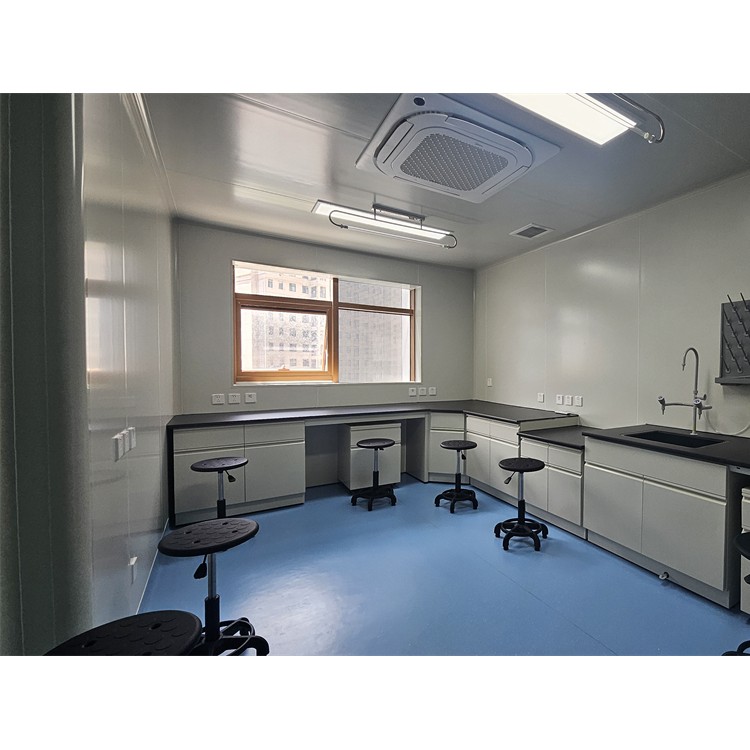
Layout Design: Reasonably plan the laboratory's functional areas, including work areas, buffer zones, dressing rooms, equipment areas, etc.
Airflow Design: Ensures rational distribution of airflow and prevents cross-contamination. Typically employs laminar or turbulent flow designs.
Material Selection: Opt for materials that are easy to clean and do not produce particles, such as stainless steel, PVC, etc.
2. Building Structure
Walls and ceilings: Utilize smooth, seamless, and easy-to-clean materials, avoiding materials like gypsum board that tend to produce particles.
Flooring: Select anti-static, wear-resistant, and easy-to-clean flooring materials, such as epoxy resin flooring.
Windows and doors: Use windows and doors with good airtightness, and install a blow-off room when necessary.
3. Air Conditioning and Ventilation Systems
Air Conditioning System: To maintain stable temperature and humidity, a constant temperature and humidity air conditioner is usually required.
Filter System: Install high-efficiency particulate air (HEPA) or ultra-low penetration air (ULPA) filters to ensure air cleanliness.
Airflow Organization: Designed with a rational supply and exhaust system to ensure unidirectional airflow.
4. Electrical and Lighting
Electrical System: Ensure stable and safe power supply; install backup power.
Lighting System: Select dust-free, shadow-free, and flicker-free lighting equipment to ensure the laboratory's illumination meets the required standards.
5. Water and Gas Supply
Pure Water System: Install a pure water or ultra-pure water system based on experimental requirements.
Gas Supply: Install gas pipelines and purification equipment according to experimental requirements.
6. Safety and Surveillance
Safety Equipment: Install necessary safety equipment, such as fire extinguishers, emergency shower units, etc.
Monitor System: Install an environmental monitoring system to real-time monitor temperature, humidity, cleanliness, and other parameters.
7. Inspection and Calibration
System Tuning: Tune the air conditioning, ventilation, and lighting systems to ensure their proper operation.
Cleanliness Test: Conduct cleanliness tests to ensure compliance with design specifications.
Inspection Report: Draft a detailed inspection report, documenting all test results and debugging procedures.
8. Maintain and manage
Regular Maintenance: Perform regular maintenance and replacement of equipment such as air conditioners and filters.
Cleanliness Management: Establish detailed cleaning protocols to ensure long-term cleanliness of the laboratory.
By following these steps, you can ensure that the renovation of the clean laboratory meets the relevant standards and requirements, and satisfies the experimental needs.

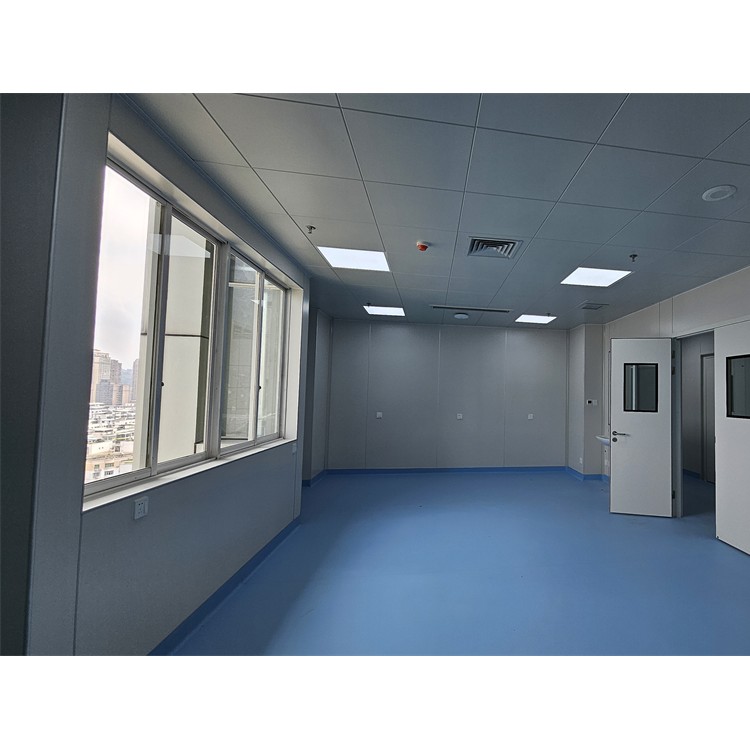 Class 100 cleanroom
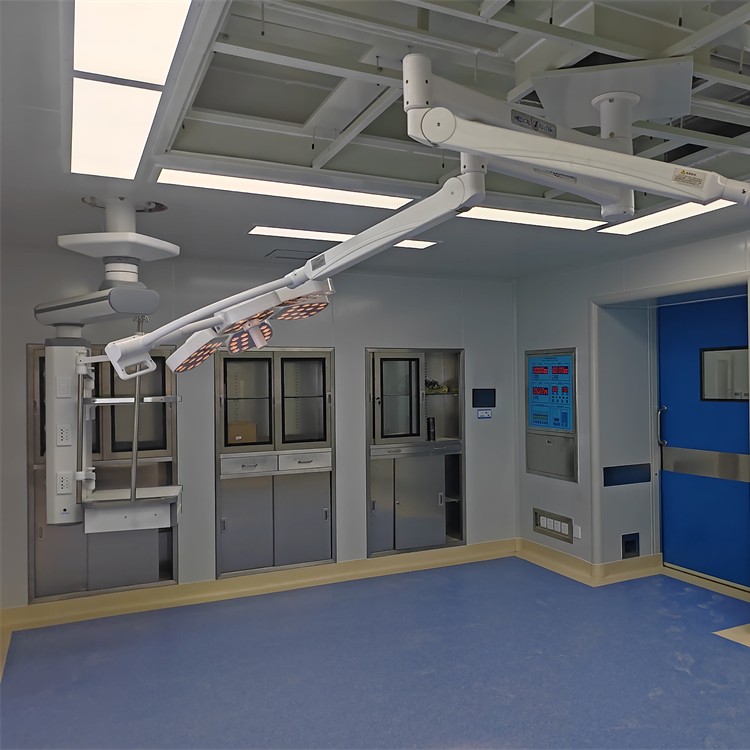 Department of Inspection and Decoration Design
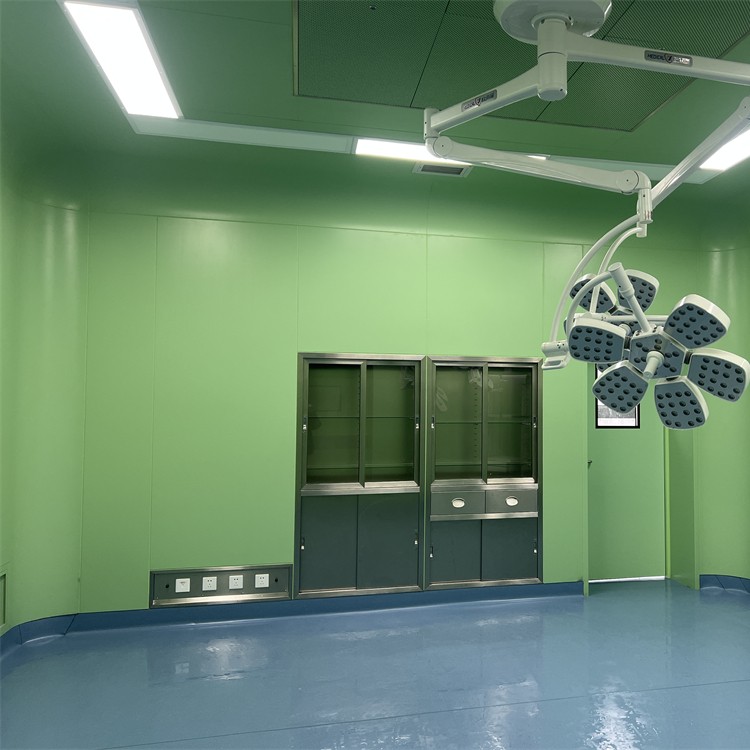 Purification project construction