




- AllProduct Category
-
Signage
Luminaire Poles Series
Mobile Emission Remote Sensing Monitoring
BRT Rapid Transit Priority System
Traffic Guidance System
Traffic Signals
Vehicle Detector
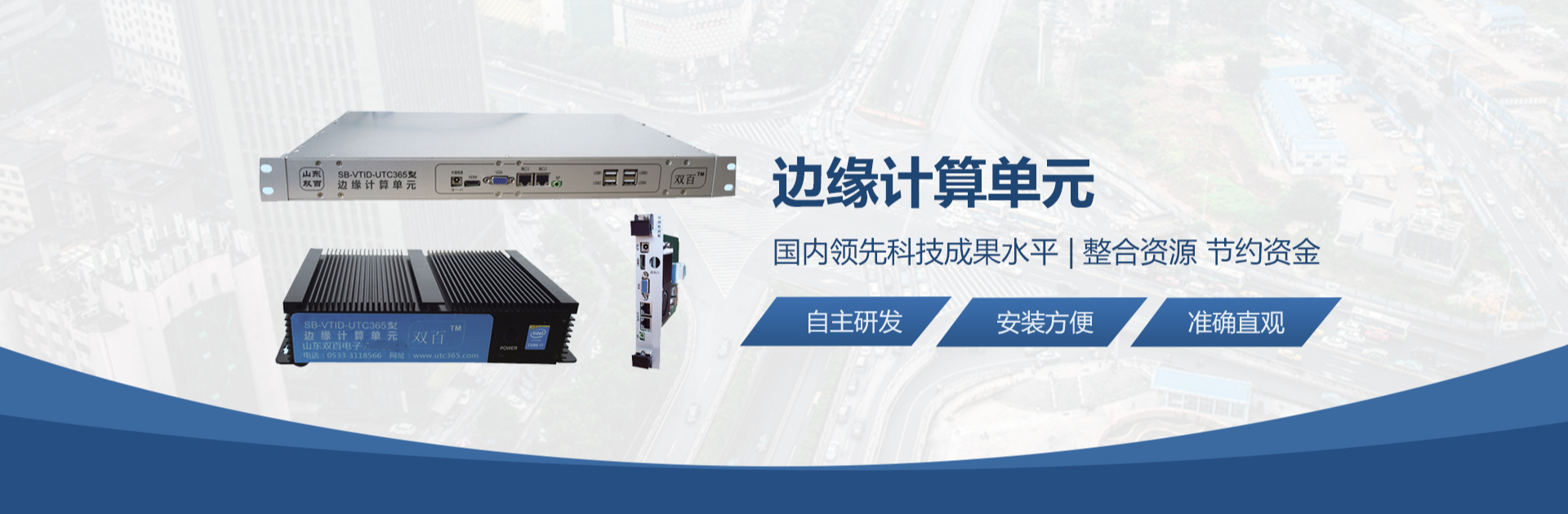
Edge Computing Unit
Traffic Signal Optimization
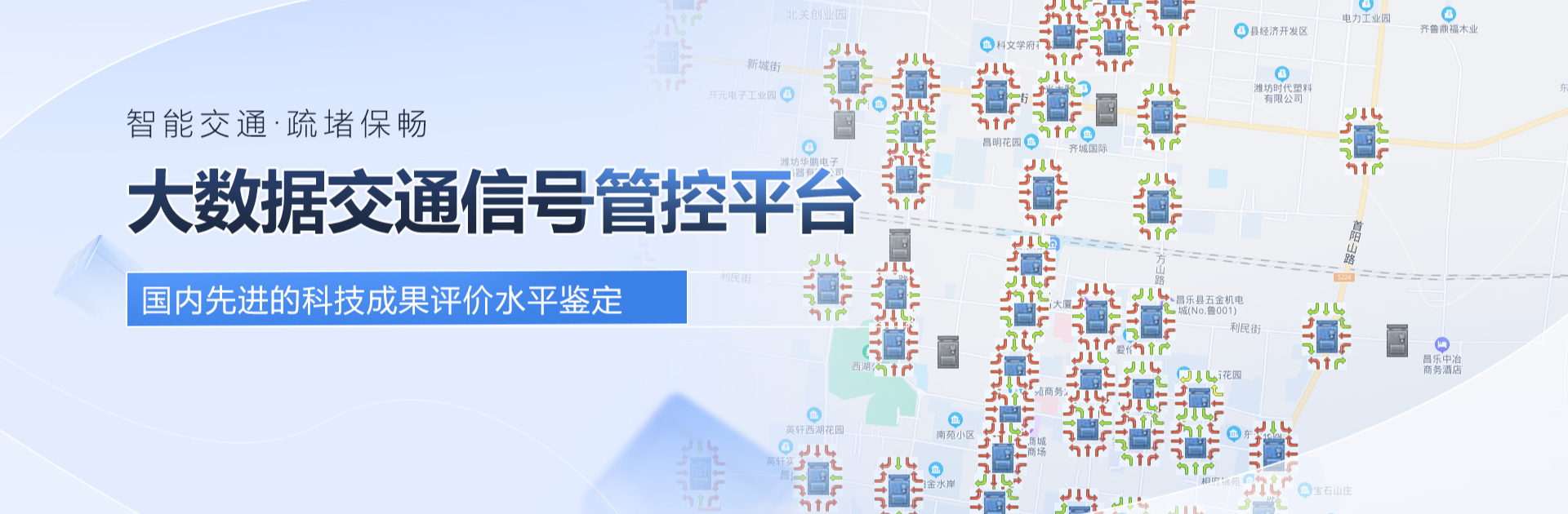
Traffic Signal Management Platform
Traffic Signal Equipment


详情描述
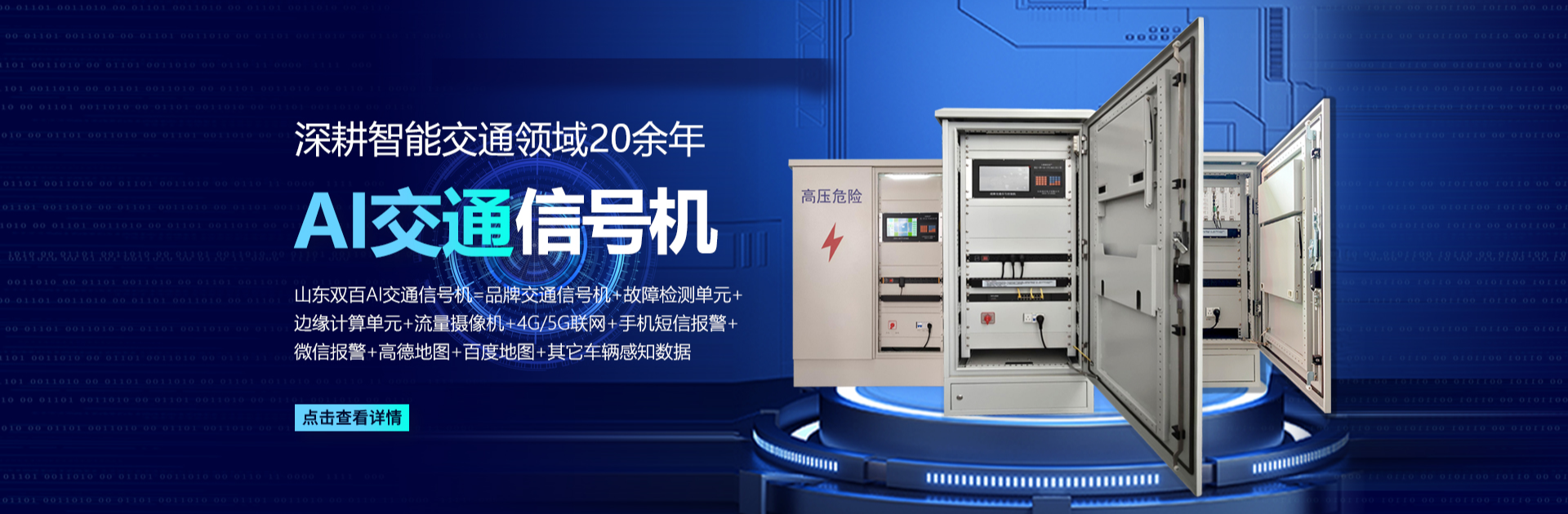
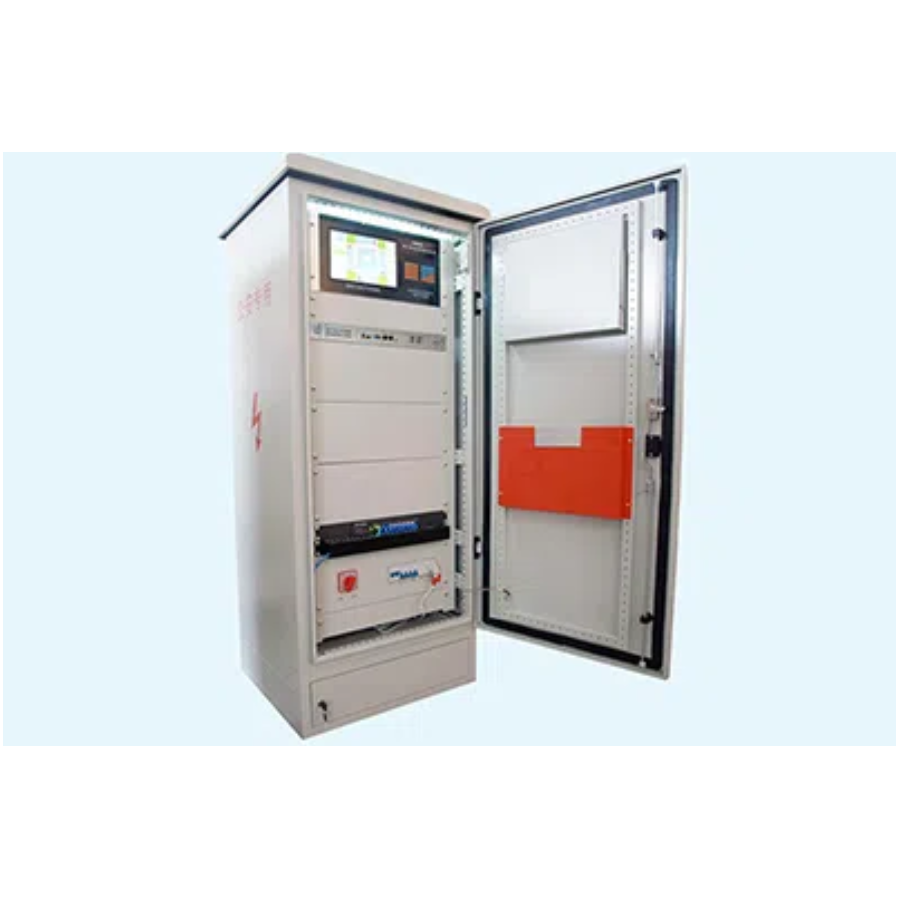
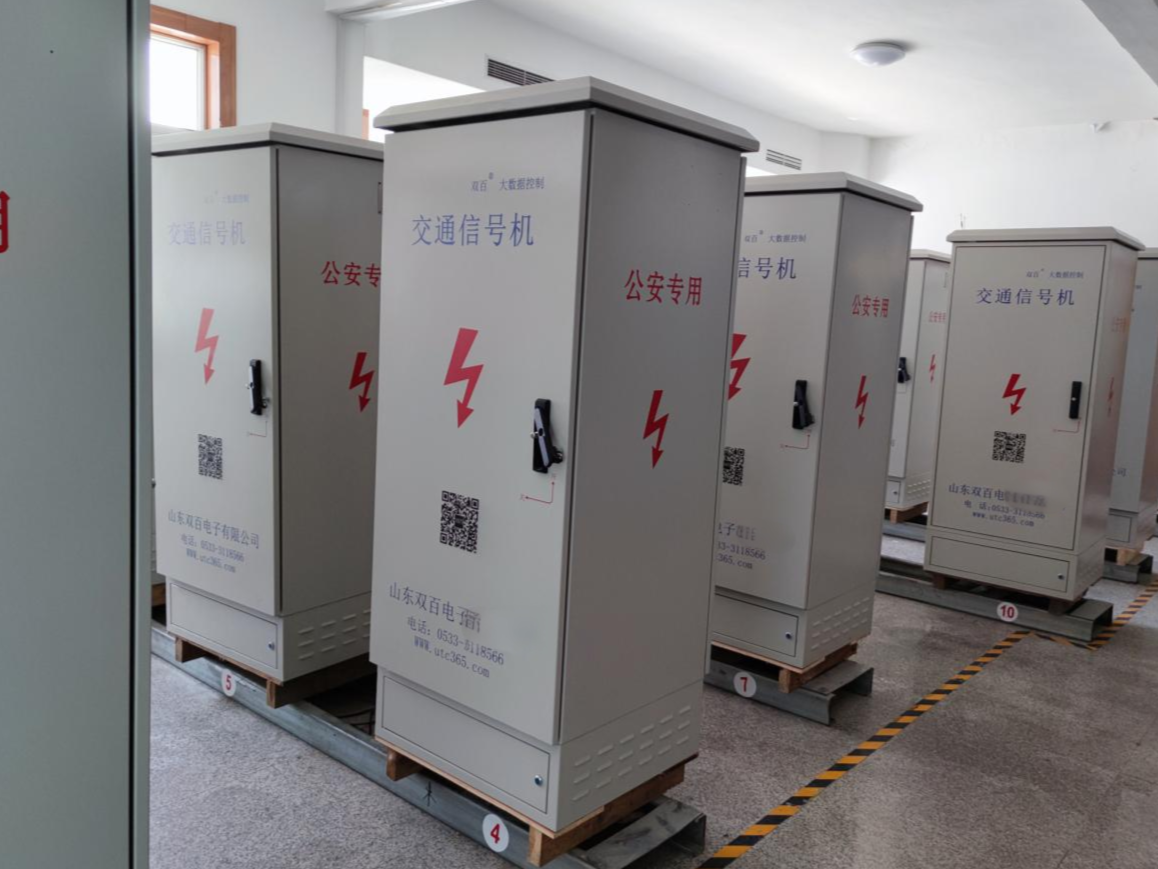
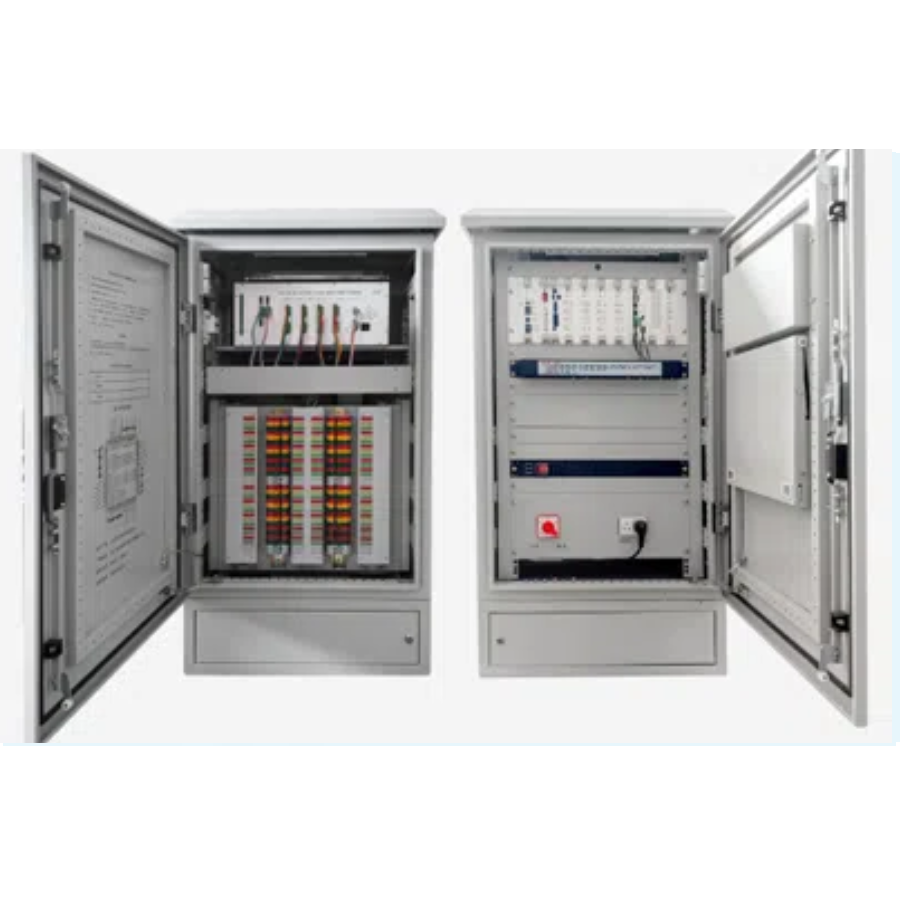
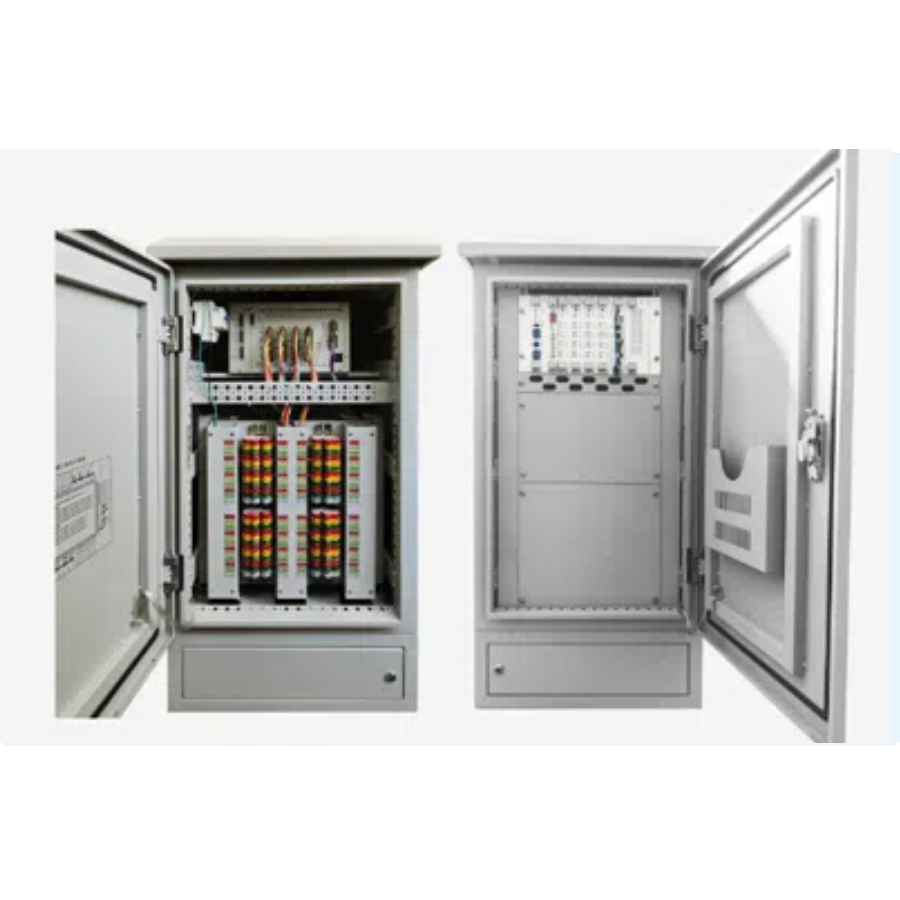
Big Data Control Traffic Signal Controller (hereinafter referred to as the Signal Controller) complies with GB25280-2016 "Traffic Signal Controllers for Road Traffic," communicates with the host computer via the communication protocol in Appendix A of GB 25280-2016 "Traffic Signal Controllers for Road Traffic," and is compatible with NTCIP (National Transportation Communications for Intelligent Transportation Systems).ITS Protocol (Intelligent Transportation Systems Protocol) is an open-standard-based interconnected big data traffic signal controller. Tailored to the current domestic traffic situation, it implements a variety of intelligent traffic control algorithms, boasts complete independent intellectual property rights, is powerful in function, stable in performance, and easy to use, fully meeting the requirements of modern intelligent traffic systems.

Advantages
· Our big data control signal machines are independently researched, developed, and produced by our company. They can achieve seamless integration between devices without the need for third-party intervention, thereby avoiding finger-pointing and disputes among different equipment manufacturers.
· Big data traffic signals can exchange real-time road condition data over the internet (such as Baidu Map road conditions, Gaode Map road conditions, and other big data map road conditions, etc.), dynamically adjust control strategies in real-time, and resolve sudden traffic congestion issues.
· The signal machine features Bus Rapid Transit (BRT) priority, capable of addressing issues with buses traveling in opposite directions on the same bus-only lane, particularly when the trailing buses need to proceed but are blocked by the leading ones.
· Features fault message alarm function, automatically sending fault information to designated multiple mobile phones when issues such as signal lights not illuminated, line faults, leakage, or power outages at intersections occur, achieving signal management.
· Achieves two-way green wave, by calculating the distance and speed between adjacent intersections, it can achieve both two-way and longitudinal green waves.
· Achievable感应式green wave, i.e., compressing redundant time in non-green wave directions, to extend the green wave time for more vehicles to pass through the main artery.
· The signal machine features variable electronic sign output control functionality, enabling multi-time period control. The variable electronic signs do not require a separate external controller. The variable electronic signs, variable electronic lane indicator lights, and other electronic indicator signs are synchronized with the signal machine's signal switching.
· The signaller has the function of guiding information output, which can directly output to control the LED guiding information display screen. It eliminates the traditional method of LED display screens relying solely on learning for passive and active display, and also resolves the issue where the LED display screen fails to display normally after changing the phase of the signal lights.
· Achieves asymmetric release; automatically initiates asymmetric release upon detection of vehicles meeting the set asymmetric release conditions.
· Equipped with APN remote communication capabilities, it supports dual network port communication. In case of a fault in one line, it automatically activates the other line for communication with the command center.

Functional Requirements
(1) Regional Adaptive Control
Traffic signals connected to the central control system can receive control commands and coordinated optimization parameters from the central control computer, achieving coordinated control of traffic signals at multiple related intersections. Through regional coordination control, traffic signal lights at local or entire regional intersections can be optimized under the central control system, ensuring signal timing and minimizing parking次数 and delays.
(2) Mainline Coordination Control
Traffic signal controllers at intersections within the controlled area are under the control of the regional computer. The timing and phase difference plans for linear coordination signals are generated in real-time based on the real-time traffic flow conditions by the linear coordination adaptive optimization algorithm module. Additionally, different green wave control schemes can be implemented during different time periods, with varying green wave control parameters set accordingly. Moreover, suitable coordination control plans can be called from the local scheme library based on the real-time traffic flow parameters at key intersections to achieve green wave zone control.
(3) Emergency Vehicle Green Wave Control (Security Duty)
The traffic signal control system features emergency vehicle control functionality. The system can receive requests from special vehicles such as police, fire, ambulance, and rescue teams, and prioritizes these requests based on urgency. Simultaneously, the system adjusts the traffic light changes at intersections according to the actual situation, implementing "green wave control" for emergency vehicles. After the emergency vehicles pass through, the system returns to its original operational state, promptly dispersing vehicles that have been delayed due to the passage of emergency vehicles.
(4) Bus Priority Control
The traffic signal control system should have a public transport priority control function, including an on/off scheme for public transport signal priority. It should allow for the addition or cancellation of public transport priority schemes and enable or disable the public transport priority control plan via schedules or manual adjustments. The system should also implement a coordinated control function along the routes of public transport vehicles while selecting signal priority for exclusive bus lanes.
(5) Contingency Control
The system calls the pre-set multi-intersection control plans stored in the center and sends them to the relevant intersections for execution, enabling timely adjustment of signal timing during adverse weather conditions and emergencies.
(6) Central Remote Control
You can view and modify the feature and timing parameters of the intersection traffic signal control units; under network connection, the central control system can remotely read and issue plans from the traffic signal control units.
(7) Phase Locking Control
According to the needs of guard duties or traffic guidance, it can issue commands to directly enforce the execution phase and stage, as well as the execution time of traffic signal control at intersections.
(8) Intervention for Yellow Flash Control
The central control management system can control the blinking of traffic signal yellow lights at a certain frequency, warning or reminding vehicles and pedestrians.
(9) Intervention Control for the Manual Intervention Function
The system can send off commands to the traffic signal control unit at intersections, enabling the control of traffic lights to be turned off.
(10) Downgrade Control
The fault downgrade sequence can be set by the regional control unit. In case of communication interruption or other faults, it can be downgraded to cable-free coordination control mode, or further downgraded to point control; it can also be downgraded to single-point full inductive control, single-point semi-inductive control, multi-time period timed control, etc.
(11) Remote Monitoring and Maintenance
Real-time phase monitoring. Traffic signal controllers report their operational status to the center during state changes (phase changes, time period changes, control plan changes, etc.), allowing the central control system to monitor the real-time phase light colors and plan information of the traffic signal controllers.


