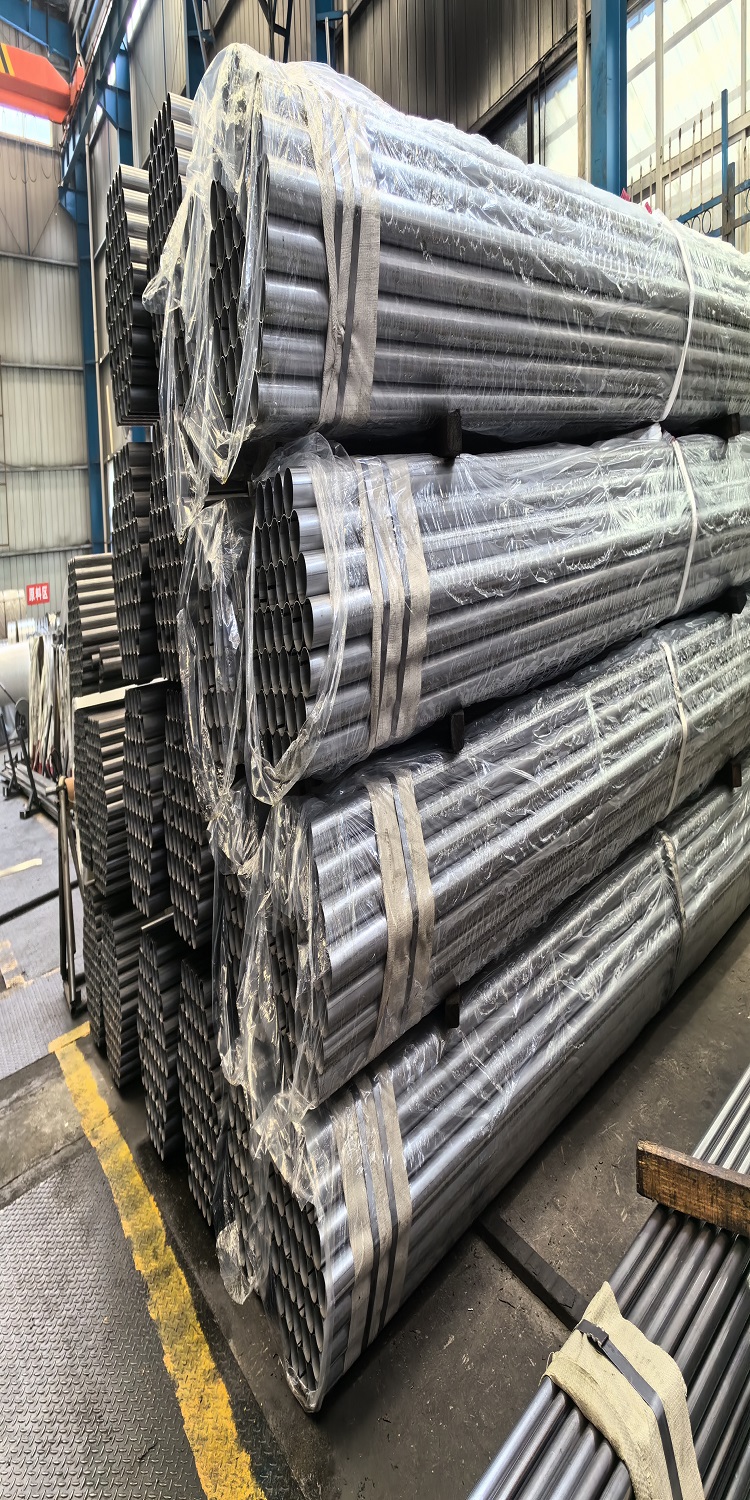

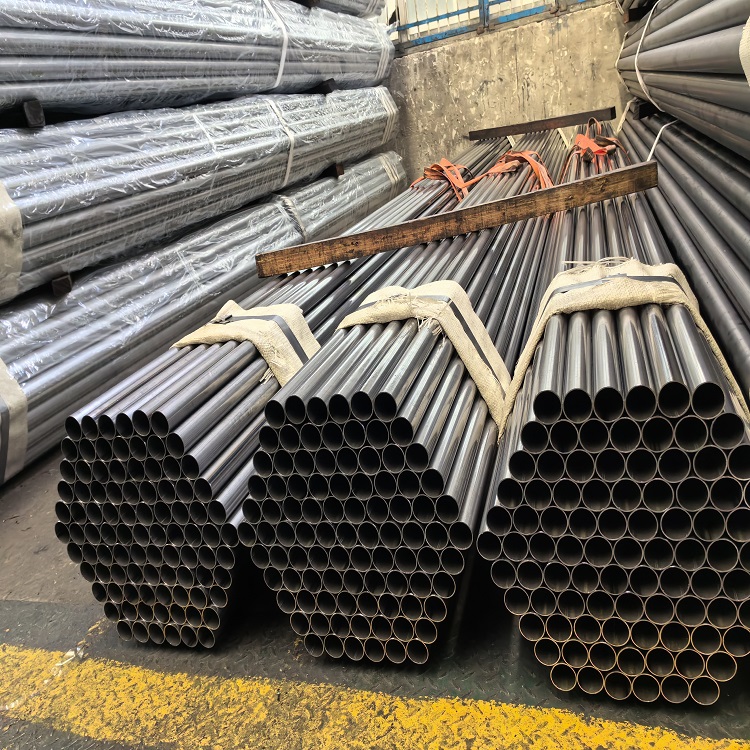




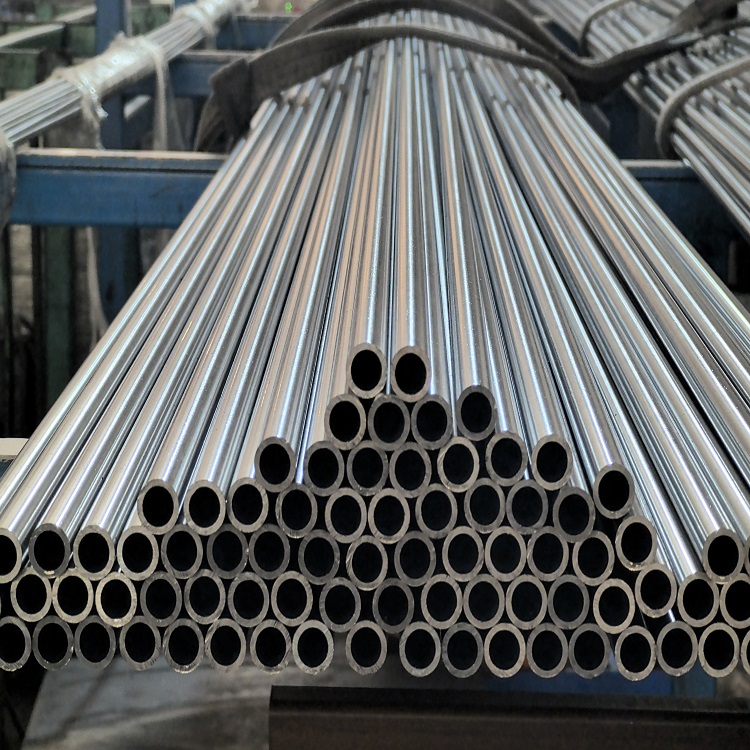
 Precision Steel Tube
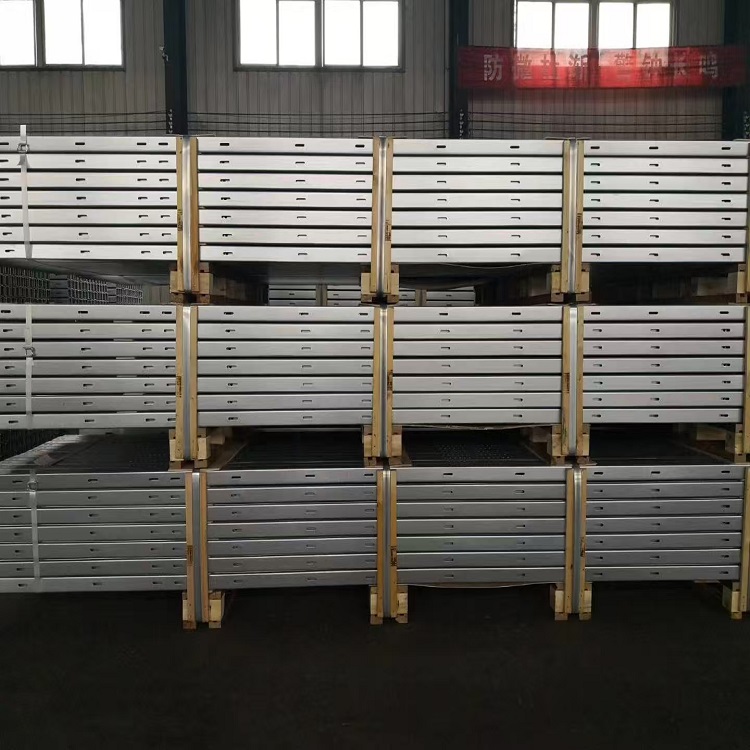 Aluminized Square Tube
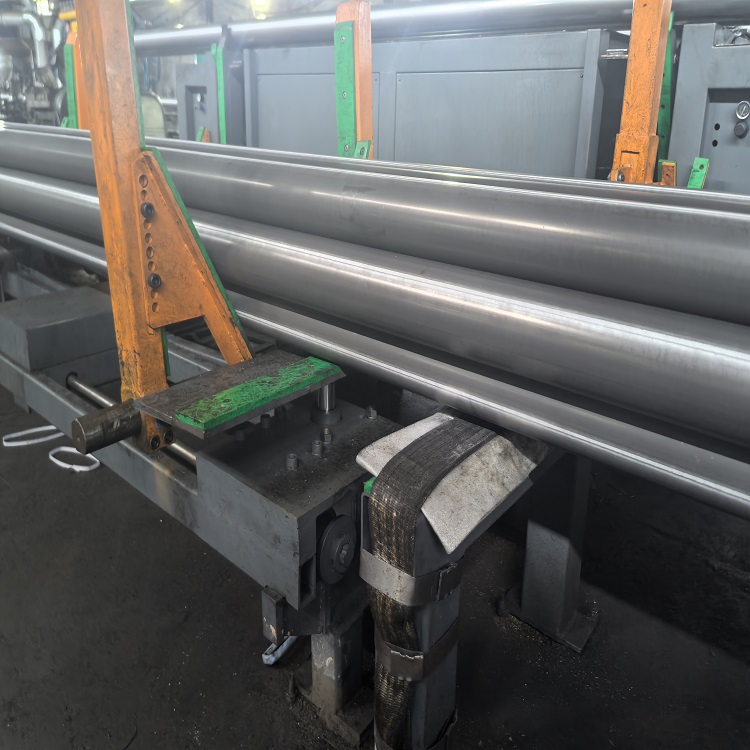 Black anodized aluminum tube
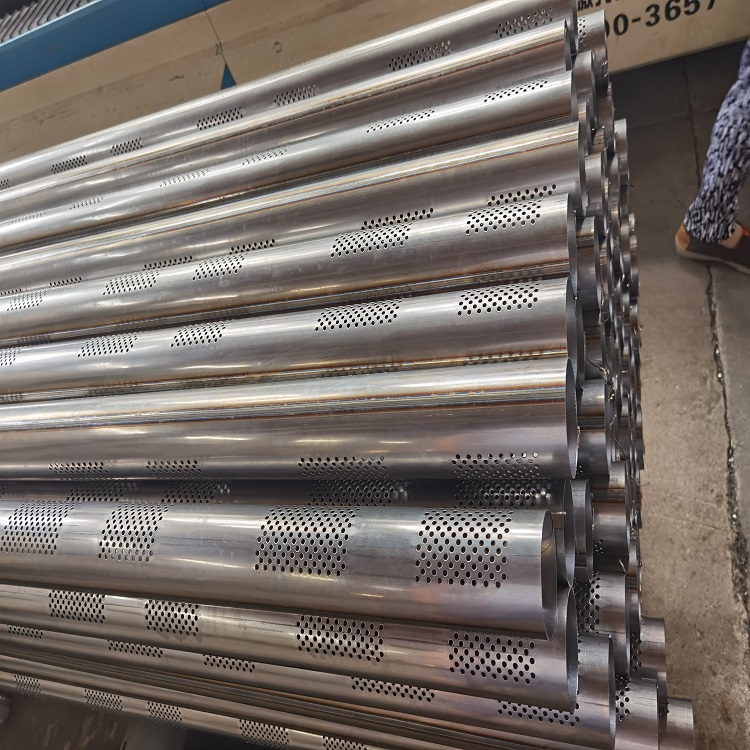
 Punched aluminum plated tubes
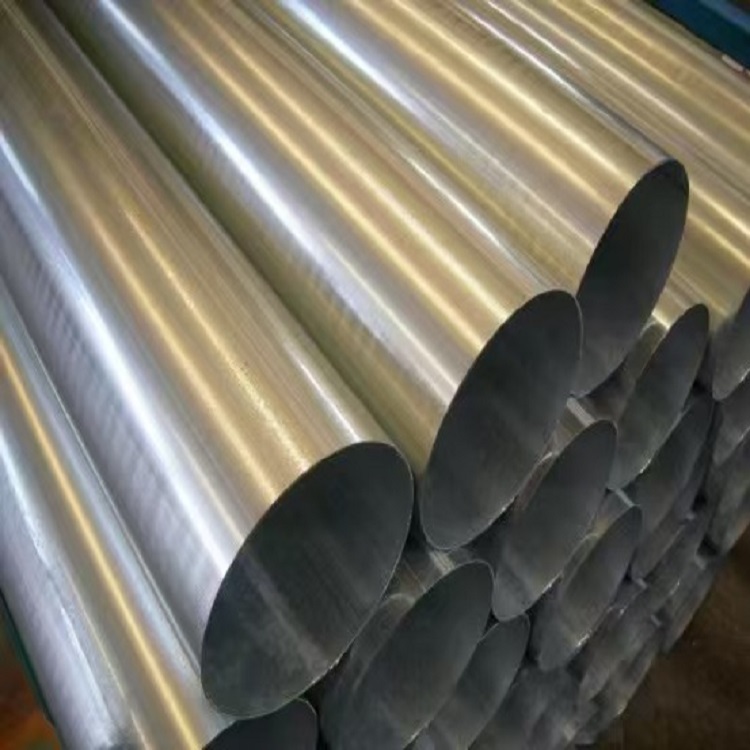
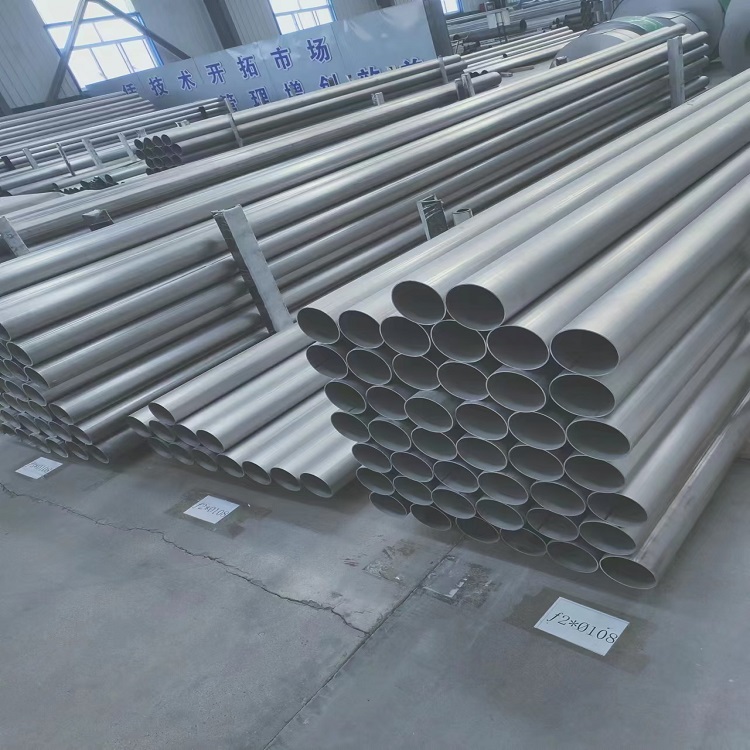
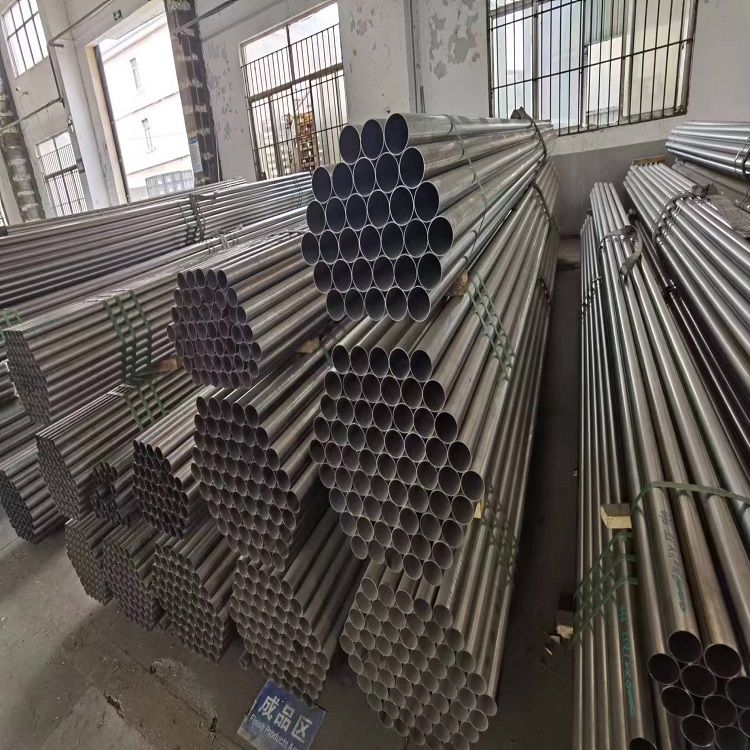 Stainless Steel Pipe
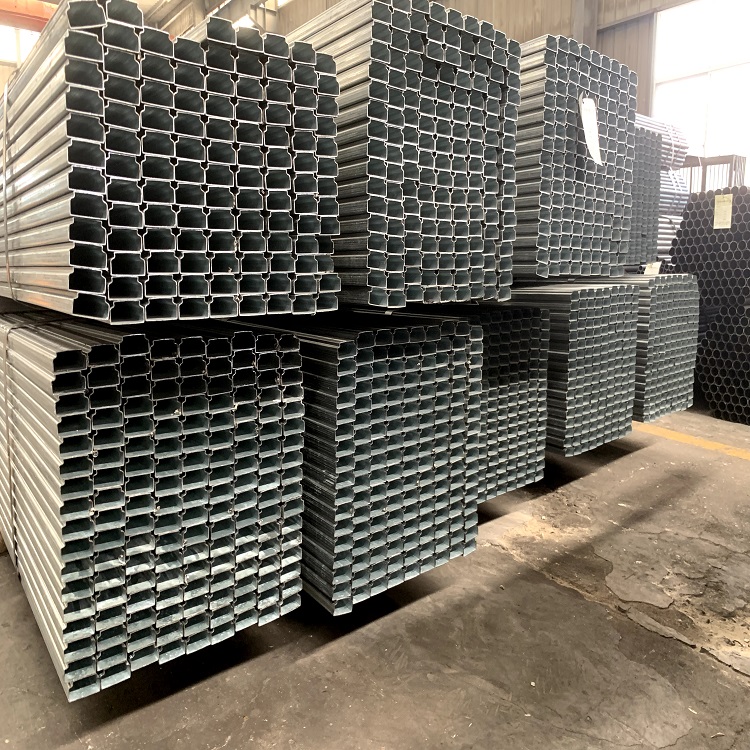 Special-shaped steel pipes
 Perforated tube
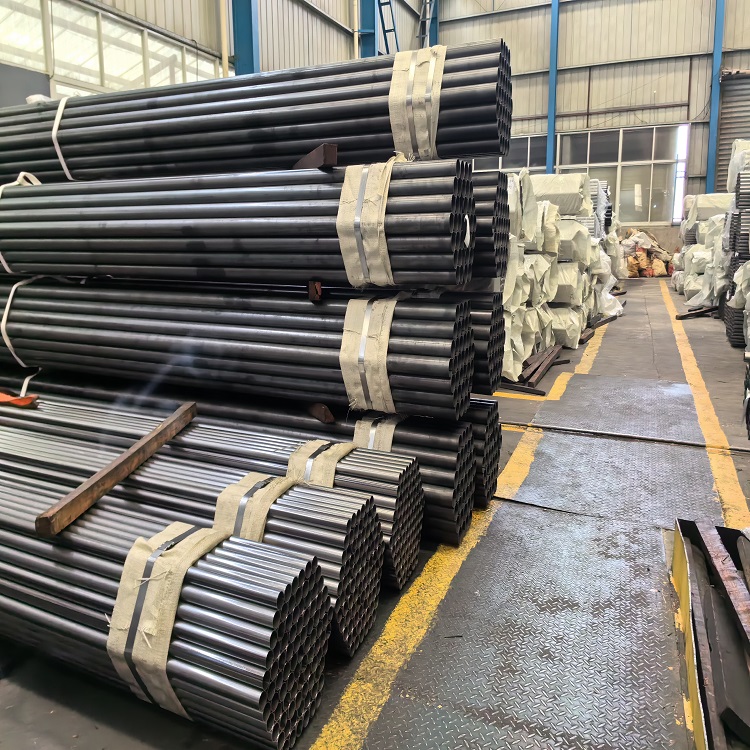
Carbon steel pipes are manufactured by piercing ingots or solid round steel to form rough pipes, which are then rolled hot, cold rolled, or cold drawn to produce the final tubing. Below is a detailed introduction to carbon steel pipes:
Carbon steel pipes are mainly divided into two categories: hot-rolled carbon steel pipes and cold-rolled (drawn) carbon steel pipes.
Hot-rolled carbon steel pipes: Including general steel pipes, low-medium pressure boiler pipes, high-pressure boiler pipes, alloy steel pipes, stainless steel pipes, oil cracking pipes, geological steel pipes, etc.
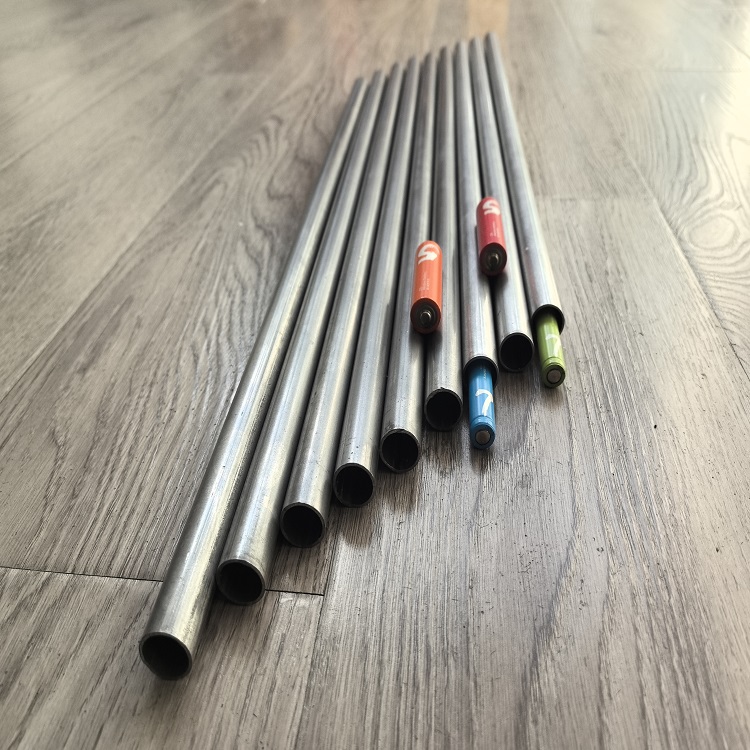
Cold-rolled (drawn) carbon steel pipes: In addition to certain categories of hot-rolled carbon steel pipes, it also includes carbon thin-walled pipes, alloy thin-walled pipes, stainless thin-walled pipes, and special-shaped pipes.
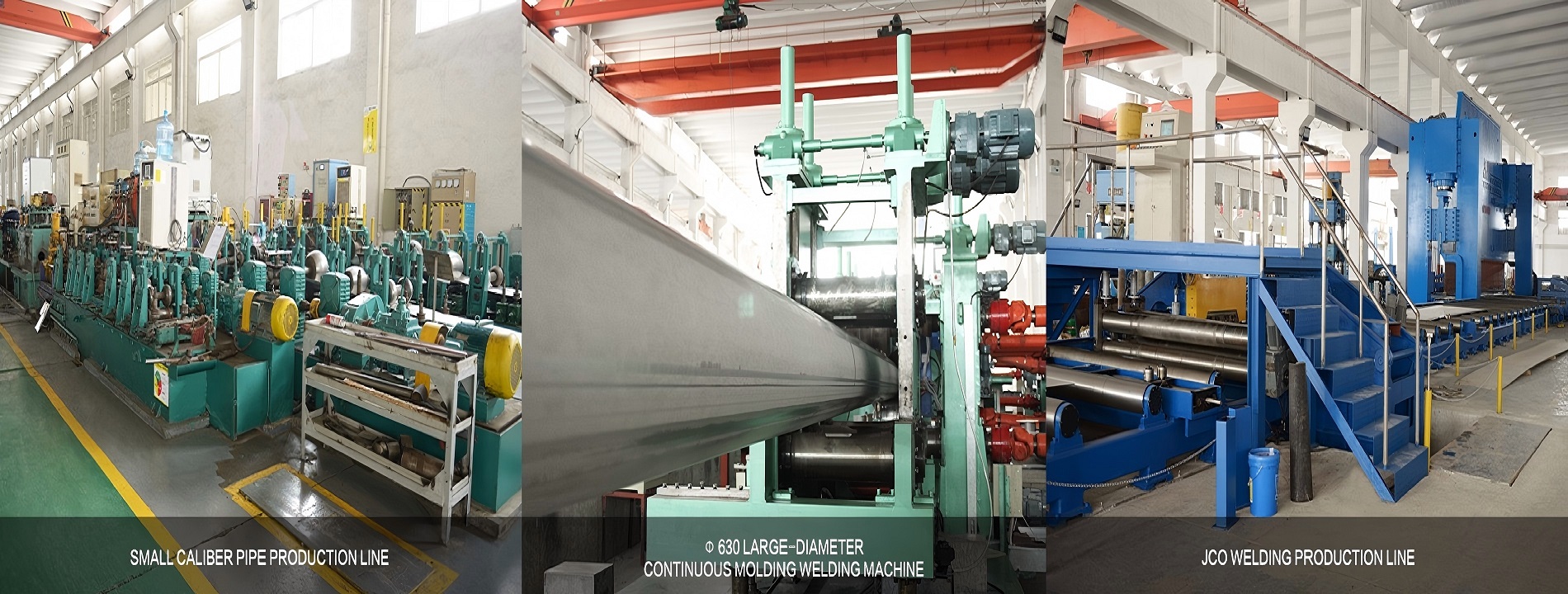
Select the appropriate carbon steel grade for the intended use and ensure the raw materials are free of defects. Cut the materials to the designed dimensions using a sawing machine or cutting equipment. Process the cut steel into an approximate shape for carbon steel pipes through bending and rolling operations. For multi-section steels that require connection, use manual electric arc welding or submerged arc welding techniques. Alter the internal structure of the carbon steel pipes through heating and cooling processes to enhance their performance. Treat the pipes with rust removal, painting, or galvanizing to improve their corrosion resistance and aesthetic appeal.
High strength, toughness, and hardness: Carbon steel pipes can withstand significant pressure and are not easily deformed or fractured when twisted or bent.
Excellent corrosion resistance: Carbon steel pipes can withstand the erosion of various corrosive media under specified conditions. However, compared to stainless steel pipes, their corrosion resistance is poorer, and anti-corrosion treatment is required when used in damp or corrosive environments.
Low raw material cost: The raw material price of carbon steel pipes is relatively low, and the manufacturing cost is also low, making them very common in various fields.
Carbon steel pipes are widely used due to their unique physical and chemical properties, mainly in the following fields:
Pipes commonly used for supporting building structures and drainage systems. Play a crucial role in the oil exploration, transportation, and processing. Used in pipeline systems for conveying chemicals, liquids, and gases. Widely employed in urban water supply and drainage systems. Utilized in the manufacturing of various mechanical equipment and components, such as automobiles, ships, aircraft, and construction machinery.