




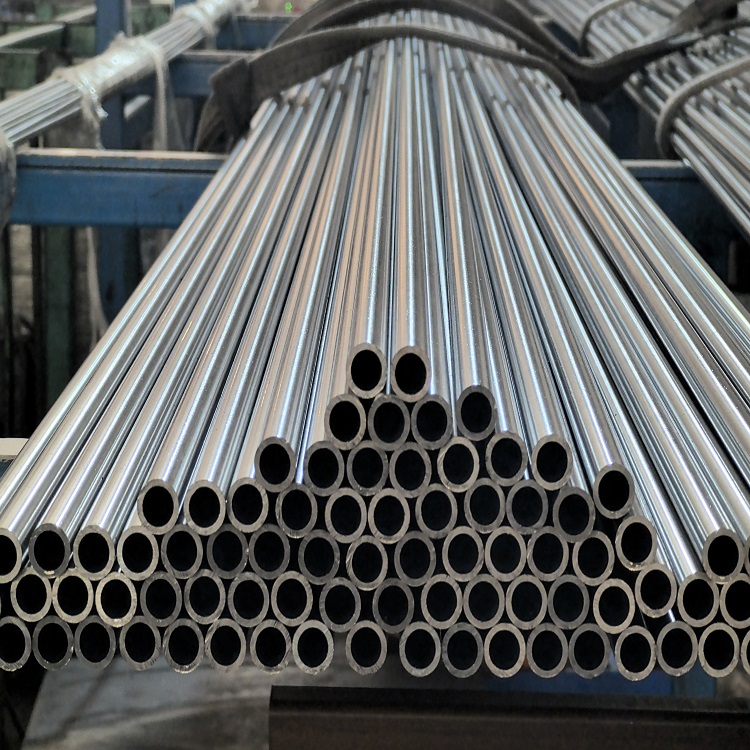
 Precision Steel Tube
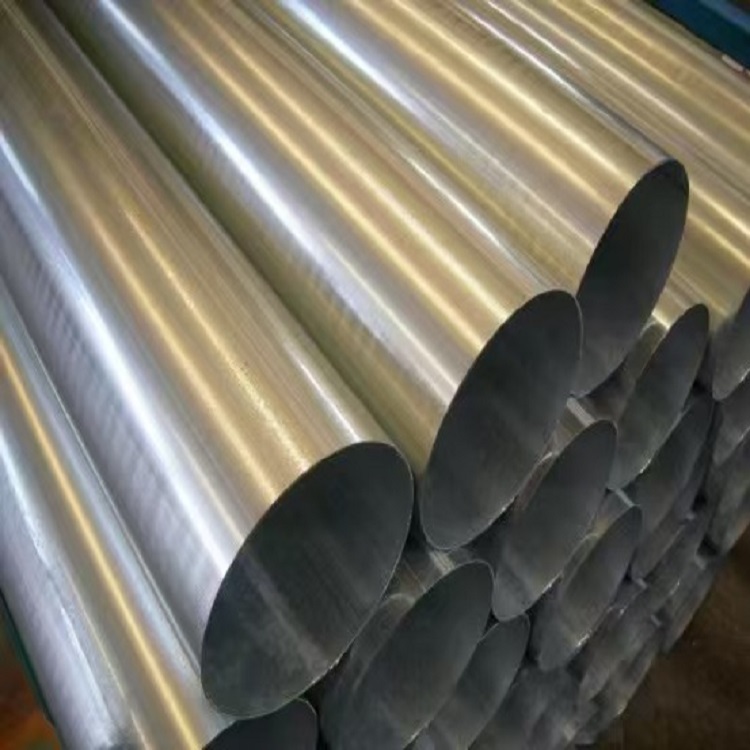 Aluminized Steel Pipe
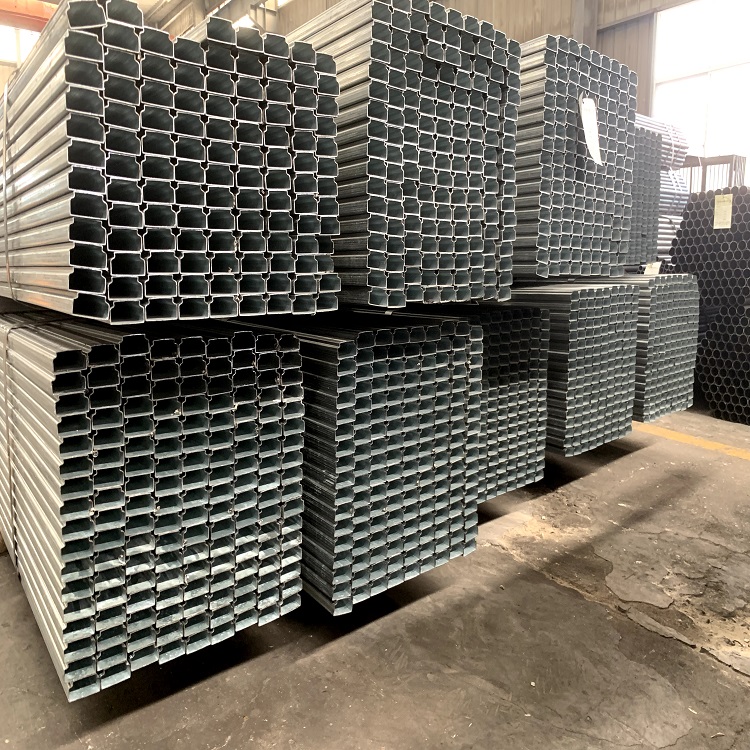
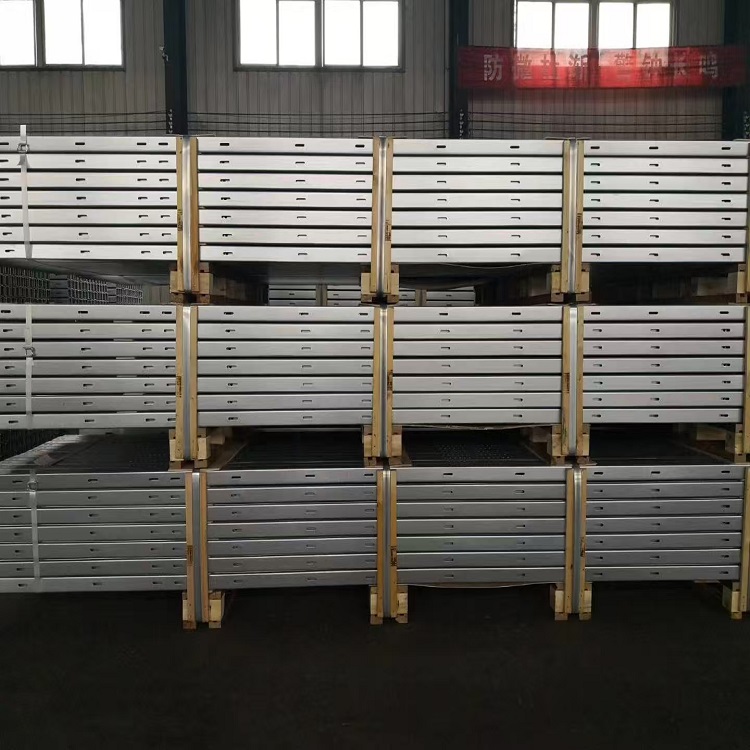 Aluminized Square Tube
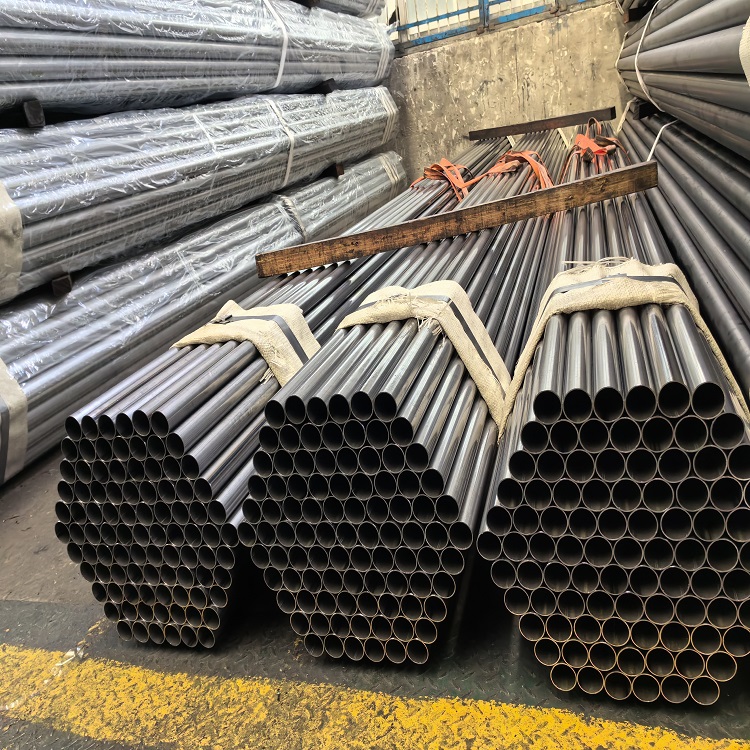
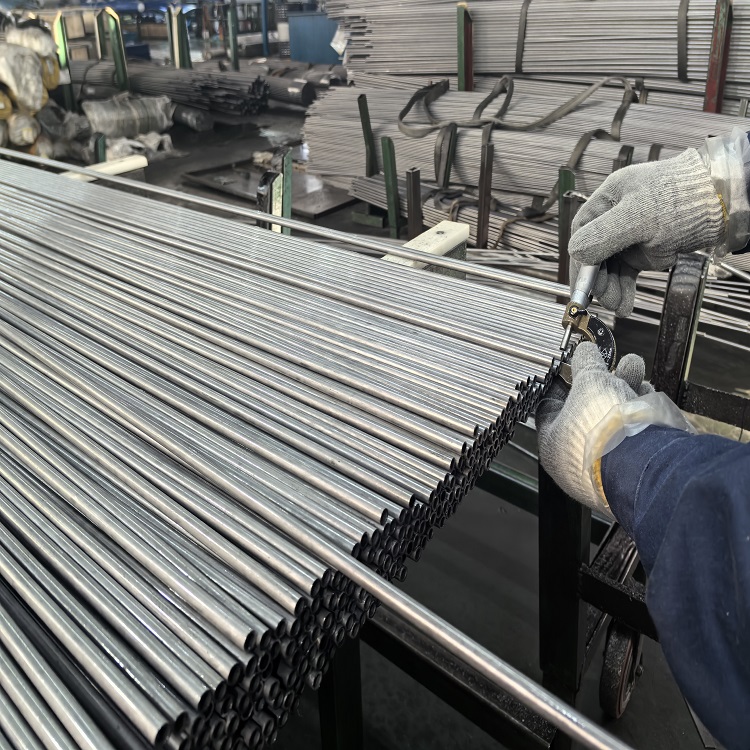 Seamless Steel Pipe
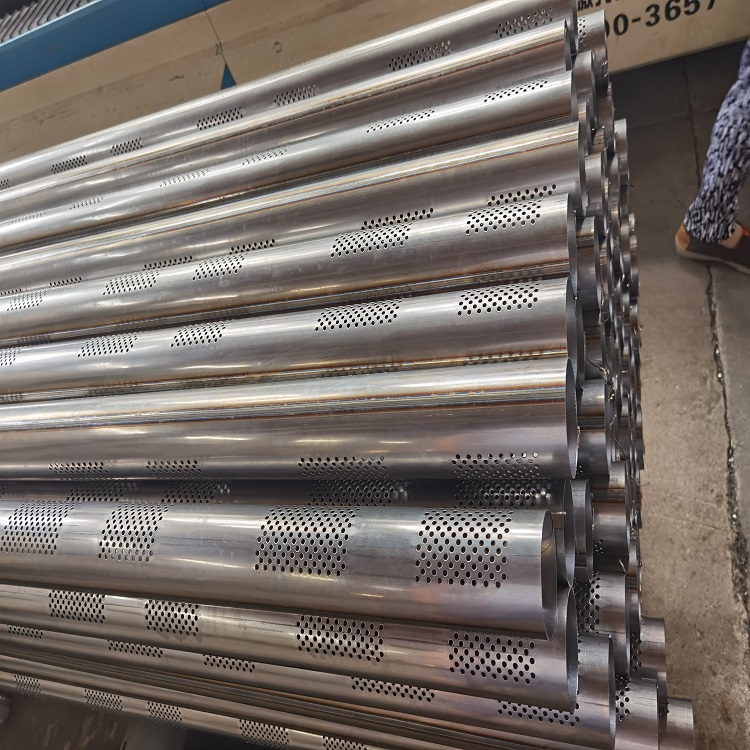 Stainless Steel Perforated Tube
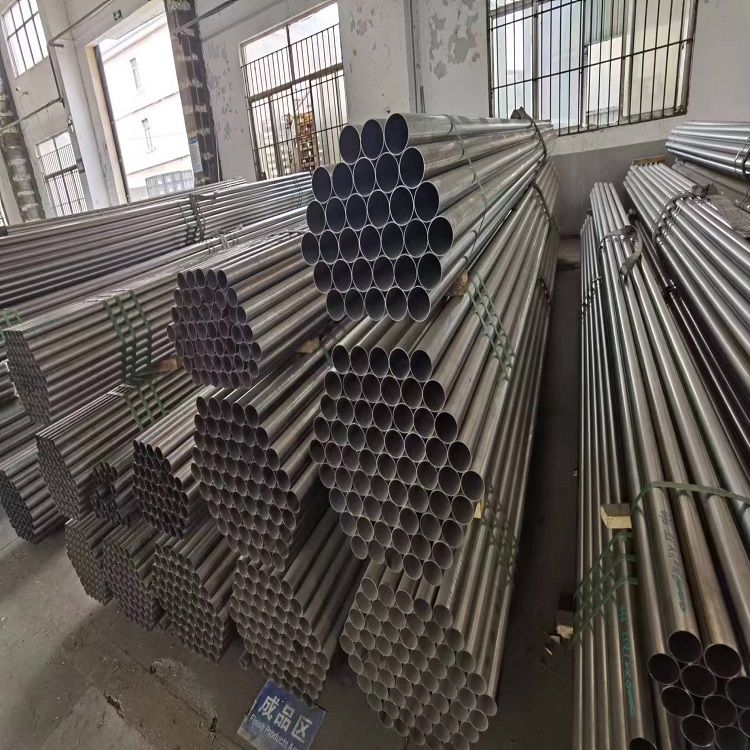 Stainless Steel Pipe
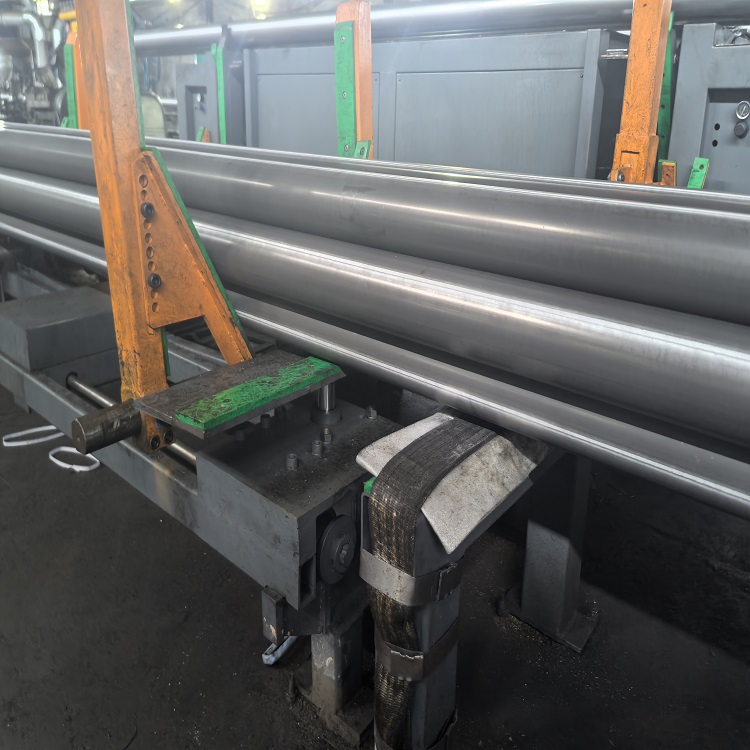 Black anodized aluminum tube
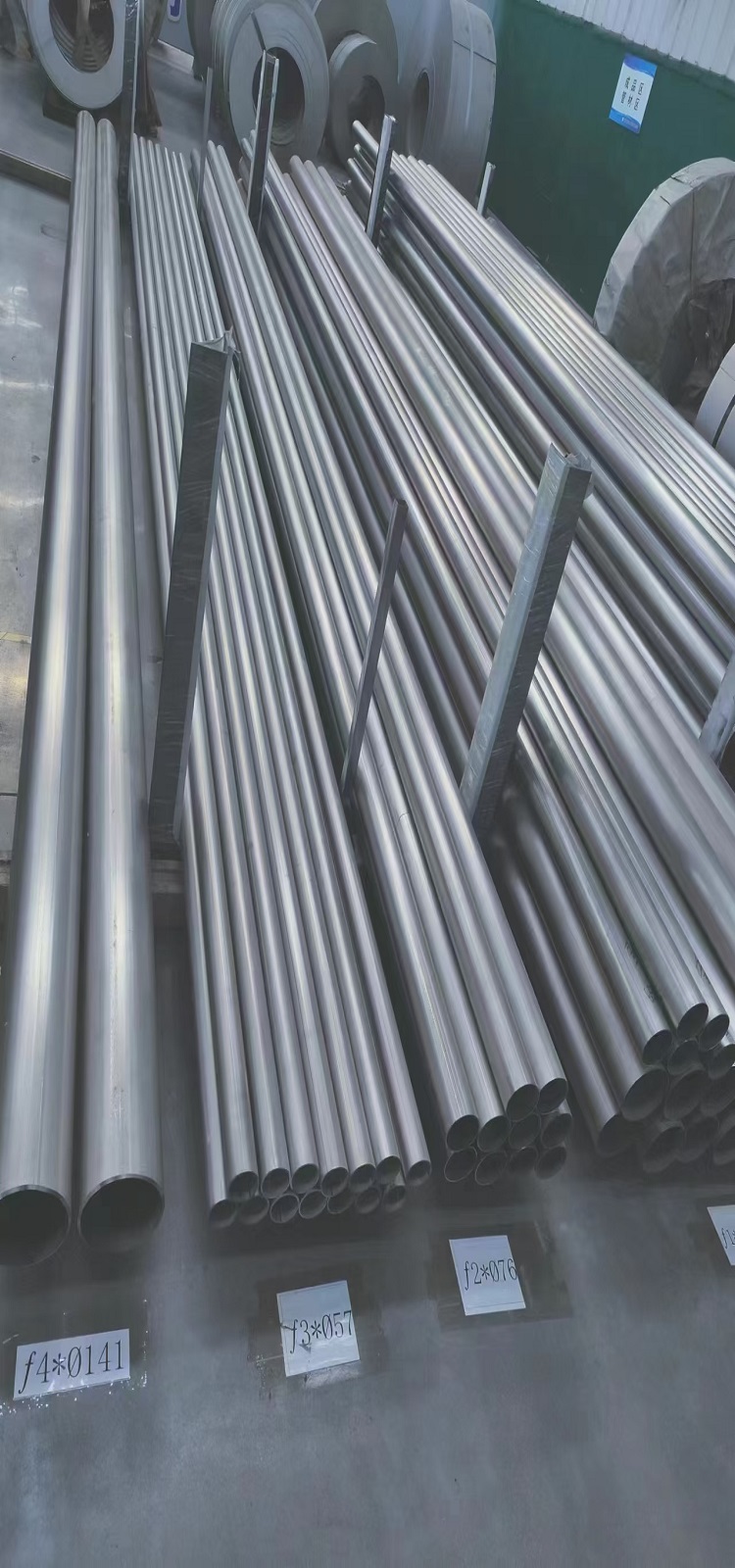
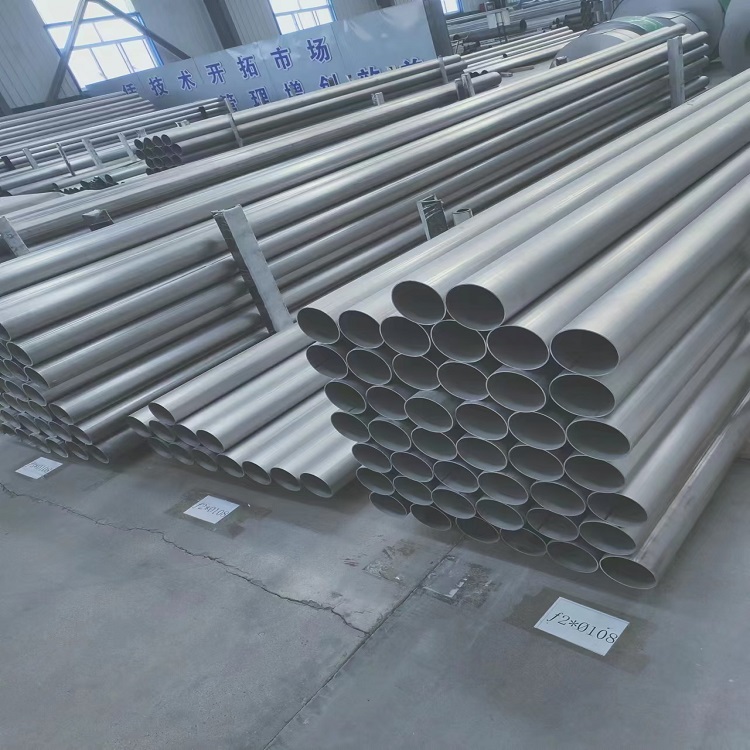
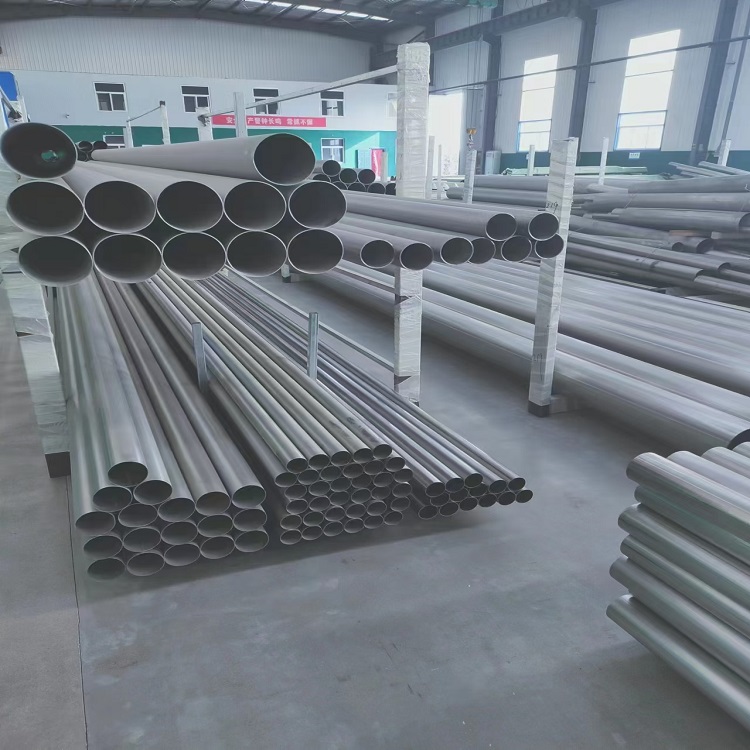
Titanium alloy tubes are pipes made from titanium alloys, which can be categorized into three types based on their microstructure: titanium alloyed with aluminum and tin, titanium alloyed with aluminum, chromium, molybdenum, and vanadium, and titanium alloyed with aluminum and vanadium.
Titanium alloy tubes offer high mechanical properties, excellent formability, and can be welded in various forms, with the weld joint strength reaching up to 90% of the base metal's strength, and good machinability. Additionally, titanium alloy tubes feature the following characteristics:
Titanium tubes exhibit excellent corrosion resistance to chlorides, sulfides, and ammonia, with titanium's corrosion resistance in seawater surpassing that of aluminum alloys, stainless steel, and nickel-based alloys. Additionally, titanium boasts strong resistance to water impact.
Titanium alloys offer high specific strength (tensile strength/density), with tensile strength reaching up to 100~140 kgf/mm² and a density just 60% that of steel. They can be used at temperatures several hundred degrees higher than aluminum alloys, maintaining required strength at moderate temperatures and can operate long-term at temperatures of 450~500°C. Titanium alloys with lower interstitial elements, such as TA7, still retain some plasticity at -253°C. They have low thermal conductivity and are non-magnetic.
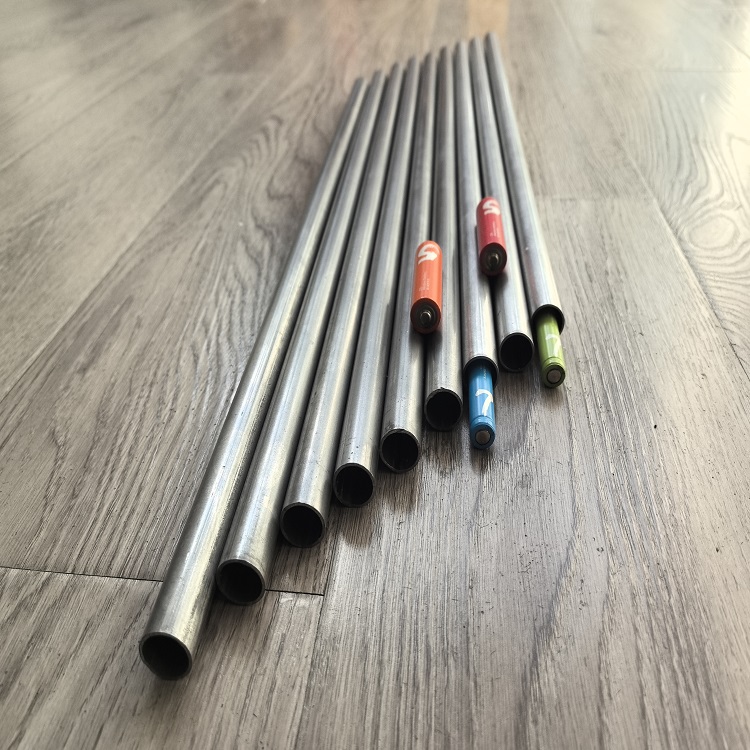
Titanium alloy tubes are primarily used in the manufacturing of aircraft engine compressor components, as well as structural parts for rockets, missiles, and high-speed aircraft. They also play a crucial role in the hydraulic and fuel pipeline systems of aircraft engines. In oil drilling, they serve as casing, and are also applied in heat exchanger tubes. Particularly in high sulfur environments, titanium alloy oil tubes are gradually replacing general stainless steel and nickel-based alloys due to their excellent resistance to pitting corrosion. They are highly resistant to acid corrosion and widely used in fluid pipelines and heat exchange equipment in chemical plants. Titanium alloy tubes are also used to make bicycle tripods and handlebars, golf clubs, fishing rods, and other sports equipment. Due to titanium's low density and high strength, it allows for larger ball heads without increasing the overall weight of the rod, thereby enhancing the ball striking performance.
In summary, titanium alloy tubes have become a significant metal tube material due to their superior performance and wide range of applications. With the continuous advancement of technology and deeper research into titanium alloy materials, the application prospects of titanium alloy tubes will be even broader.