Automated complete control systems, speed regulators, control equipment, temperature and humidity controllers
18930946195
I. Introduction
Today's glass furnaces are categorized into many types based on the type, quality, and scale of glass production. This includes crucible furnaces capable of producing small batches of optical glass, chemical glass, and craft glass, as well as small-scale all-electric melting furnaces, up to large pool furnaces in flat glass and glass bottle factories that can melt hundreds of tons of glass daily. The wide range of applications for glass furnaces is mainly divided into crucible furnaces,
2. Pool Furnaces, 3. All-Electric (Electric-Assisted) Melting Furnaces.
Crucible furnaces were early used for glass melting and are still widely employed by enterprises producing small-scale glass and ceramic glazes. In the late 19th century, Siemens AG addressed the discontinuous production flaw of crucible furnaces by internally redesigning them. They selected high-temperature-resistant materials for the furnace frame and installed a fully integrated continuous production system within, including charging, melting, clarification, cooling, and shaping. This system features a three-paned structure of melting tanks, rinse tanks, and heat exchangers. For the production of low-melting-point glass, heavy oil and gas are typically used as the primary heating fuels, with electricity serving as auxiliary heating.
The all-electric melting furnace is divided into indirect heating and direct heating methods. The indirect heating method involves melting glass by radiant heating from the heat source at the top of the furnace, which has the drawback of uneven temperature distribution on the glass surface due to rapid heat loss during the heat transfer process. In contrast, the direct heating method heats the glass by using molybdenum electrodes or tin oxide electrodes, along with high-temperature resistors (Super-kanthal) and platinum crucibles, at the bottom of the furnace, ensuring even heat distribution from the base to the top. This process significantly saves energy and enhances the thermal treatment effect.
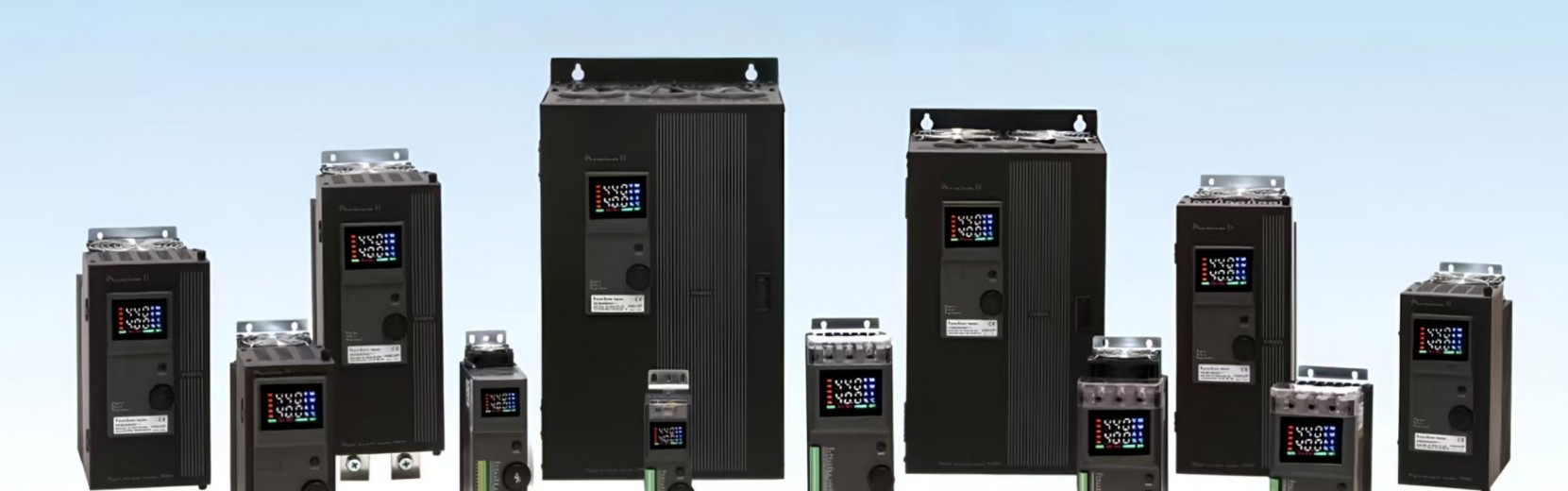
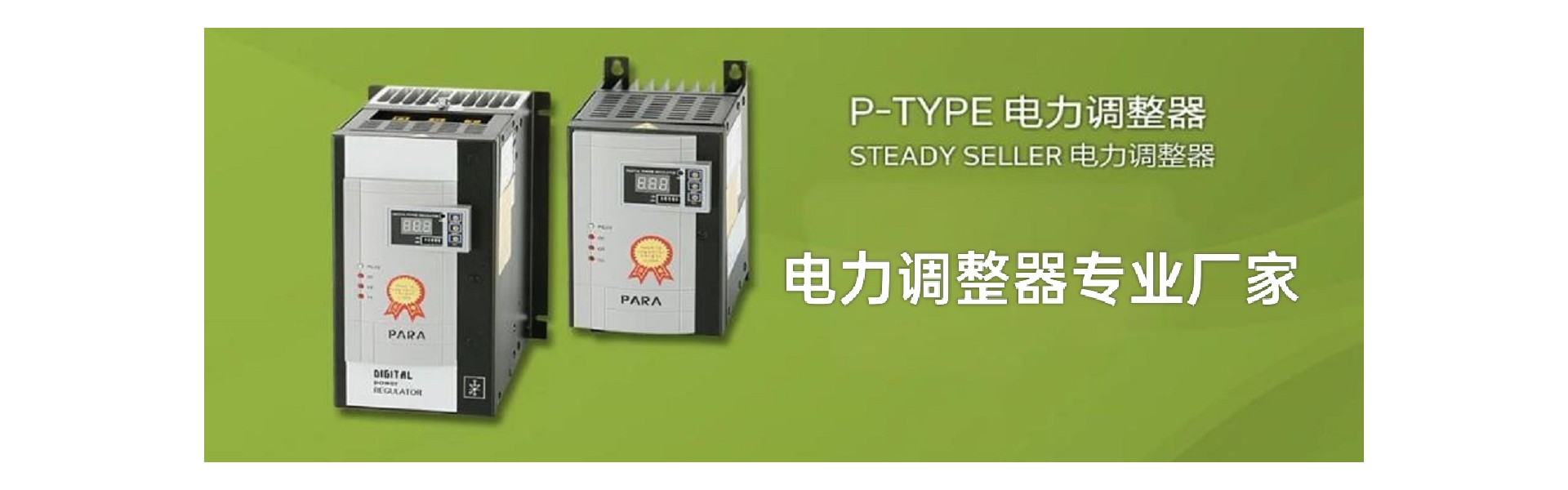
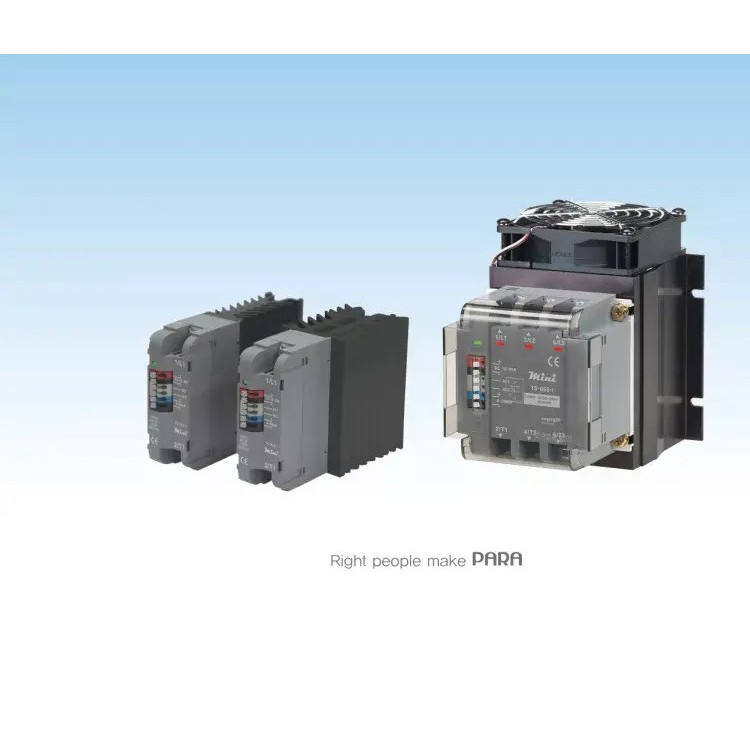
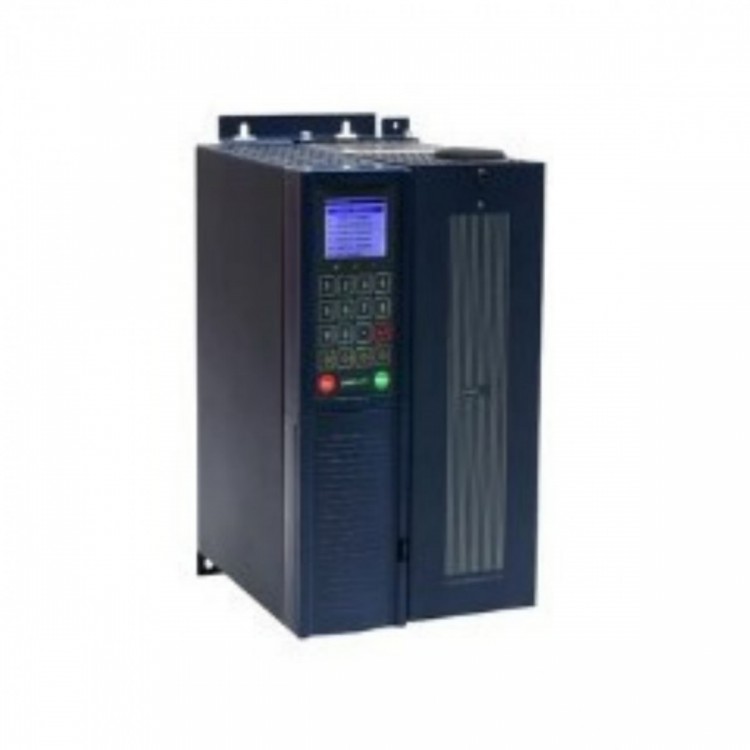
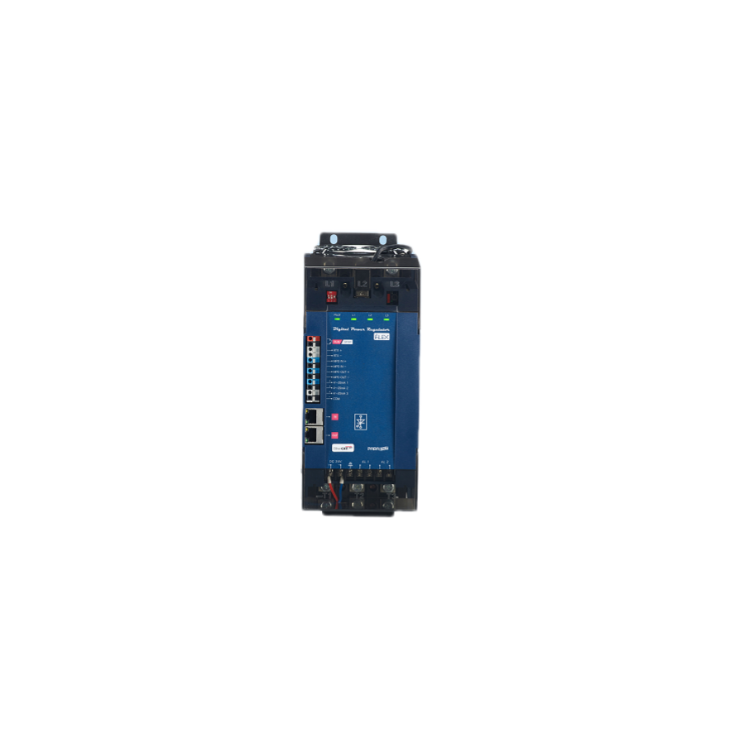
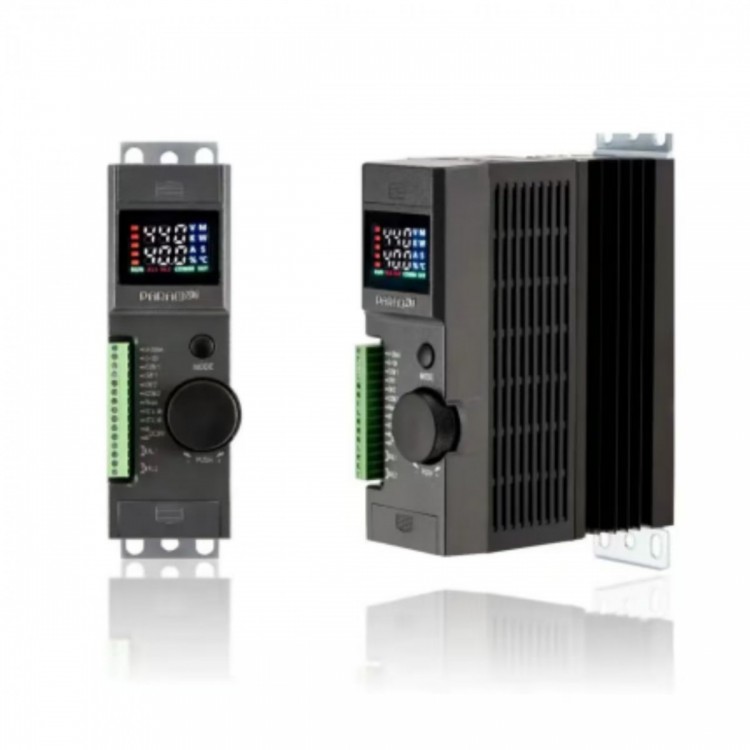
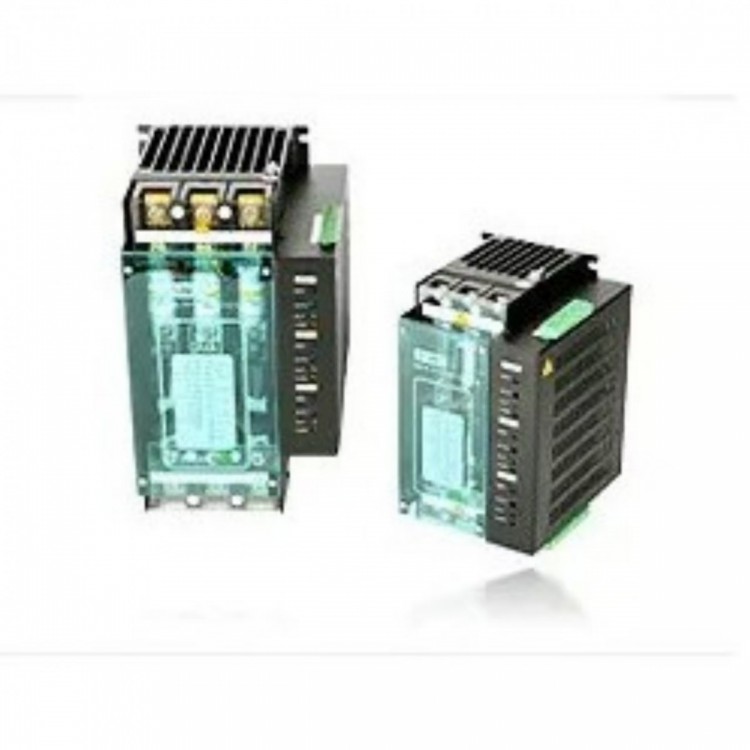
The internal structure of the all-electric melting (electric-assisted melting) furnace can be roughly divided into three parts: the electric furnace, the load, and the power controller. As the heart of the electric melting furnace, the power controller, one of the core components, is owned by (株)Para-Ent Co., Ltd., which boasts substantial technical expertise and extensive experience. With the advent of the digital age, (株)Para-Ent Co., Ltd. is one of the world's earliest companies to combine the development and production of digital power controllers from analog ones. The product's comprehensive functions meet the power control needs of various glass melting furnaces (see Figure 1).


Figure 6: Detection of Partially Disconnected Loads
Contact us

Service Hotline
17301696246
Company Telephone
18930946195

Address
No. 888, West Second Ring Lake Road, C Building, Lingang New District, China (Shanghai) Free Trade Zone
b2b.china9.net © Zhongshang 114 Hebei Network Technology Co., Ltd.Address: Room 6009, Oriental New World Center, No.118 East Zhongshan Road, Qiaoxi District, Shijiazhuang City, Hebei ProvincePlatform Service Hotline: 4006299930