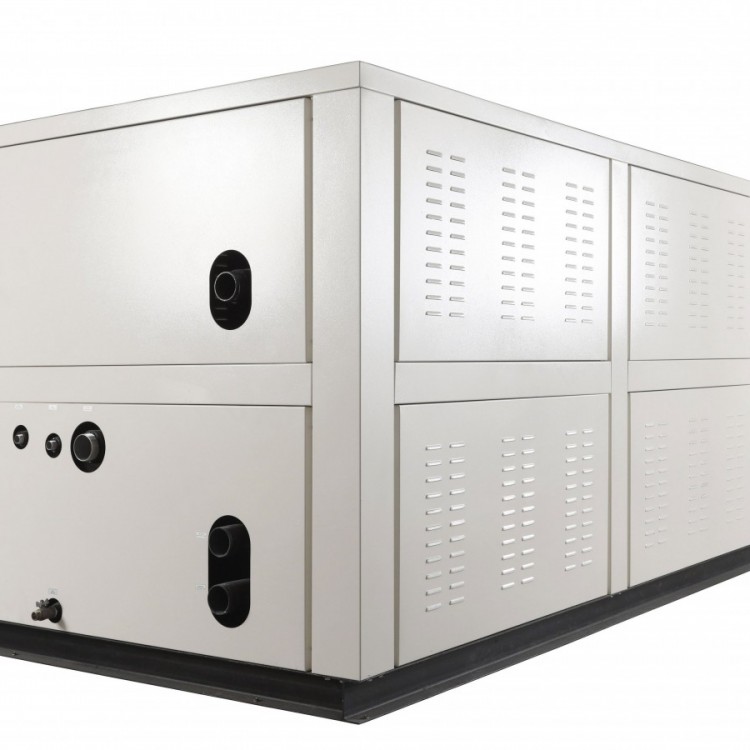
Chiller / Water Source Heat Pump Unit / Air-Cooled Chiller

Under the grand goal of carbon neutrality in 2021, it is imperative to prioritize industrial environmental protection and energy conservation. For large-scale industrial temperature control equipment such as chillers, continuing on the path of energy saving and emission reduction, consistently improving and enhancing technological levels to reduce energy consumption, will contribute to achieving "carbon neutrality" and "carbon peak."
The cost structure of the chilled water system industry primarily consists of 20% for design and R&D expenses, 50% for manufacturing costs, 18% for sales expenses, and 12% for administrative expenses. The average profit margin in the refrigeration equipment industry is around 15%, while the average profit margin in the refrigeration, cold storage, and freezing related cold storage industry is around 50%.
Under the fast-paced production trend, the construction and delivery time for the chilled water unit project has been reduced. However, the installation process of the chilled water unit involves several steps such as positioning, precision adjustment, equipment fixation, trial operation, and equipment tuning. The shorter construction period may negatively impact the installation quality of the equipment and the operational performance of the chilled water unit.
To address these issues, some companies have introduced integrated units that include chilled water package, cooling tower, cooling pumps, control cabinets, water tanks, and piping valves, which are assembled and debugged within the factory. Once the units arrive at the site, they can be immediately powered on and operated, saving installation steps and maintenance costs. Currently, integrated units are widely used in multiple fields such as rail transit, industrial production, and data centers. In the future, the integrated chilled water packages will gradually accelerate their development pace due to the increasing number of upgrading and renovation projects and the demand for expansion of cooling capacity in existing projects.
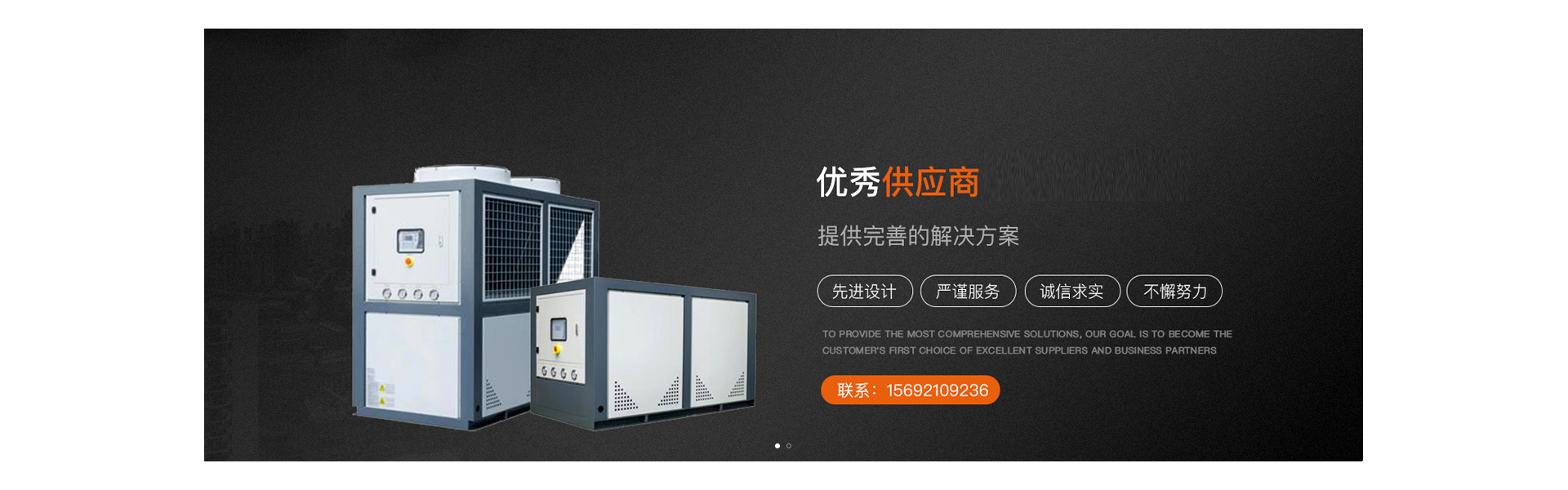
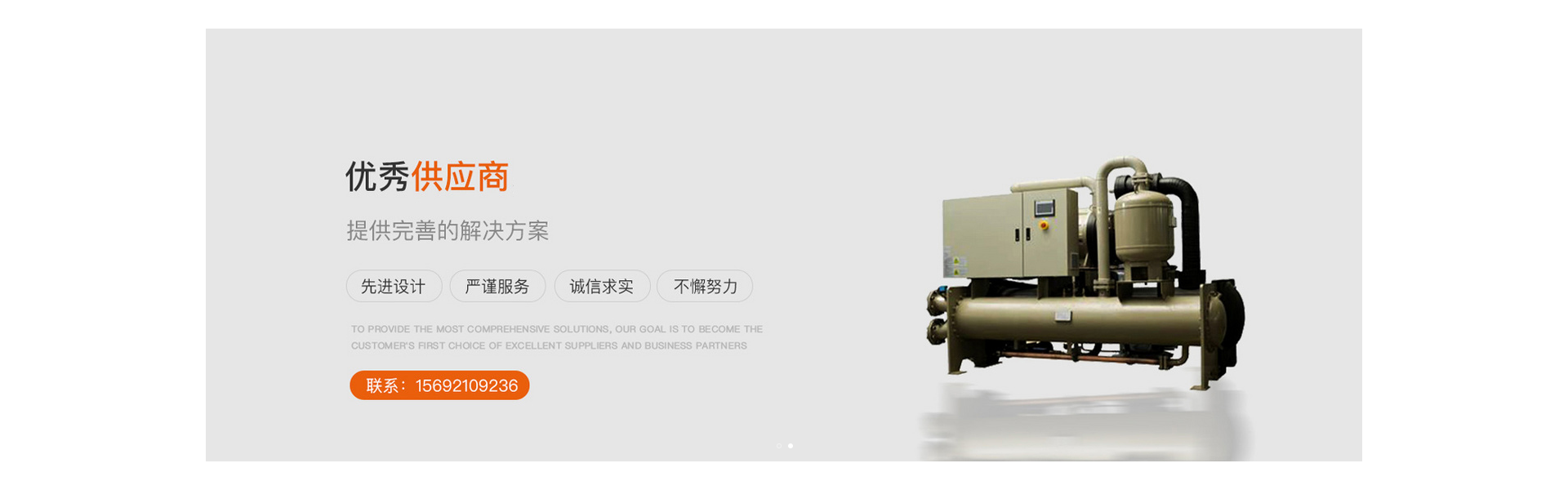
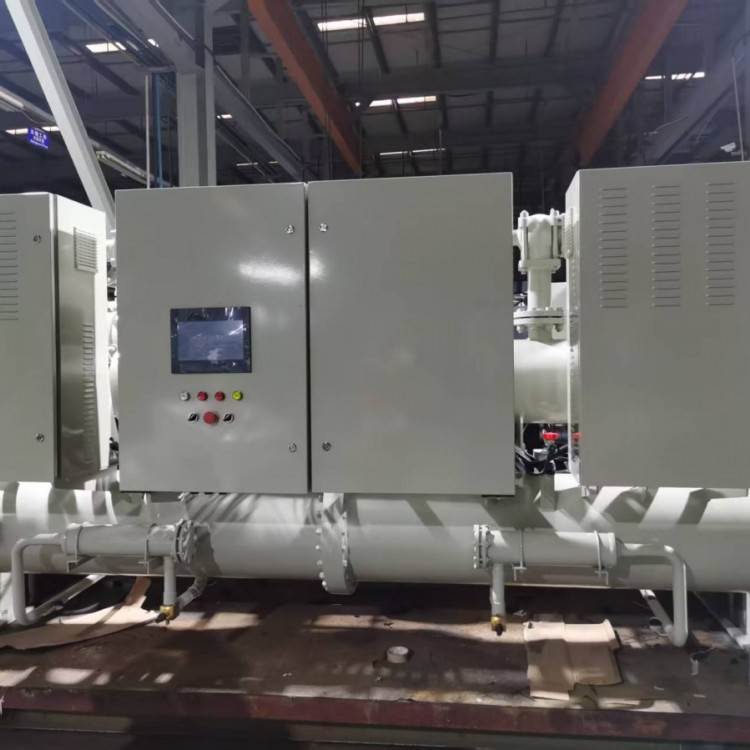
Chilled water units, also known as refrigeration units, cooling units, ice water units, and cooling equipment, are widely used across various industries, resulting in varied requirements. Their working principle involves a multi-functional machine that removes liquid vapor through a refrigeration cycle utilizing compression or heat absorption. In the refrigeration industry, there are two types of chilled water units: air-cooled and water-cooled. Depending on the compressor, they are further categorized into screw-type, scroll-type, and centrifugal chilled water units.
For air conditioning equipment, aside from consuming electricity or fossil fuels to operate, traditional refrigerants pose issues such as ozone layer depletion and absorbing ground-reflected solar radiation, which can exacerbate global warming over time. Currently, manufacturers of chilled water systems are actively exploring various new refrigerants with low GWP values, high energy efficiency, and low volumetric capacity to meet environmental development needs, including HCFO1233zd(E), R513A, and R450A, among others.
Despite the new refrigerants' partial issues such as higher cost, slightly inferior safety and thermodynamic performance compared to mainstream refrigerants, their environmental substitutes have become an inevitable trend due to the continuous development of fluorochemical materials and the assessment and application by chilled water unit enterprises, which will also gradually enhance the environmental friendliness of chilled water unit equipment.
The trend of refined refrigeration demands in various application industries, emphasizing performance differentiation, is becoming increasingly evident, which will accelerate the customized demand for chilled water unit products. As market competition intensifies, some chilled water unit companies are choosing to deepen their layouts in their advantageous fields and continuously gain user recognition through customized models in various projects. For example, for low water temperature and low load operating conditions, some companies have launched chilled water units that can operate under low cooling water temperature conditions, achieving efficient and reliable operation at a "zero temperature difference" condition of 12℃ chilled water outlet and 12℃ cooling water inlet. Driven by the strong specificity of the customized unit solutions, the promotion process of this product has significantly accelerated in recent years. With the continuous refinement of refrigeration scene demands, the market share of customized units in the chilled water unit market will continue to increase. Faced with various different operating conditions, chilled water unit products are continuously improving their equipment types and functions in exploration and transformation, promoting the continuous expansion of applicable operating conditions for chilled water units, and accelerating coverage of more application fields.


b2b.china9.net © Zhongshang 114 Hebei Network Technology Co., Ltd.Address: Room 6009, Oriental New World Center, No.118 East Zhongshan Road, Qiaoxi District, Shijiazhuang City, Hebei ProvincePlatform Service Hotline: 4006299930