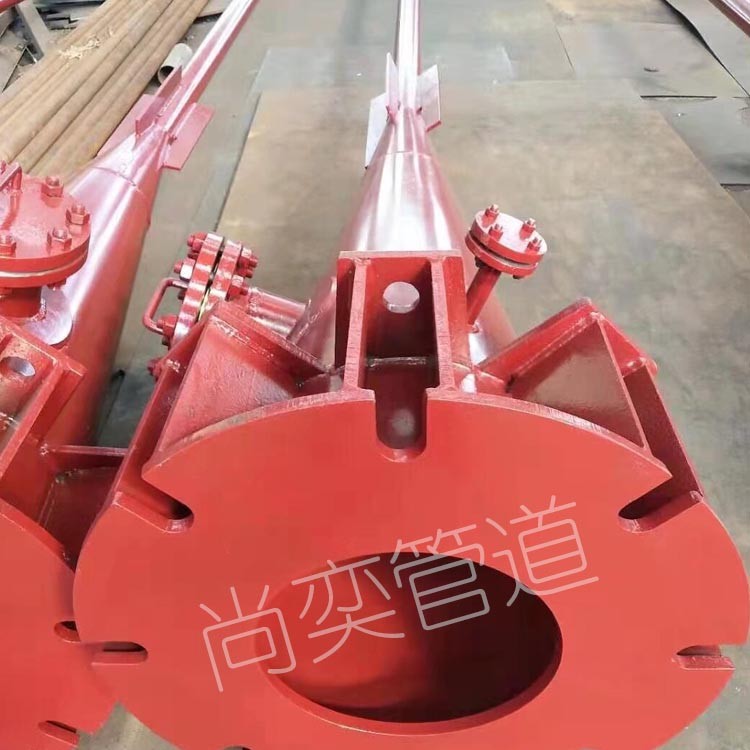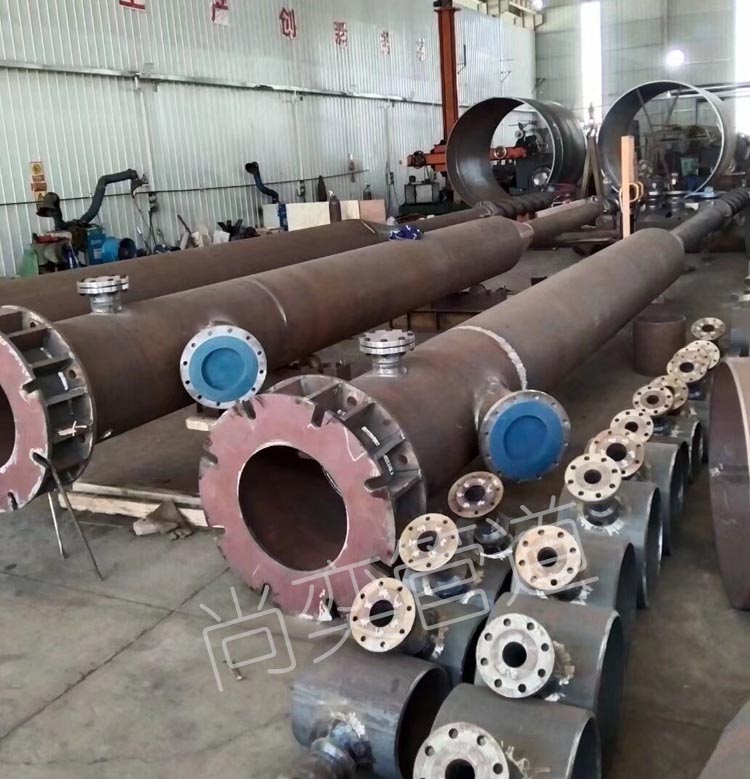
A venturi tube is a device commonly used in industrial production for handling and transferring fluids. It typically consists of a vertical tube and a set of horizontal vanes perpendicular to it, which mix, filter, and transport fluids through the flow of gas or liquid. This article will detail the principles, structure, applications, and advantages and disadvantages of venturi tubes to help readers better understand and utilize this equipment.
Section 1: Principle of Emptying Vertical Pipes
The working principle of the venting riser is based on two crucial physical principles: inertial separation and centrifugal force. As the fluid enters the venting riser, due to the mass and inertial force of the fluid, the particles within it are affected by inertial separation. Larger particles settle at the bottom of the riser, while smaller particles are carried to the lateral blades under the influence of centrifugal force. This allows for effective separation of particles from the fluid, thereby achieving purposes such as mixing, filtering, and conveying.
Section 2: Structure of Empty Spool Pipe
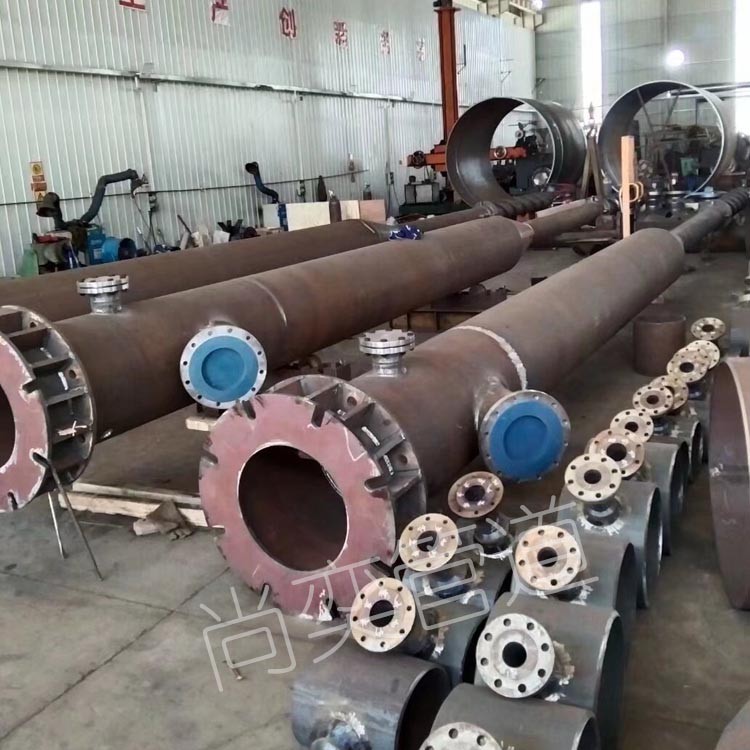
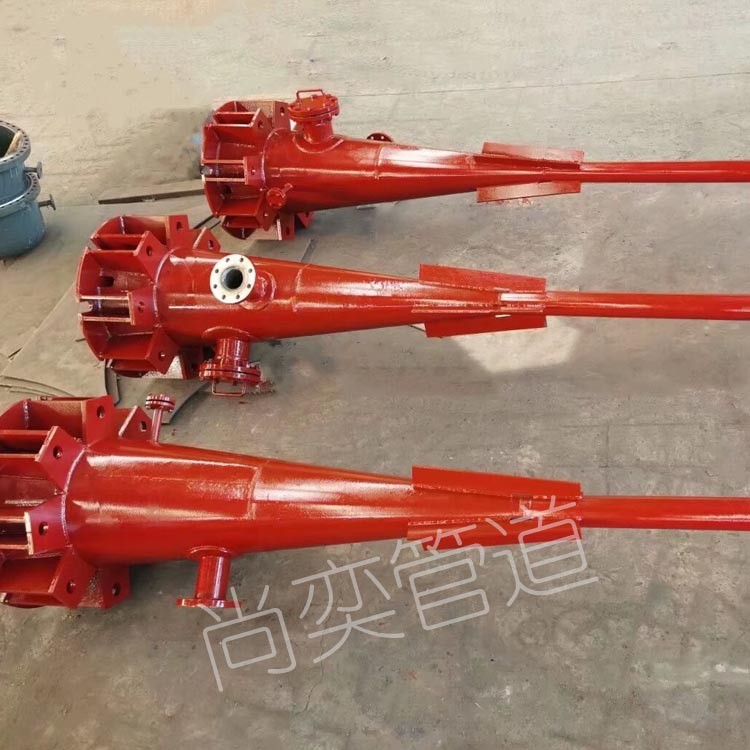
The venting riser typically consists of a riser, transverse vanes, an inlet, and an outlet. The riser serves as the main body of the venting riser, responsible for fluid conveyance and filtration. The transverse vanes are installed in the horizontal position within the riser, mainly used to control fluid flow and particle separation. The inlet and outlet are respectively used to introduce and exhaust fluid from the venting riser. Additionally, the venting riser can be equipped with other accessories according to different application requirements, such as cyclones, flowmeters, and pressure gauges.
Section 3: Application of Open Header Pipes
The blanking riser is widely used in various fluid processing and transmission fields, such as chemicals, food, pharmaceuticals, and environmental protection. Specific applications include:
1. Chemical Industry: Used for mixing reactions, precipitation filtration, solvent separation, etc.
2. Food Industry: Used for concentrated fruit juices, clarified beverage drinks, protein extraction, etc.
3. Pharmaceutical Industry: Used for concentration, separation, and filtration of drugs.
4. Environmental Industry: Used for wastewater and waste gas treatment.
In addition, open riser pipes can also be used in specialized fields such as oil and textiles.
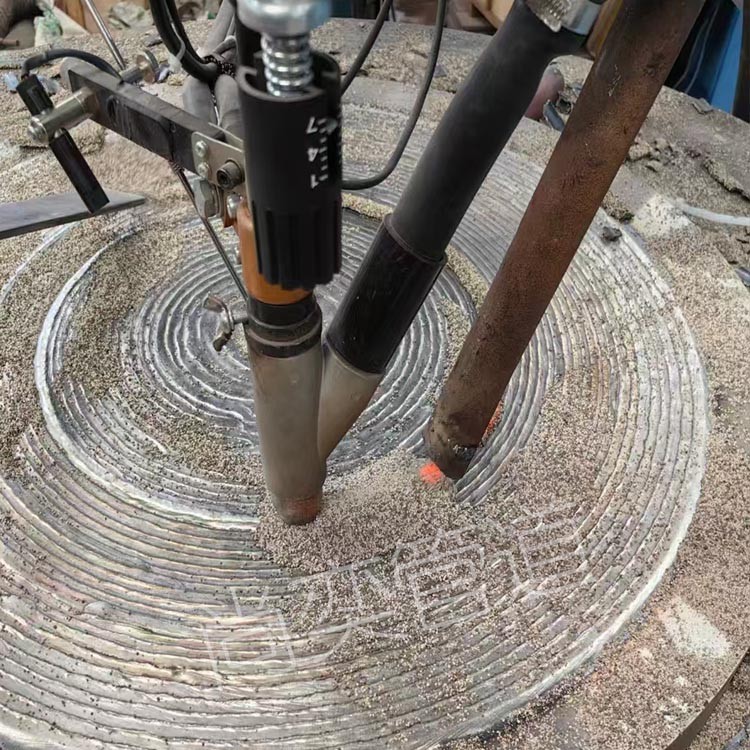 Wear-resistant butt welding fittings
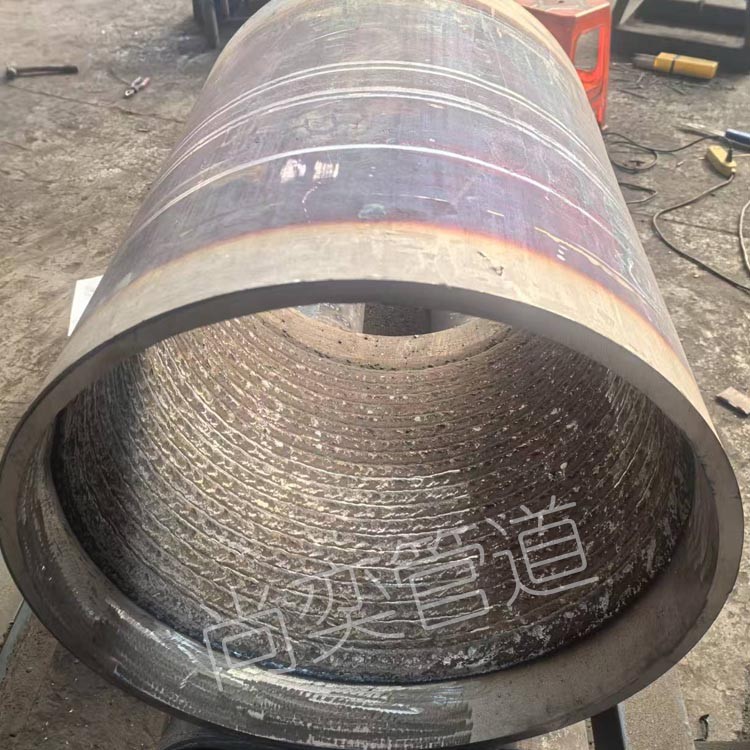 Wear-resistant butt-welding pipe fittings
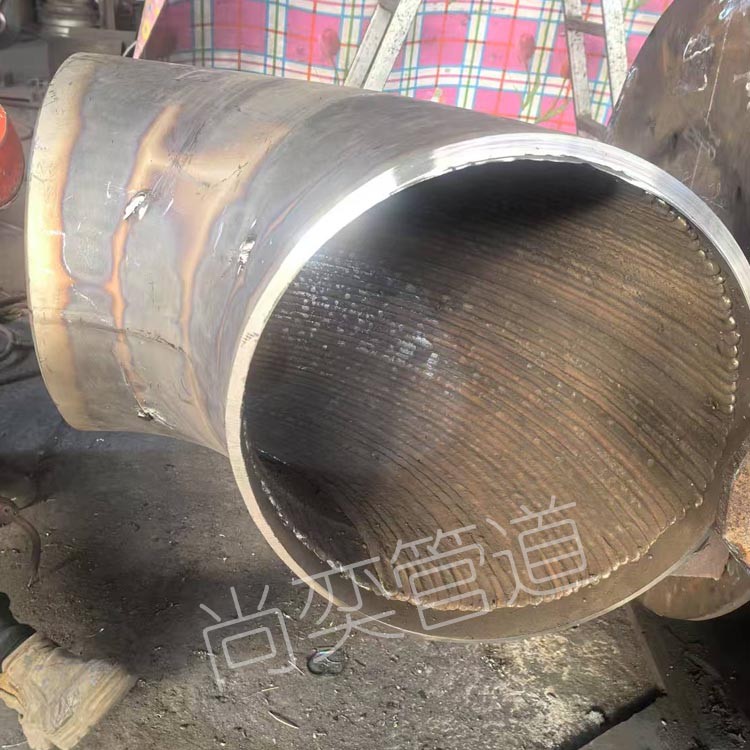 Wear-resistant butt-welding pipe fittings

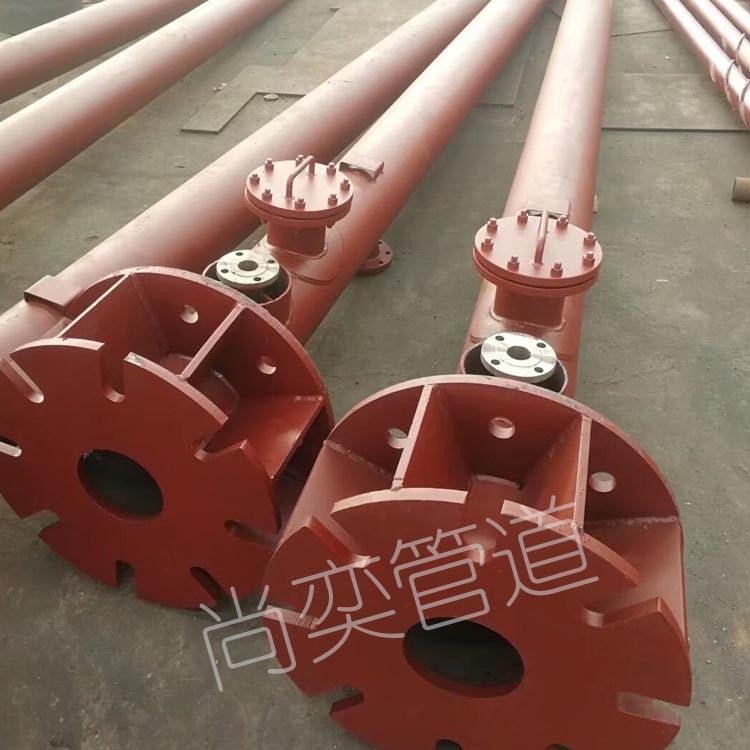 Air vent riser
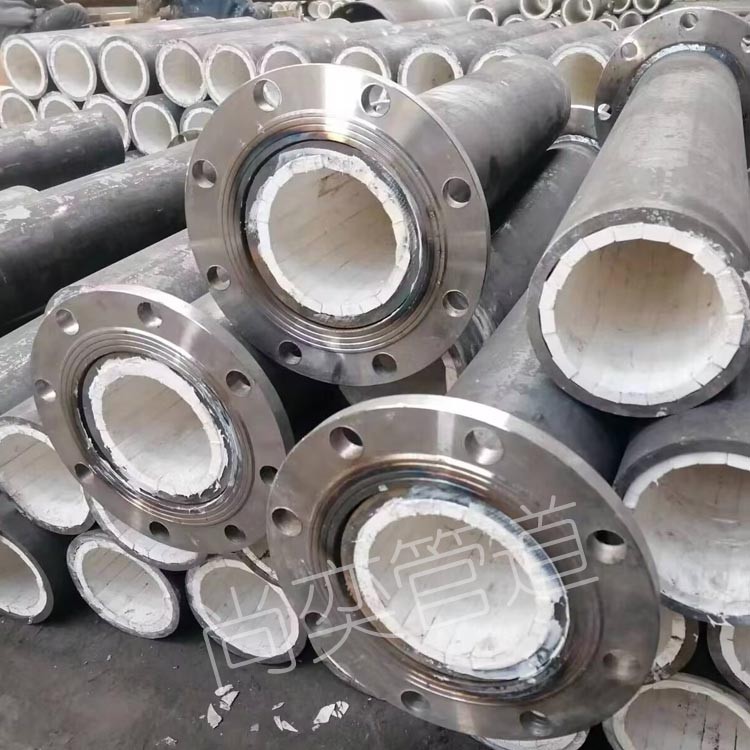 Ceramic Abrasion-Resistant Pipe
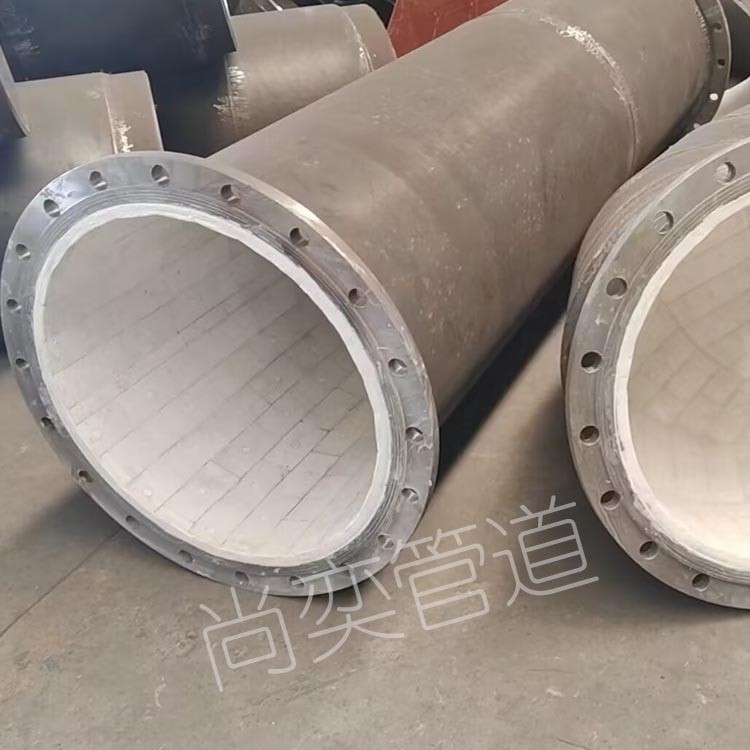 Wear-Resistant Pipe Fittings
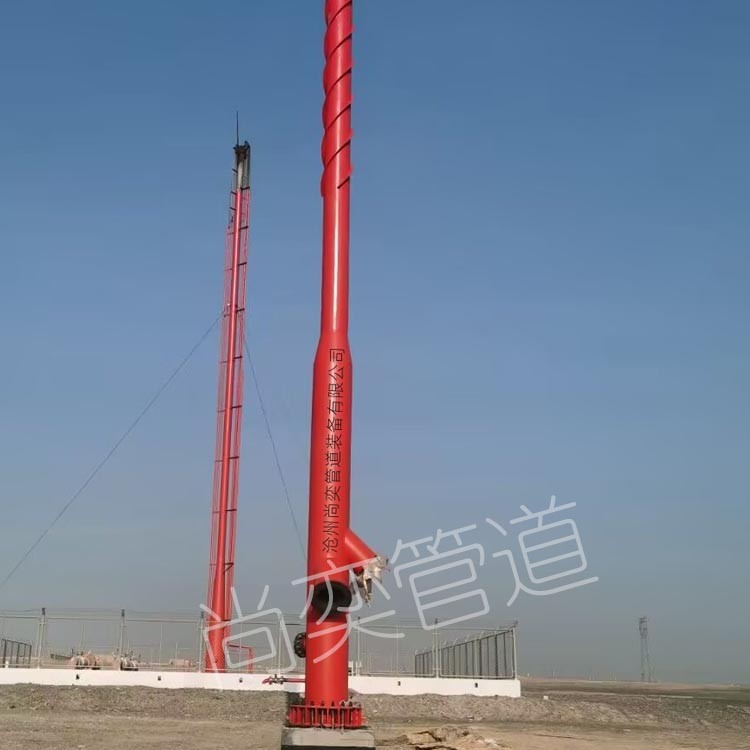 Empty Pipe