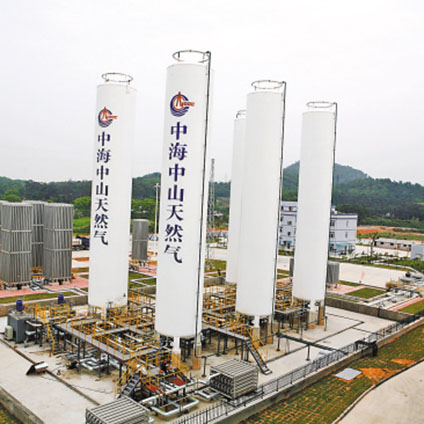
LNG, liquid oxygen, liquid nitrogen, liquid carbon dioxid...

How Oil Gas Recovery Reduces Volatile Organic Compounds Emissions
Vapor recovery refers to the process of unloading gasoline and refueling vehicles, which collects volatile gasoline vapors and converts them from gas to liquid through absorption, adsorption, or condensation, ultimately reforming them back into gasoline. The vapor recovery process at gas stations is divided into three steps, one of which occurs during the unloading of oil tankers. At gas stations that implement vapor recovery and pollution control, the underground fuel tanks are equipped with an additional nozzle. During unloading, this nozzle is connected to the tanker's vapor recovery pipe, and the vapors are then pumped into the tanker.
During vehicle refueling, secondary recovery occurs. Inside the tanker, oil vapor recovery vacuum pumps and recovery pipelines are installed. Look at the mask-like cover at the bottom of the fuel nozzle. This is a recirculation hood. When refueling a car, the recirculation hood fits perfectly over the fuel tank opening, preventing oil and gas from spilling out. Additionally, there is a small hole at the base of the drum, which is an oil vapor recovery hole.
During refueling, the vacuum pump extracts the gas-oil mixture from the tank through the recovery hole and returns it to the underground tank. In these two recovery processes, the gas-oil is transported back to the oil depot for centralized and unified processing.
The Three-Stage Recovery System refers to the installation of a condensation unit at gas stations when their annual gasoline sales exceed 8,000 tons. This unit directly condenses the gas and oil under low temperature and pressure at the station, returning them to the fuel tank. This not only significantly reduces the release of harmful substances into the atmosphere but also offers ecological benefits by improving the quality of ambient air. Additionally, it allows for the reuse of gas and oil, generating economic benefits.
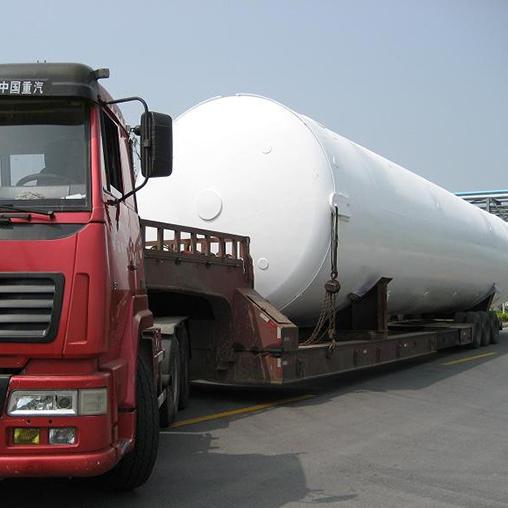
From the oil refinery to the driver's gas tank, one liter of gasoline must pass through at least four storage and transportation stages: oil depots, tanker trucks, underground storage tanks at gas stations, and the car's gas tank. Approximately one liter of oil vapor is released with each storage container. This means that if you fill your car with one liter of gas, you will emit about four liters of oil and gas. Recycling this much oil would save a significant amount of resources.
b2b.china9.net © Zhongshang 114 Hebei Network Technology Co., Ltd.Address: Room 6009, Oriental New World Center, No.118 East Zhongshan Road, Qiaoxi District, Shijiazhuang City, Hebei ProvincePlatform Service Hotline: 4006299930