Level Switch, Level Sensor, Online Density Meter, Online ...

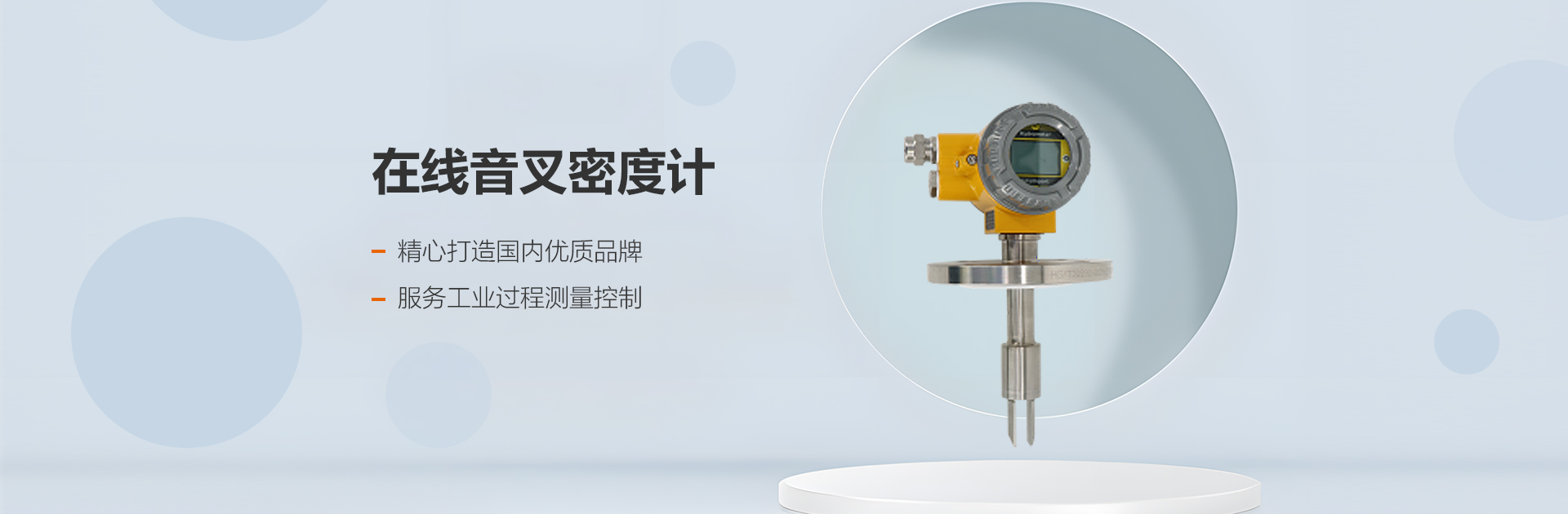
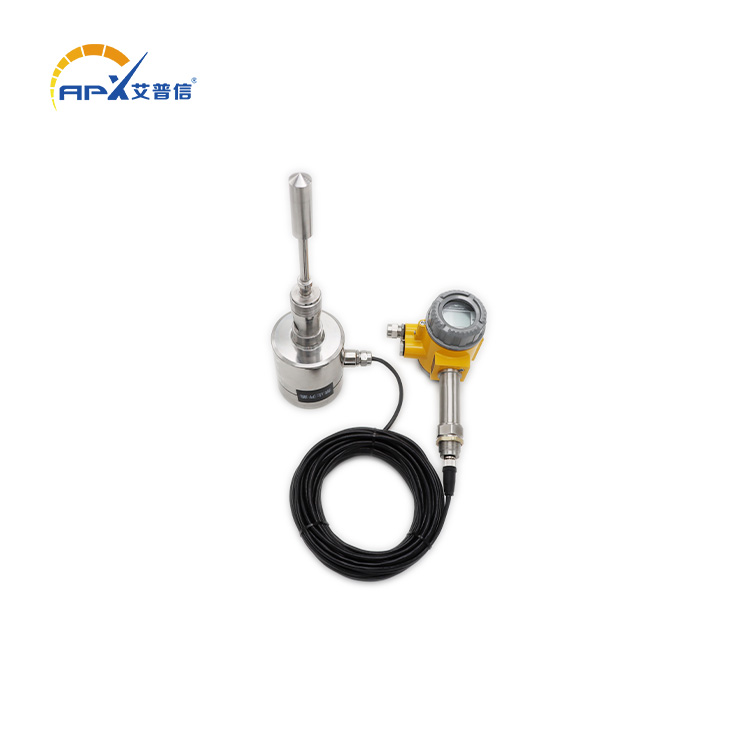
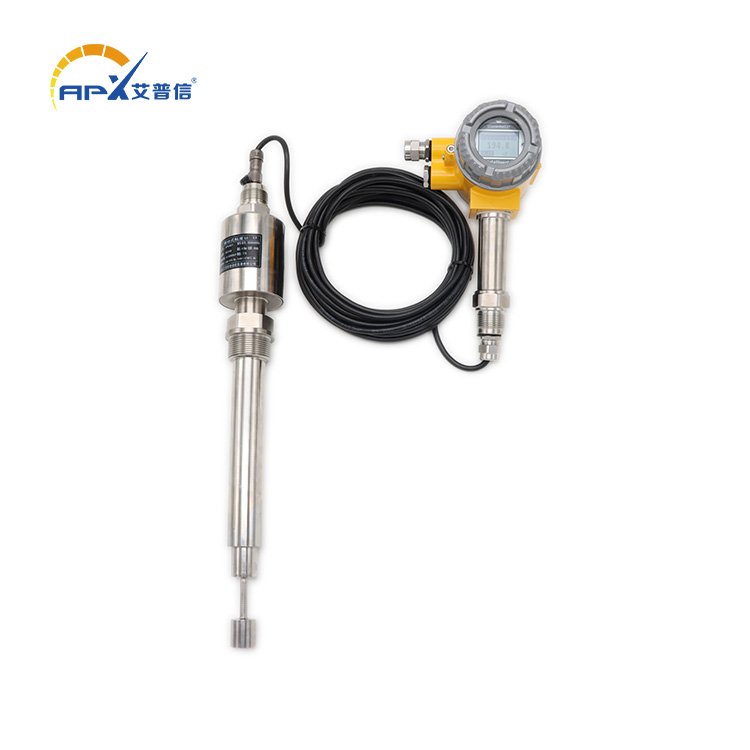
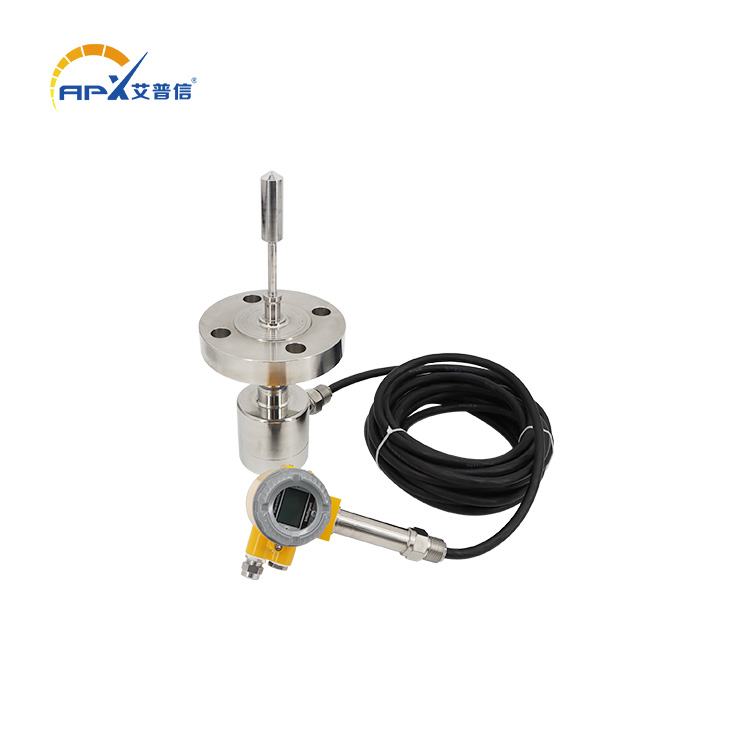
The tuning fork densimeter, as a high-precision measuring instrument, has found extensive applications in industries such as chemical, food, and pharmaceuticals in recent years. Its core principle is to detect the concentration of liquids by measuring the frequency of tuning fork vibrations, with the advantage of its high sensitivity and stability.
For many businesses, selecting the right fork density meter can not only boost production efficiency but also significantly reduce maintenance costs. Next, we will delve into the features and advantages of fork density meters from multiple perspectives.
The popularity of the sonometer density meter is primarily attributed to its unique design and robust functionality.
High-Precision Measurement: The tuning fork concentration meter can accurately detect changes in liquid concentration with an extremely small error range, suitable for high-demand industrial environments.
2. High Stability: The tuning fork concentration meter maintains stable performance even in high temperature, high pressure, or corrosive environments.
3. Easy Installation and Maintenance: The equipment has a simple structure, is easy to install, and requires minimal daily maintenance, thereby saving the company's operational costs.
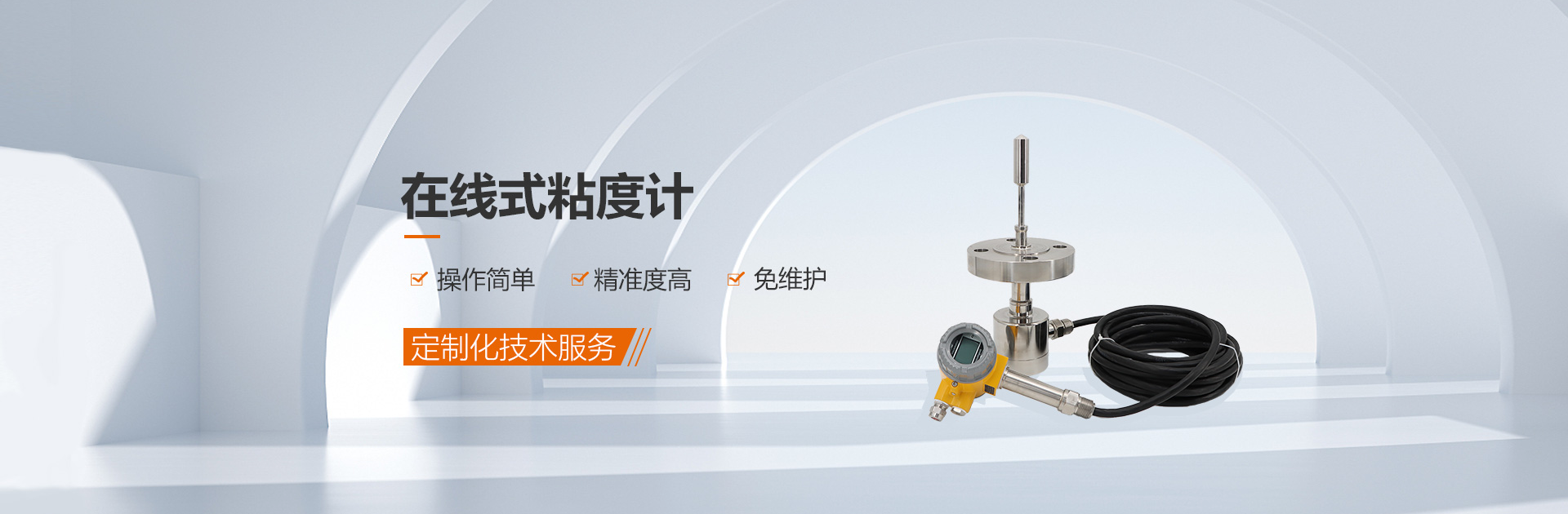
4. Versatility: In addition to measuring concentration, the tuning fork concentration meter can also be used for detecting related parameters such as density and viscosity.
The Sonometer Concentration Meter has already demonstrated immense value across various industries with its exceptional performance.
In the chemical industry, real-time monitoring of liquid concentration is crucial during chemical reactions. Fork concentration meters can help companies optimize production processes and improve product quality.
2. Food Processing: Whether it's beverages or condiments, the tuning fork densitometer ensures product consistency and safety.
3. Pharmaceutical Industry: Pharmaceutical production demands high precision, and the tuning fork densitometer can meet this requirement, helping companies adhere to strict industry standards.
4. Environmental Monitoring: In wastewater treatment and water quality analysis, the tuning fork densitometer can effectively monitor the concentration changes of pollutants, providing data support for environmental protection.
When faced with the multitude of brands and models of sound level meters on the market, companies need to consider several factors when making their selection:
Measurement Range: Choose an appropriate concentration measurement range based on actual requirements to ensure the equipment meets production needs.
2. Environmental Adaptability: Different industrial environments have varying requirements for equipment's temperature and pressure resistance, so a comprehensive assessment is essential when making a selection.
3. After-Sales Service: Quality after-sales service can save businesses a significant amount of time and costs, so it's crucial to understand the supplier's service capabilities before making a purchase.
4. Cost-Effectiveness: While high-end models offer robust features, not all businesses require top-of-the-line configurations. Choosing cost-effective equipment that offers value is the wise decision.
With technological advancements, the tuning fork densitometer is also undergoing continuous upgrades and replacements. Future tuning fork densitometers will be more intelligent and multifunctional, while costs will also be further reduced.


b2b.china9.net © Zhongshang 114 Hebei Network Technology Co., Ltd.Address: Room 6009, Oriental New World Center, No.118 East Zhongshan Road, Qiaoxi District, Shijiazhuang City, Hebei ProvincePlatform Service Hotline: 4006299930