Stone processing for construction; Sales of cement products; Sales of building materials; Sales of decorative building materials; Sales of lightweight building materials; Earthwork construction services
18063357521
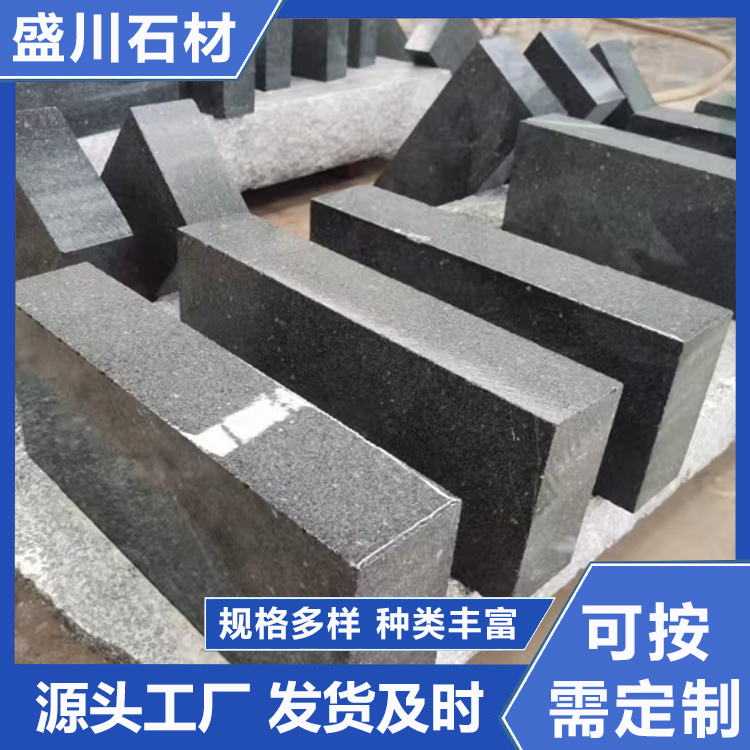
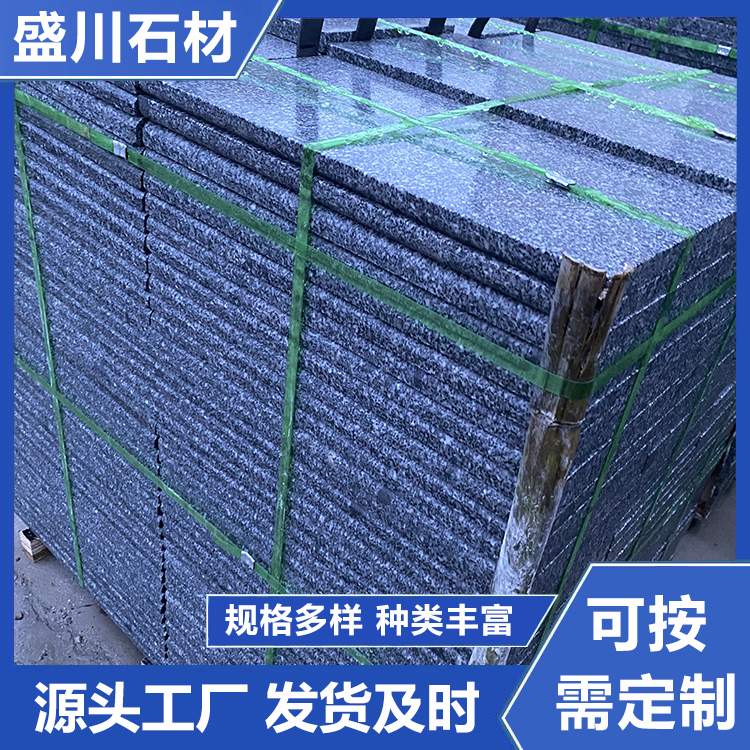
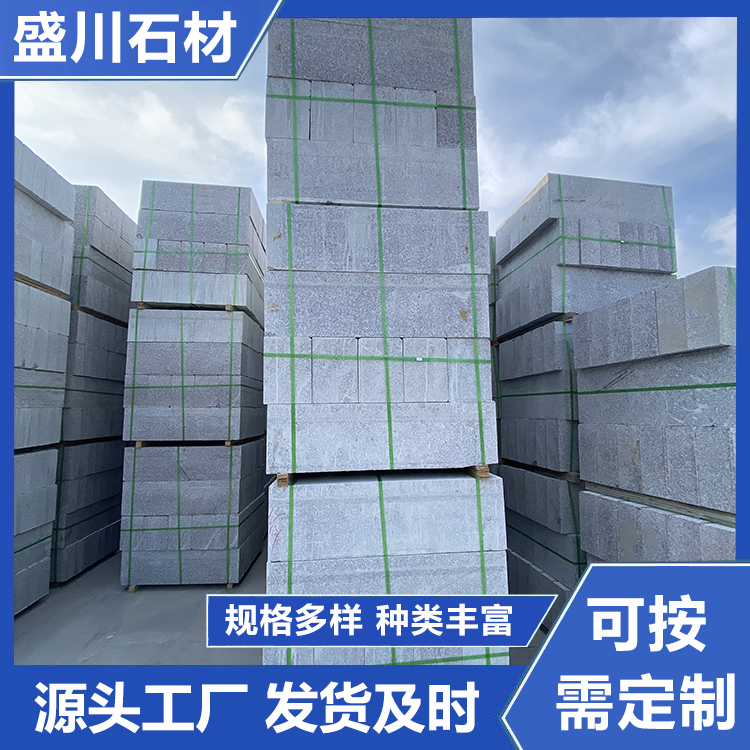
Firstly, observe the surface structure of the stone with the naked eye. Generally, stones with a uniform fine-grained structure possess a delicate texture and are considered high-quality; stones with coarse grains or uneven grain structures tend to have a poorer appearance. Additionally, due to geological influences, stones often have fine cracks, which are prone to breaking along these areas, and should be removed. Notably, missing edges and corners greatly affect the aesthetic appeal, so they should be particularly attended to during selection.
Ensure accurate measurement of stone dimensions to avoid distortion in patterns, motifs, or lines after assembly, which may impact the decorative effect.
Three taps to listen to the sound of the stone being struck. Generally speaking, high-quality stone produces a crisp and pleasant sound upon impact; conversely, if there are minor cracks within the stone or if weathering has caused the particles to loosen, the sound will be rough and muffled.
Four trials, which involve simple testing methods to assess the quality of stone. Typically, a small drop of ink is placed on the back of the stone. If the ink quickly spreads and seeps out, it indicates that the internal particles of the stone are loose or there are gaps, suggesting poor quality. Conversely, if the ink remains in place without spreading, it signifies good stone texture.
Contact us

Service Hotline
18063357521
Company Telephone
18063357521

WeChat Number
18063357521

Address
Shandong Province, Rizhao City, Wulian County Stone Industry Park
b2b.china9.net © Zhongshang 114 Hebei Network Technology Co., Ltd.Address: Room 6009, Oriental New World Center, No.118 East Zhongshan Road, Qiaoxi District, Shijiazhuang City, Hebei ProvincePlatform Service Hotline: 4006299930