
 20G thick-walled seamless steel pipe
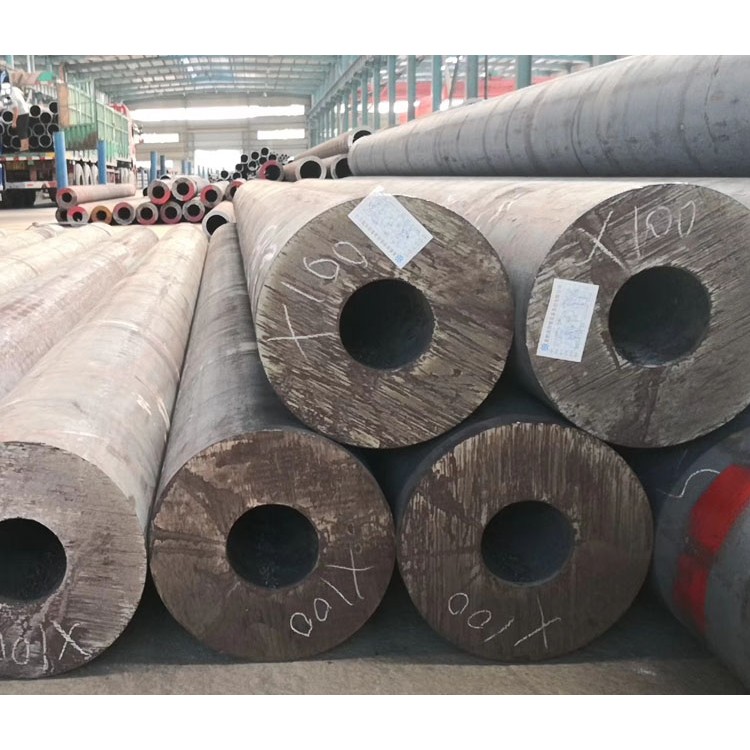 Q355B thick-walled seamless steel pipe
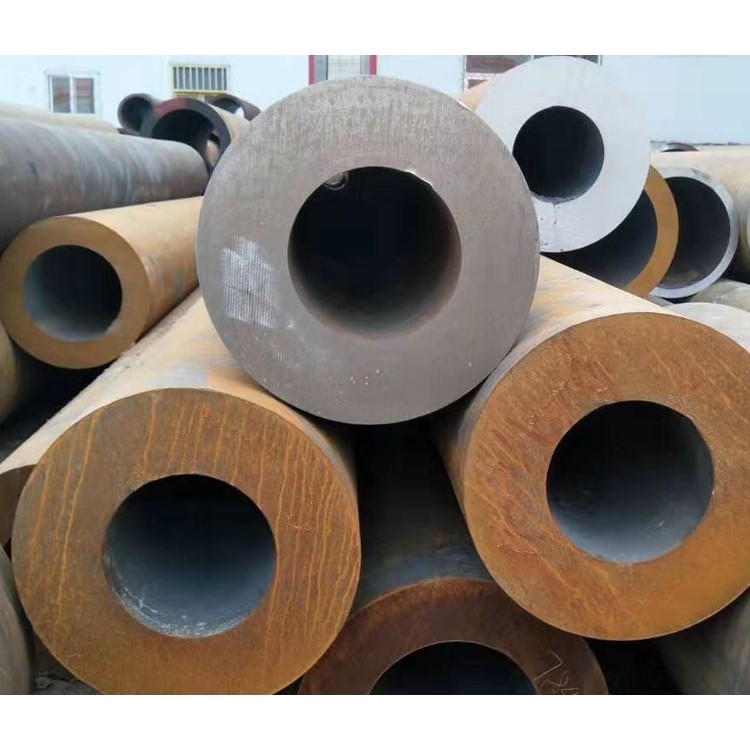 20-gauge thick-walled seamless steel pipe
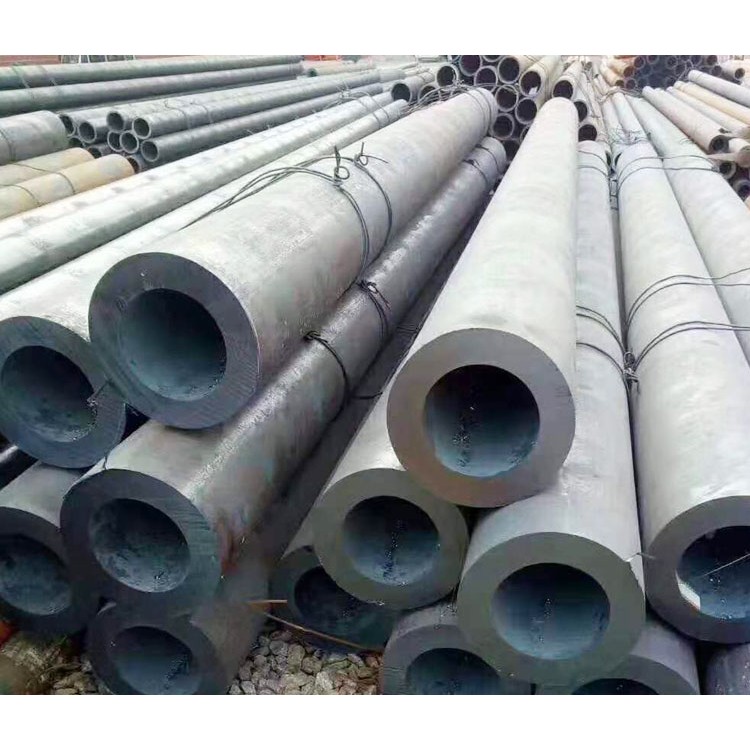 45mm thick-walled seamless steel pipe
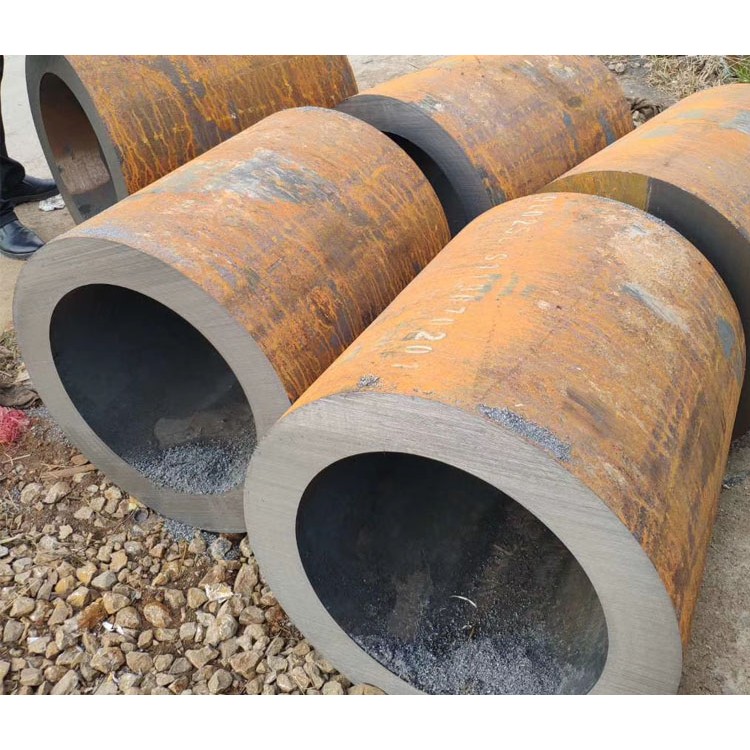 15CrMo thick-walled seamless steel pipe
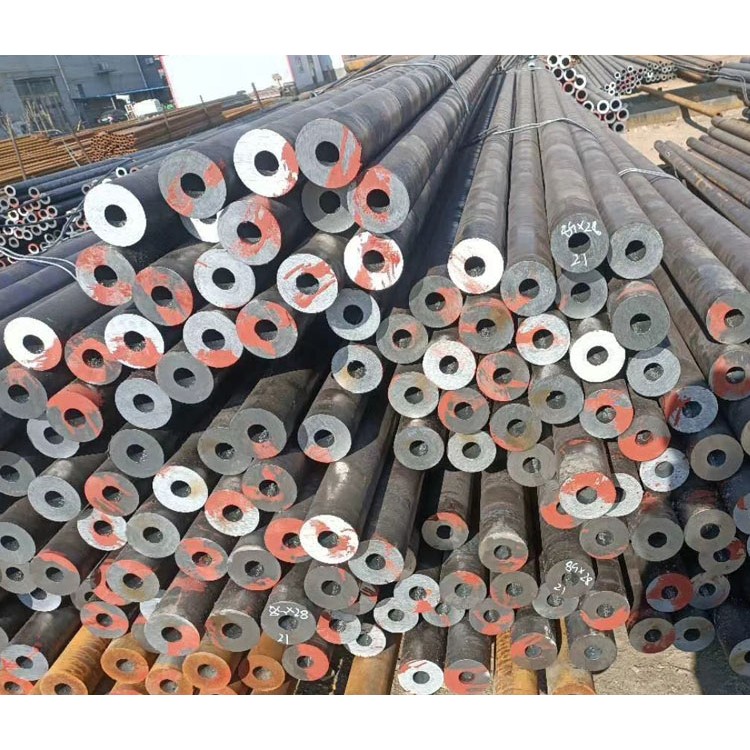 12Cr1MoV thick-walled seamless steel pipe
 42CrMo thick-walled seamless steel pipe
Product Details

Thick-walled steel pipes, thick-walled seamless steel pipes, thick-walled tubes
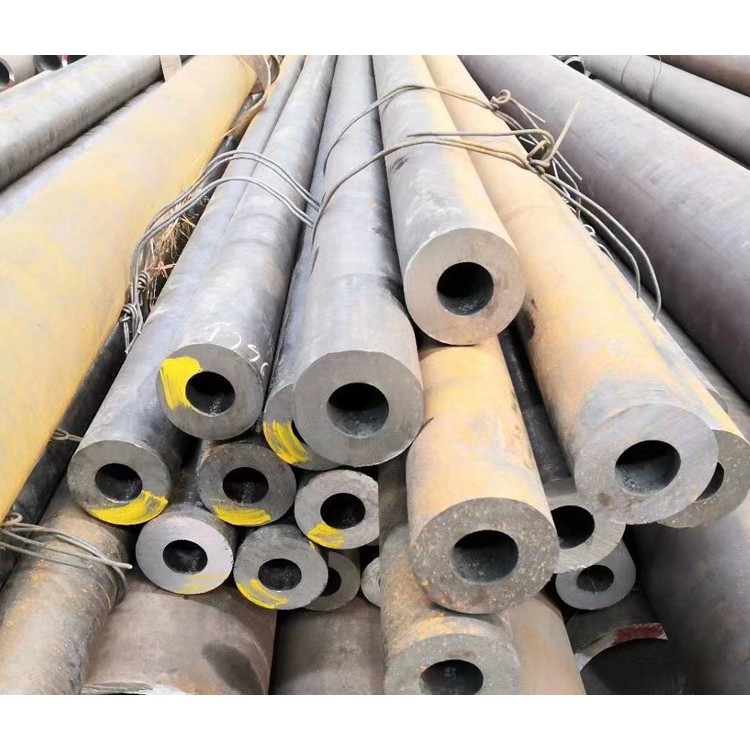

产品Price Negotiable
最小起订Quantity: 供货总Quantity:


Model |
|
Variety |
Comprehensive |
Specs |
Comprehensive |
Manufacturer |
Liaocheng City Ruixiang Materials Co., Ltd. |
Origin |
Shandong, Liaocheng |
Custom Processing |
Is |
The 15CrMoG thick-walled seamless steel pipe is widely used in the power industry, exhibiting high thermal strength properties at temperatures between 500℃-550℃. Its thermal strength significantly decreases when the temperature exceeds 550℃. Typically, the 15CrMo steel is used for high-pressure and medium-pressure pipelines with steam parameters of 510℃, steam guide pipes, and heat exchanger tubes with wall temperatures of 550℃. The microstructure of 15CrMoG thick-walled seamless steel pipes in normal supply condition is ferrite and pearlite. During long-term operation in the temperature range of 500℃-550℃, 15CrMoG thick-walled seamless steel pipes will experience spheroidization of pearlite, redistribution of alloy elements between the solid solution and carbides, and changes in the carbide phase structure. The thermal strength and mechanical properties of 15CrMoG thick-walled seamless steel pipes gradually decrease with increasing spheroidization of pearlite and increasing depletion of alloy elements in the solid solution, leading to degradation of material quality and even failure. Therefore, the degree of pearlite spheroidization in the 15CrMoG thick-walled seamless steel pipes has been widely used as an important criterion for determining the reliability of this type of steel. In the cavitation action of high-speed flowing liquids, steel that can withstand cavitation is known as 15CrMoG thick-walled seamless steel tube with cavitation resistance. The cause of cavitation erosion is that when the liquid encounters branching, rotation, or vibration during flow, it forms low-pressure areas that lead to the creation of cavities or bubbles. Due to the rapid formation and collapse of cavities, intense shock waves are produced. The intensity and frequency of these shock waves can be such that in a tiny low-pressure area, there may be up to 20 million cavities collapsing per second, exerting a pressure on the material's strain waves up to 1.5 GPa, thus causing surface damage to the 15CrMoG high-pressure alloy tube.

Phone Consultation