
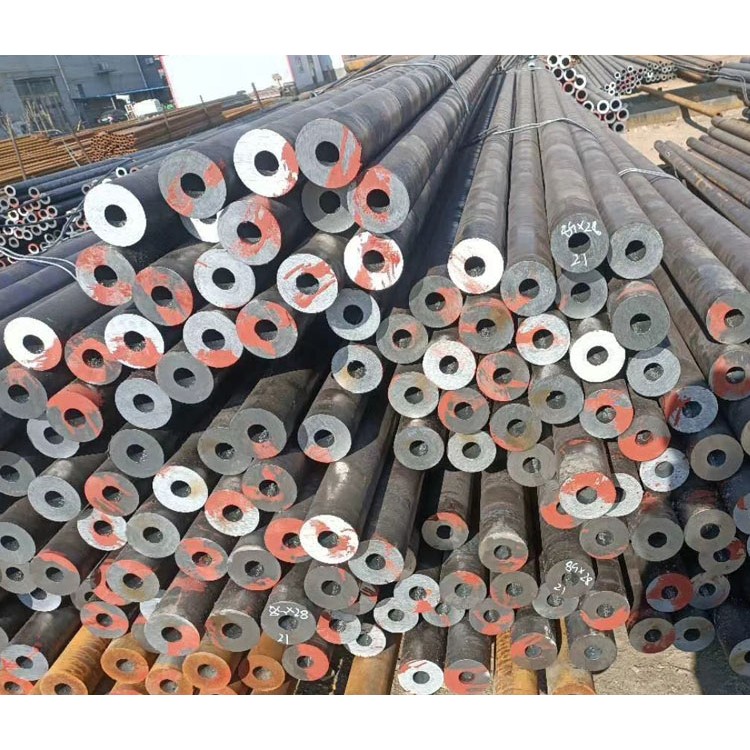
 20G thick-walled seamless steel pipe
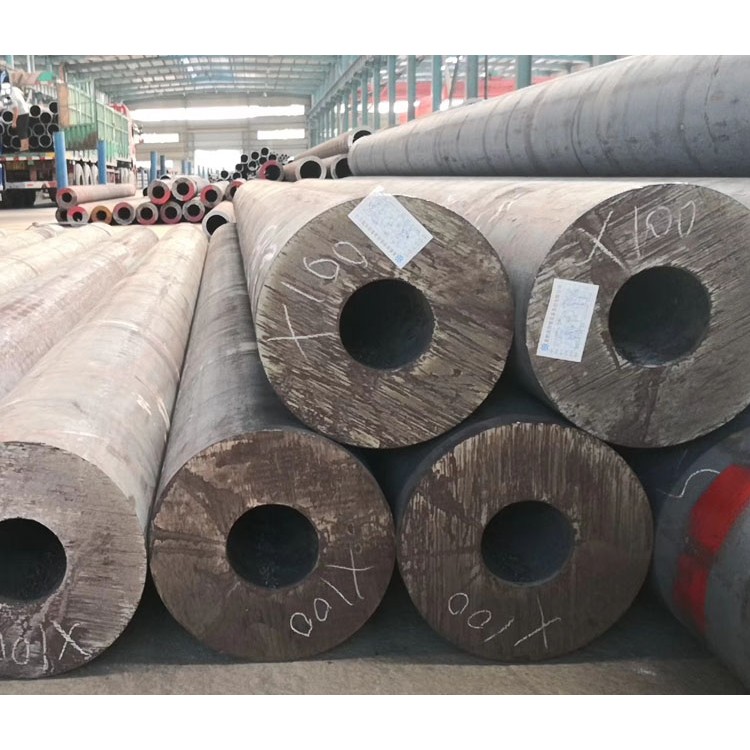 Q355B thick-walled seamless steel pipe
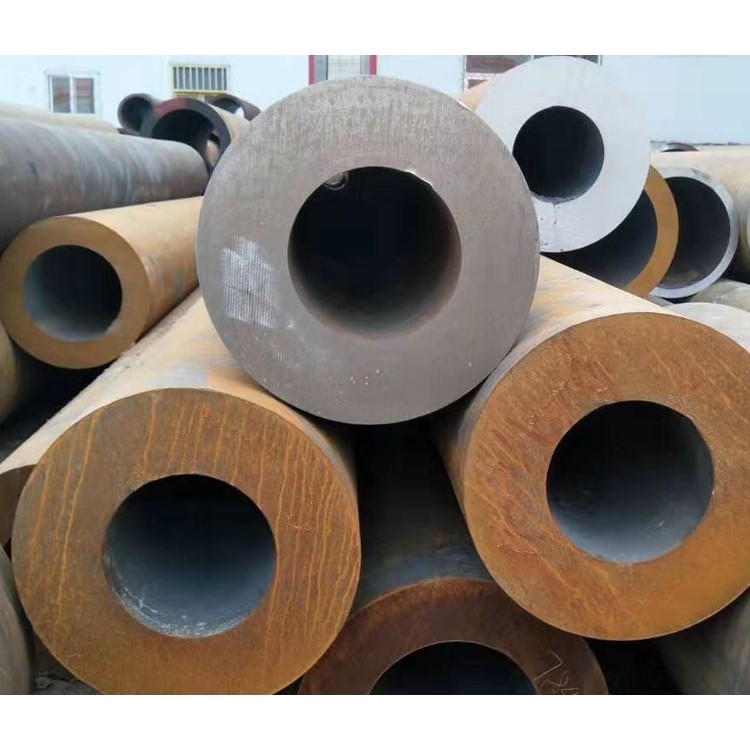 20-gauge thick-walled seamless steel pipe
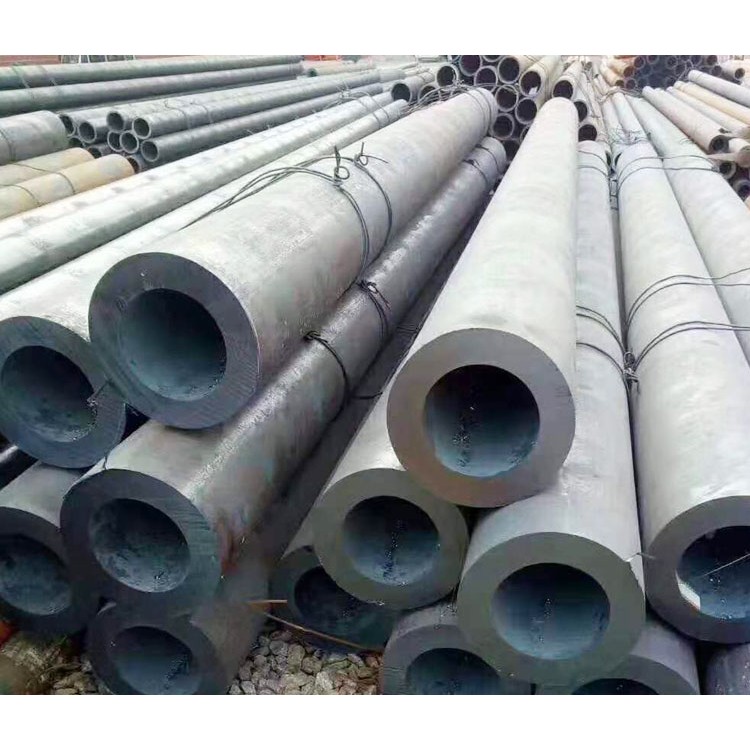 45mm thick-walled seamless steel pipe
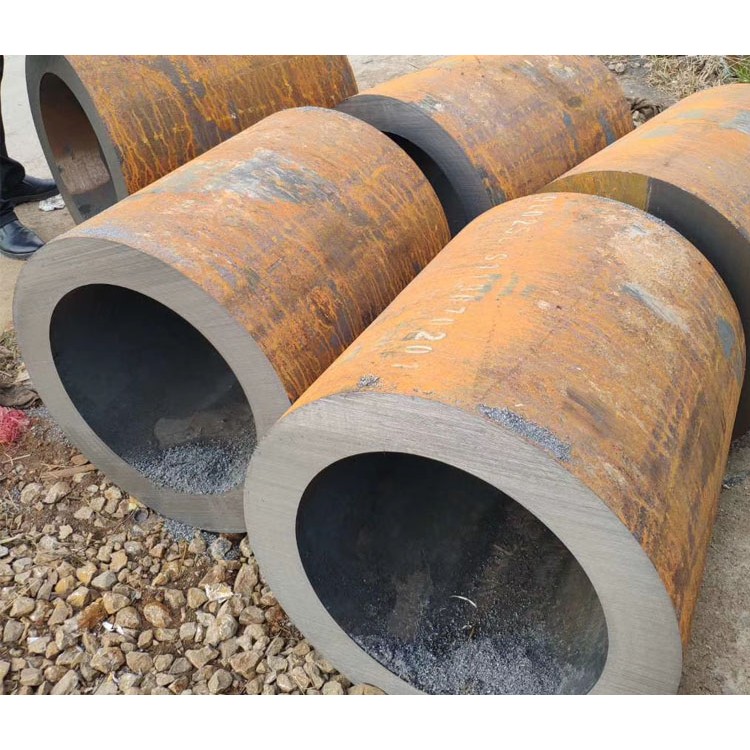 15CrMo thick-walled seamless steel pipe
 42CrMo thick-walled seamless steel pipe
Product Details

Thick-walled steel pipes, thick-walled seamless steel pipes, thick-walled tubes

产品Price Negotiable
最小起订Quantity: 供货总Quantity:


Model |
|
Variety |
Complete |
Specification |
Comprehensive |
Manufacturer |
Liaocheng Ruixiang Materials Co., Ltd. |
Origin |
Shandong, Liaocheng |
Process and Customize |
Is |
12Cr1MoV, alloy structural steel. Unified Number Code: A31132. Standard: GB/T3077-2015, a high-performance alloy material. 12Cr1MoV thick-walled seamless steel tube chemical composition C:0.08~0.15 Si:0.17~0.37 Mn:0.40~0.70 Cr:0.90~1.20 Mo:0.25~0.35 V:0.15~0.30 P:≤0.35 S:≤0.35 Cu:≤0.25 12Cr1MoV thick-walled seamless steel tube mechanical properties Sample Blank Dimensions 30mm Heat Treatment Quenching Heating Temperature (℃): 970; Cooling Agent: Air Annealing heating temperature (°C): 750; Coolant: Air 【Mechanical Properties】 Tensile Strength (σb/MPa): ≥490 Yield Point (σs/MPa): ≥245 Elongation at Break (δ5/%): ≤22 Section Reduction Ratio (ψ/%): ≥50 Impact Absorption Work (Aku2/J): ≥71 Impact toughness value αkv (J/cm2): ≥88(9) Brinell Hardness (HBS 100/3000) (annealed or high-temperature tempered condition): ≤179 At room temperature: Allowable tensile stress (σw/MPa): 93, Allowable bending stress (σw/MPa): 112, Allowable shear stress (T/MPa): 56 Key Characteristics of 12Cr1MoV Thick-Walled Seamless Steel Pipe Key Features: Compared to 12CrMoV steel, this steel offers higher oxidation resistance and thermal strength. Its creep strength and endurance values are very close, and it exhibits high plasticity under endurance stretching conditions. The steel has good processability and weldability, but it requires preheating to 300°C before welding and stress relief treatment after welding. This steel grade is widely used in high-pressure, ultra-high-pressure, and subcritical power plant boilers for superheaters, headers, and main steam ducts. It retains high thermal strength and oxidation resistance at 580°C, with good tensile plasticity. The production process is relatively simple, and it has good weldability, though it is sensitive to normalizing cooling rates. Long-term use at 580°C can lead to secondary embrittlement due to the segregation of impurities like phosphorus at grain boundaries. Prolonged use may also result in spheroidization of pearlite.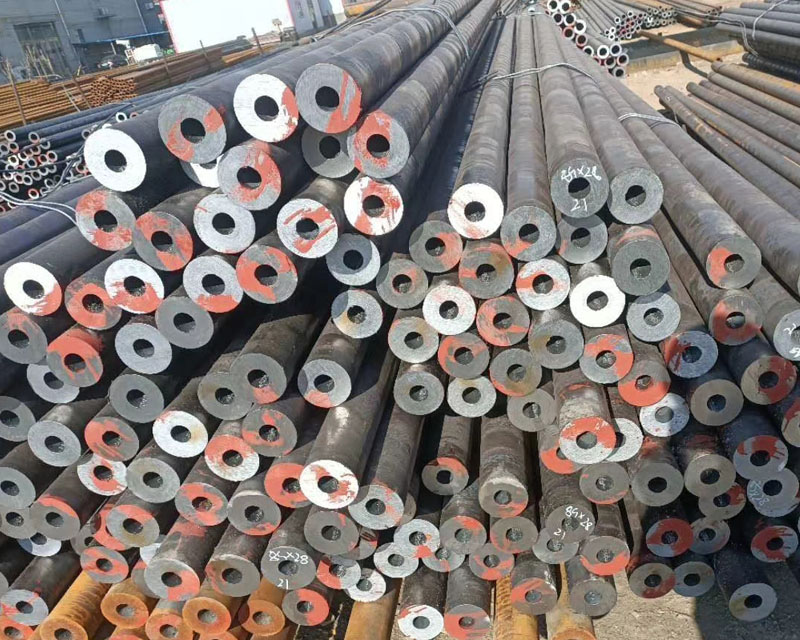

Phone Consultation