


- AllProduct Category
-
TS16949 Certification
ISO 14001 Certification
ISO9001 Certification
ISO Certification





详情描述
ISO certification refers to the process by which a company or individual demonstrates compliance with international standards set by the International Organization for Standardization (ISO) through audit by a third-party certification body. Below is a detailed explanation of ISO certification:
The Significance of ISO Certification
Enhance Quality Management: The essence of ISO certification lies in providing a quality management and assurance mechanism that helps businesses achieve efficient operations and improve the quality of their products and services.
Enhance Customer Trust: Obtaining ISO certification signifies that a company's products and services meet internationally recognized standards, which aids in bolstering customer confidence in the enterprise.
● Facilitating International Trade: In international trade, ISO certification serves as a company's "passport." Many countries and regions give priority to companies with ISO certification when procuring goods or services.
● Promote Sustainable Development: ISO certification emphasizes corporate social responsibility, requiring companies to focus on environmental protection, employee health and safety, and drive the achievement of sustainable development.
Section 2: Common ISO Certifications Types
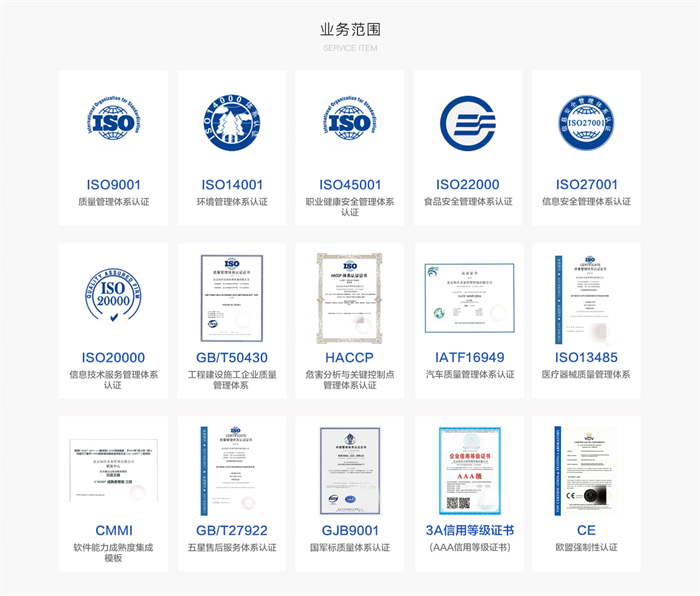
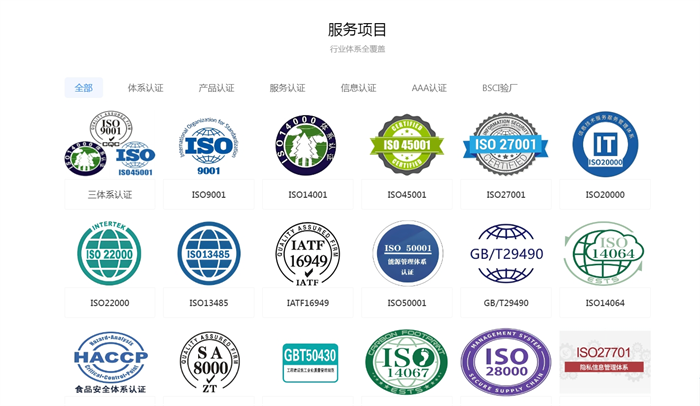
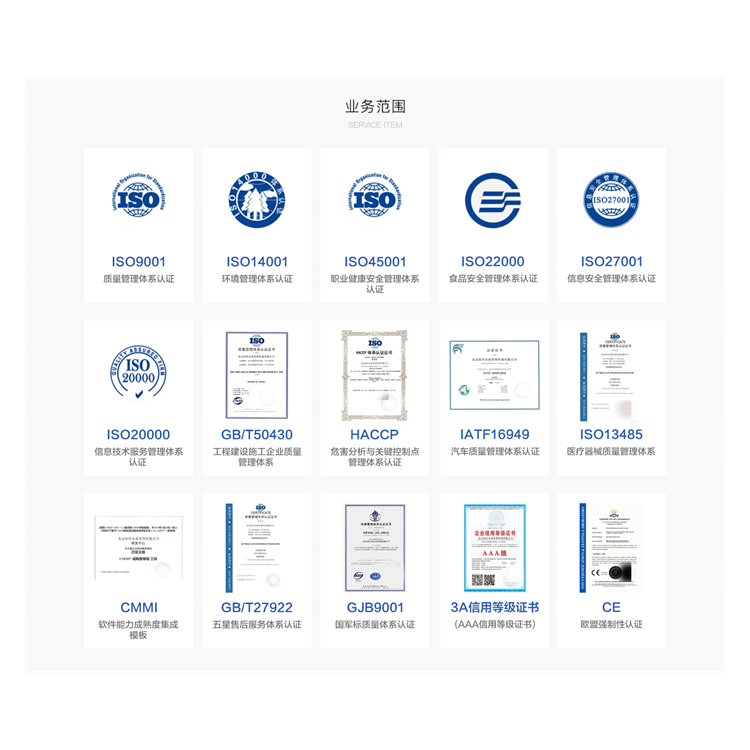
● ISO9001: Quality Management System Certification, the foundational system certification that is essential for a company.
● ISO14001: Environmental Management System Certification, assisting businesses in establishing environmental management systems and identifying and controlling environmental risks.
● ISO45001: Occupational Health and Safety Management System Certification, ensuring the company meets international standards in occupational health and safety.
● ISO27001: Information Security Management System Certification, applicable to industries with high reliance on information technology such as finance, telecommunications, and the internet.
● ISO22000: Food Safety Management System Certification, applicable to the entire food supply chain.
Section 3: ISO Certification Process
The ISO certification process typically includes the following steps:
● Application: The company determines to obtain ISO certification and selects an appropriate ISO certification body.
Initial Assessment: The certifying body conducts a preliminary evaluation of the company by understanding its organizational structure, business scope, management philosophy, and current management systems.
System Documentation: Enterprises prepare management system documents in compliance with ISO certification standards, such as quality manuals, procedure documents, work instructions, records, etc.
● Internal Audit: The company conducts an internal audit of the compiled documents to ensure they meet ISO standard requirements.
Application and Registration Review: The certification body conducts on-site audits, reviewing the enterprise's on-site environment, personnel, facilities, and processes.
On-site Audit: The certification body conducts an on-site audit of the company's quality management system.
● Release Audit Report: Upon completion of the audit, the certification body writes and releases the audit report.
● Certification Decision: The certifying body decides whether to approve certification, noting the applicable standards and scope of certification.
● Supervisory Audits: Certification bodies conduct regular supervisory audits to ensure that the company continuously meets the requirements of ISO certification standards.
● Recertification Audit: The certification body conducts a re-audit of the company's quality management system to ensure continued compliance.
Section 4: Advantages of ISO Certification
Enhance market competitiveness: ISO certification is a powerful proof of a company's strength, helping it stand out in the market competition.
● Optimize Operational Efficiency: ISO certification requires companies to establish standardized processes and procedures, helping to optimize operational efficiency, reduce costs, and shorten delivery cycles.
Enhance customer satisfaction: By continuously improving and practicing quality management, companies can offer superior products and services, thereby enhancing customer satisfaction.
● Mitigate Trade Risks: ISO certification can reduce trade risks in international trade, ensuring the smooth progress of transactions.