

- AllProduct Category
-
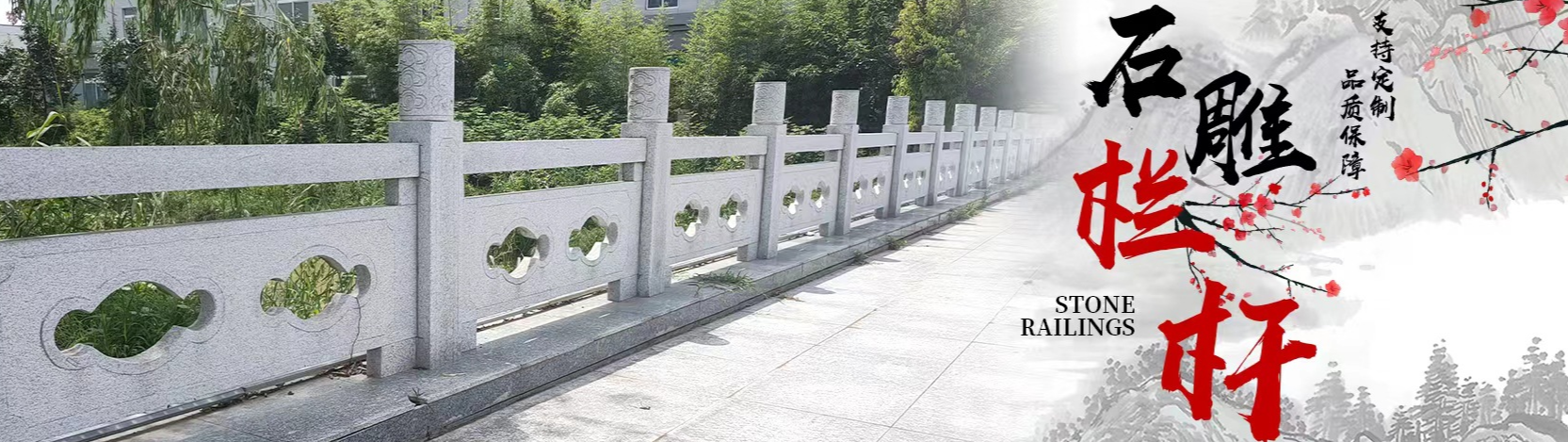
Stone Fence
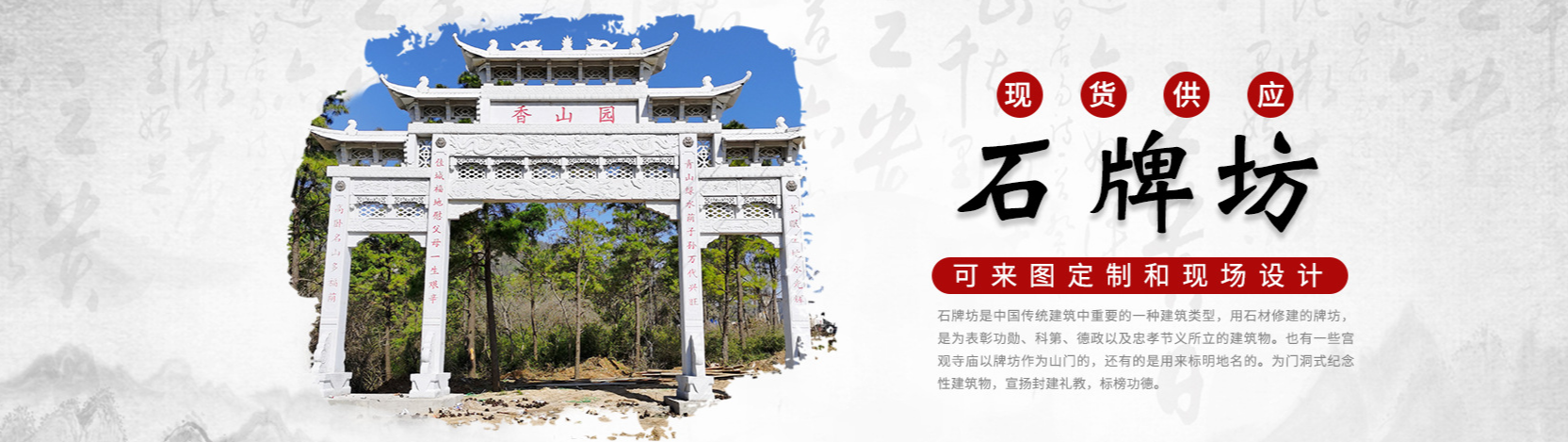
Stone Archway
Stone Pavilion
Stone Carvings
Coiling Dragon Column
Fountain Pot


Recommended Products


详情描述
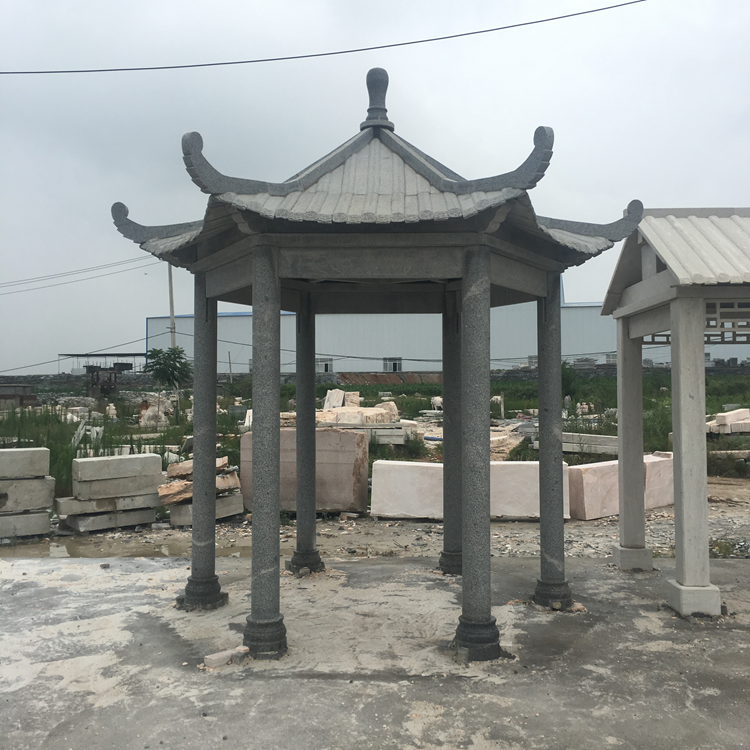
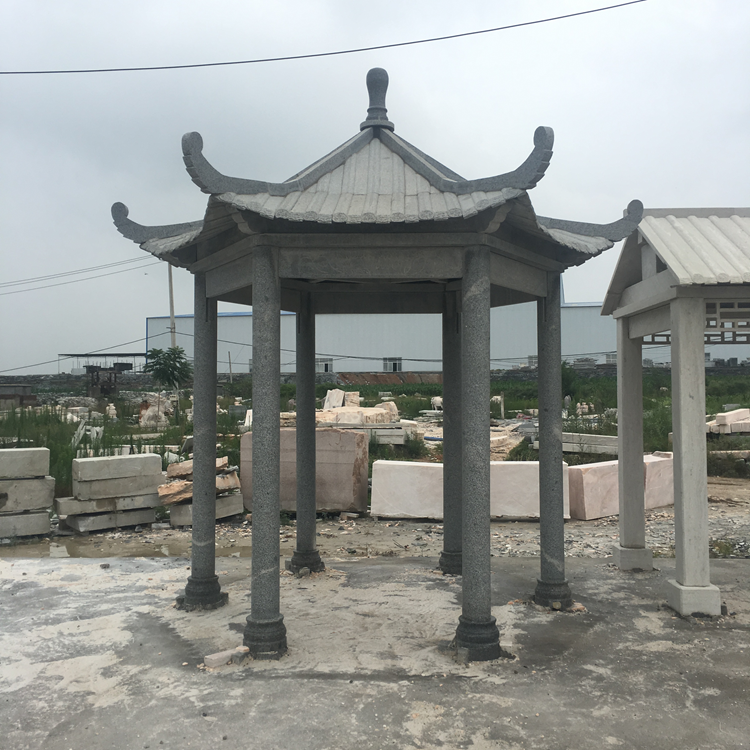
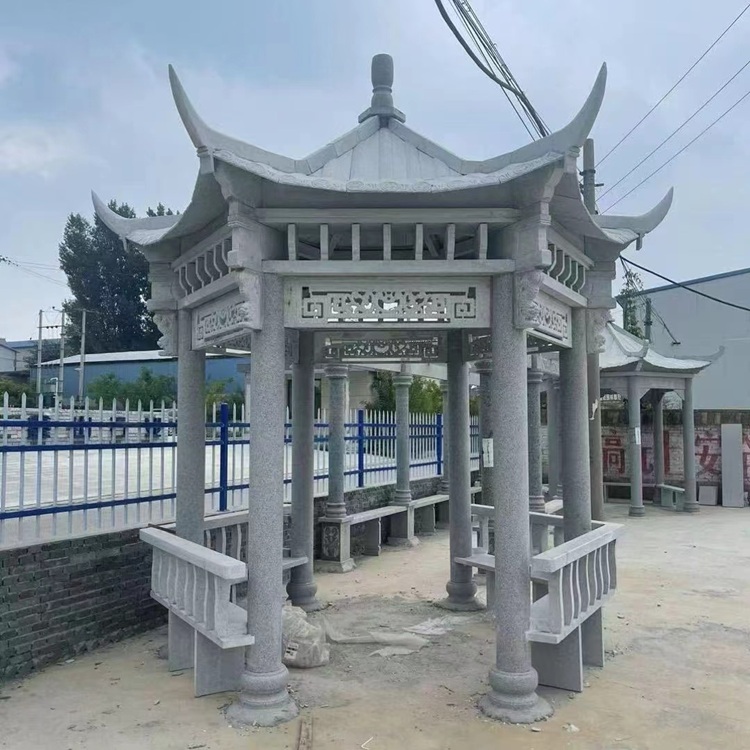
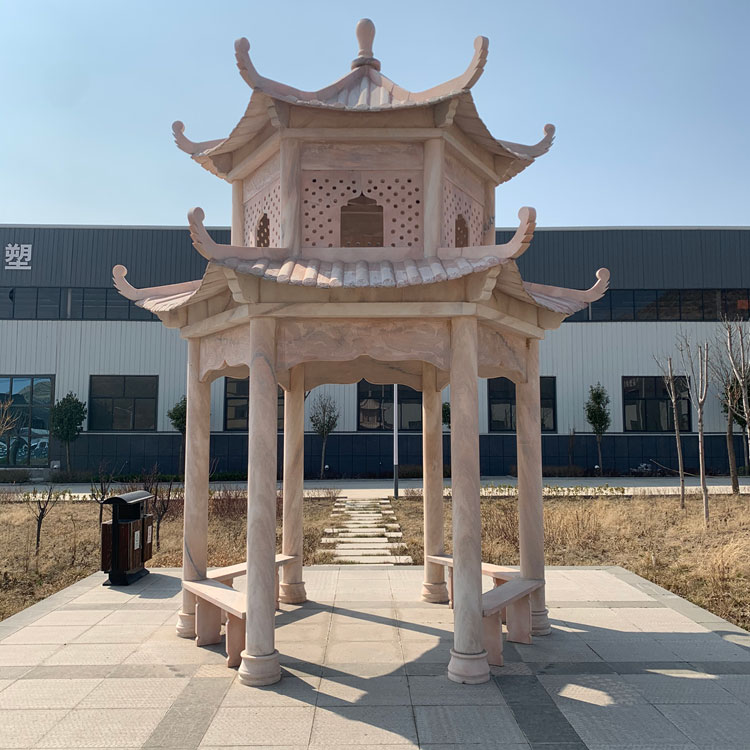
The pavilion is walled with stone slabs and boards, featuring stone benches inside. The stone pillars are intricately carved with beautiful flowers and grasses, while the main beam is adorned with a large Tai Chi diagram. The sides are painted with dancing dragons and phoenixes. The entire structure is simple yet elegant, steeped in ancient charm. The pavilion is inscribed with the strong, bold characters "Dong Yan Xin Cun" (East Derivative New Village), "Xi Song Cen Han" (West Rising Cen Han), "Nan Zhi Qian Feng" (South Rises Qian Feng), and "Bei Cheng Chu Xiu" (North Supports Chu Xiu) in all directions, highlighting its geographical environment and significant position at the Hunan-Guizhou border. Inside the stone pavilion, there are ten pairs of couplets, poems, and other literary works, showcasing the breadth of the rustic scholars. The pavilion, constructed with contributions from the侗, 苗, and Han ethnic groups in the tenth year of the Xianfeng reign of the Qing Dynasty (1860), has withstood 142 years of trials and tribulations, standing tall and proud. It bears witness to the vicissitudes of time and presents a touching narrative of national unity.