


- AllProduct Category
-
Insulation Material Drying Equipment
Food Microwave Drying Equipment
Chemical Microwave Drying Equipment
Wood Drying and Sterilization Equipment
Paper Material Microwave Drying Equipment
Herb Microwave Drying Equipment
Microwave Powder Material Drying
Microwave High-Temperature Sintering
Microwave Control System
Microwave Experimental Equipment



详情描述
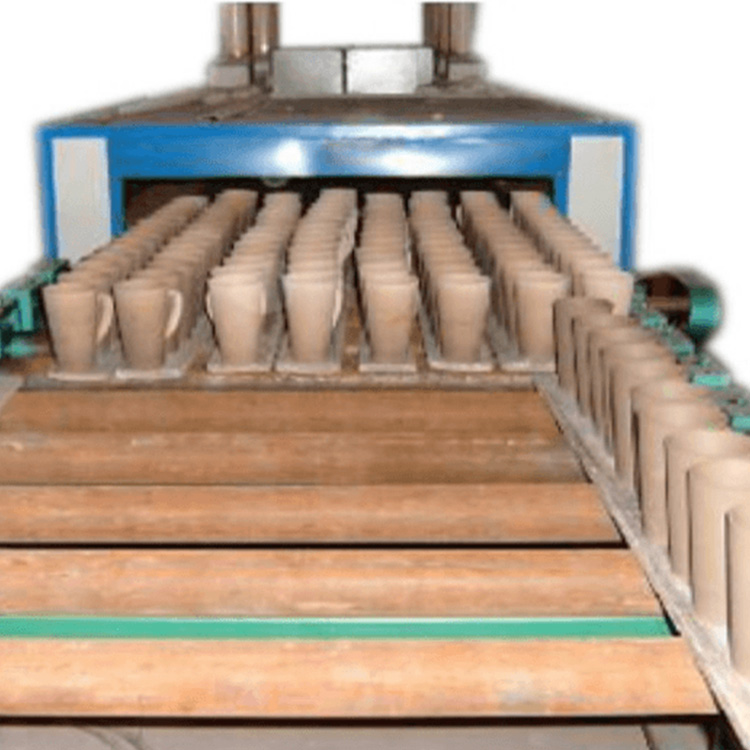
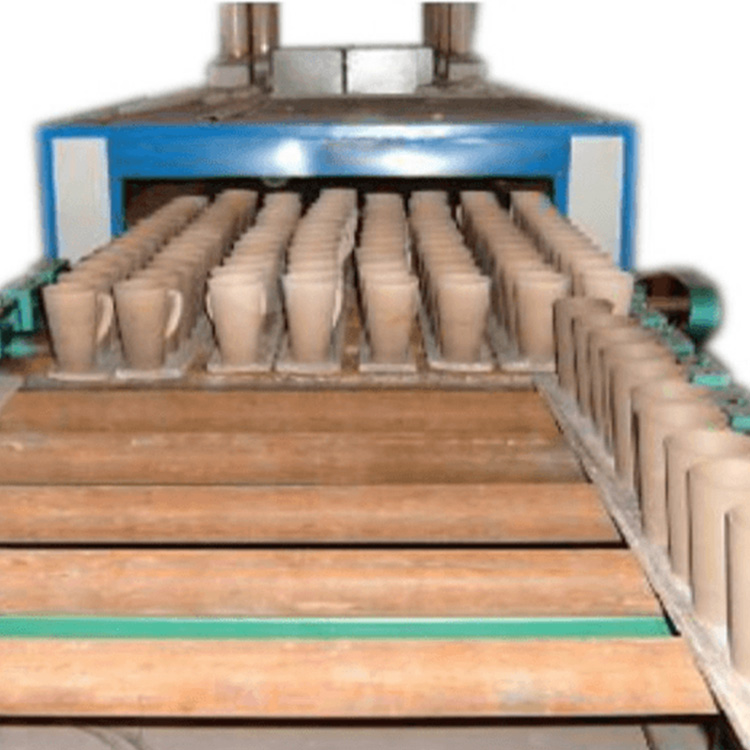
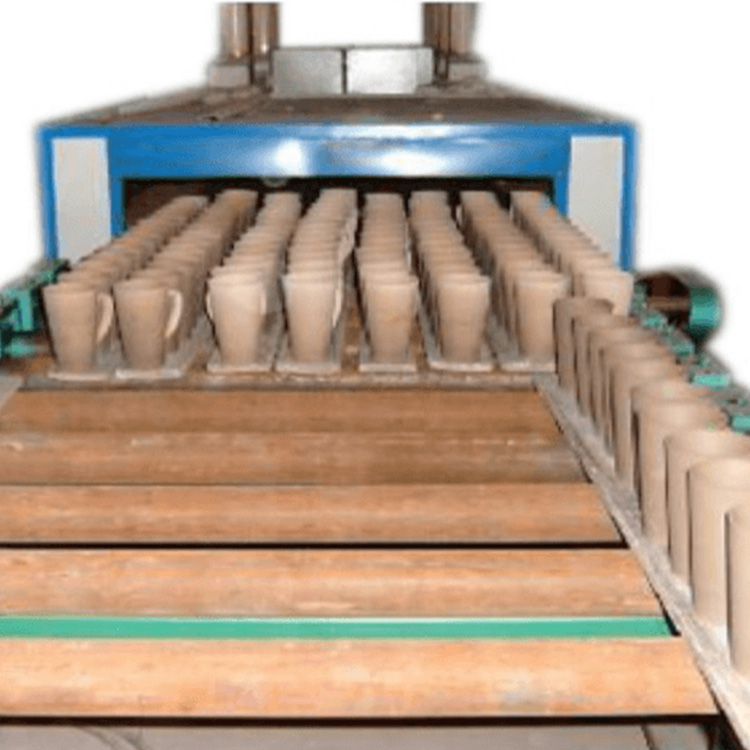
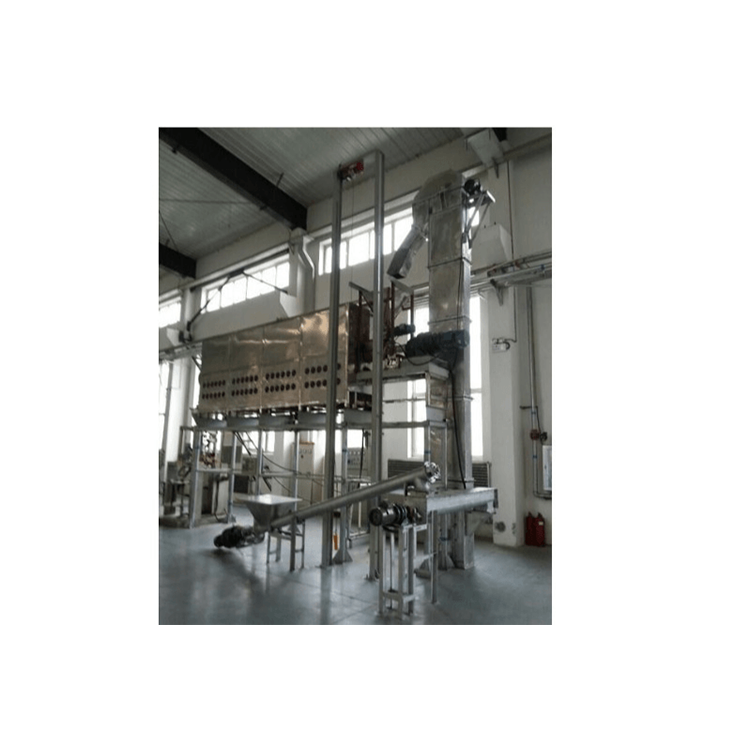
Cellular ceramics, with their high mechanical strength, ease of regeneration, good chemical stability, excellent heat resistance, and uniform pore distribution, hold great promise for widespread applications, particularly in the chemical industry. They are also extensively used in environmental protection, energy, metallurgy, electronics, petrochemicals, smelting, textiles, food machinery, and cement sectors. As sound-absorbing materials, sensitive components, and materials for artificial bones and root canals, their importance is increasingly recognized. Due to the high water content and numerous pores in the sintering process, with particularly thin walls, these materials are difficult to dry using traditional methods due to uneven heating. Additionally, their poor thermal conductivity necessitates strict drying processes, especially for applications like environmentally friendly cars. Poor control of the drying process can lead to deformation, affecting porosity and specific surface area. Microwave drying technology has been successfully applied to the drying of porous ceramics, easily reducing moisture content from 18% to 25% to below 3%, achieving a precipitation rate of 0.7 to 1.5 kg, significantly shortening drying time and improving yield. We have also applied microwave drying to the pre-drying of split bricks, with equally remarkable results.
Advantages of microwave ceramic drying and shaping equipment:
The product has good quality in drying and shaping without cracking.
2. Easy to control with convenient and flexible operation. Automatically controls heating time and drying temperature.
3. Time-saving and high yield.
4. Low energy consumption.
5. Low production intensity, minimal land requirement.
6. Labor-saving, reduces process steps, especially easy to integrate into an automated line with upstream and downstream processes, minimizing the number of transfers.
7. Eco-friendly and clean, pollution-free, and will not cause any "three wastes" issues.