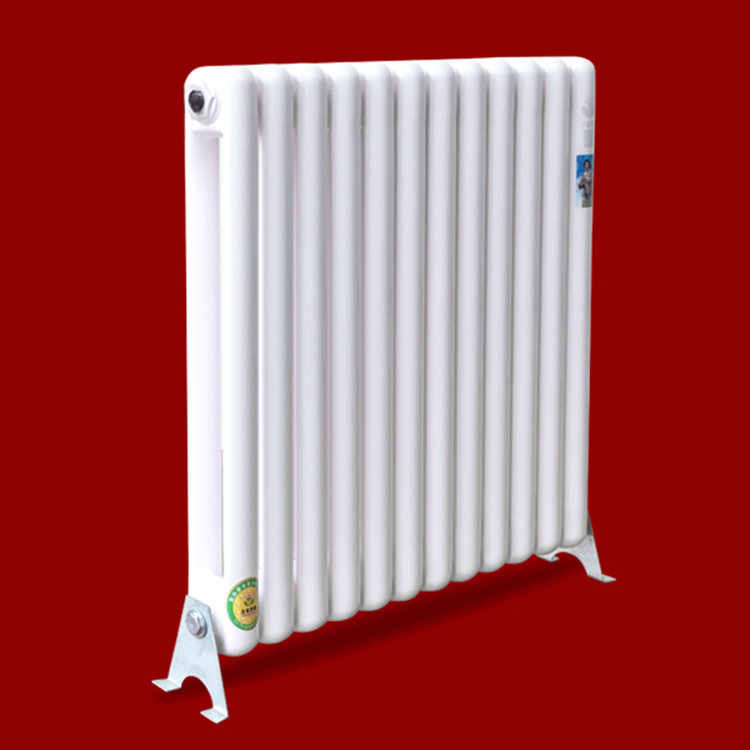
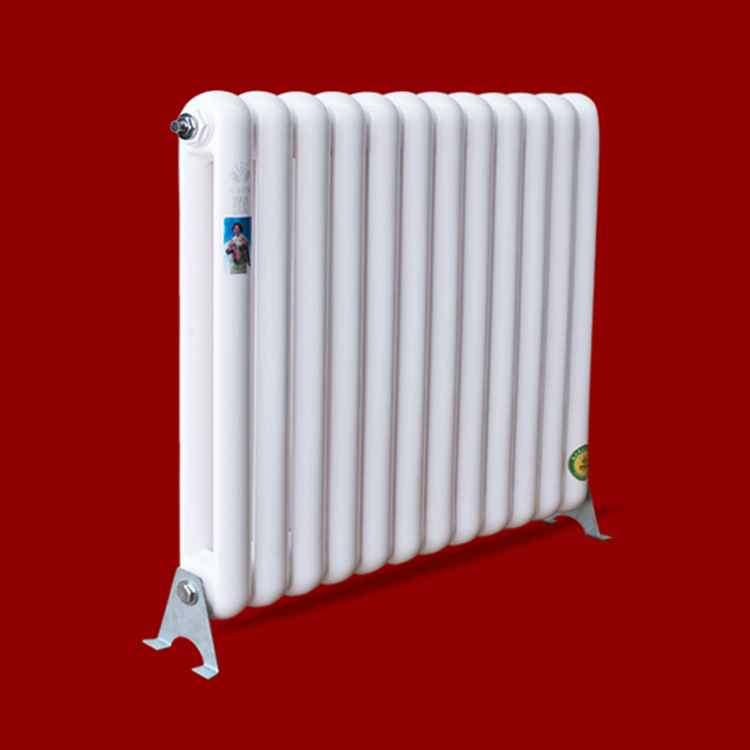
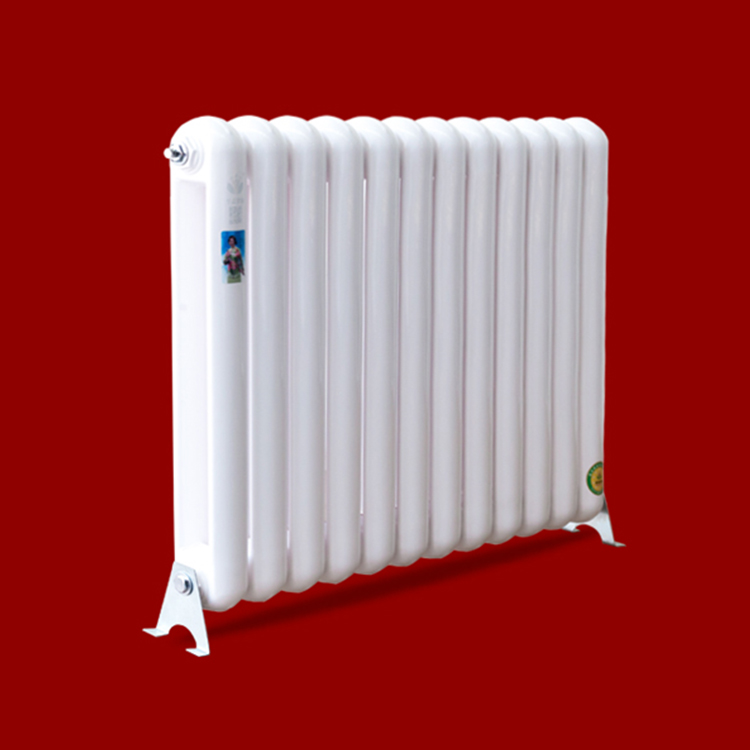
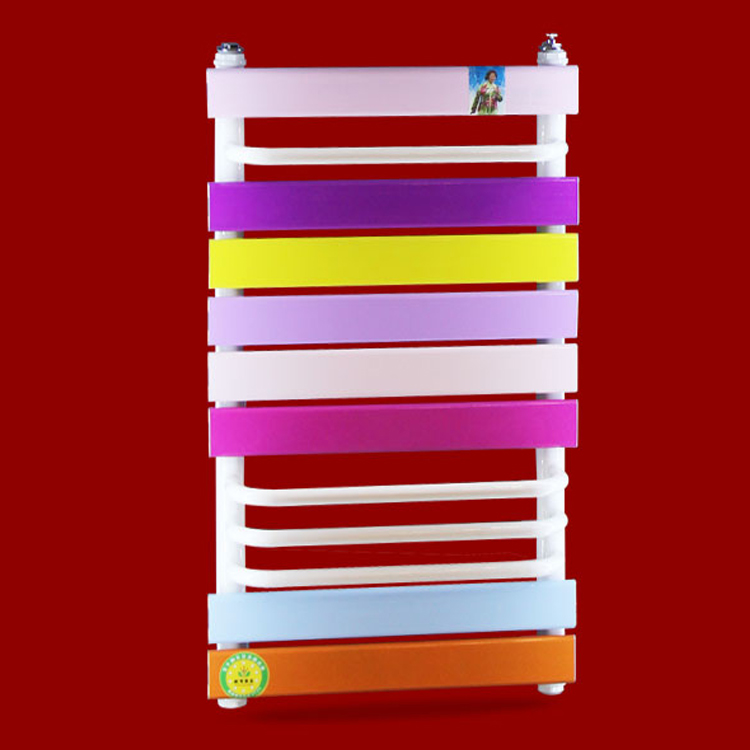
Steel, copper-aluminum composite, bathroom radiators
18920135553

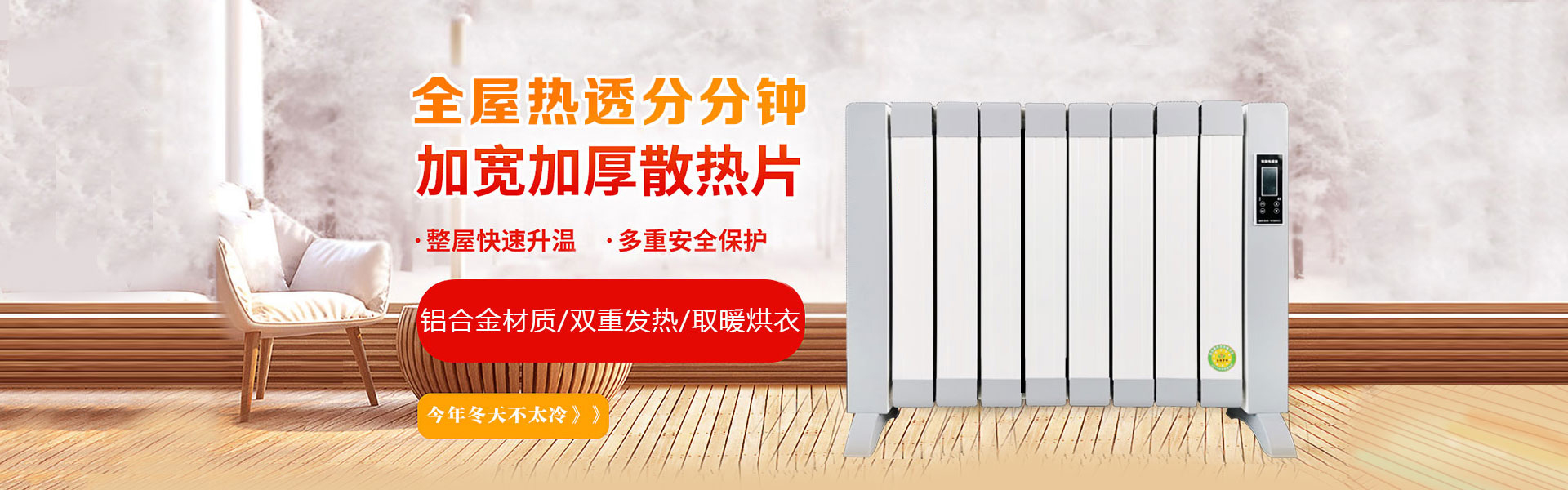
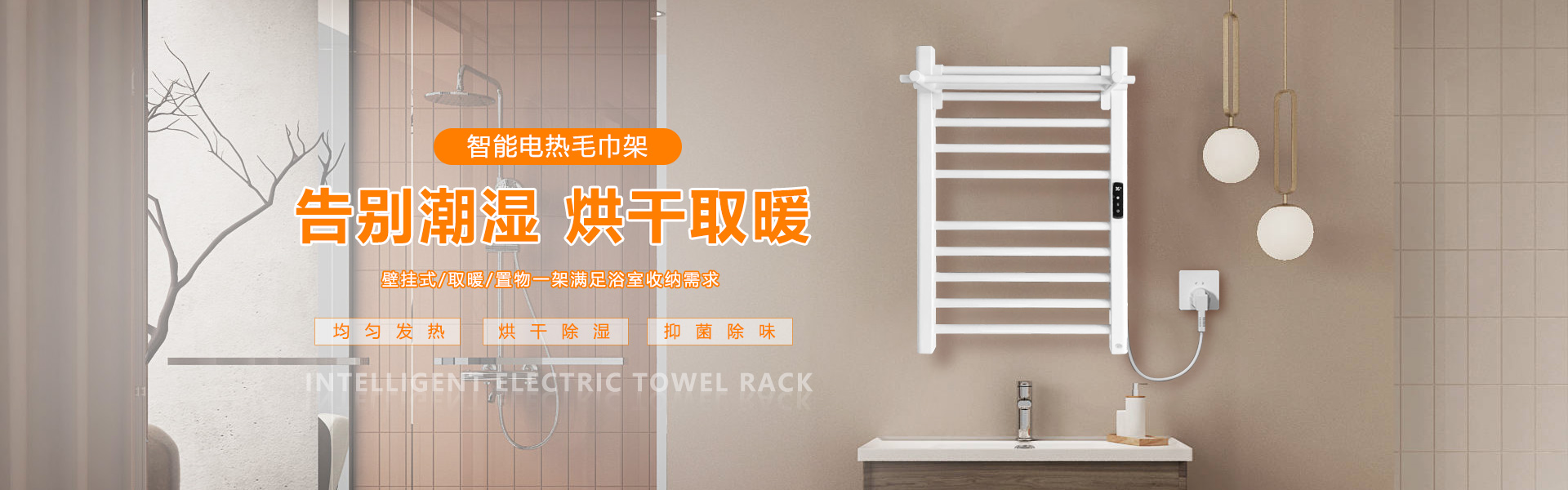
Before installing radiators, you need to choose the right ones. How do you select the material and determine the quantity of radiators to purchase? Follow the editor of steel radiator manufacturer Shantiluan to learn more!
One, selection of heating method and material for heating systems
The features of steel radiators: aesthetically pleasing with exaggerated artistic design, but prone to oxidation; require internal anti-corrosion treatment and should be kept full of water for maintenance.
Aluminum heat sinks feature: lightweight, cost-effective, versatile in design, susceptible to alkaline corrosion, requiring internal anti-corrosion treatment.
Features of Copper-Aluminum Composite Heat Exchangers: Copper water channels for corrosion resistance, aluminum fin sheets for excellent heat dissipation, a strong combination with great anti-corrosion effect, and a relatively simple design.
When selecting a heater for consumers, carefully choose the decoration location. Measure the size and number of the radiators by staff, calculate the amount based on the national heat dissipation standard, and determine the dimensions according to the specific installation location.
How to Calculate the Quantity of Radiators to Purchase
Heating panels are sold by the "sheet" or "set," also marked with "W" (heat output). Many consumers are unsure of how many sheets or sets of heating panels are needed for their homes, nor do they know how many "W" are required to adequately warm their living spaces. Purchase quantities can only be determined after precise calculations. When buying heating panels, it's essential to match the area of the heated room, and considering that the heat output of different brands can vary significantly, scientific calculations should be made before making a purchase.
Three Methods of Heating Calculation
Calculate the area, then the wattage (W), and finally the number of panels.
Calculate area: Measure the square footage of your bedroom, living room, bathroom, kitchen, and other spaces, using these as the basis for further calculations.
2. Calculating Power (W): This process is relatively complex, so here's a brief overview of reference data for calculating the heat index per unit area of civil building heating for consumers. For general residential homes, you can calculate at 45-70W per square meter. When purchasing heating equipment, multiply the area of the room by the "W" per square meter to determine the required heating capacity. Typically, heating equipment for sale is labeled with "W." Due to significant variations in real-life situations, consider factors such as building type (high-rise or flat), floor level (top or bottom), position (end or middle), orientation (north or south), urban or rural, and wall insulation properties when estimating. A simple method is to add an additional 10-20% to the calculated number of radiators as a buffer to ensure sufficient heat.
3. Calculating the number of panels: In fact, once the wattage is calculated, it can be converted to the number of heating panels to determine the sets. Not all heating panels can be split and combined, especially for bathroom heaters, which are mostly in one-piece designs. Consumers can simply choose the suitable model based on the area.
Contact us

Service Hotline
18920135553
Company Telephone
18920135553

Address
Beiyimin Village, Qilihai Town, Ninghe District (within the Stendrol Radiator Factory compound)
b2b.china9.net © Zhongshang 114 Hebei Network Technology Co., Ltd.Address: Room 6009, Oriental New World Center, No.118 East Zhongshan Road, Qiaoxi District, Shijiazhuang City, Hebei ProvincePlatform Service Hotline: 4006299930