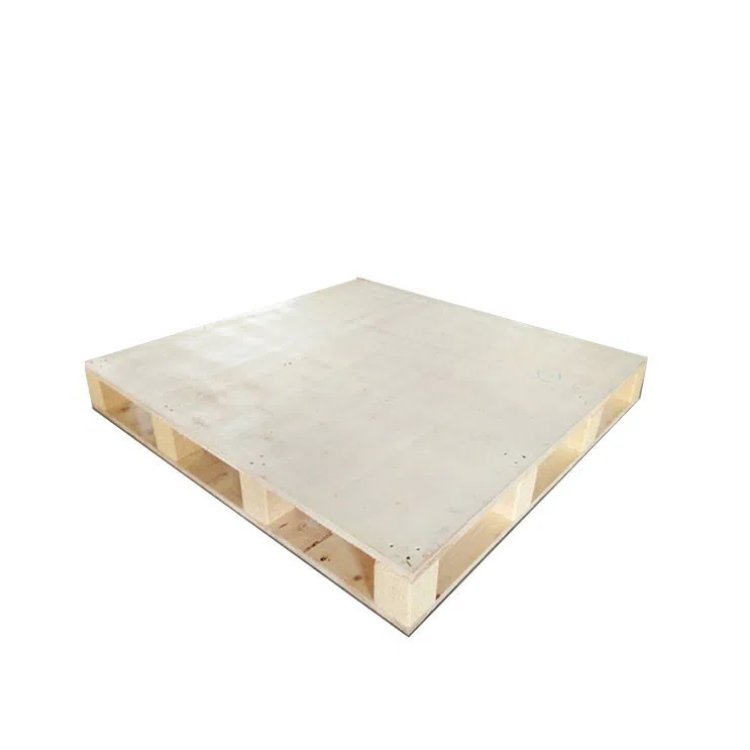
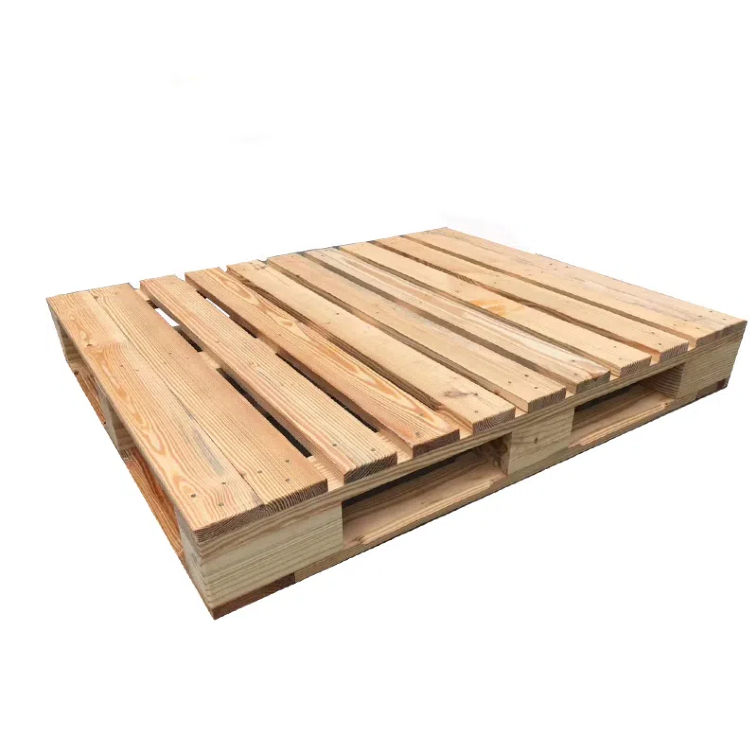
Original Factory, Professional Hardwood Pallet Sales & Re...


Product Recommendation
Evaluating the environmental performance of used wooden pallets is a systematic and comprehensive process, primarily involving aspects such as carrying capacity, durability, material origin, and processing methods. Here are the specific evaluation methods:
1. **Carrying Capacity**
- **Static Load Performance**: This assesses the maximum weight a wooden pallet can bear while in a stationary state, which is its basic functional requirement[^2^].
- **Dynamic Load Performance**: Tests the load-bearing capacity of wooden pallets during handling or movement, ensuring their safety in logistics operations[^2^].
- **Pressure Distribution**: Measured by professional equipment, the pressure distribution of wooden pallets under heavy loads is ensured to be even, preventing deformation or damage. [^2^]
2. **Durability**
- **Material Testing**: Analyzing the type of wood and its inherent quality characteristics, such as dryness level and structural stability, high-quality wood is generally more durable[^2^].
- **Environmental Simulation Testing**: Place wooden pallets in high humidity, dry, high-temperature environments, and observe their resistance to deformation and corrosion to assess their reliability for long-term use. [^2^]
- **Structural Stability**: Inspect the integrity of connections such as nail fastenings, as well as the overall structure's fatigue resistance[^2^].
Material Source
- **Legal Logging**: Confirming the legality of wood sourcing and whether it originates from sustainably managed forest resources. Legal and sustainable sourcing is a crucial foundation for the environmental sustainability of wooden pallets[^4^].
- **Recycling**: Assessing whether wood is recycled material can further reduce the demand for new wood, thereby lowering consumption of forest resources[^4^].
4. **Approach to Handling**
- **Sterilization Treatment**: Inspect wooden pallets for necessary sterilization treatments to prevent the spread of pests and diseases, particularly at entry and exit points[^2^].
Surface Treatment: Evaluate the environmental friendliness of coatings or paints used for moisture and corrosion prevention, and opt for non-toxic or low-toxic materials for treatment as much as possible[^2^].
Recyclability
- **Design Evaluation**: Inspect the wooden pallet design for ease of disassembly and recyclability, prioritizing those that are easily dismantled for future handling and resource recycling.
- **Recycling System**: Understand if there is a well-established wood pallet recycling system in your area, including collection, processing, and reuse mechanisms. This is crucial for achieving an environmentally friendly recycling cycle for used wood pallets. [^2^]
6. Energy Conservation and Consumption Reduction
- **Carbon Footprint Analysis**: Evaluating the reduction in carbon emissions during the use of used wooden pallets compared to new ones, which helps to measure their positive impact on the environment [^5^].
- **Life Cycle Assessment**: Utilizing the Life Cycle Assessment method, we comprehensively analyze the environmental impact of wooden pallets throughout their entire lifecycle from production to disposal, including energy consumption and waste generation[^5^].
In summary, evaluating the environmental performance of used wooden pallets requires a comprehensive assessment of their carrying capacity, durability, material origin, and treatment methods. This not only aids users in understanding the product's environmental attributes but also drives the logistics industry towards a greener and more sustainable direction.
b2b.china9.net © Zhongshang 114 Hebei Network Technology Co., Ltd.Address: Room 6009, Oriental New World Center, No.118 East Zhongshan Road, Qiaoxi District, Shijiazhuang City, Hebei ProvincePlatform Service Hotline: 4006299930