





详情描述
Working Principle
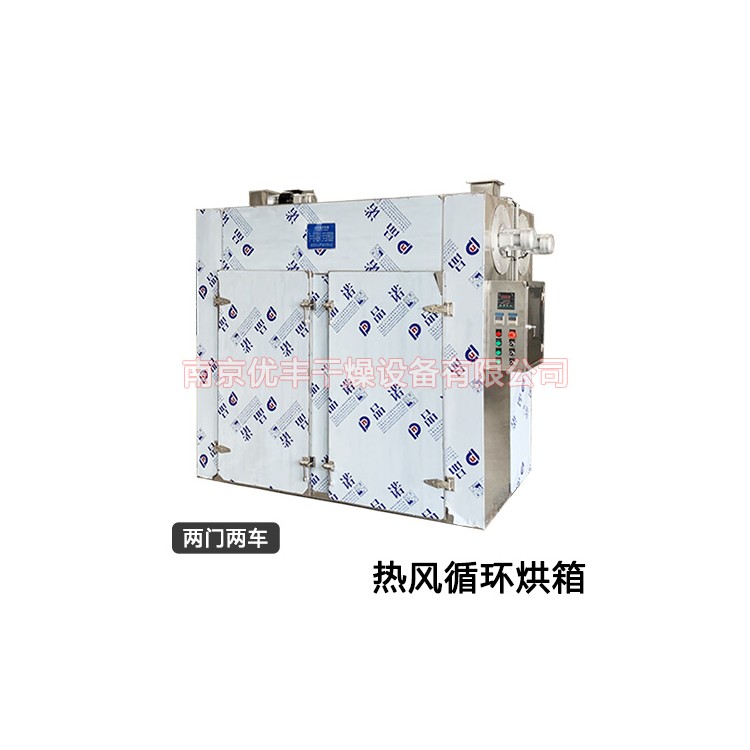
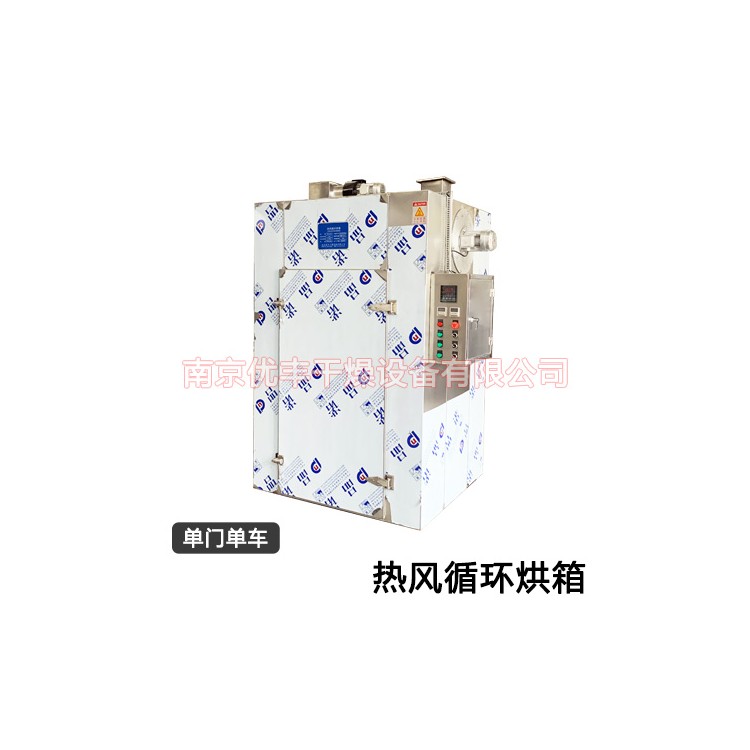
Industrial ovens control the workshop temperature through the connection of a digital display gauge and a temperature sensor, drying materials with a hot air circulation fan. The hot air circulation system, which includes both horizontal and vertical air flow, is professionally designed. The air source is driven by an electric motor to rotate the fan, blowing air onto the electric heating tube to create hot air. The hot air is then channeled into the oven's working area. After use, the exhausted hot air is re吸入 into the duct to become the air source for further recirculation and reheating, enhancing temperature uniformity. If the oven door is opened or closed during operation, the air circulation system can quickly restore the operating temperature value.
Casing structure
The studio uses high-quality steel or stainless steel plates.
Microcomputer smart temperature controller with dual digital display for setting and measuring temperature, timing function, power suppression, and self-tuning capabilities, reliable temperature control. The hot air circulation system consists of a low-noise fan and air ducts, ensuring uniform temperature inside the workspace. 3
Product Categories
Industrial ovens can be categorized by performance as:
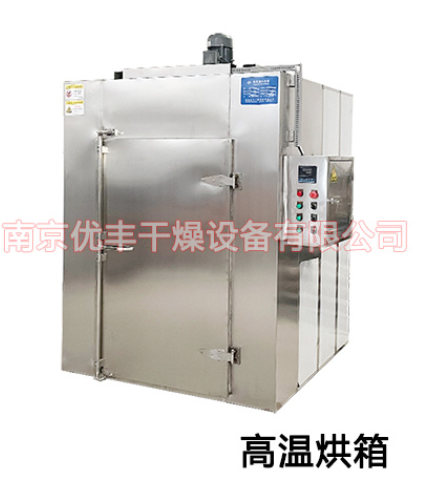
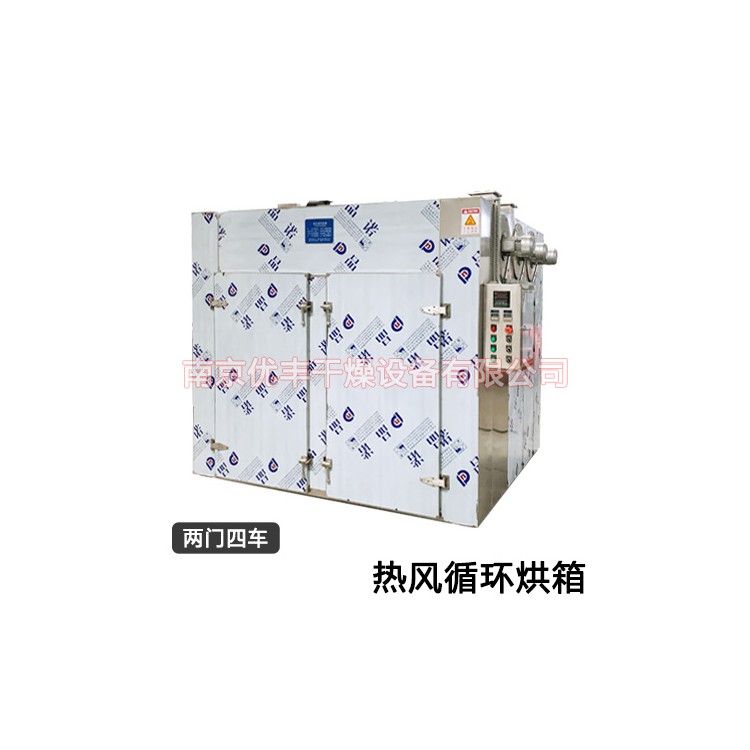
Programmable baking ovens, precision industrial baking ovens, nitrogen-filled industrial ovens, vacuum industrial ovens, explosion-proof industrial ovens, electrically heated forced-air industrial ovens, and hot-air circulation industrial ovens. Widely applicable to various industries requiring drying and heating components.
Industrial ovens can be categorized by industry into:
Industrial Ovens for the Electronics Industry, Instrumentation Industry, Plastic & Rubber Industry, Electrical Appliances Industry, Electroplating Industry, Printing Industry. Industrial Ovens for the Eyewear Industry.
Pharmaceutical Industry Industrial Ovens, Textile Dyeing & Finishing Industry Industrial Ovens, Machinery Industry Industrial Ovens, Synthetic Fiber Industry Industrial Ovens, Wood Industry Industrial Ovens, Friction Material Industry Industrial Ovens
Industrial ovens can be categorized by their appearance into:
Horizontal and vertical industrial ovens
Industrial ovens can be categorized by their rated temperature:
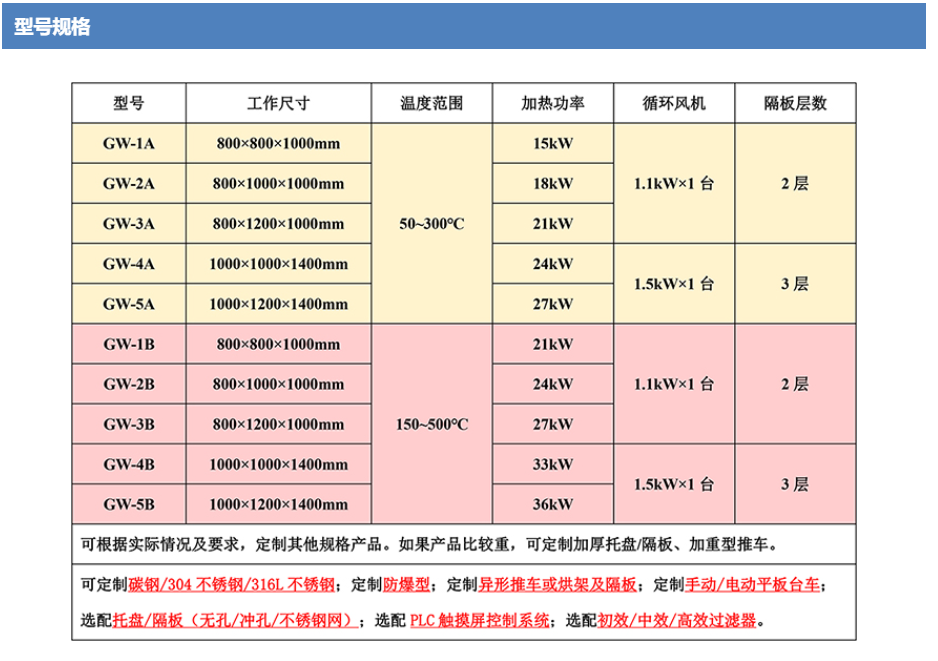
Low-Temperature Industrial Oven: Below 100°C, commonly used for electrical product aging, slow drying of general materials, and drying of certain food ingredients, plastics, and other products. Room Temperature Industrial Oven: 100-250°C, this is the common operating temperature range, used for moisture drying, coating curing, heating, and insulation of most materials. High-Temperature Industrial Oven: 250-400°C, for high-temperature drying of special materials, heating installation of workpieces, material high-temperature testing, and reaction processing of chemical raw materials. Ultra-High Temperature Industrial Oven: 400-600°C, with higher operating temperatures, for high-temperature drying of special materials, heat treatment of workpieces, and high-temperature testing of materials.
Section 4: Product Applications
Industrial ovens are used for drying, baking, melting wax, and sterilization in industrial and mining enterprises, laboratory exteriors, scientific research units, etc.