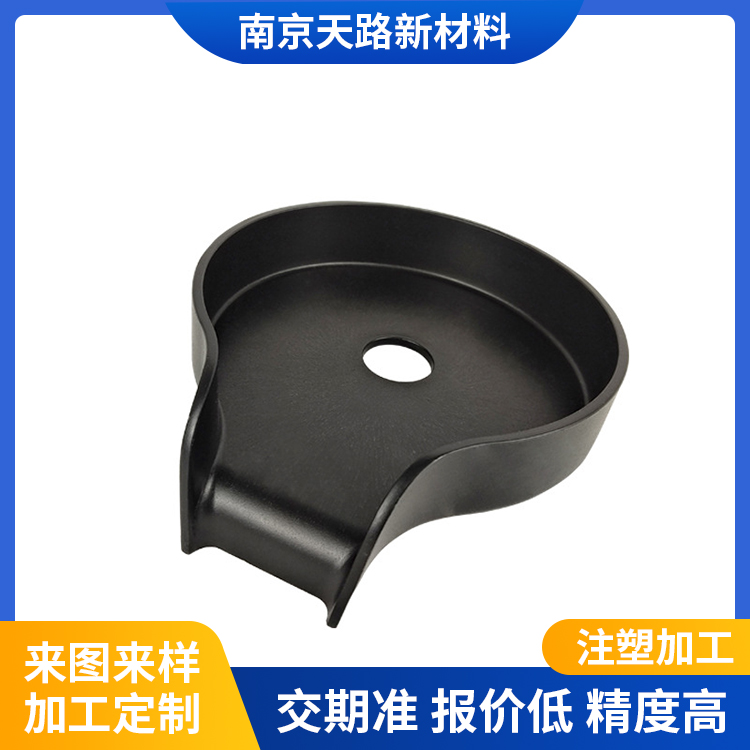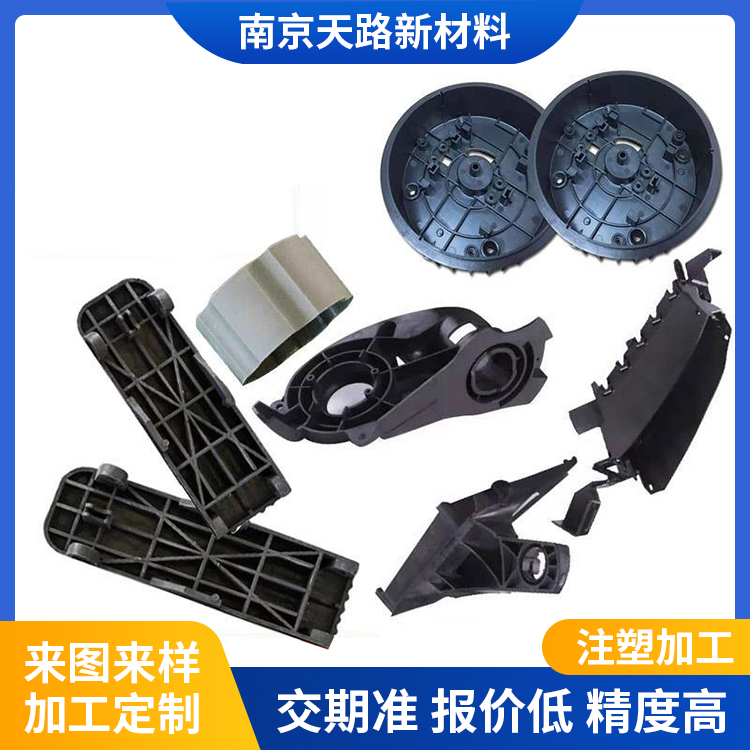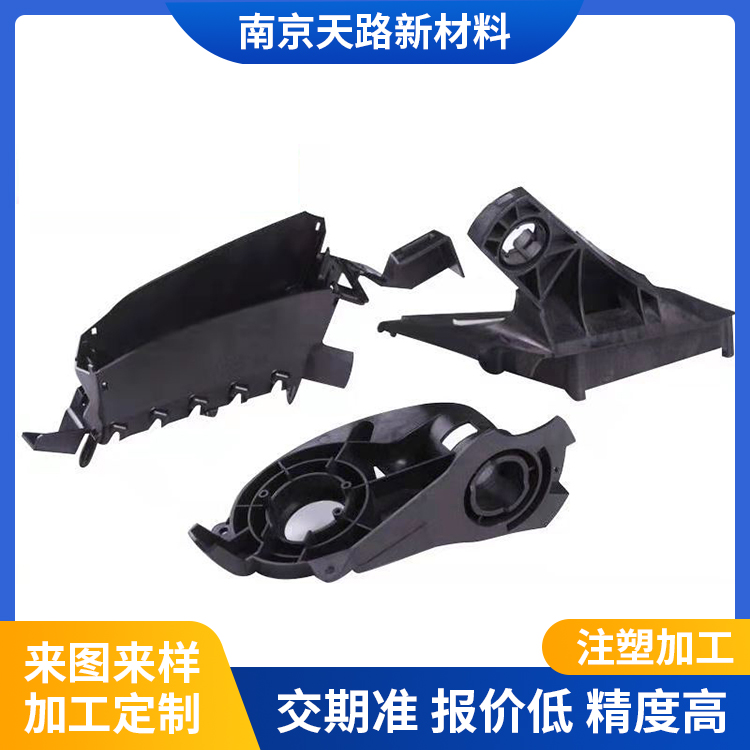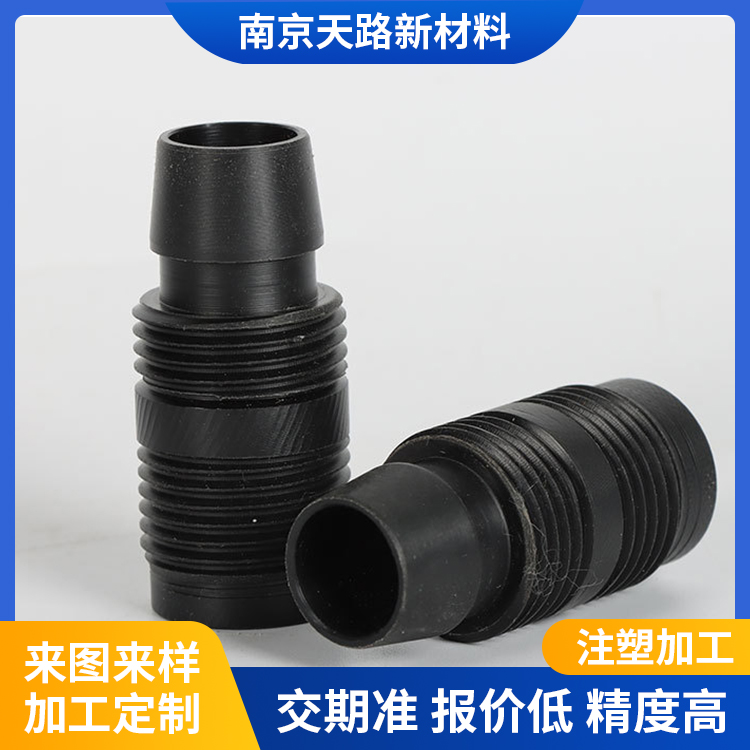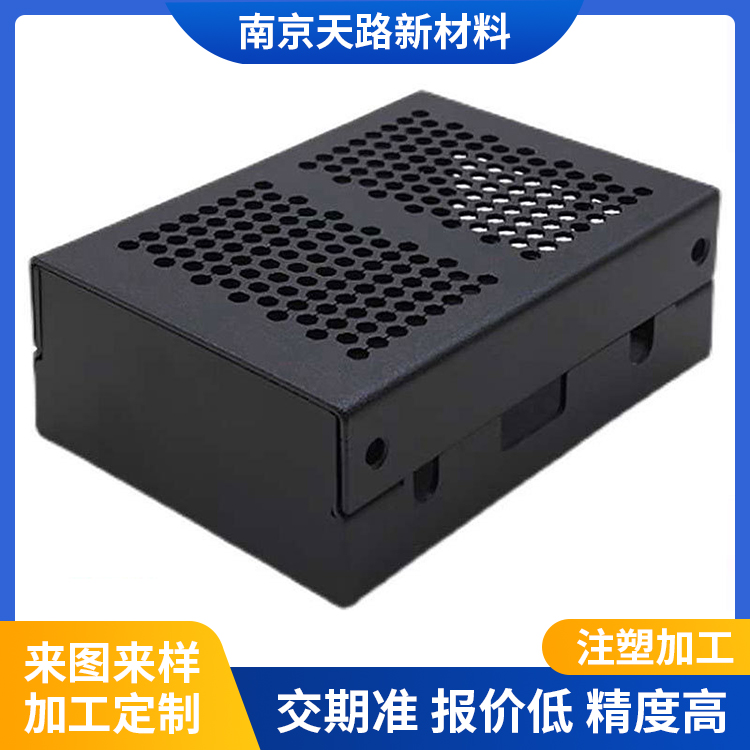
Specializing in mold design and plastic injection molding production.
025-84140777
Injection molding is a common plastic processing method, also known as injection molding. It involves injecting molten plastic material into a mold, where it cools and solidifies into the desired shape and size of the plastic product.
The primary steps in injection molding include: feeding and melting plastic materials, filling and compacting the mold, cooling and solidifying, ejection and demolding, etc.
Firstly, pre-prepared plastic granules or powder is added to the hopper of the injection molding machine via a feeding device. Then, the plastic raw material is heated and melted using the screw and heater, transforming it into a moldable molten state.
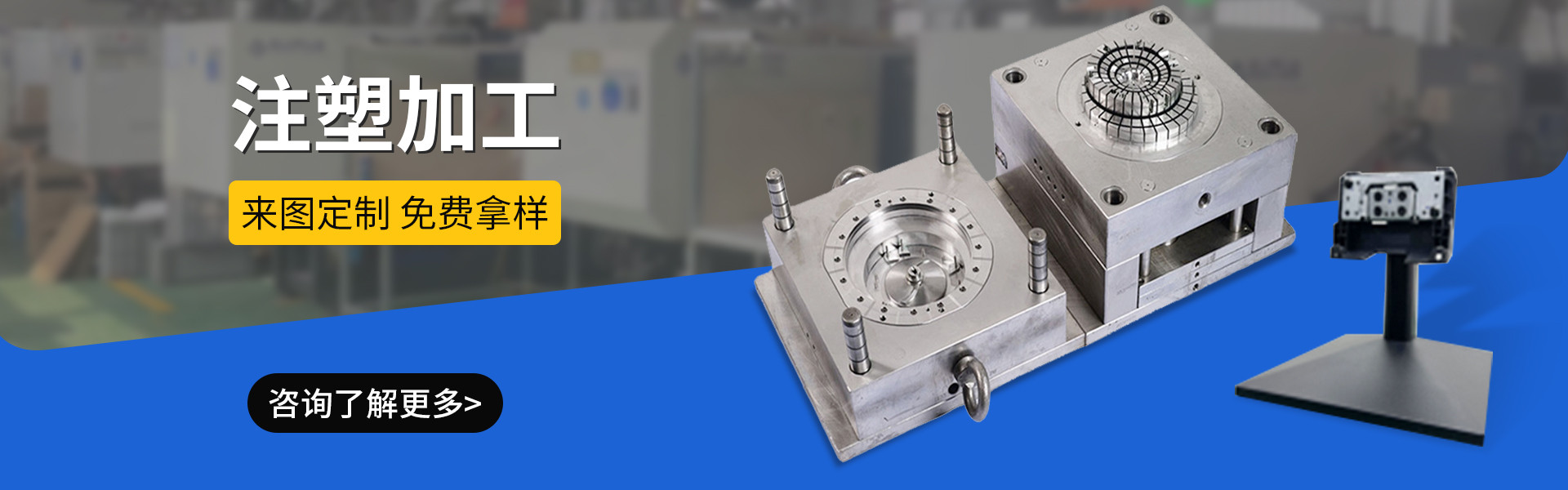
Next, the injection molding machine pushes molten plastic material from the injection cylinder into the mold. The mold consists of an upper mold and a lower mold, which fit together to form a closed injection cavity. During the injection process, the plastic material enters the mold cavity through the nozzle of the injection machine, fills and completely occupies the entire cavity, while applying pressure to ensure the plastic material is tightly packed into the mold cavity, preventing the formation of voids and defects.
Subsequently, the plastic material in the injection mold begins to cool and solidify. During the cooling process, the injection molding machine regulates the mold temperature through the cooling system, allowing the plastic material to gradually solidify. The duration of the cooling time depends on the properties of the plastic material and the size of the product. Generally speaking, larger-sized products require a longer cooling time.
Once the plastic material is fully cured, the injection molding machine will eject the product from the mold. The ejection mechanism, using pins or rods, removes the product from the mold and sends it to the subsequent processing steps. During the ejection process, care must be taken to avoid damaging or deforming the product.
After ejection, the product can proceed to the next stage of processing and handling, such as trimming excess edges, smoothing the edges, surface treatment, or assembly, etc.
Injection-molded products offer several advantages and features:
High Efficiency: Injection molding offers continuous production capabilities with high efficiency and output. Injection molding machines enable rapid mold opening and closing as well as injection cycles, making them suitable for large-scale production requirements.
2. Versatility: Injection molding can produce a wide range of plastic products in various shapes and sizes, from simple parts to complex structures. Through the design and manufacturing of molds, the production of multiple products can be achieved.
High Precision: Injection molding can achieve high-precision product processing, meeting the dimensional and quality requirements of the products.
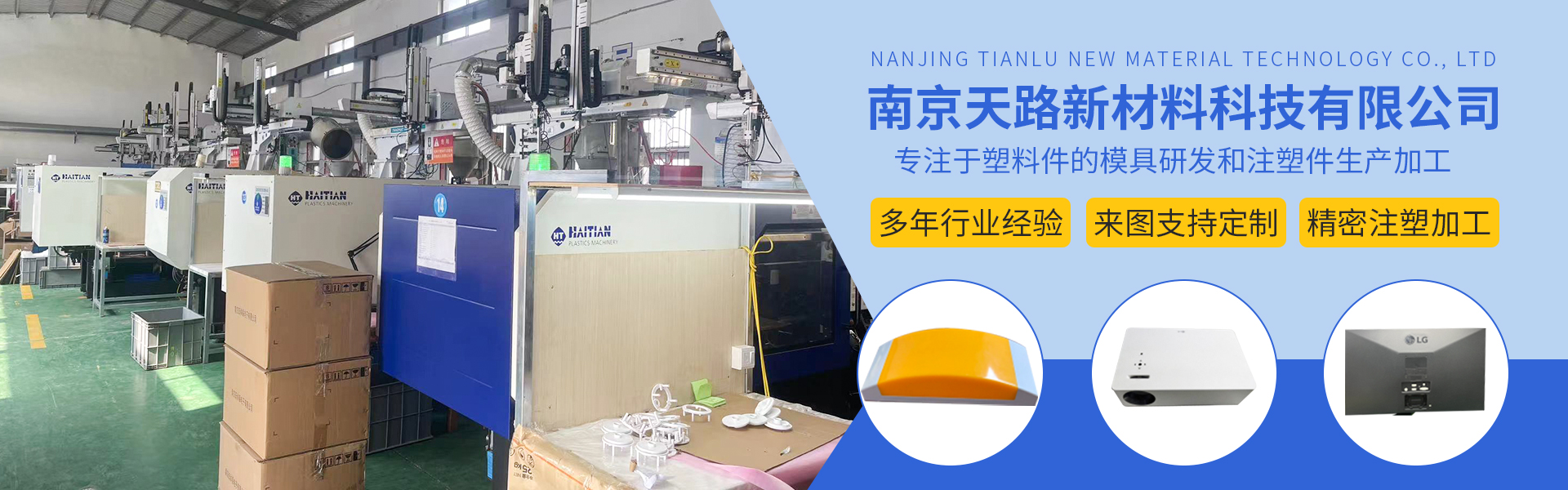
High Level of Automation: The injection molding machines used in the injection molding process are highly automated, enabling automated production operations and reducing manual labor and physical strain.
5. Wide Range of Material Selection: Injection molding can utilize various types of plastic materials.
In summary, injection molding is a common and crucial plastic processing method, which, through rational mold design and manufacturing, enables efficient and diverse production of plastic products. Widely applied across various industries such as automotive, electronics, and home appliances, injection molding provides a rich array of plastic products for people's daily lives and work.
Contact us

Service Hotline
13357733311
Company Telephone
025-84140777

Address
39 Tangfeng Road, Tangshan Street, Jiangning District, Nanjing City
b2b.china9.net © Zhongshang 114 Hebei Network Technology Co., Ltd.Address: Room 6009, Oriental New World Center, No.118 East Zhongshan Road, Qiaoxi District, Shijiazhuang City, Hebei ProvincePlatform Service Hotline: 4006299930