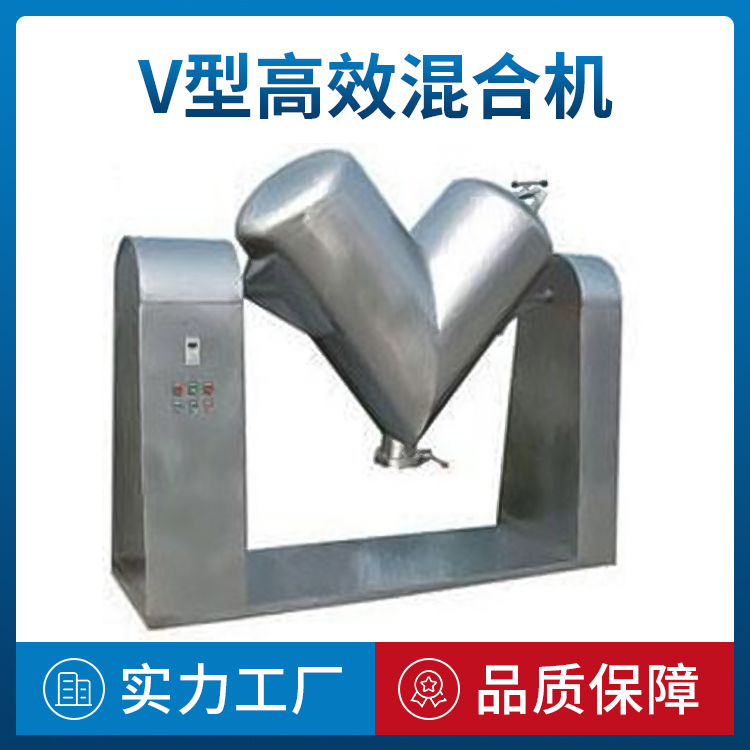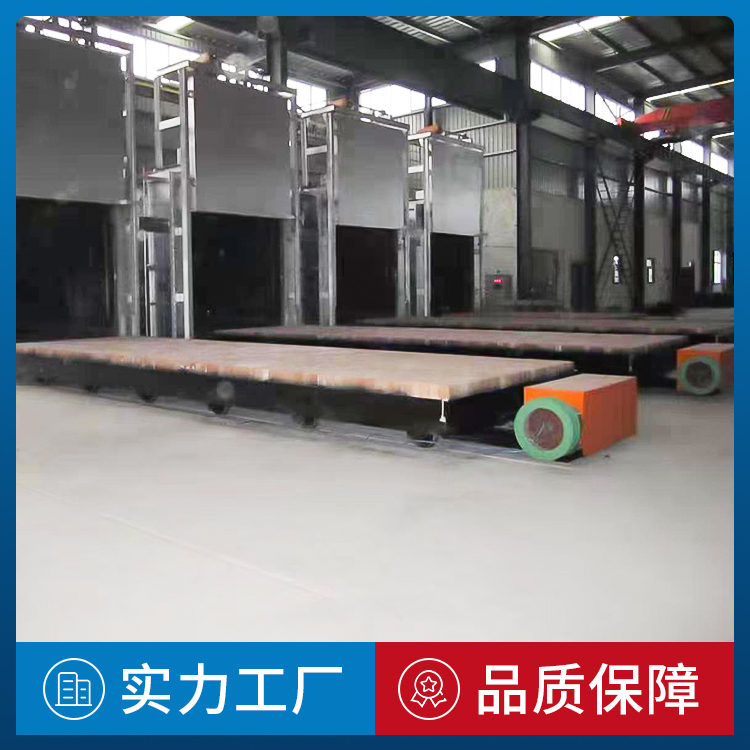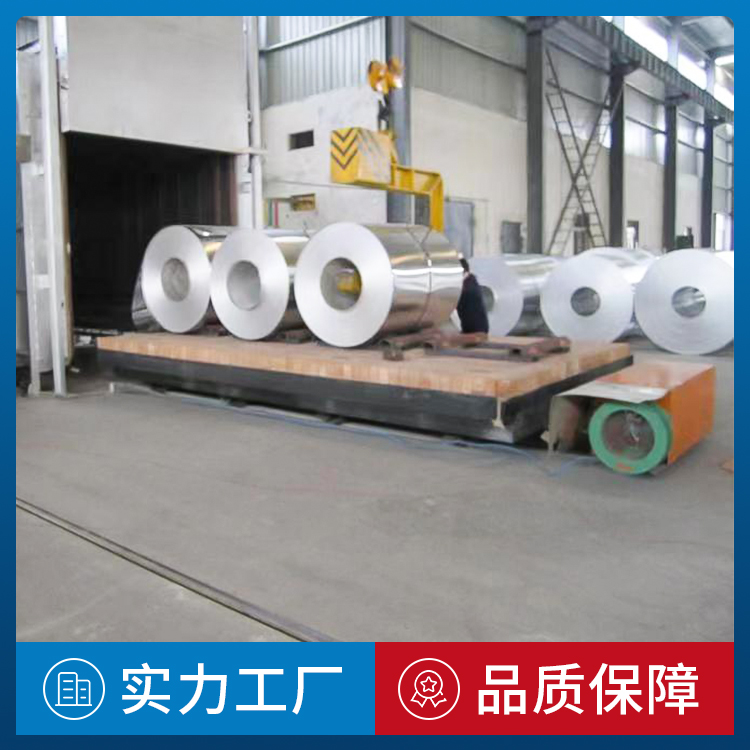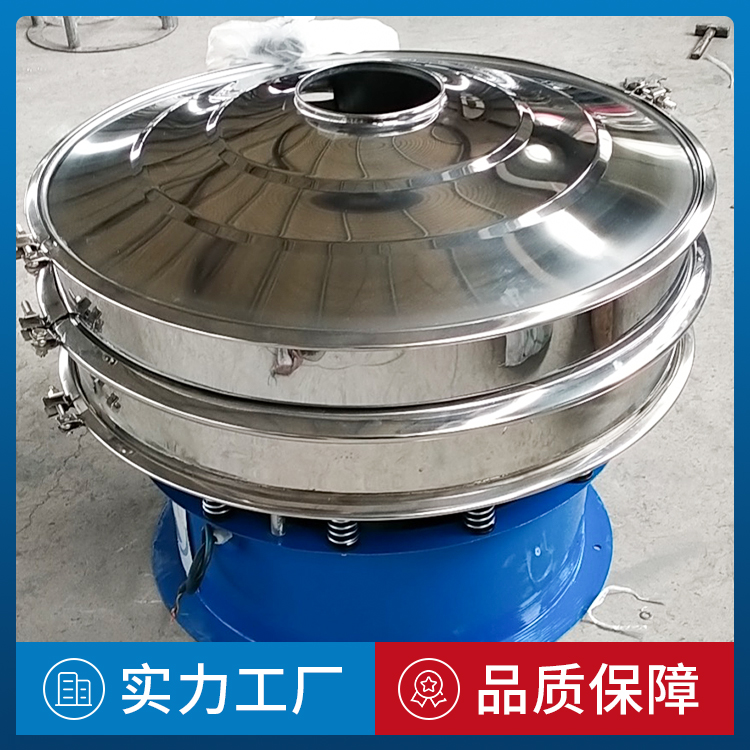
Pharmaceutical machinery, stainless steel products, sterilization equipment, drying equipment, food machinery, technical research and development, manufacturing, sales, installation, maintenance, and technical services for mechanical equipment.
18351875569
Food processing involves numerous steps such as sorting, crushing, separating, mixing, sterilizing, refrigerating, and drying, with the drying process being a crucial step for ensuring food quality. Most foods are wet materials with high moisture content. If commercial foods have too much water, it can trigger microbial activity, leading to spoilage or reducing their shelf life, and also increasing transportation costs. Drying food prevents microbial growth, facilitates storage, and can reduce the volume and weight of the food, thereby lowering transportation expenses. Given the wide variety of food shapes and types, including powders, sheets, strips, blocks, pastes, as well as liquids, moist solids, and biological tissues, the food material also undergoes a series of physical and chemical changes during the drying process (such as shrinkage, surface hardening, porosity, fluffiness, and irreversible recovery), along with potential nutrient loss, flavor changes, and browning. Consequently, food drying requires different specifications for the structure, operational characteristics, and performance parameters of drying machines.
Since the 1950s, our country has developed and manufactured numerous drying machines for food and grains through both imports and self-research, achieving certain accomplishments. However, the development has experienced several ups and downs, and the pace has been relatively slow. In the early 1950s, China imported grain drying series machines and towers (houses) from the former Soviet Union, which were domestically designed and manufactured through surveying and mapping. Although there are many different forms, the basic structure is generally similar, usually consisting of the drying house body, heating, ventilation and moisture removal, and loading facilities. They are heated by coal or firewood and use wind suction or blowing to transfer heat and moisture for material drying. The products are basically suitable for production, but they have drawbacks such as uneven heating, long drying time, and high labor intensity. The performance and equipment matching are also imperfect. It can be said that before the 1980s, the drying of food in our country largely relied on natural drying methods (such as wind-drying, sun-drying, and air-drying), and the drying equipment for convenience foods, brewing, sugar production, and dairy products was essentially in a blank state.
In the 1980s, with the rural economic system reform and the development of town and village enterprises, China's food industry experienced significant growth, which in turn spurred the development of food drying equipment. However, the production of food drying equipment was primarily on a small scale, unable to achieve large batch production, with a relatively low technological content and a limited number of mature models. The industry lagged behind in terms of drying technology, production capacity, energy types, and measurement and control technology. Moreover, it mainly relied on traditional heating methods for food drying, i.e., heating the material through conduction, heat convection, and heat radiation. This surface-to-core drying process prolonged the drying time of food, resulting in the loss of nutritional components and the destruction of the food's original natural taste.
In the 1990s, there was a surge in demand for high-quality food, coupled with increased investment and expansion by foreign investors in China's food industry. Advanced food drying machinery from abroad was continuously introduced, and with the innovation and development of Chinese food scientists, a variety of drying equipment emerged, including air convection dryers, drum dryers, vacuum dryers, pressure dryers, and electromagnetic radiation dryers. In the late 1990s, researchers in China focused on electromagnetic radiation drying equipment, with the Tianjin Packaging Food Machinery Research Institute absorbing the most advanced foreign technology to develop the WTJ series microwave energy drying equipment. This equipment features fast drying speed, high thermal efficiency, even heating, no pollution, and non-damage to food nutrients, making it widely applicable in the food drying field. Additionally, there are devices using far-infrared radiation elements to convert far-infrared into heat for drying food, which are simple, energy-saving, and fast, particularly suitable for drying fruits and vegetables. Furthermore, a series of solar drying equipment, based on the principle of converting solar energy into heat, has been developed for drying fruits, vegetables, and other agricultural products. Currently, the most advanced food drying technique, cryogenic sublimation drying, especially when combined with the cost-effective steam jet vacuum pump system tailored to China's conditions, is beginning to be used for drying foods such as meats, seafood, fruits, vegetables, beverages, seasonings, and fragrances. However, there are not many mature models, and there is still room for improvement in structural advancement, performance excellence, energy efficiency, and cost.
Contact us

Service Hotline
18351875569
Company Telephone
18351875569

Address
1st Floor, Building 2, No. 1, Kechuang Road, Yaohua Street, Qixia District, Nanjing City
b2b.china9.net © Zhongshang 114 Hebei Network Technology Co., Ltd.Address: Room 6009, Oriental New World Center, No.118 East Zhongshan Road, Qiaoxi District, Shijiazhuang City, Hebei ProvincePlatform Service Hotline: 4006299930