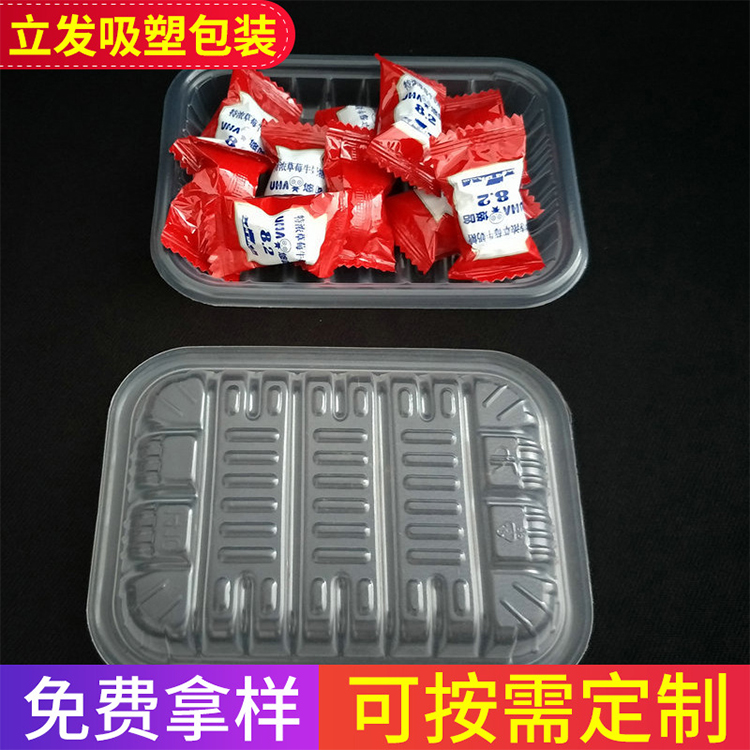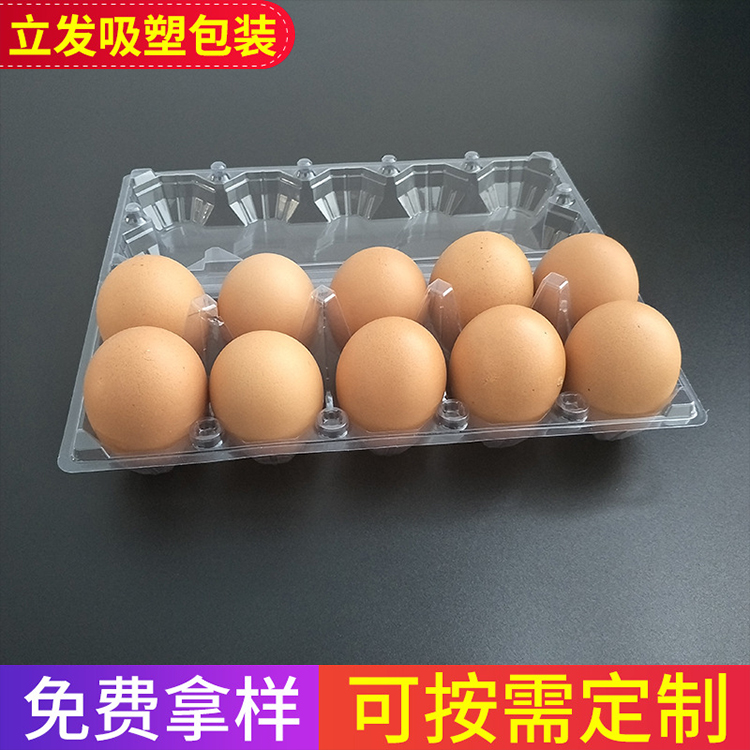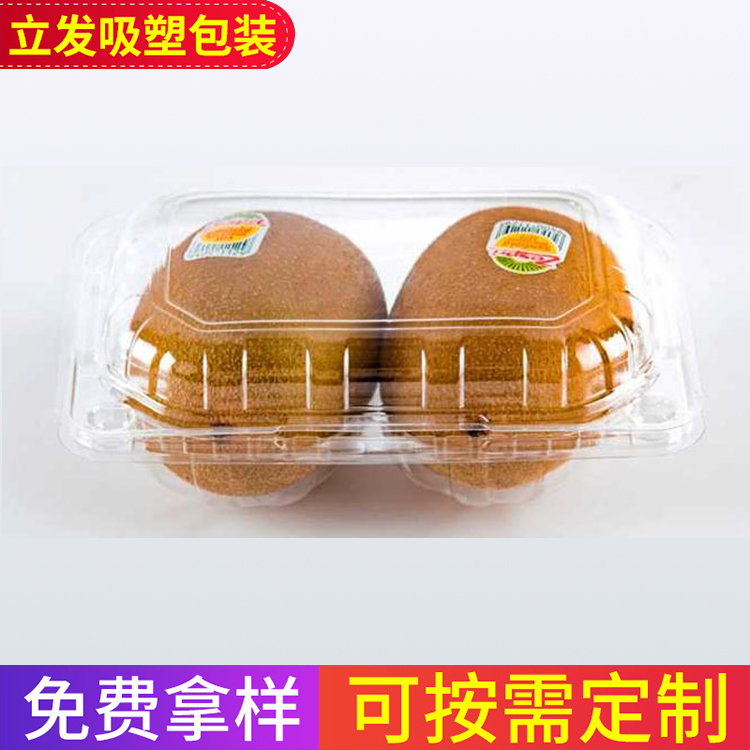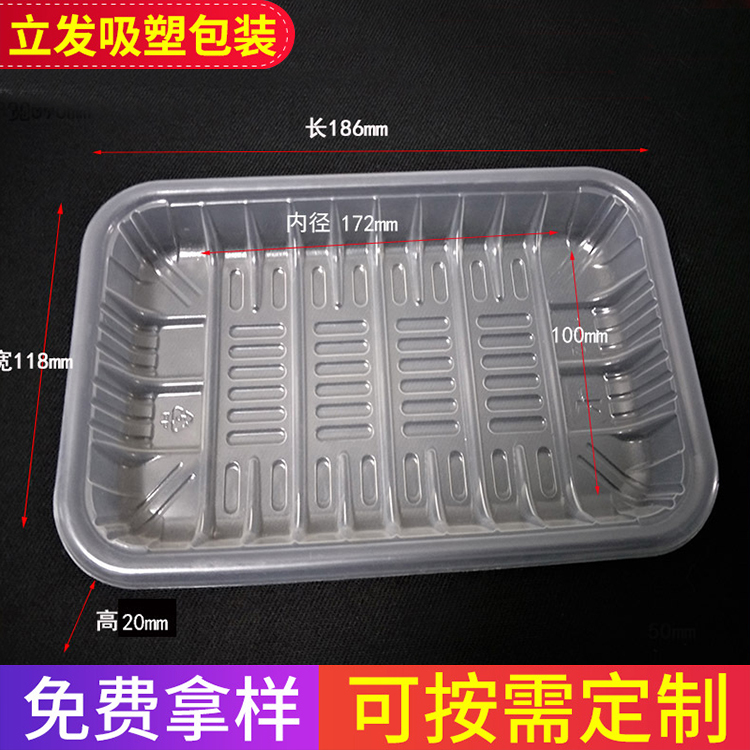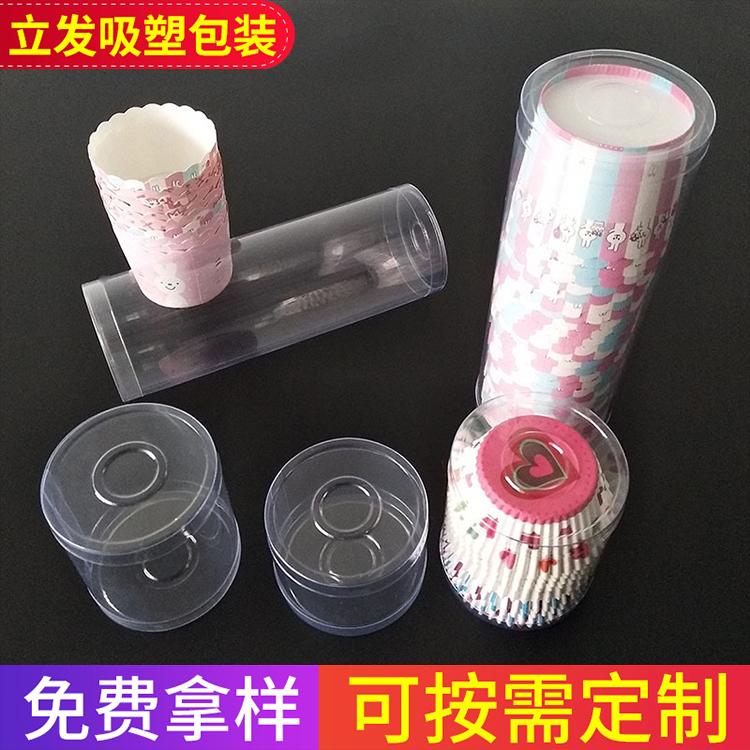
Specialized Customization: High-end Blister Packaging, Bl...

Food Blister PackagingThe material selection has several key requirements:
Chemical Stability:
FoodBlow-Molding PackagingMaterials must not undergo any chemical reactions with packaged food; this is the primary condition for ensuring food safety. The materials should ensure that there is no harmful impact on the food throughout the entire process of food storage, transportation, and use.
Physical and Mechanical Properties:
Food blister packaging materials should possess good impact and tensile strength, as well as be tear-resistant, to ensure effective protection of the food from external physical damage during transportation and storage.
Barrier Performance:
Food blister packaging must possess adequate barrier properties to prevent moisture and water, while maintaining a certain level of breathability to achieve preservation. This helps to shield food from the侵蚀 of moisture, oxygen, and other external factors, extending the shelf life of the product.
Thermal Resistance:
Given the requirement for many foods to be stored at low temperatures and heated at high temperatures for sterilization, food blister packaging materials should have high temperature resistance. This includes maintaining flexibility at low temperatures and not melting or deforming at high temperatures.
Environmental Protection and Safety:
Materials must be non-toxic, odorless, and tasteless, in compliance with food safety standards and pose no harm to consumers. Additionally, with the rising environmental awareness, opting for recyclable and biodegradable eco-friendly materials has become a crucial consideration.
Transparency and Appearance:
Food blister packaging materials typically require high transparency to allow consumers to clearly see the food inside. Additionally, a good appearance and luster contribute to enhancing the product's appeal.
Cost-Effectiveness:
Under the premise of meeting the aforementioned requirements, it is also necessary to consider the cost-effectiveness of materials. Choosing materials with high cost-performance can help reduce production costs and enhance the market competitiveness of the products.
In summary, the selection of materials for food blister packaging should consider multiple aspects, including chemical stability, physical and mechanical properties, barrier performance, temperature resistance, environmental friendliness and safety, transparency, appearance, and cost-effectiveness. Common materials for food blister packaging include polyvinyl chloride (PVC), polypropylene (PP), polystyrene (PS), and polyester (PET), each with its unique characteristics, allowing for selection based on specific application scenarios and requirements.


b2b.china9.net © Zhongshang 114 Hebei Network Technology Co., Ltd.Address: Room 6009, Oriental New World Center, No.118 East Zhongshan Road, Qiaoxi District, Shijiazhuang City, Hebei ProvincePlatform Service Hotline: 4006299930