

- AllProduct Category
-
Powder Property Tester
Powder Flowability Tester
Bulk Density Gauge
Loose Density Tester
Pile Density Tester
Apparent Density Meter
Rest Angle Gauge
Rest Angle Gauge
Particle Strength Tester
Powder Resistivity Tester
Compaction Density Gauge
Hole Flowmeter
Four-Probe Resistance/Resistivity Tester
Surface and Volume Resistivity Tester for Insulating Materials
Conductor Material Resistivity Tester
High Temperature Resistivity Tester
Voltage Drop Tester


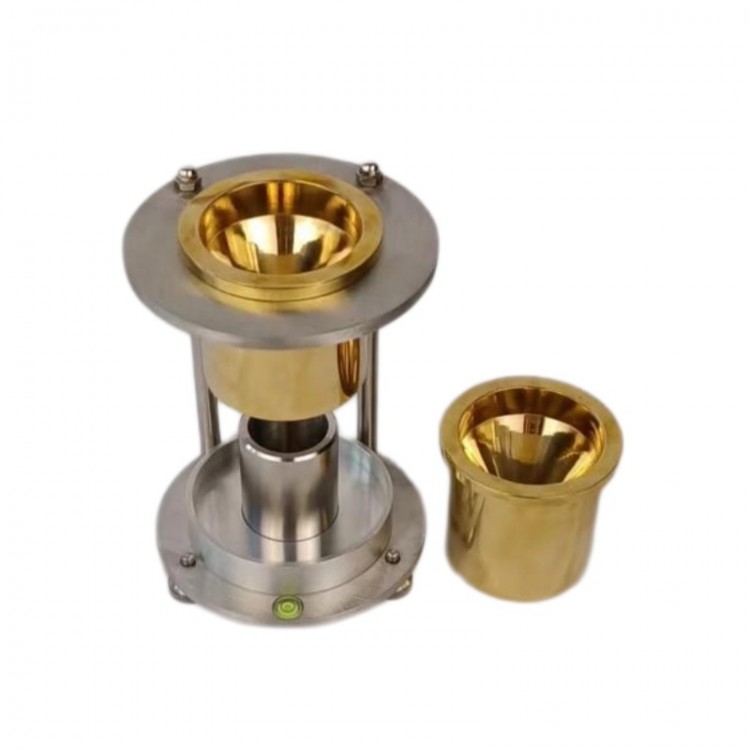
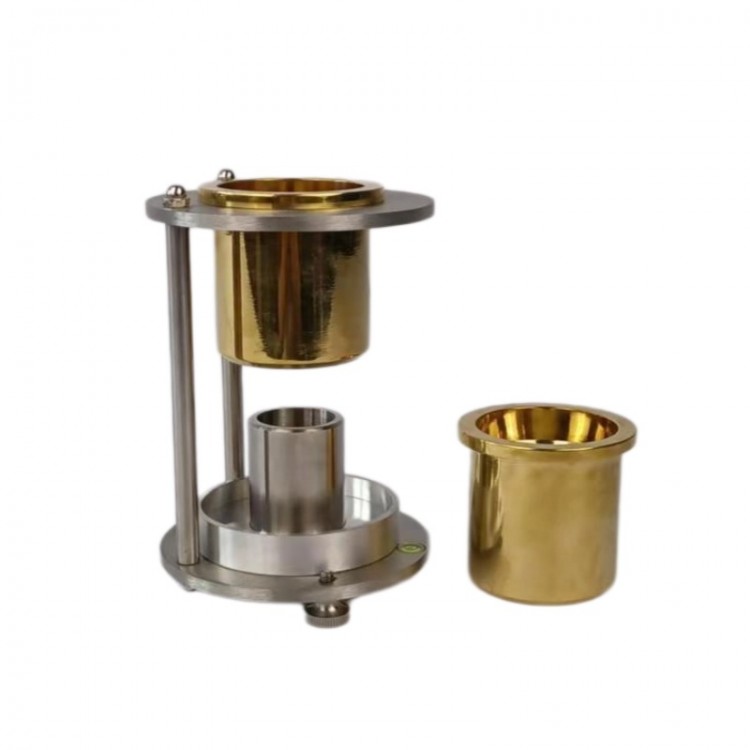
详情描述
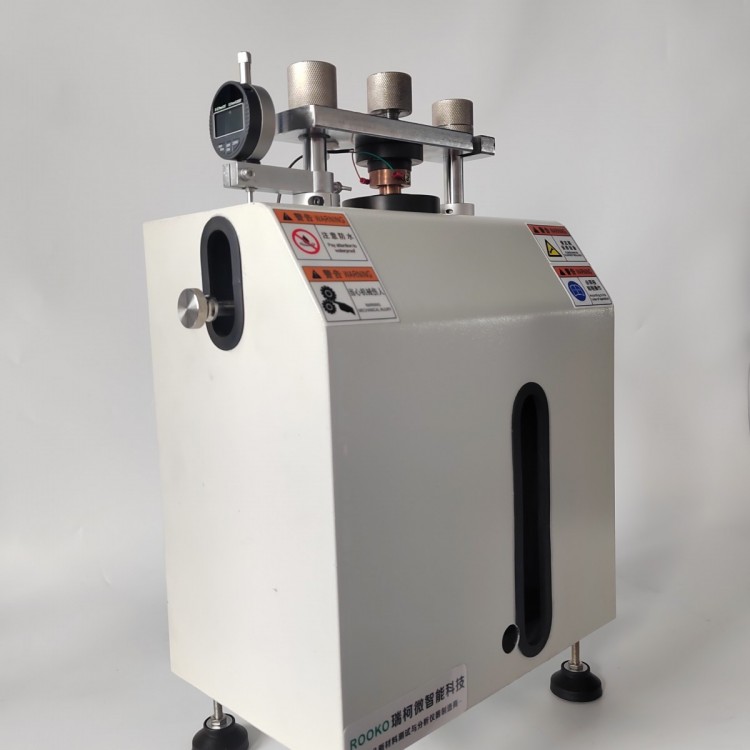
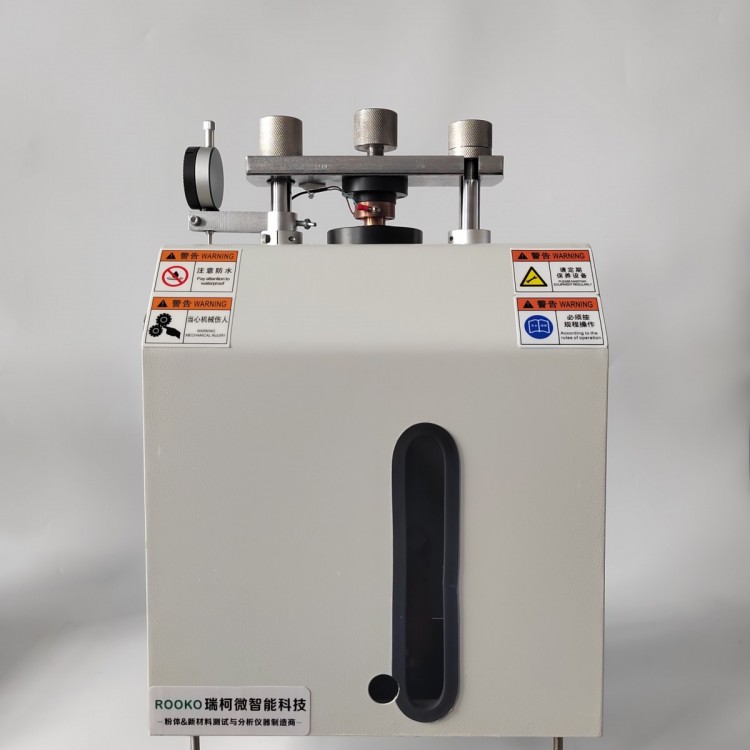
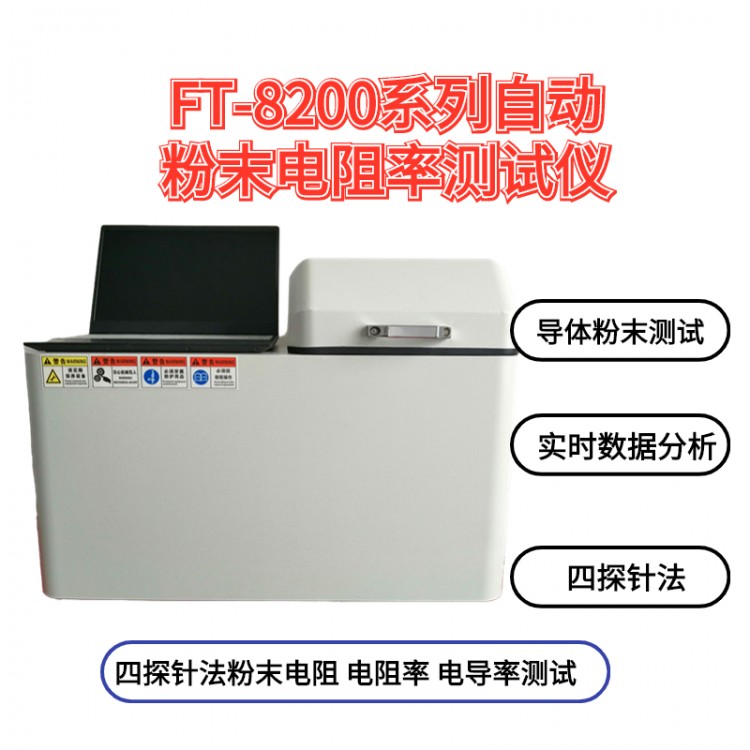
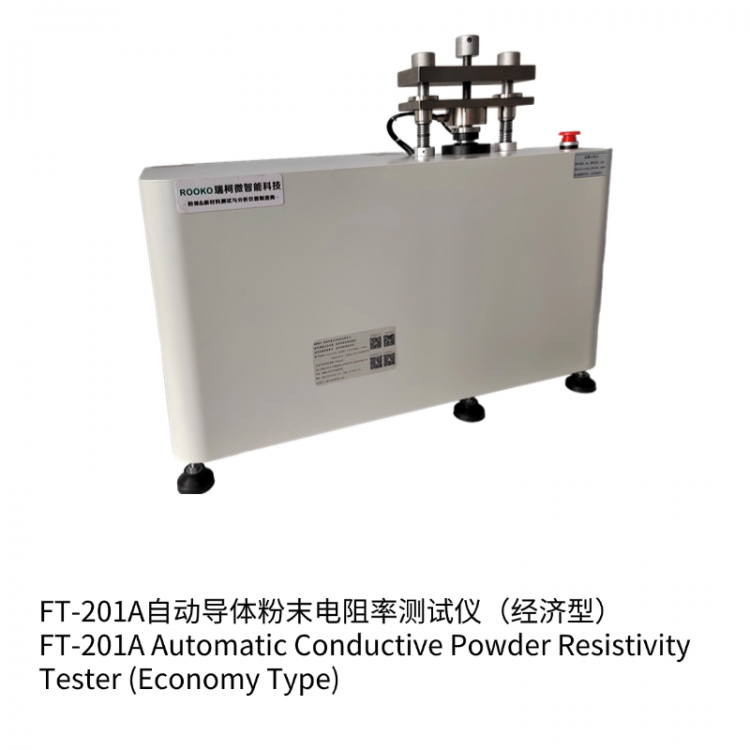
Lithium Iron Phosphate Powder Resistivity and Compaction Density Meter, Electric Type
Feature Description:
Offering new energy battery material powder compaction density and resistivityMeasurement of electrical conductivity and foil resistance; automaticServo Power System,PowderReal-time compressive resistivity vs. density chart, pressure vs. compacted density chart;Automatically analyzes the deformation after constant pressure and pressure release of the sample, as well as the resistance and conductivity profiles during the elastic deformation process, from the height measurement of the sample.0.001mm; Two control modes: touch screen and PC software; Integrated control system, reporting function; Automatic operation, with self-protection and abnormal alarm features for the instrument.
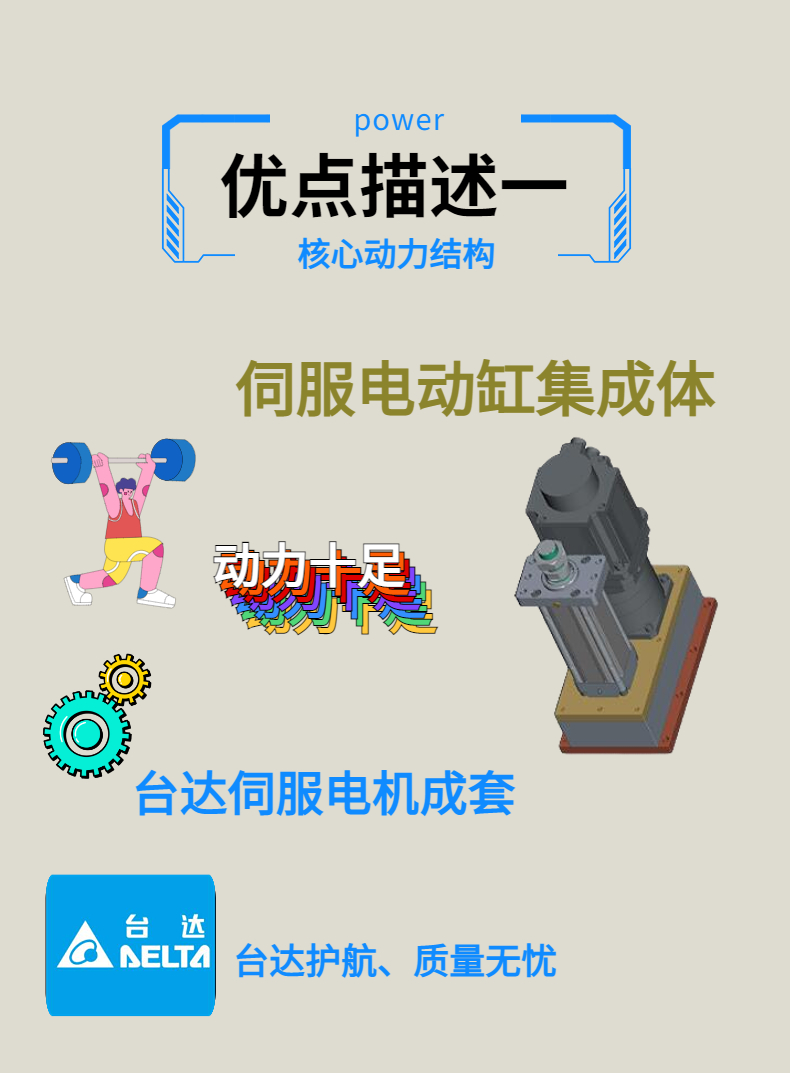
Lithium Iron Phosphate Powder Resistivity and Compaction Density Meter, Electric Type
TwoReference Standard:
1. Density Measurement Reference: GBT 24533-2009 Graphite Negative Electrode Materials for Lithium-Ion Batteries; GB/T 24533-2019 Graphite Negative Electrode Materials for Lithium-Ion Batteries
AppendixTesting Method for Powder Compaction Density
2. Four-probe tester in accordance with GB/T 1551, GB/T 1552-1995, and ASTM F84 American A.S.T.M. standard.
3. The four-probe method for powder testing refers to the requirements for the four-probe method in the arbitration method specified in GBT 30835-2014 "Positive electrode materials for lithium-ion batteries - Lithium iron phosphate composite carbon" regarding the determination of powder conductivity.
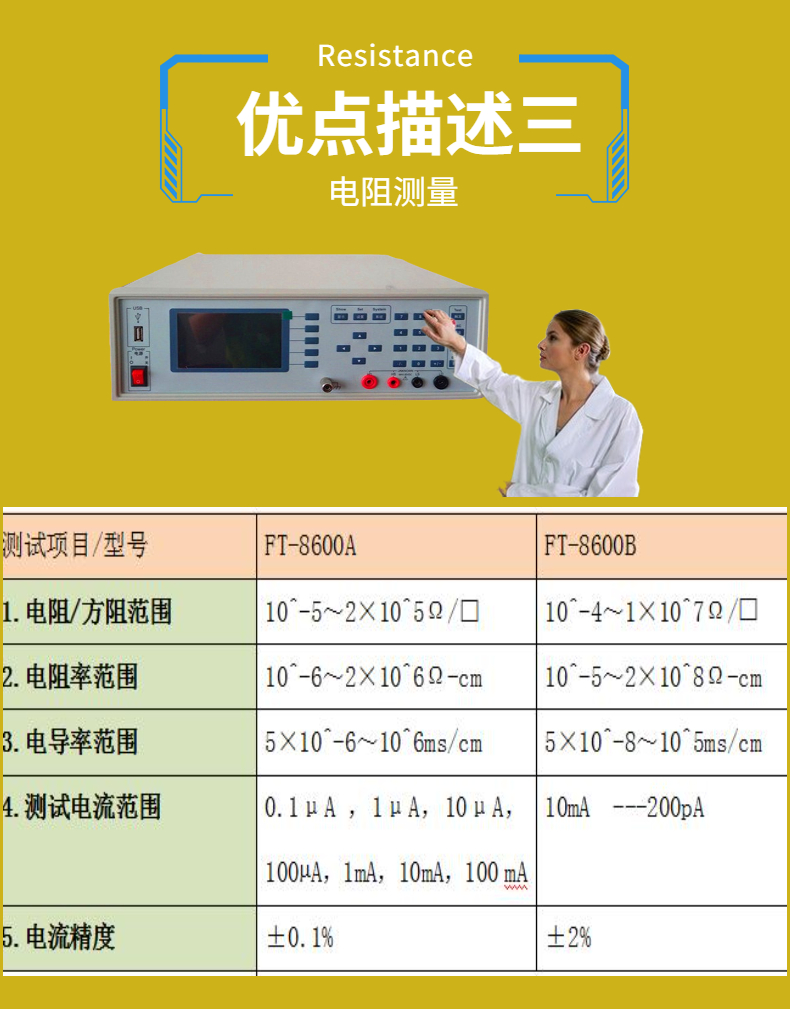
Lithium Iron Phosphate Powder Resistivity and Compaction Density Meter - Electric Type
ThreeApplication Range:
Measurement of the resistivity for the lithium-ion battery cathode material, lithium iron phosphate (LiFePO4), with carbon composite.
2. Analysis and testing of semiconductor powder materials requiring the four-probe method for measurement.
3. For measuring the resistivity of powdered materials like graphite.
4. Thin Film Resistance Measurement
5For corporate quality inspection; R&D departments, colleges and universities; research institutions; and quality testing organizations.
FourPrinciple of Operation:
During the compressive process by external forces, as the powder moves and deforms, the voids are filled, the contact area between particles increases, causing interatomic attractions and strengthening the mechanical wedging between particles, thereby forming a compact with density and strength.Real-time measurement of resistance, resistivity, and conductivity changes during the blanking process until stabilization.