

- AllProduct Category
-
Powder Property Tester
Powder Flowability Tester
Bulk Density Gauge
Loose Density Tester
Pile Density Tester
Apparent Density Meter
Rest Angle Gauge
Rest Angle Gauge
Particle Strength Tester
Powder Resistivity Tester
Compaction Density Gauge
Hole Flowmeter
Four-Probe Resistance/Resistivity Tester
Surface and Volume Resistivity Tester for Insulating Materials
Conductor Material Resistivity Tester
High Temperature Resistivity Tester
Voltage Drop Tester


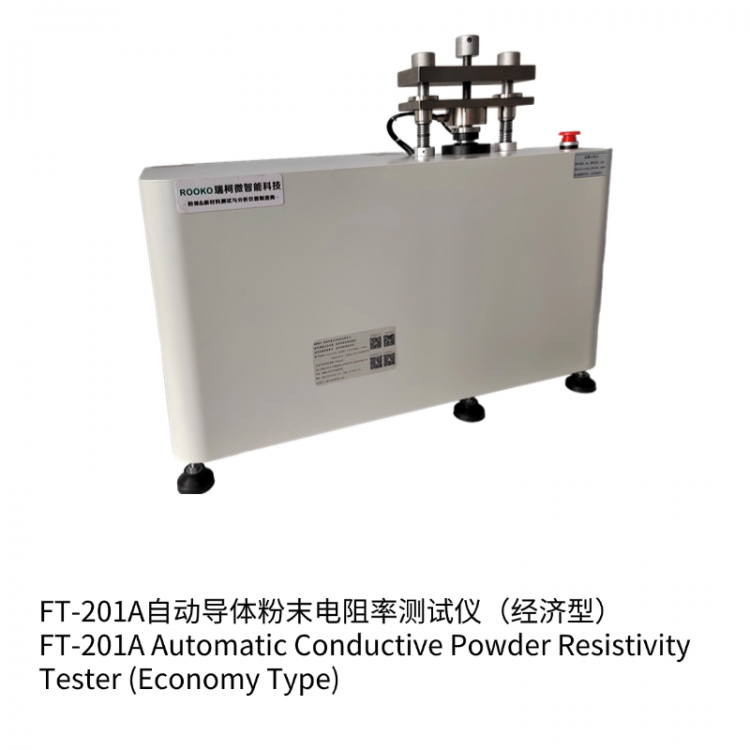
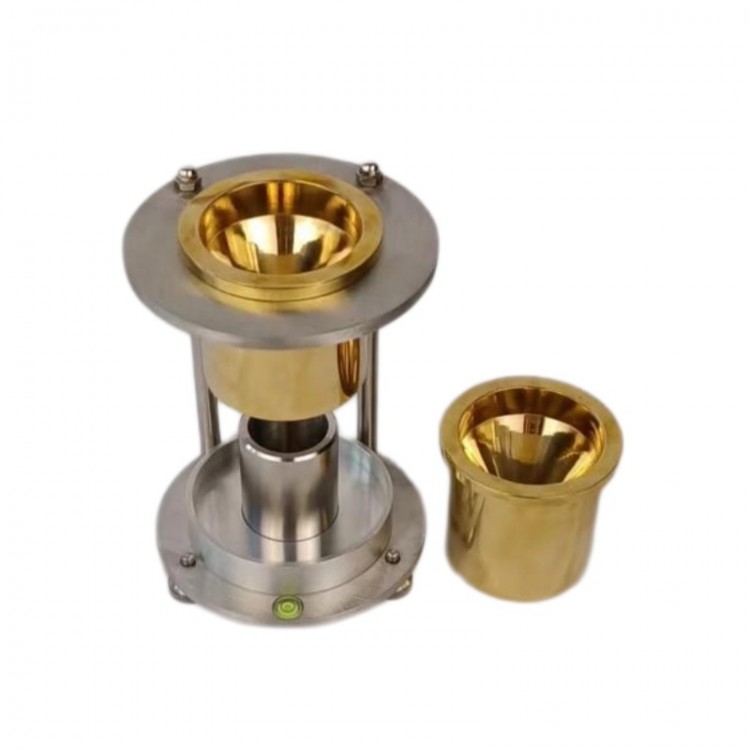
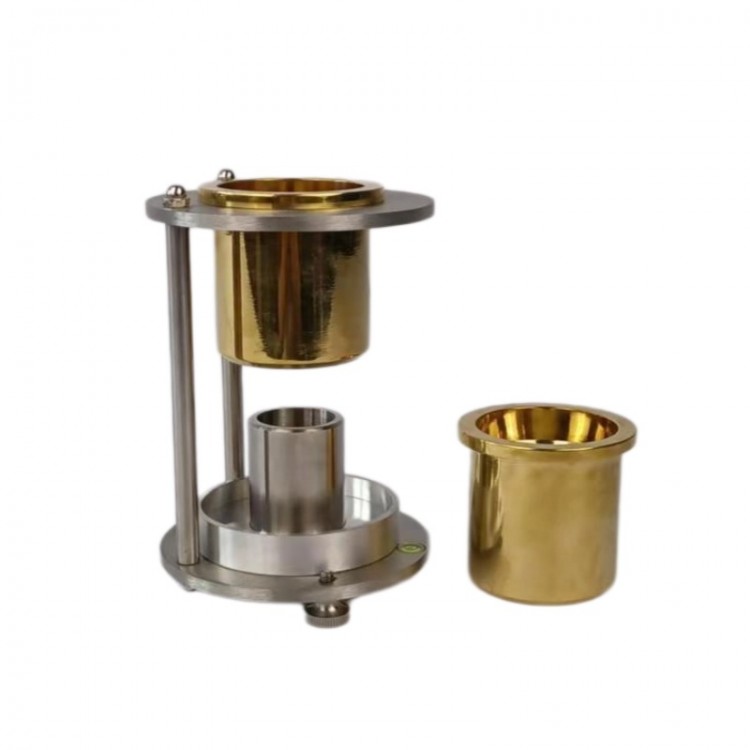
详情描述
FT-351 Series High-Temperature Four-Probe Resistivity Tester - Temperature and Resistivity Change Curve
I. Overview:
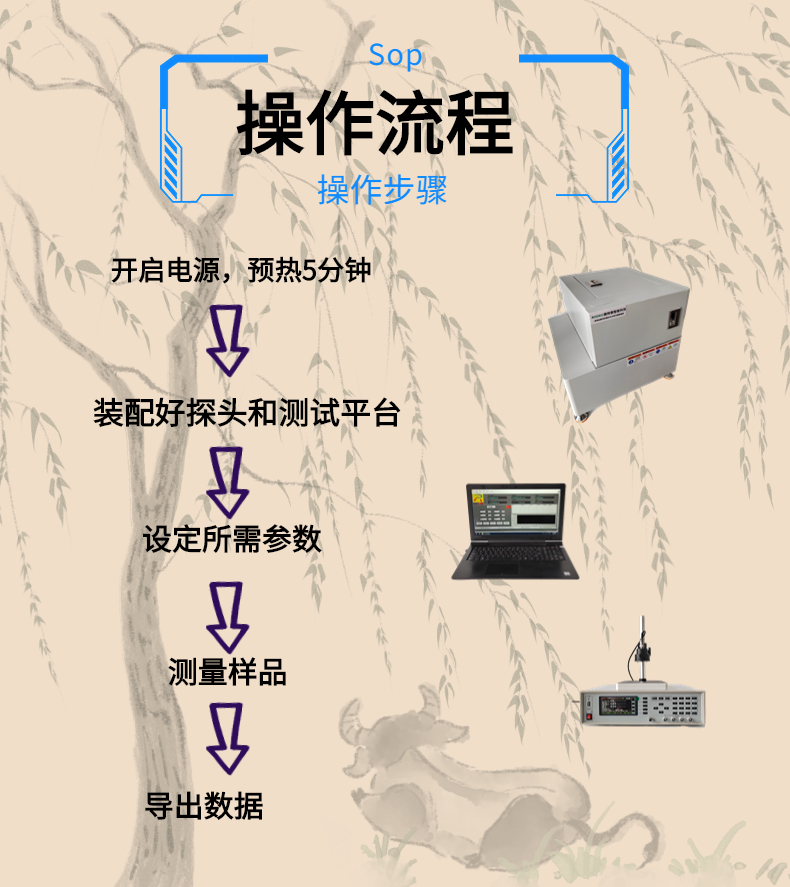
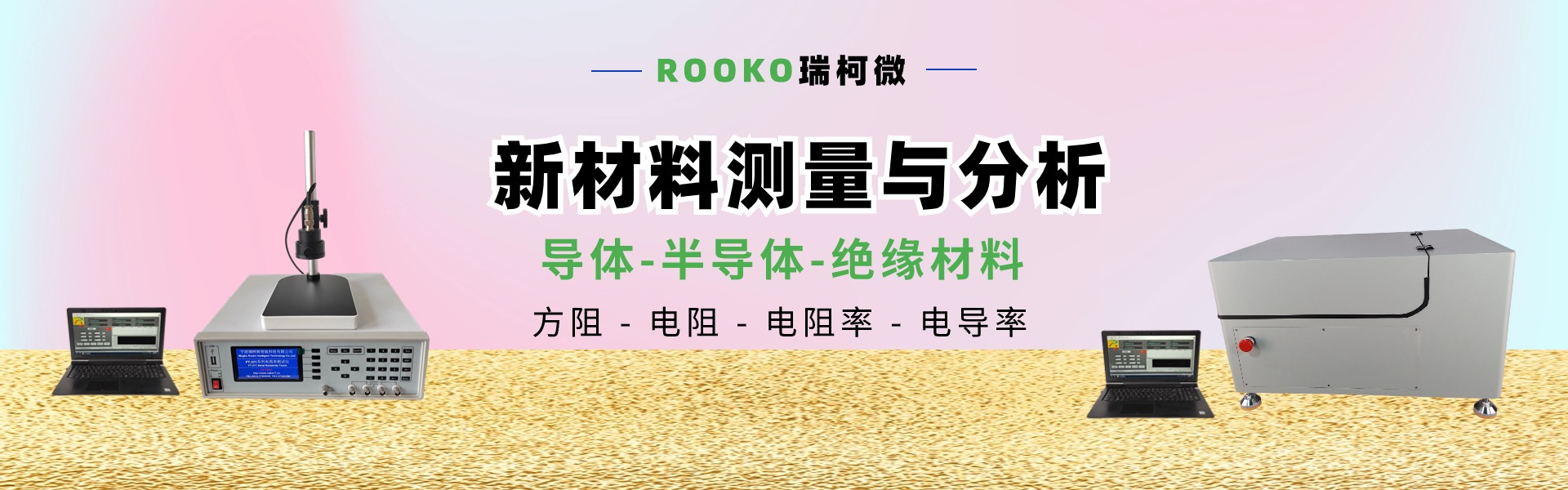
Utilizing a four-probe dual-electric combination measurement method to test sheet resistance and resistivity systems, integrating with a high-temperature oven for high-temperature four-probe testing probes. The fixture is compatible with PC software for data processing and measurement control, addressing the measurement requirements of semiconductor material conductivity with temperature changes. The software dynamically plots the curves of temperature versus resistance, resistivity, and conductivity, along with a report analysis of process data values.
FT-351 Series High Temperature Four-Probe Resistivity Tester - Temperature and Resistivity Change Curve
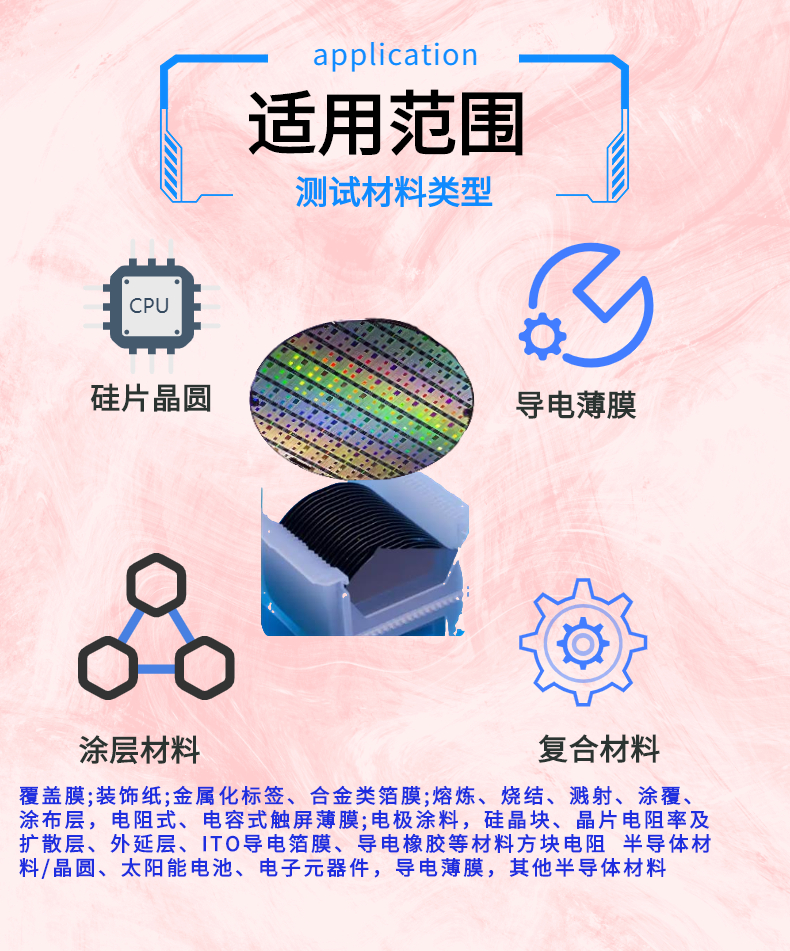
For use by corporations, universities, and research institutions for measuring resistivity of conductive ceramics, silicon, and germanium single crystals (bars, wafers), determining square resistances of silicon epitaxial layers, diffusion layers, and ion implantation layers, as well as measuring square resistance, resistivity, and conductivity data of new materials such as conductive glass (ITO) and other conductive thin films.
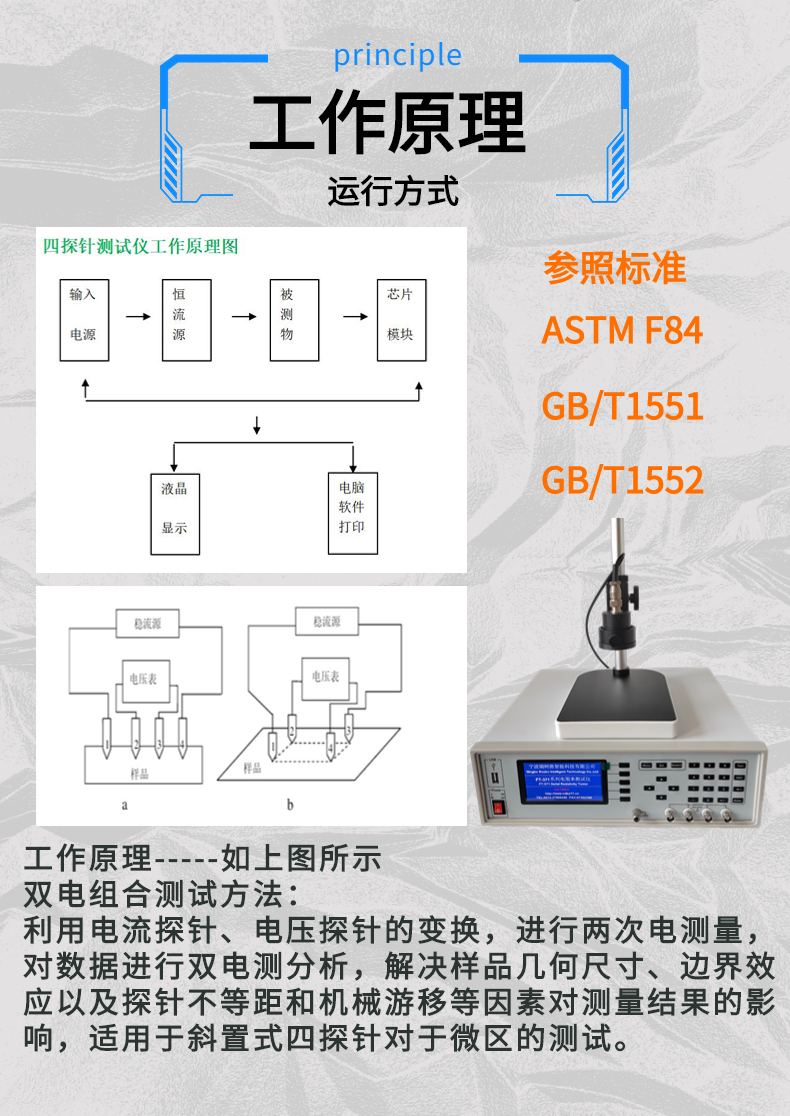
The dual-electrode four-probe tester utilizes dual-position measurement with a linear four-probe. The design refers to the physical testing methods of single-crystal silicon and references the American A.S.T.M. standards.
3. Model and Parameters:
Specification ModelFT-351AFT-351BFT-351C
Square Resistance Range10^-5~2×10^5Ω/□10^-6~2×10^5Ω/□10^-4~1×10^7Ω/□
2. Resistance range10^-6~2×10^6Ω-cm10^-7~2×10^6Ω-cm10^-5~2×10^8Ω-cm
3. Test Current Range0.1μA.μA.0μA,100µA,1mA,10mA,100 mA1A、100mA、10mA、1mA、100uA、10uA、1uA、0.1uA10mA ---200pA
4. Current Accuracy±0.1% reading±0.1 reading±2%
5. Resistance Accuracy≤0.3%≤0.3%≤10%
PC Software InterfaceResistance, Resistivity, Square Resistance, Temperature, Unit Conversion, Temperature Coefficient, Current, Voltage, Probe Shape, Probe Spacing, Thickness, Conductivity
7. Testing MethodsDual Power Measurement
8. Four-probe instrument power supplyAC 220V±10%.50Hz <30W
FT-351 Series High-Temperature Four-Probe Resistivity Tester - Temperature and Resistivity Change Curve
9. Tolerance≤3% (Standard Sample Results)≤15%
10. Temperature (Optional)
Room temperature – 200℃; 400℃; 600℃; 800℃; 1000℃; 1200℃; 1400℃; 1600℃
11. Atmosphere Protection (Gas Provided by Customer)Common gases include Helium (He), Neon (Ne), Argon (Ar), Krypton (Kr), Xenon (Xe), and Radon (Rn), all colorless, odorless, and monatomic gas molecules.
12. Temperature AccuracyTemperature Surge: ≤1-3℃; Temperature Control Accuracy: ±1°C
13. Heating Rate:Room temperature to 400℃-800℃ takes 15 minutes; 800℃-1200℃ takes 30 minutes; 1400℃-1600℃ takes 250-300 minutes
14. High-Temperature MaterialsComposite ceramic fiber material, vacuum-formed, high-temperature powder-free characteristics
15. PC SoftwareA complete set of PC software for testing, featuring USB communication interface, with the software interface synchronously displaying, analyzing, saving, and printing data!
16. Electrode (Probe) Standard MaterialTungsten or Molybdenum electrode + electrode (probe) ceramic tube + high-temperature ceramic sample stage, 1 set.
17. Probe SpacingStraight probe, probe spacing: 4mm.
18. Sample RequirementsSample length required: ≥13mm; sample width ≥2mm or diameter ≥13mm
19. High-Temperature Power SupplyPower Supply: 220V, 400-1200℃; 2-4KW; 380V; 1400-1600℃; 4-6KW
20. Standard External (Optional):a. 1 set of computers and printers; b. 1-5 standard resistors.
S-type platinum rhodium probe electrode (temperature range: 200-1300°C)
Type B Platinum Rhodium Probe Electrode (Temperature Range: 1400-1600°C)